
Understand patterns Math Worksheets for Ages 3-8
6 filtered results
Difficulty Level
Grade
Age
-
From - To
Subject
Activity
Standards
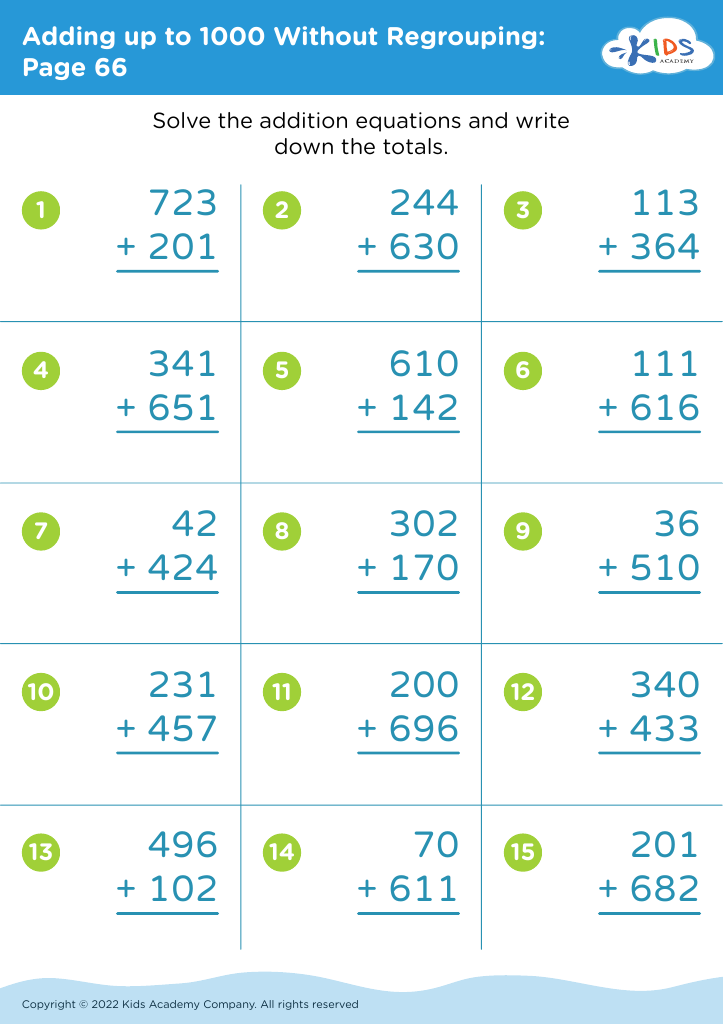
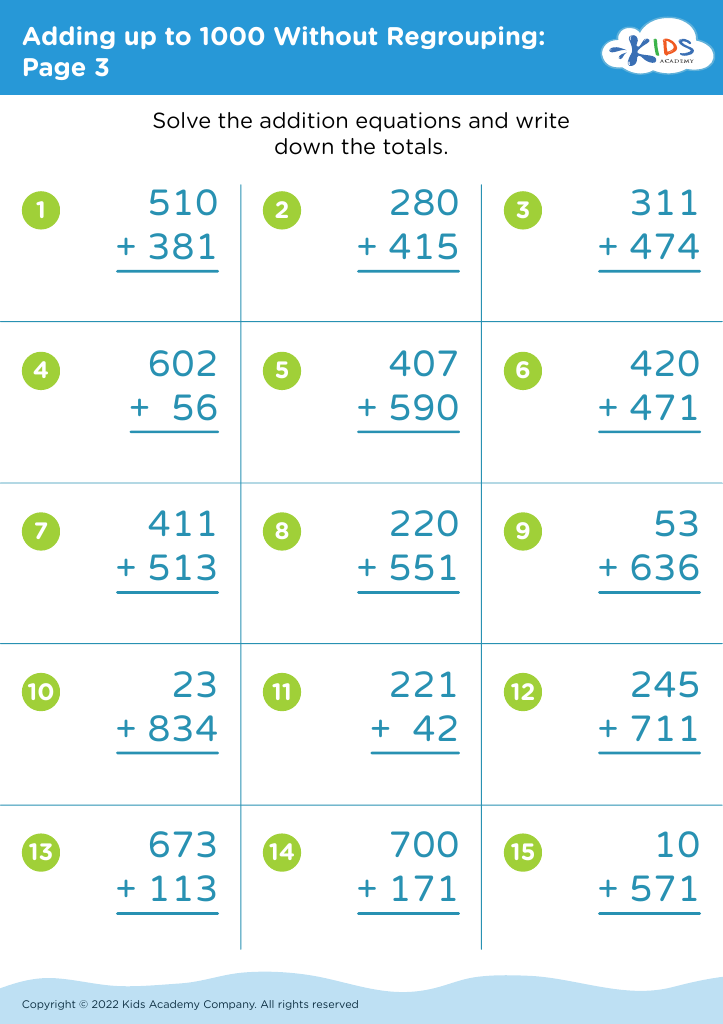
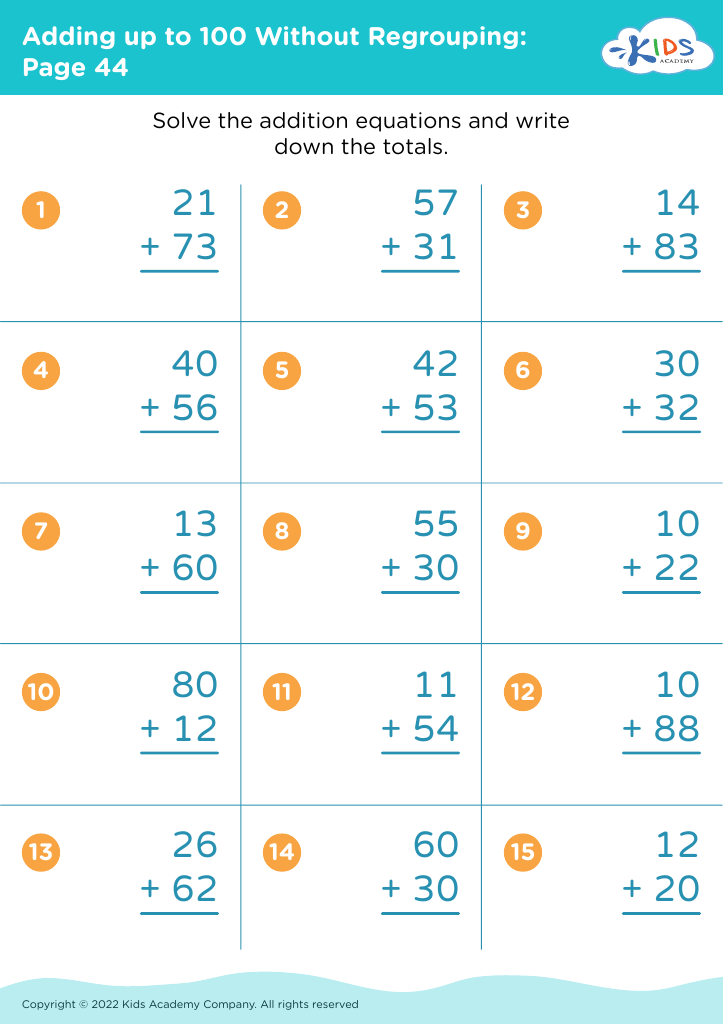
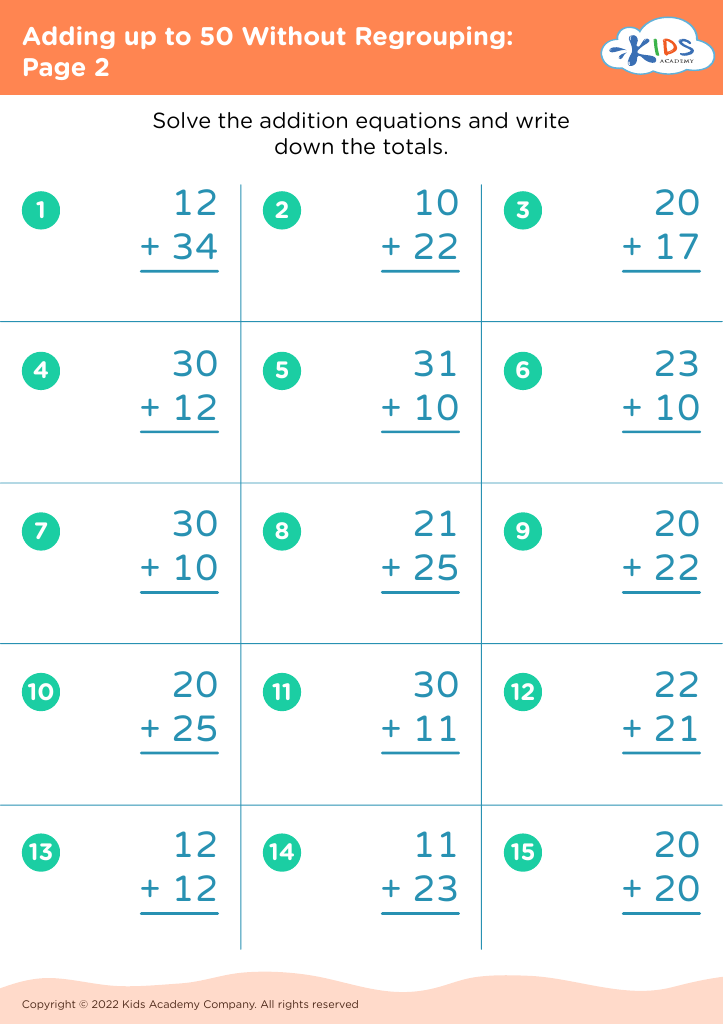
Unlock your child's potential with our "Understand Patterns Math Worksheets for Ages 3-8." Designed to enhance early math skills, these worksheets engage young minds through playful activities. Children explore sequences, shapes, and colors, building a strong foundation in pattern recognition, critical thinking, and problem-solving. From fun matching exercises to challenging pattern continuations, our worksheets adapt to various skill levels, making learning exciting and attainable. Ideal for both classroom and at-home practice, these resources foster early educational growth in an enjoyable and interactive way. Get started today and watch your child's confidence in math soar!
Favorites
With answer key
Interactive
Join Kids Academy for Free
Who is primarily going to use this learning content?








Understanding patterns is a fundamental aspect of early childhood math education and serves as a cornerstone for various cognitive and academic skills. For children ages 3-8, recognizing, creating, and predicting patterns helps in the development of critical thinking and problem-solving abilities.
Engagement with patterns enhances a child's ability to observe and interpret abstract and concrete relationships, fostering mathematical thinking essential for more complex arithmetic operations in the future. Patterns are not confined to math alone; they play a role in various subjects. For instance, recognizing patterns in stories boosts early reading skills, and identifying rhythmic patterns bolsters musical development.
Moreover, understanding patterns promotes focus and self-regulation. As children work to distinguish, replicate, and predict sequences, they develop persistence and the capacity to connect past learning with new concepts. Activities like sorting and classifying objects based on attributes such as shape, color, or size further enhance organizational skills and lay the groundwork for data analysis.
For parents and teachers, emphasizing patterns in the curriculum stimulates joy and curiosity in learning, making abstract concepts tangible and engaging. Ultimately, caring about pattern recognition ensures that children build a robust foundational skill set, leading to academic confidence and a lifelong love for learning.








