Understanding directions Math Worksheets for Ages 3-8
7 filtered results
-
From - To
Introducing our "Understanding Directions Math Worksheets" tailored for children aged 3-8, designed to enhance their spatial awareness and logical thinking skills. These engaging worksheets offer a variety of activities that help kids follow and give directions using simple concepts like left, right, up, and down. Through fun exercises, young learners can practice interpreting and executing instructions, thereby improving their problem-solving abilities and attention to detail. Perfect for both classroom use and home practice, these worksheets provide a solid foundation for essential life skills and future mathematical learning. Discover our vibrant and interactive resources to make learning directions enjoyable!
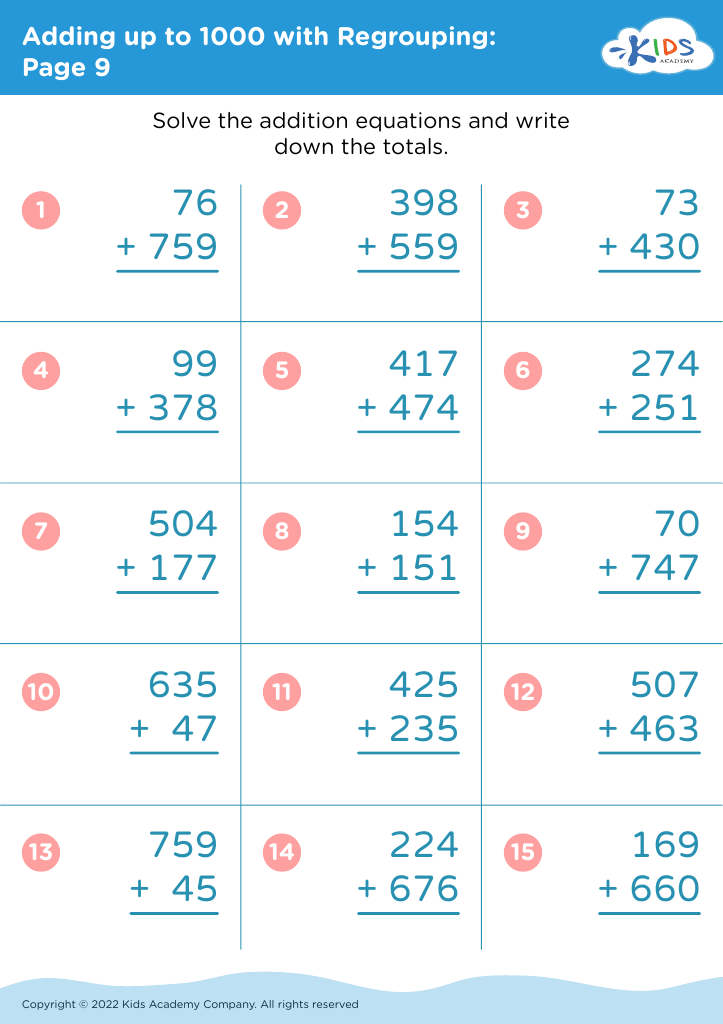
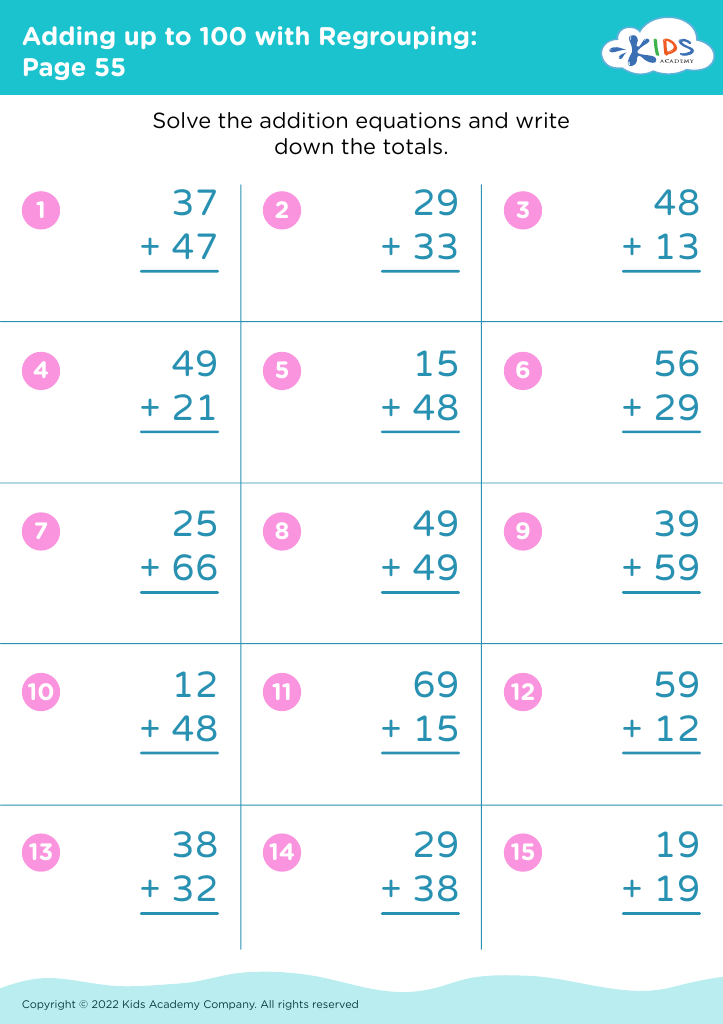
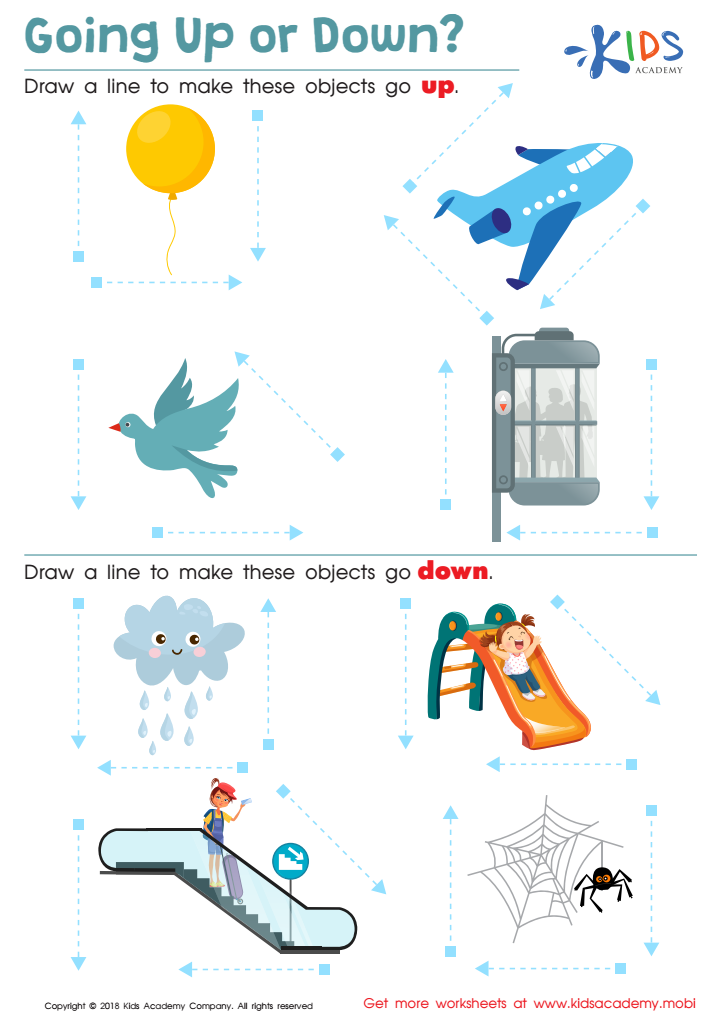
Going up or Down? Worksheet
 Assign to My Students
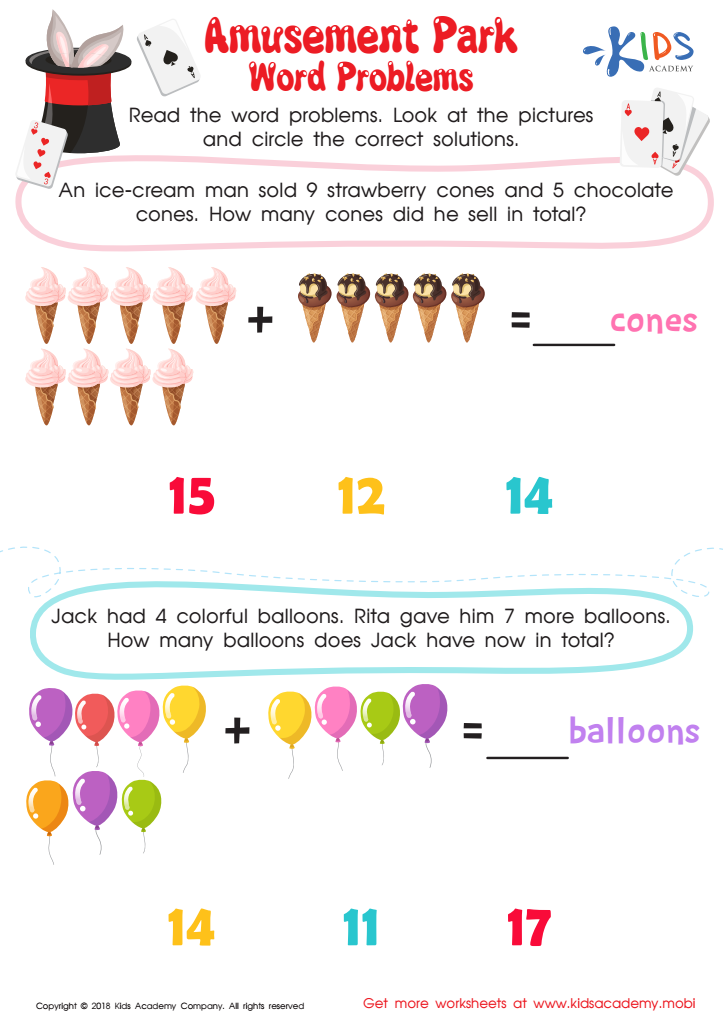
Amusement Park Word Problems Worksheet
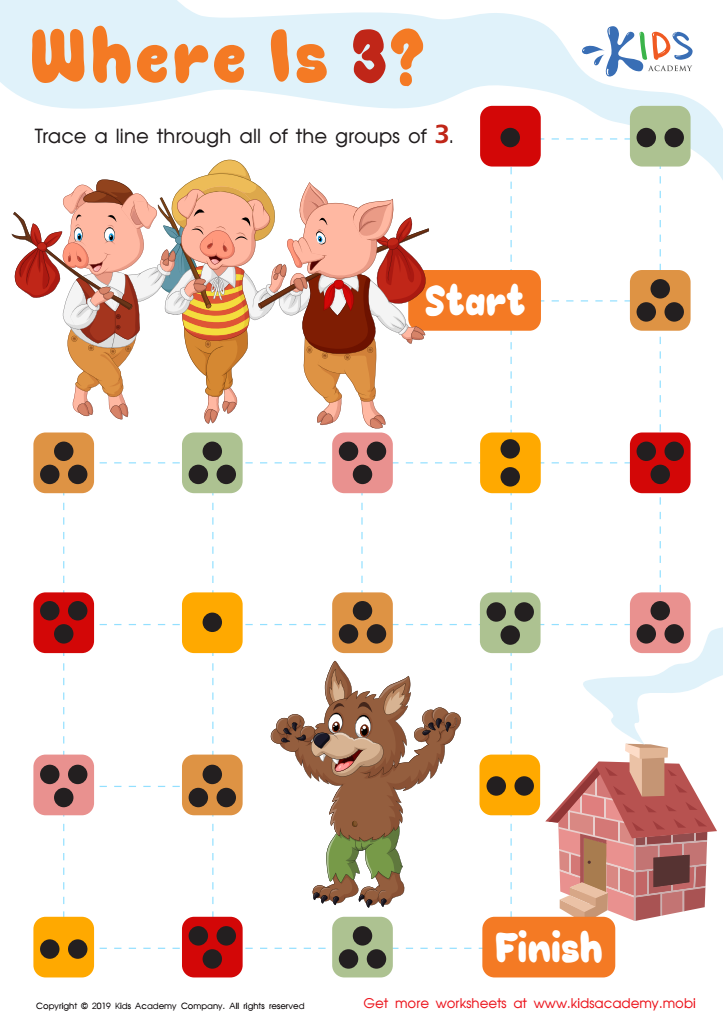
Where Is 3? Worksheet
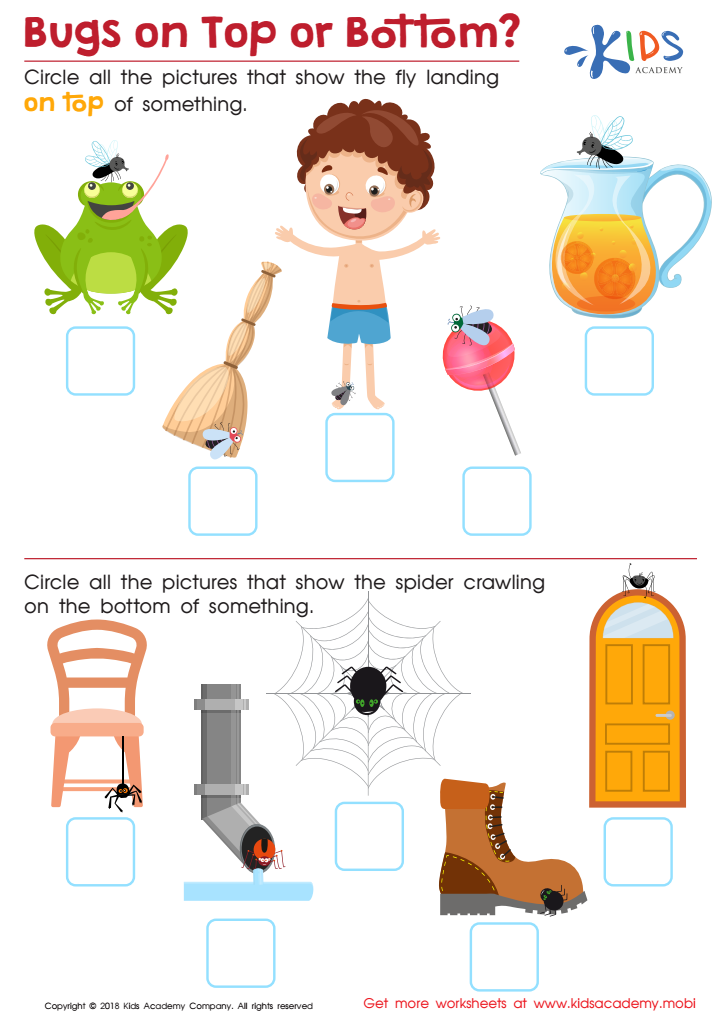
Bugs on Top or Bottom? Worksheet








Understanding directions in math for ages 3-8 is crucial for several reasons. First, it lays a strong foundation for spatial awareness and logical thinking. When children learn to follow directions, they begin to comprehend the relationship between objects, which is essential for geometry and problem-solving skills later on. For example, understanding terms like "above," "below," "next to," and "between" helps children visualize mathematical concepts.
Second, mastering this skill improves listening abilities and attention to detail, both critical components for academic success. Children who can follow directions accurately are often better able to engage in classroom activities and complete assignments correctly.
Third, understanding directions fosters independence and self-confidence. When children can follow steps on their own, whether in a math activity or a daily routine, they feel more capable and motivated to tackle new challenges.
Additionally, early competency in following directions ensures smoother transitions to more complex math topics like patterns, sequences, and operations. This early empowerment combats math anxiety and builds a positive attitude towards learning math.
Parents and teachers should prioritize teaching directional vocabulary and step-by-step problem-solving to support holistic cognitive development, setting children up for long-term educational success. Mid understanding in these early stages can have ripple effects across all areas of learning and daily life.








