Understanding multiplication Math Worksheets for Ages 3-8 - Page 2
31 filtered results
-
From - To
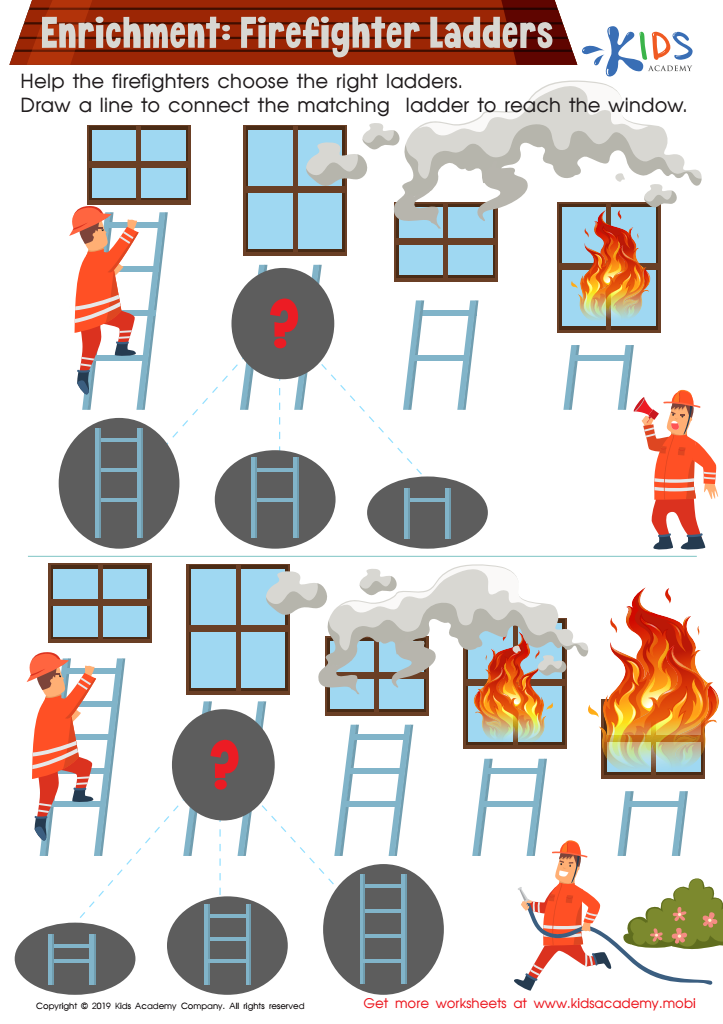
Enrichment: Firefighter Ladders Worksheet
 Assign to My Students
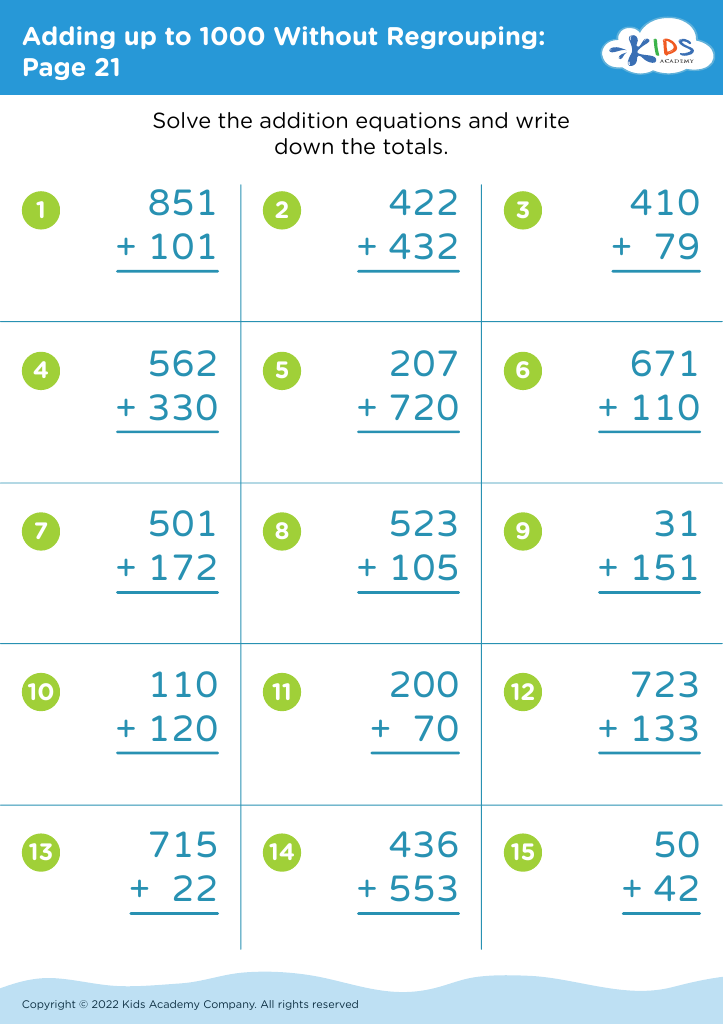
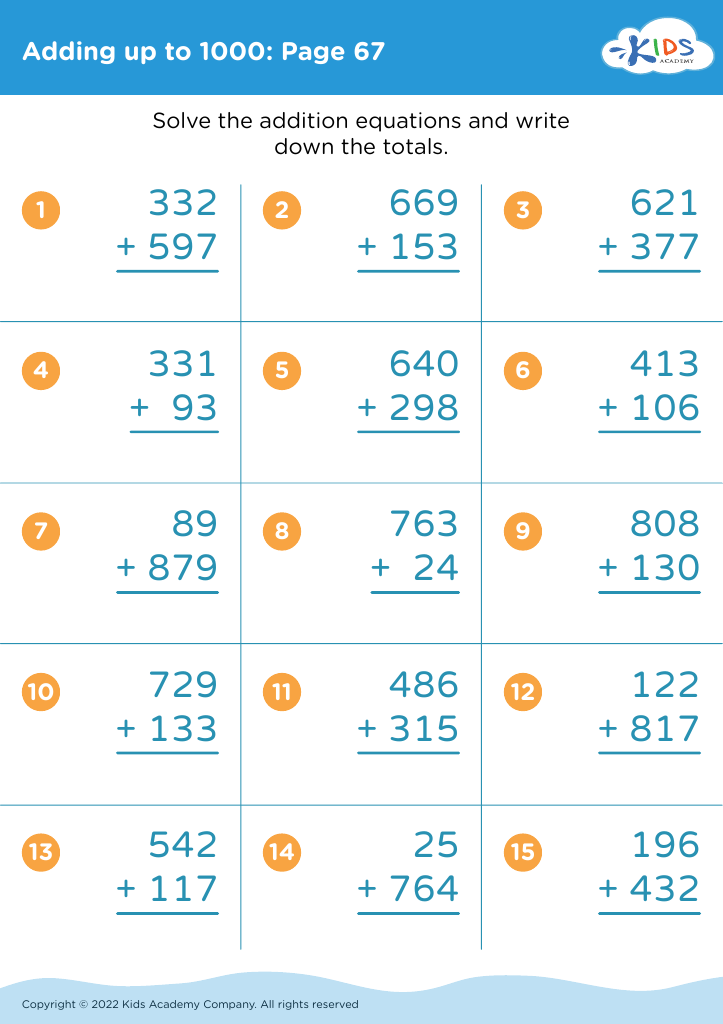








Understanding multiplication from an early age, particularly for children aged 3-8, is crucial for their overall mathematical development. While formal multiplication skills may not be introduced until later grades, foundational concepts can begin much earlier. Early exposure helps children grasp the idea of grouping and skip counting, laying a groundwork for more complex operations.
Parents and teachers should care about this concept because early mathematical understanding correlates with future academic success. When children explore multiplication through engaging activities, they strengthen their problem-solving skills and develop a positive attitude toward math. This can diminish math anxiety and foster a growth mindset.
Moreover, multiplication is not just a topic in isolation—it's interconnected with everyday experiences such as sharing items, organizing groups, or even cooking. By integrating these concepts into daily life, parents and teachers can build relevancy, showing children the practical applications of math.
Encouraging mastery of basic multiplication concepts sharpens analytical thinking and prepares children for future challenges, influencing their performance in higher-level math and STEM-related fields. Given its importance, fostering an understanding of multiplication through fun and relatable activities can create a solid mathematical foundation for lifelong learning.








