Understanding number values Math Worksheets for Ages 3-8
3 filtered results
-
From - To
Dive into the world of numbers with our "Understanding Number Values" Math Worksheets, designed specifically for children aged 3-8. These engaging, age-appropriate resources help young learners grasp the concept of number values through interactive activities and colorful illustrations. Each worksheet offers fun and stimulating exercises that strengthen foundational math skills, enhance number recognition, and promote early counting abilities. Tailored for different learning styles, our worksheets make math enjoyable and accessible, ensuring that your child builds confidence as they master essential concepts. Perfect for at-home enrichment or classroom use, these worksheets lay the groundwork for a lifetime of mathematical success. Start learning today!
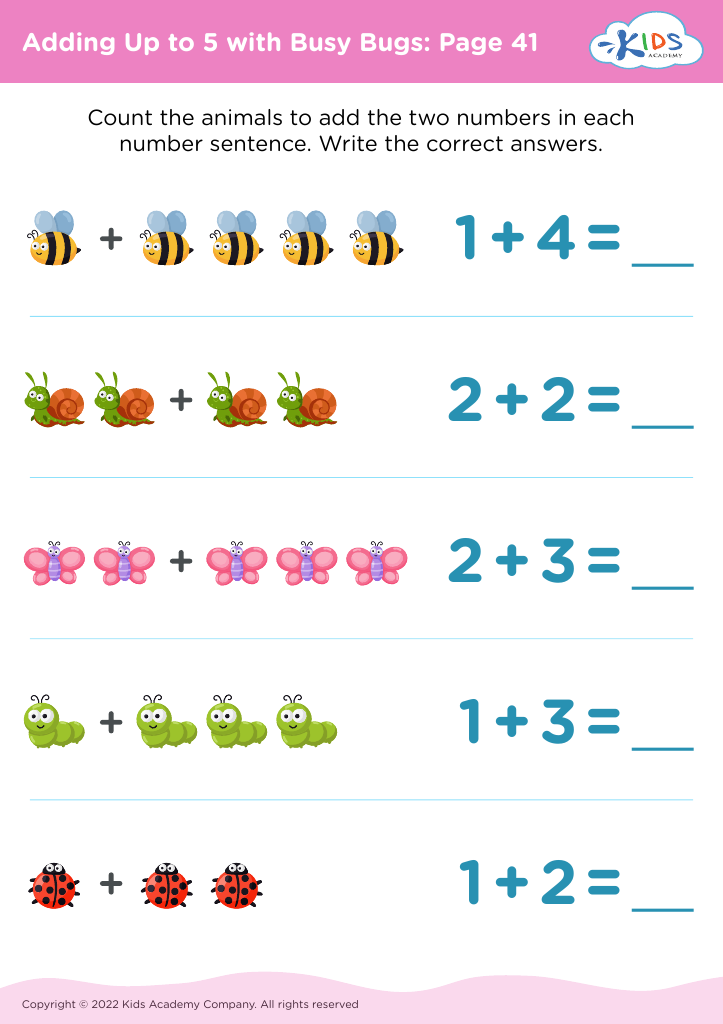
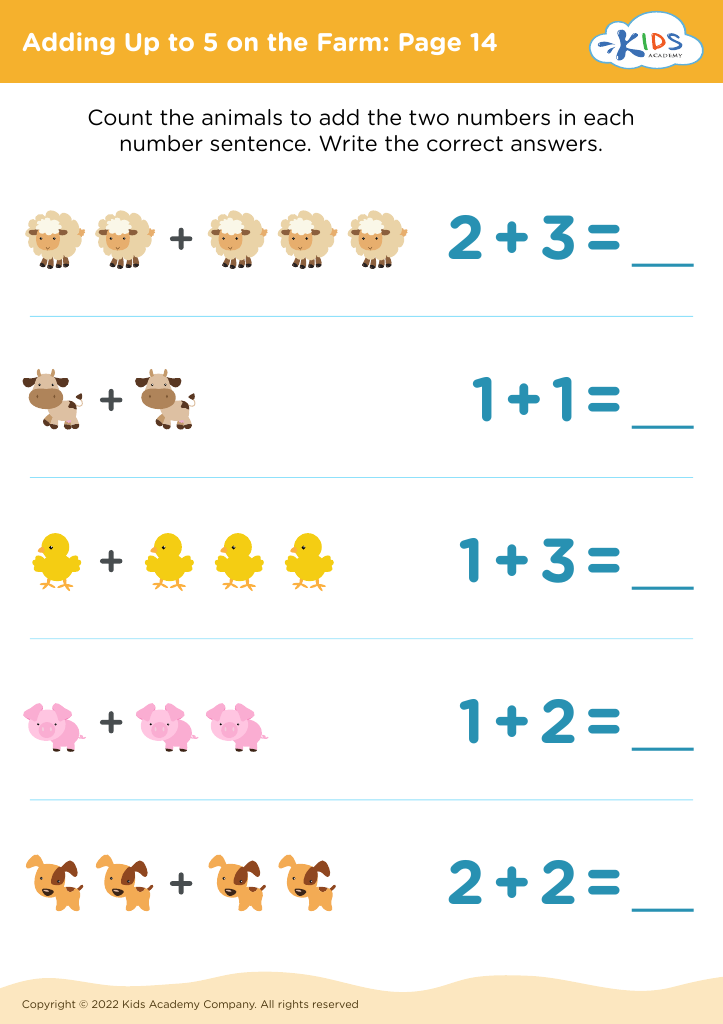
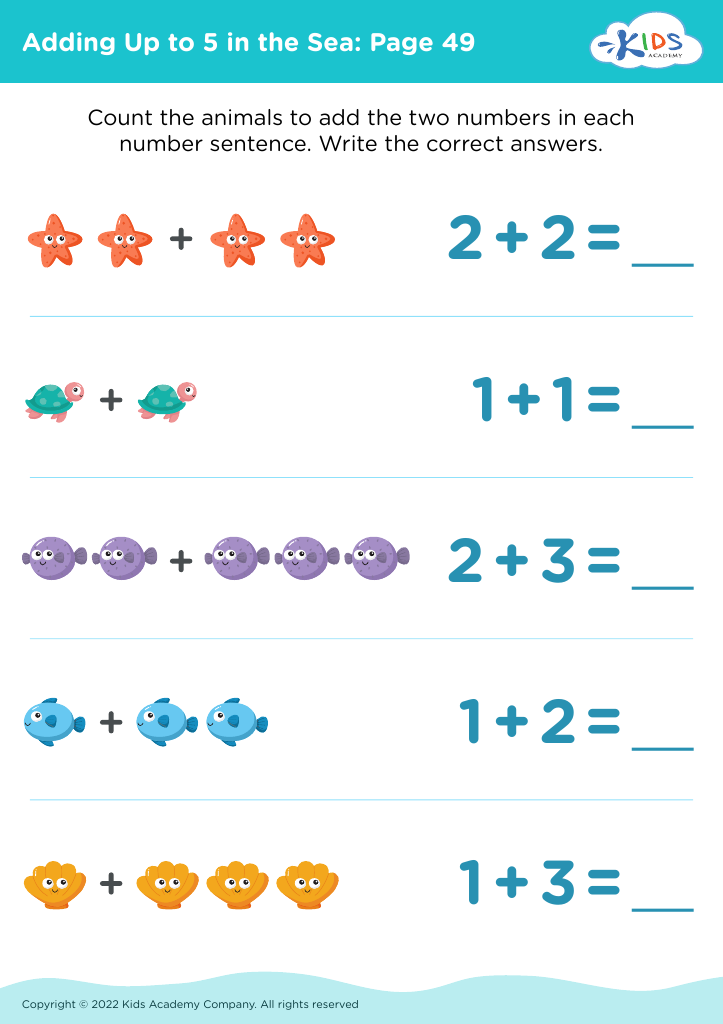








Understanding number values is foundational for children aged 3-8 as it sets the stage for their overall mathematical development. During these formative years, children begin to grasp basic concepts of quantity, comparison, and ordinality. When parents and teachers focus on these concepts, they nurture essential skills such as counting, recognizing numerals, and performing simple operations, all key to later math understanding.
Moreover, early math comprehension strengthens cognitive skills and encourages logical reasoning. For instance, recognizing the difference between two quantities fosters early problem-solving abilities, which are crucial in both academic and real-life scenarios. Children with a solid grounding in number values often become more confident and motivated learners, leading to improved performance in school.
In addition, a strong emphasis on understanding number values early on contributes to better emotional connections with math, helping to combat anxieties around the subject in later years. When parents and teachers actively engage with children in discussing numbers—whether through games, stories, or day-to-day activities—they create a rich learning environment that fosters curiosity, resilience, and a lifelong love for learning. Ultimately, understanding number values is not merely about math skills; it is about building a child's overall intellectual development.








