Understanding numeracy Math Worksheets for Ages 3-8
4 filtered results
-
From - To
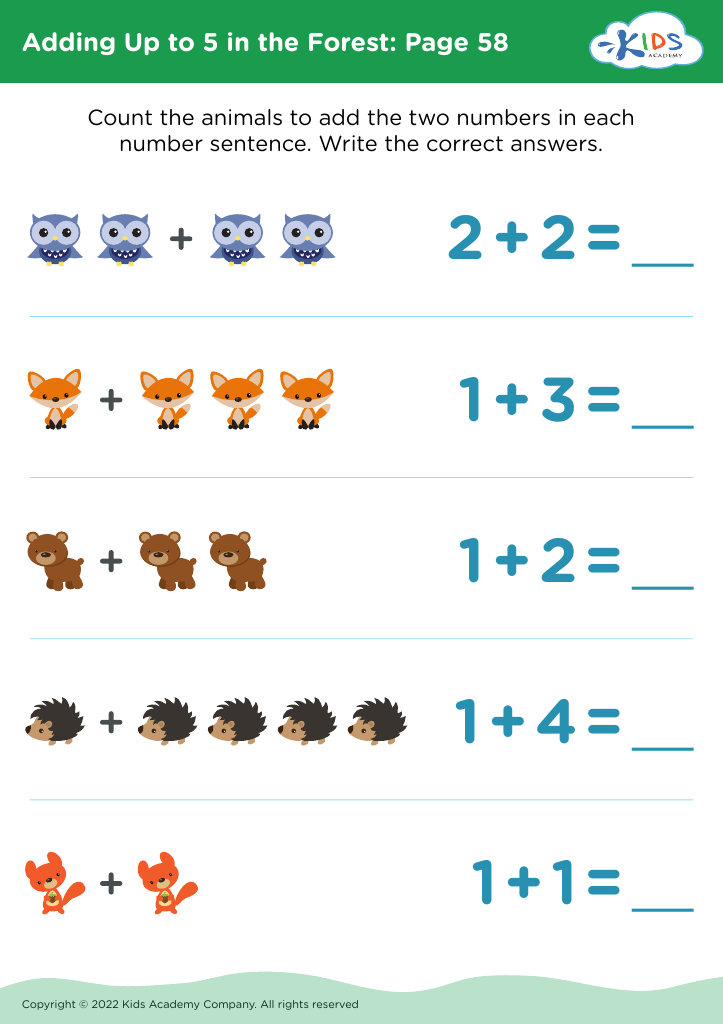
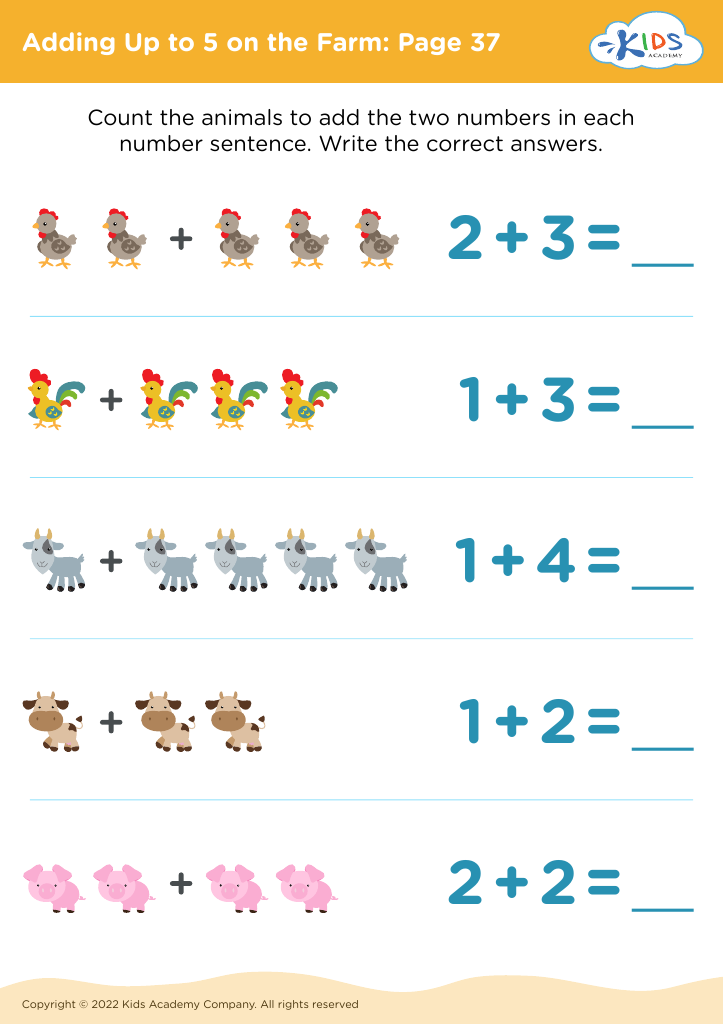
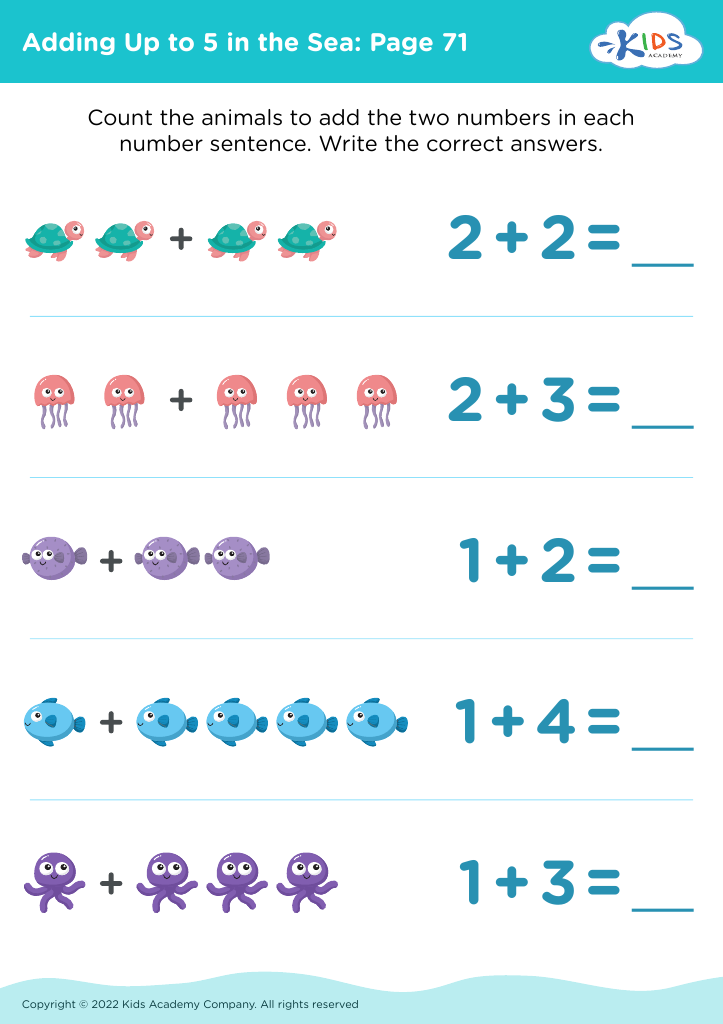
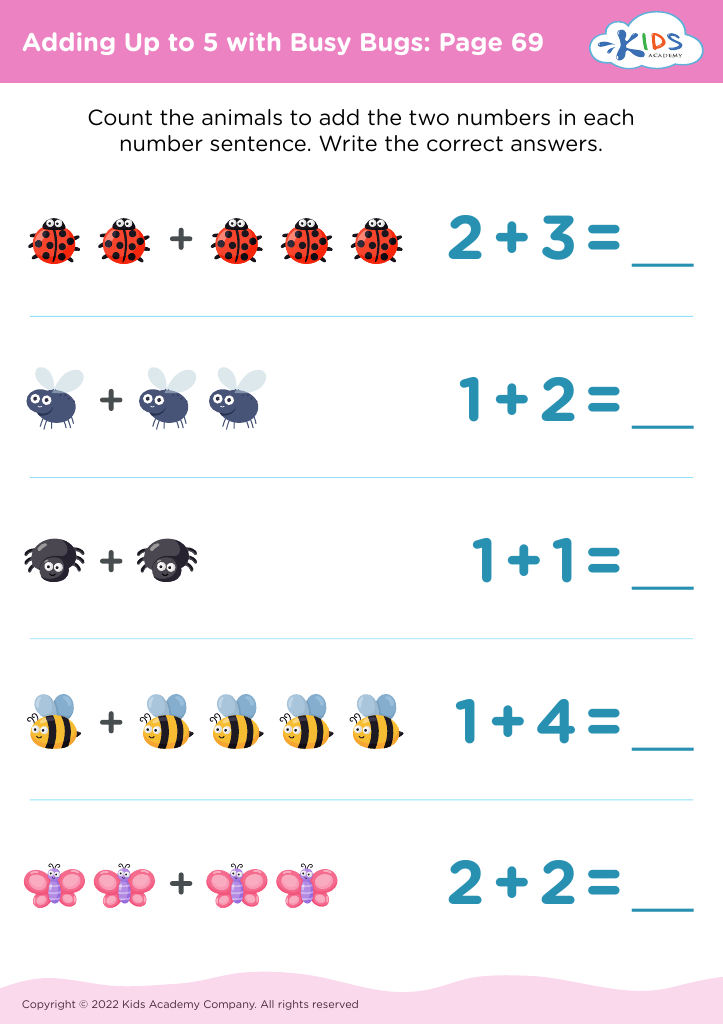
Unlock your child's math potential with our "Understanding Numeracy" math worksheets, designed specifically for children aged 3 to 8. These engaging and interactive worksheets help young learners develop essential numerical skills, encouraging problem-solving and critical thinking. From counting and number recognition to simple addition and subtraction, each activity is crafted to foster a strong foundational understanding of math concepts. Perfect for home or classroom use, our worksheets cater to varying learning styles, ensuring every child has the opportunity to grasp numeracy in a fun, supportive environment. Explore our resources to ignite your little one's love for math and boost their confidence today!




.jpg)



Understanding numeracy and math for children ages 3-8 is crucial as it lays the foundation for future academic success and critical life skills. Early math skills enhance problem-solving abilities and logical thinking, which are essential in everyday scenarios like budgeting or cooking. When parents and teachers nurture numeracy, they help children develop confidence and a positive attitude towards math, diminishing the fear often associated with the subject later in life.
Early exposure to basic math concepts, such as counting, sorting, and pattern recognition, not only boosts cognitive development but also fosters social skills through collaborative learning activities. Engaging young learners with playful math initiatives makes the subject enjoyable, ultimately encouraging a lifelong love for learning.
Moreover, numeracy is closely linked to literacy, supporting development in reading skills as well; children manage numbers and symbols better when they understand concepts. This foundational knowledge sets the stage for higher-level mathematics and better analytical skills in school and daily life.
Parents and teachers play a pivotal role during these formative years, shaping a child’s understanding of numeracy. By prioritizing early math education, they empower children to navigate their environments successfully and cultivate a keen sense of inquiry and resilience.








