Understanding numerical values Math Worksheets for Ages 3-8
4 filtered results
-
From - To
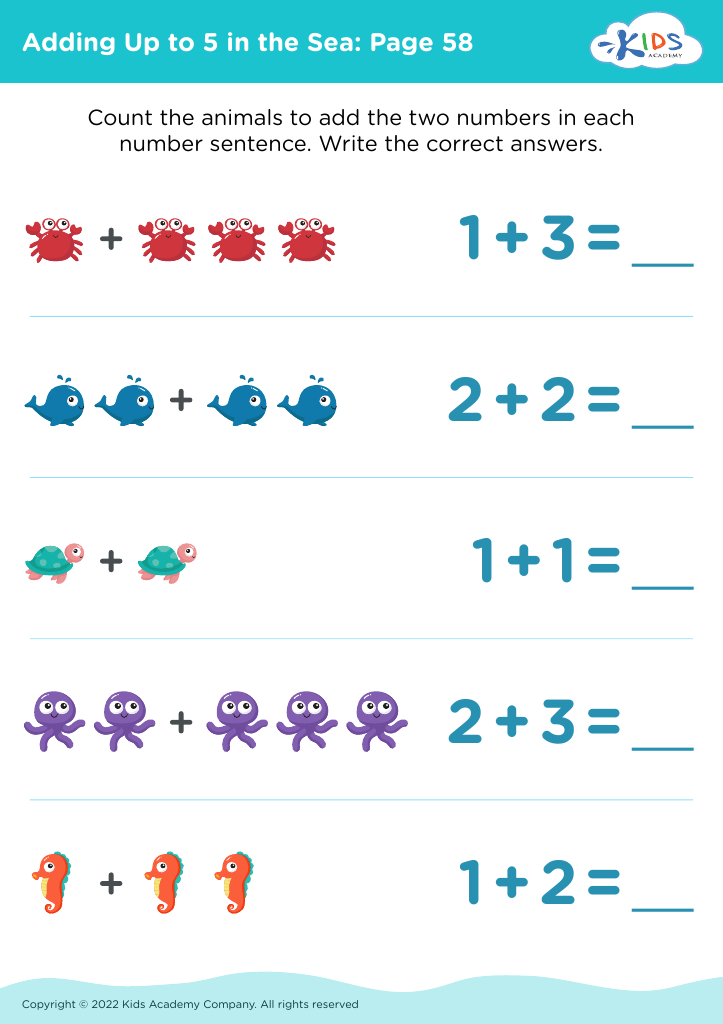
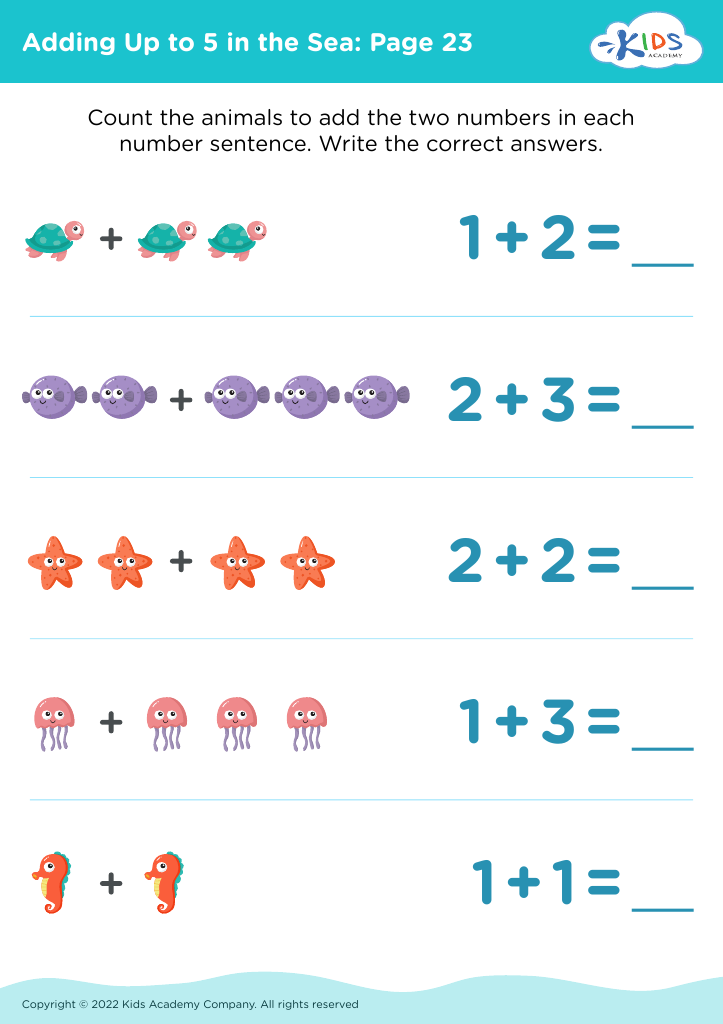
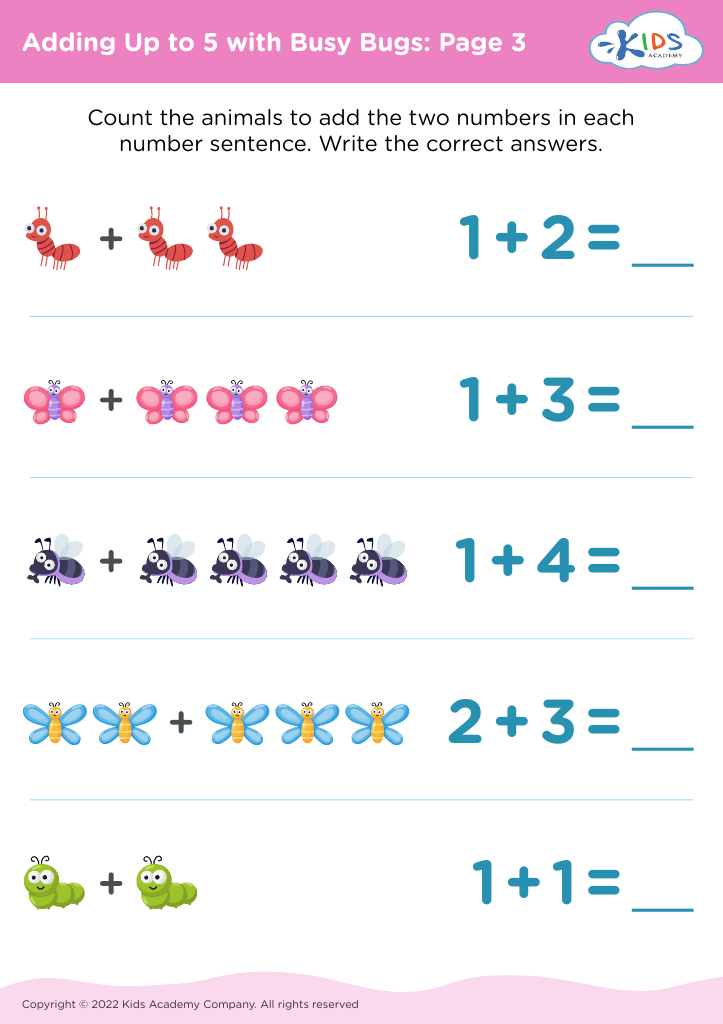
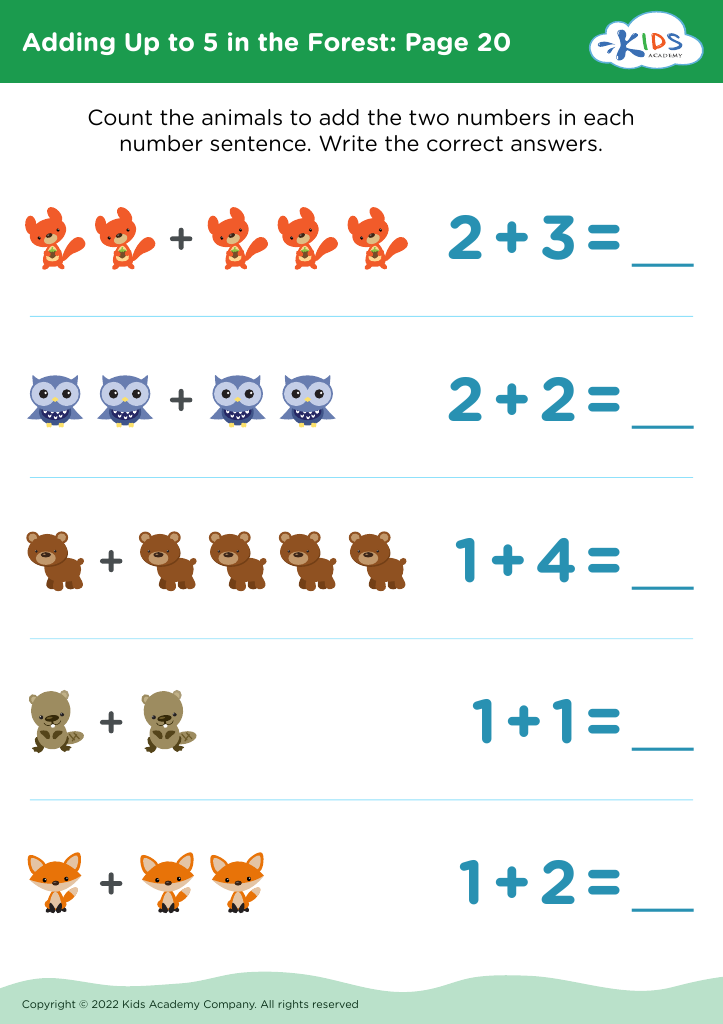
Explore the world of numerical values with our engaging math worksheets designed for children ages 3-8. These interactive resources help young learners grasp essential math concepts through fun activities that promote number recognition, counting skills, and the comparison of numerical values. Our carefully crafted worksheets blend education with play, making learning enjoyable and effective. Ideal for both classroom settings and homeschooling, each worksheet aims to build foundational math skills that will benefit children as they progress in their education. Prepare your child for mathematical success with our comprehensive collection, tailored to foster a love for numbers and enhance critical early math abilities!








Understanding numerical values is essential for children aged 3-8 as it lays the foundation for their overall mathematical development and future academic success. At this young age, children are naturally curious and eager to learn, making it a perfect time to introduce numerical concepts. By helping children grasp the idea of numbers, counting, and their significance in everyday life, parents and teachers empower them to develop critical thinking and problem-solving skills.
Learning numerical values enhances cognitive abilities and supports the acquisition of essential life skills. For instance, understanding the concept of quantity enables children to engage in activities like sharing and comparing, improving their social interaction. Early math skills also correlate with later academic performance, as strong number sense is linked to excellence in subjects such as science and engineering.
Moreover, children who understand numeracy are more likely to develop a positive attitude toward math, reducing math anxiety as they grow older. Involving parents in the learning process through games and daily conversations about numbers further reinforces these concepts. Ultimately, investing time in teaching numerical values at this formative stage cultivates confident, motivated learners who are well-prepared for the challenges of higher education and everyday life.








