Understanding quantity Math Worksheets for Ages 3-8 - Page 2
30 filtered results
-
From - To
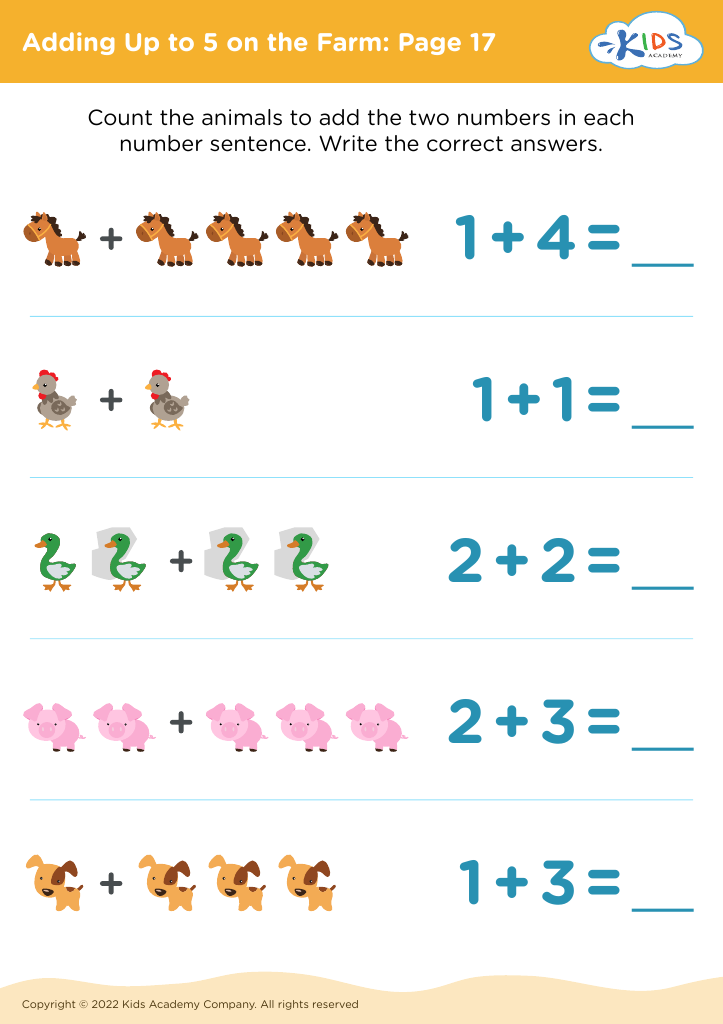
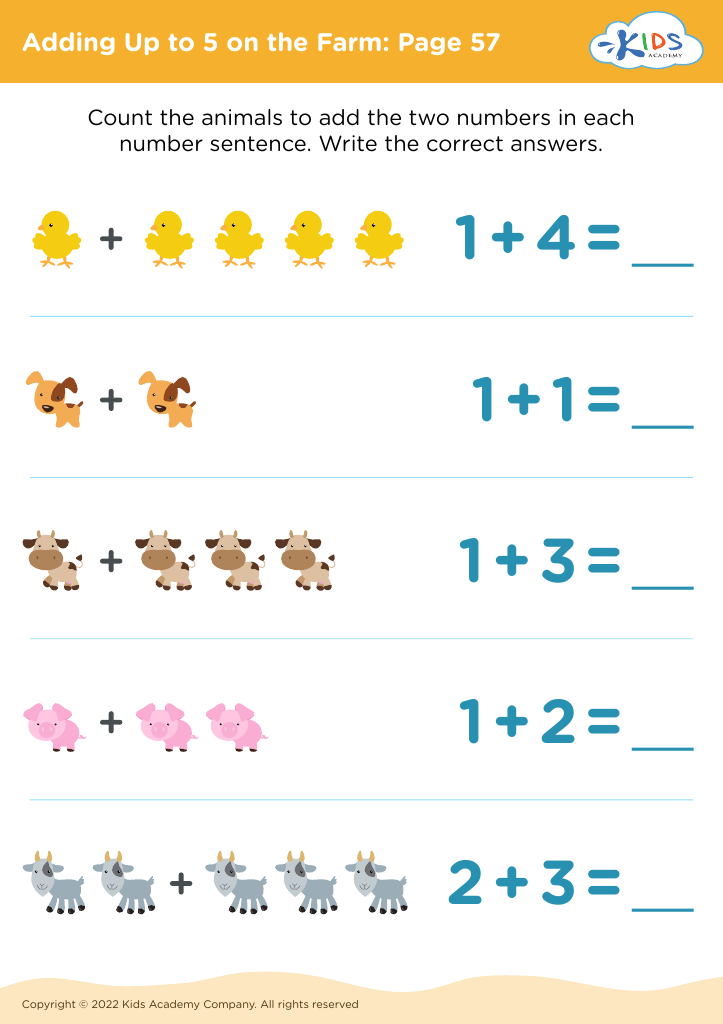
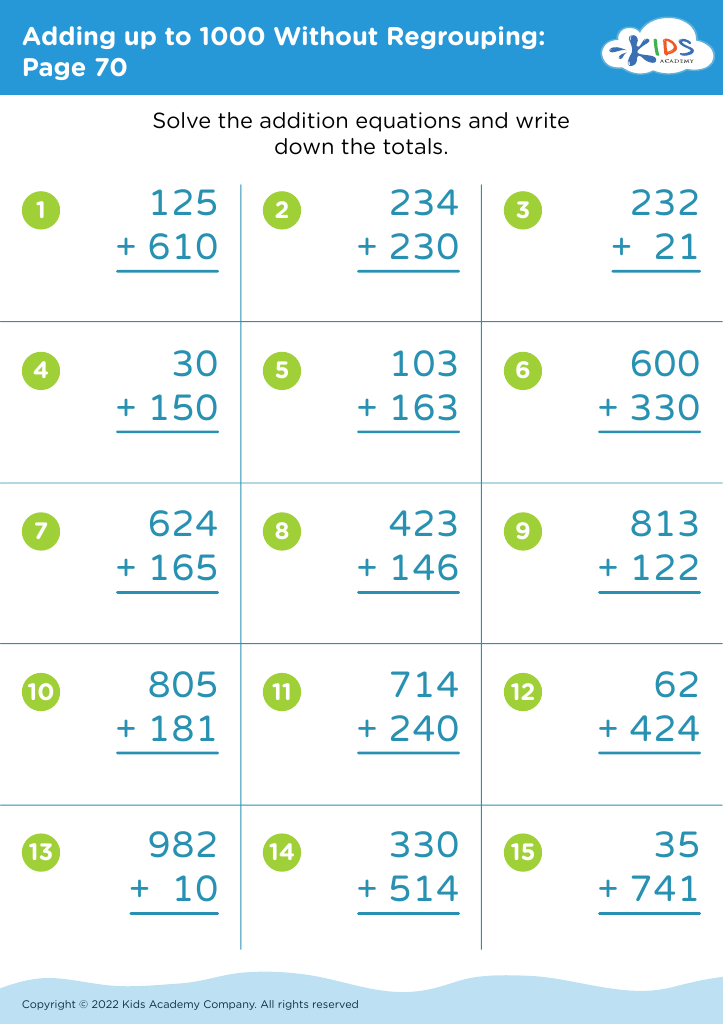
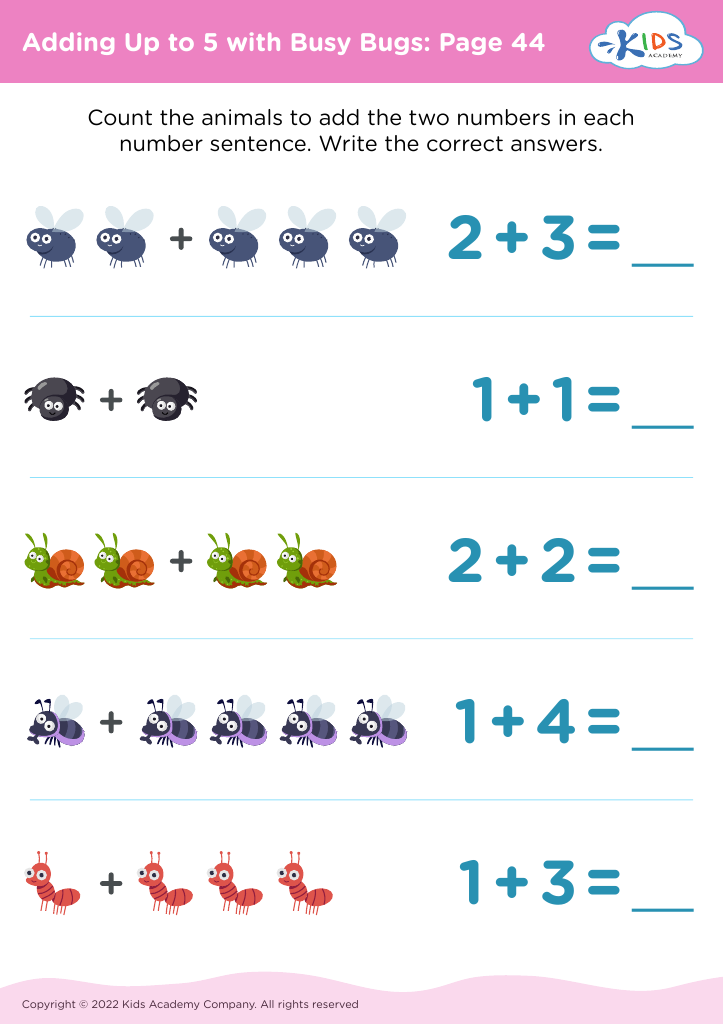
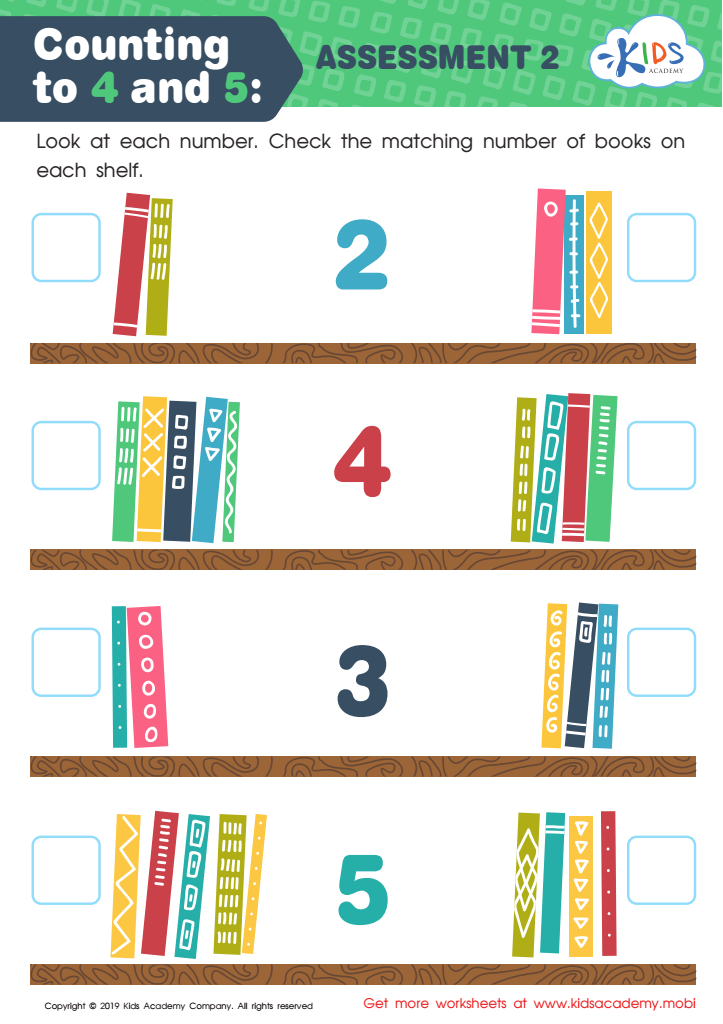
Counting to 4 and 5: Assessment 2 Worksheet
 Assign to My Students
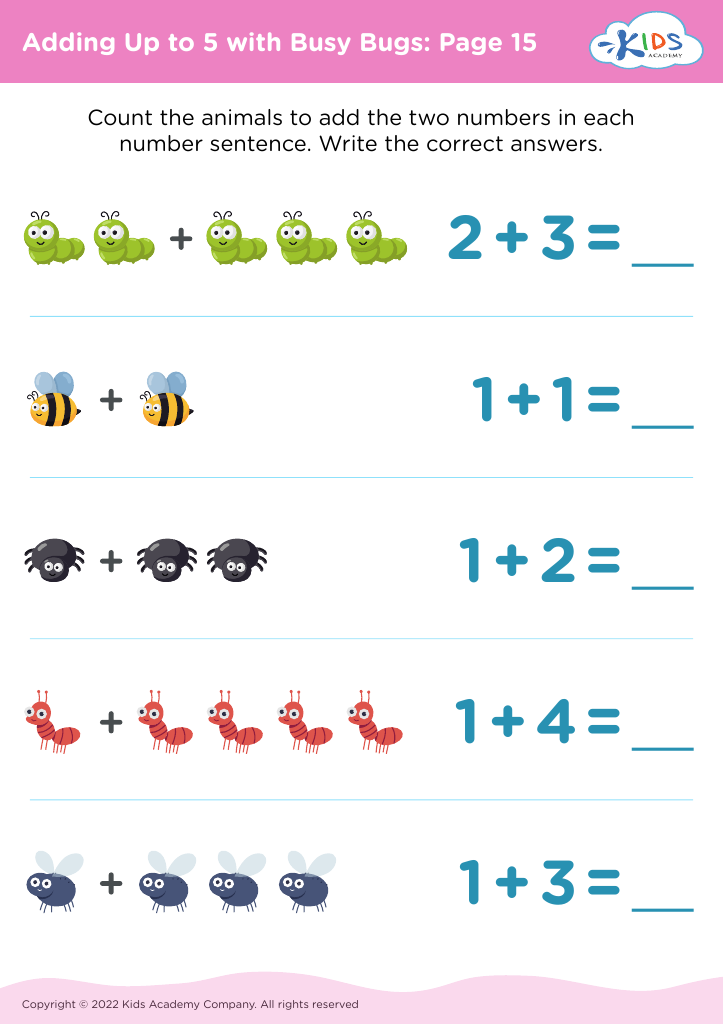





.jpg)


Understanding quantity is foundational for young learners aged 3-8, serving as the bedrock for all future mathematical concepts. During these formative years, children develop essential skills, such as counting, comparing sizes, and recognizing patterns. When parents and teachers prioritize teaching quantity, they foster a child's capacity for critical thinking, problem-solving, and logical reasoning—skills that extend beyond math.
Moreover, a solid grasp of quantity enhances children’s everyday experiences. For instance, understanding how many apples are in a basket or how many toys can fit in a box enriches their lives and encourages play-based learning. Engaging children in activities that involve measuring, sorting, or grouping items naturally cultivates these skills, and makes learning enjoyable.
Additionally, early math understanding aligns with better performance in later stages of education. Research indicates that a strong foundation in early numeracy correlates with greater academic achievement. This is why parents and teachers should create a supportive and stimulating environment that respects and nurtures early math experiences. By valuing quantity understanding, we equip children not only with essential math skills but also with confidence and curiosity that will fuel their love for learning in the years to come.








