Understanding sequence Math Worksheets for Ages 3-8
6 filtered results
-
From - To
Welcome to our "Understanding Sequence" math worksheets, specially designed for children aged 3 to 8! These engaging resources help young learners grasp the concept of sequencing, a fundamental skill in early math education. Through fun activities and colorful illustrations, children will practice ordering numbers, recognizing patterns, and developing critical thinking skills. Our worksheets cater to various learning styles, ensuring that each child can progress at their own pace. Equip your child with essential mathematical foundations while fostering a love for learning! Explore our collection today and watch your child thrive as they master sequencing in a playful and interactive way.
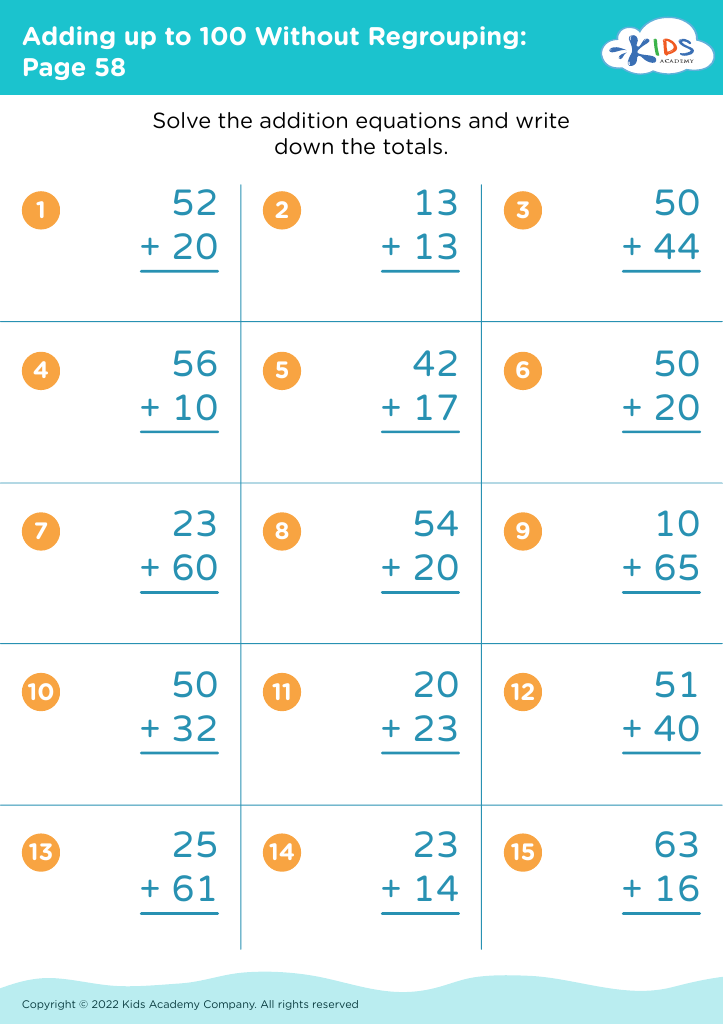
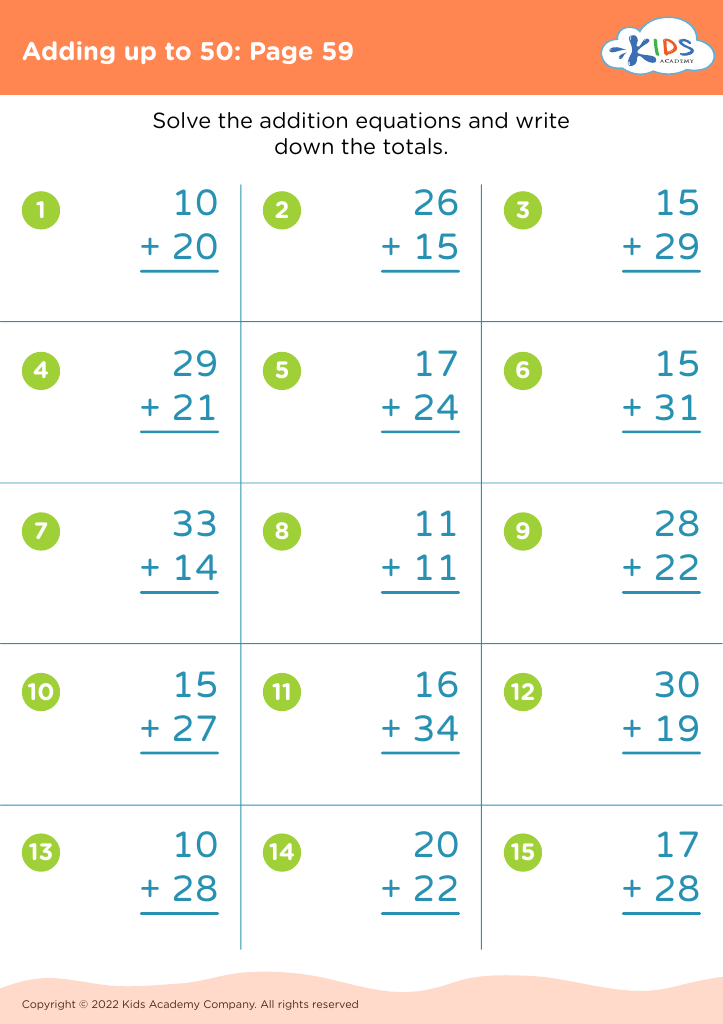
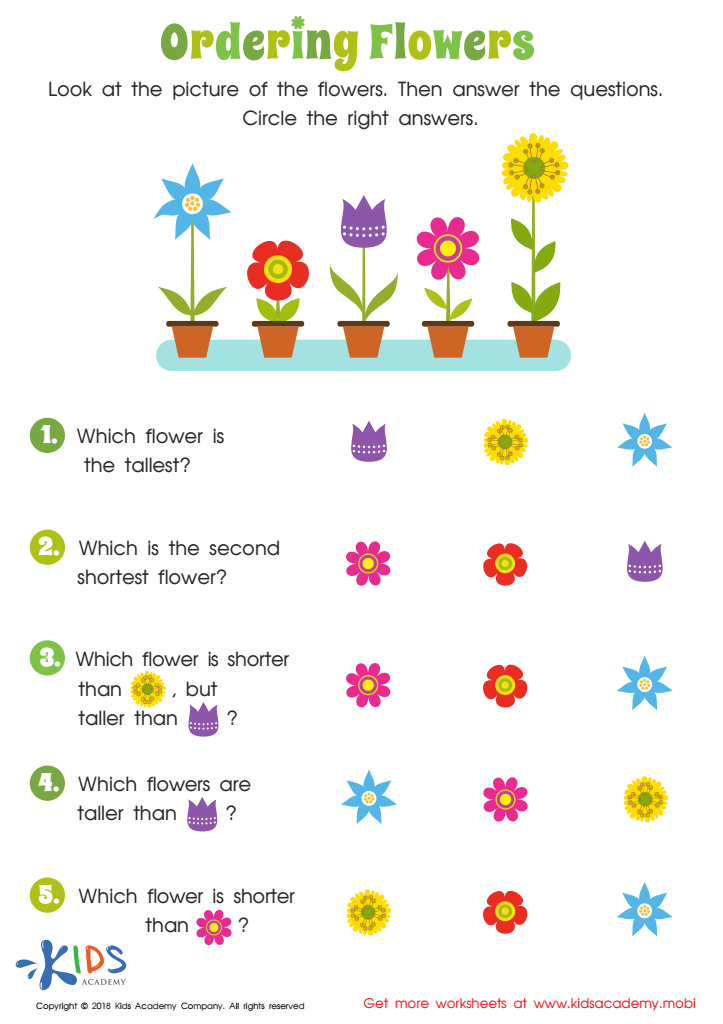
Ordering Flowers Worksheet
 Assign to My Students
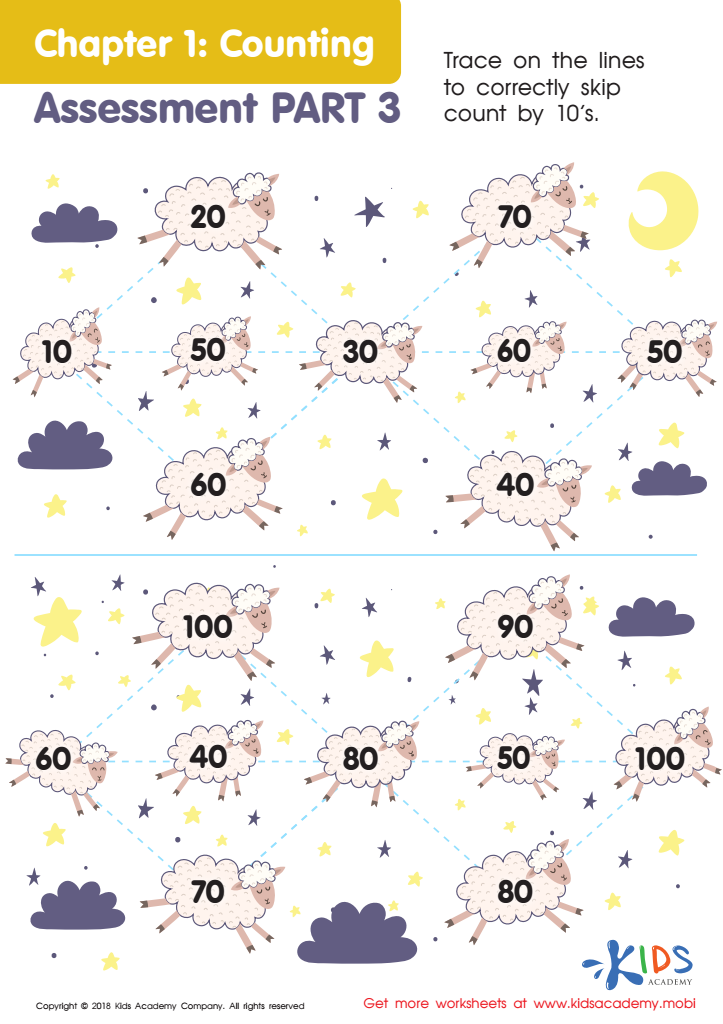
Counting: Assessment 3 Worksheet
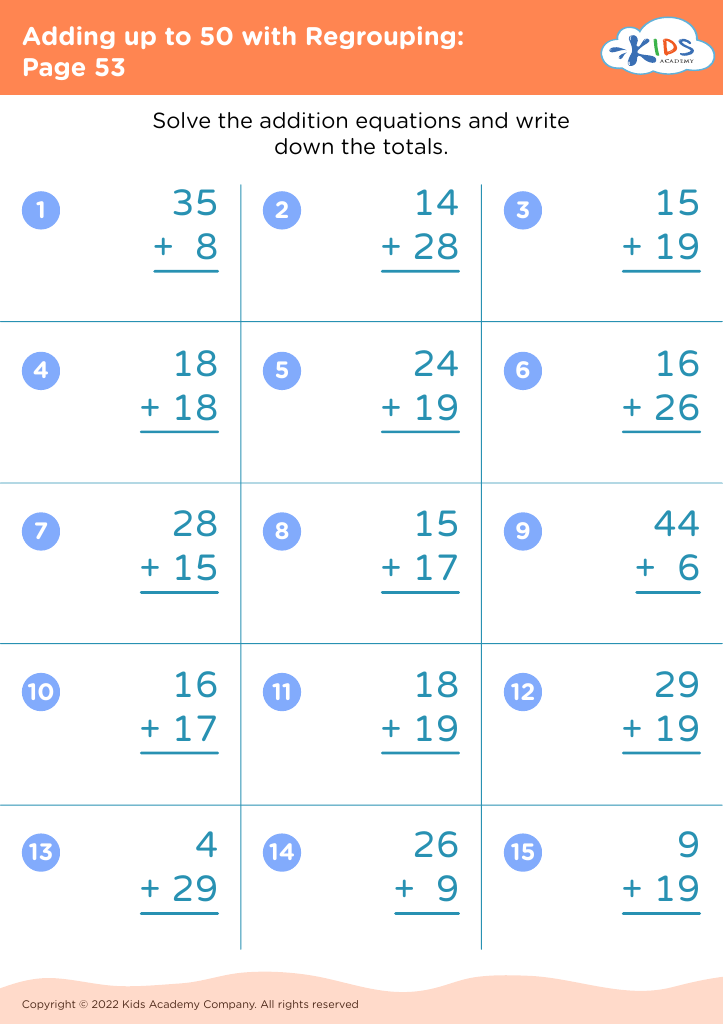
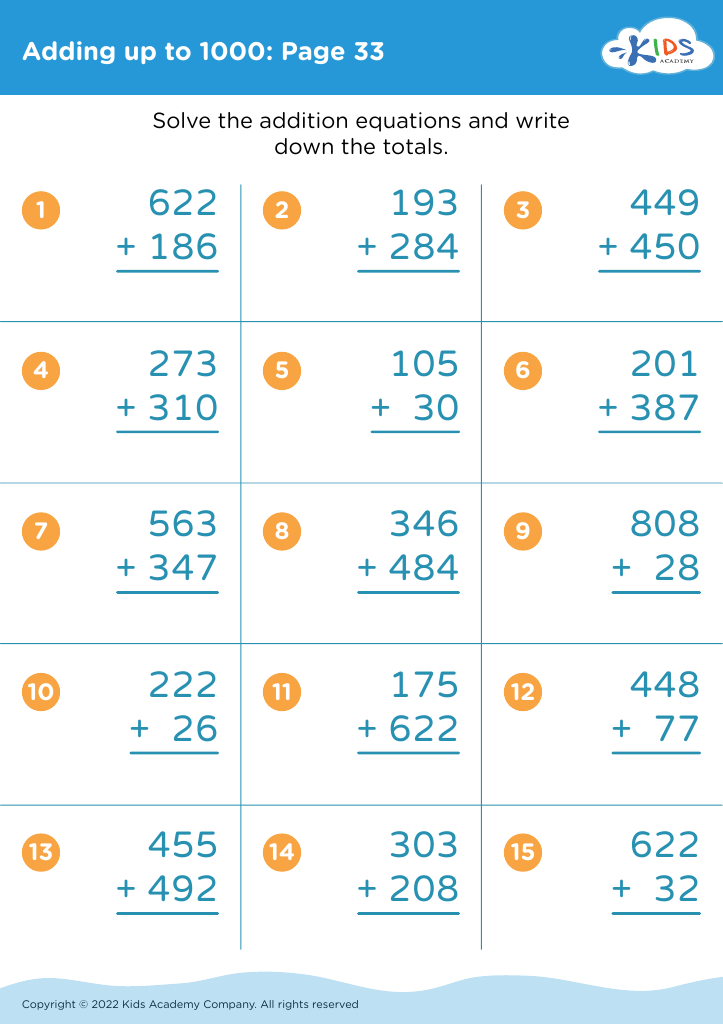








Understanding sequences in math is fundamental for young learners, ages 3-8, as it lays the groundwork for future mathematical concepts and critical thinking skills. Sequences involve recognizing patterns, which is essential for developing problem-solving abilities, logical thinking, and cognitive skills. When parents and teachers prioritize this understanding, they actively support children in making connections between numbers, shapes, and everyday experiences.
By grasping sequences, children learn to predict outcomes and comprehend operations like addition and subtraction within a structured framework. This foundational skill also aids in recognizing number patterns, leading to a smoother transition into more complex math topics, such as multiplication and division, later in their education.
Moreover, grasping sequences can enhance literacy skills, as recognizing patterns contributes to reading development—often seen in rhymes and storytelling structures, further promoting vocabulary and comprehension skills.
Encouraging children to explore sequences through play-based activities, games, and hands-on experiences fosters a love for math and helps them draw connections between various subjects. Ultimately, an early focus on understanding sequences cultivates confident, capable learners who are better prepared for academic success and lifelong learning.








