Mathematical reasoning Measurement Worksheets for Ages 3-8
4 filtered results
-
From - To
Explore our engaging Mathematical Reasoning Measurement Worksheets designed for children aged 3-8! These worksheets are crafted to enhance young learners’ understanding of measurement concepts through fun and interactive activities. From comparing lengths and weights to understanding volume, our engaging exercises guide students in developing essential mathematical reasoning skills. Perfect for both classroom and home use, each worksheet aims to simplify complex ideas, encouraging critical thinking and problem-solving. Support your child’s educational journey while making learning exciting! Download our comprehensive collection today and inspire your child's confidence and proficiency in measurement and math!
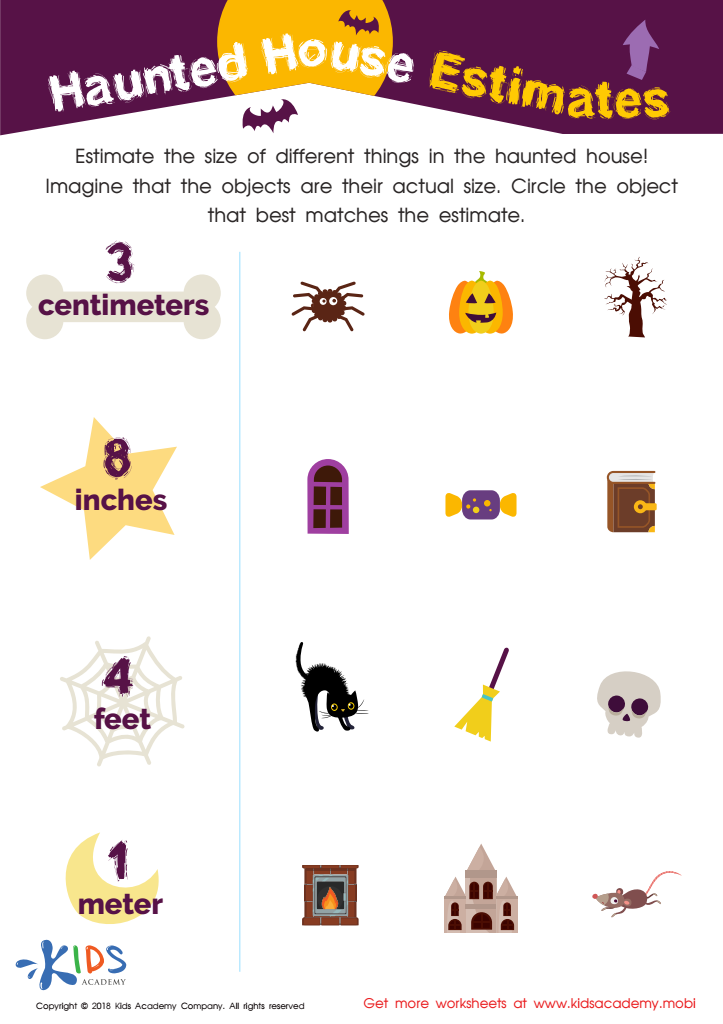
Haunted House Estimates Worksheet
 Assign to My Students
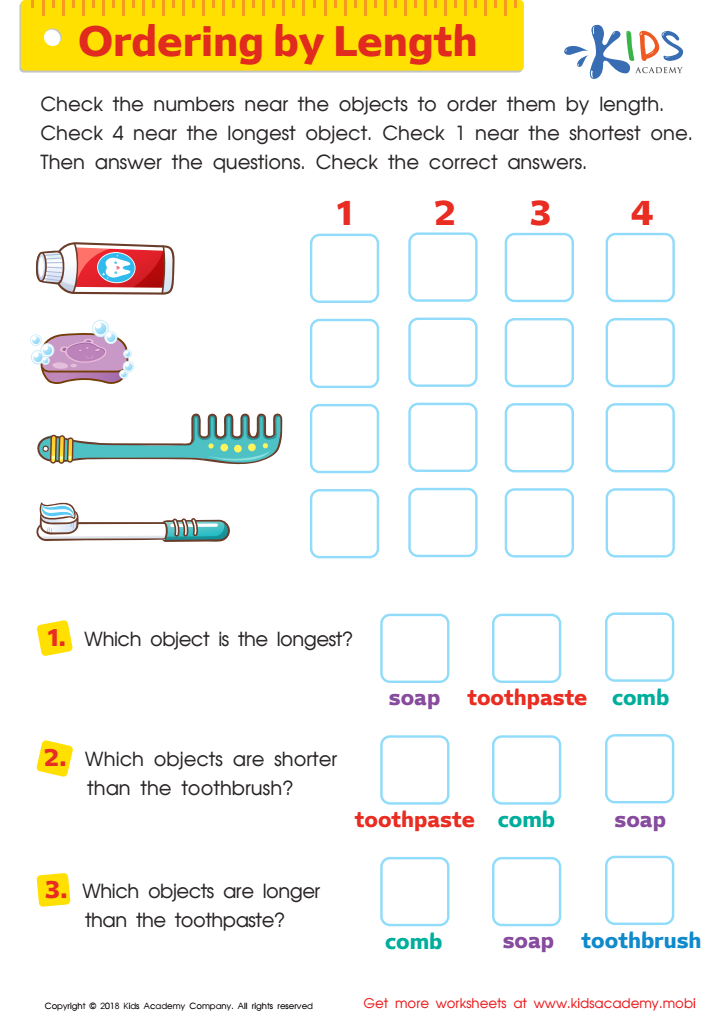
Ordering by Length Worksheet
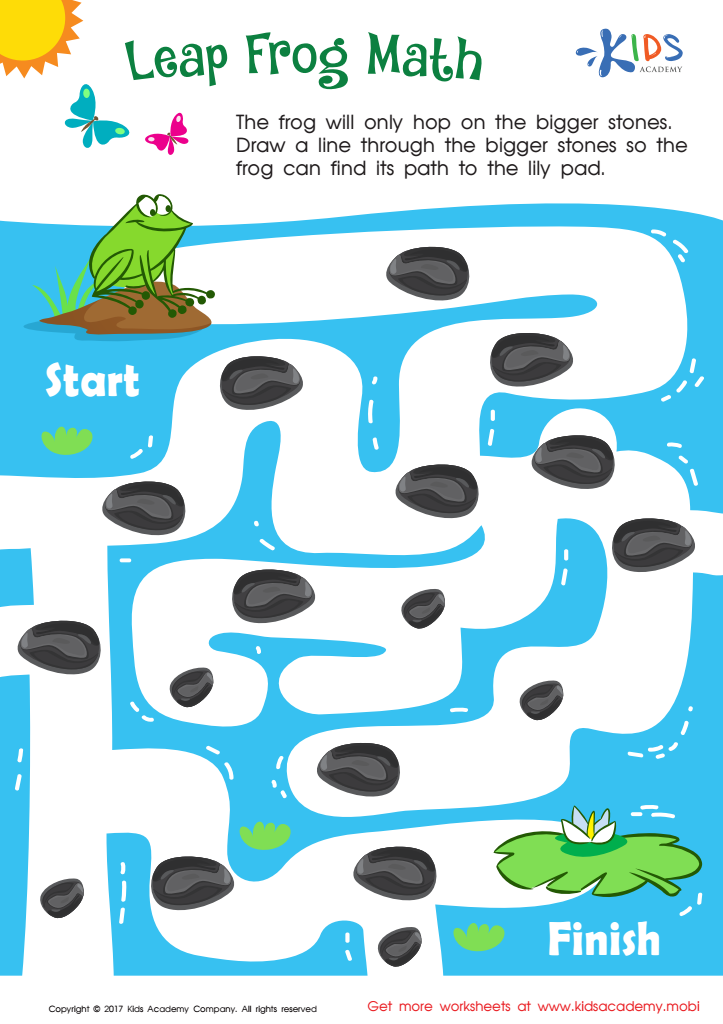
Math Puzzle Worksheet
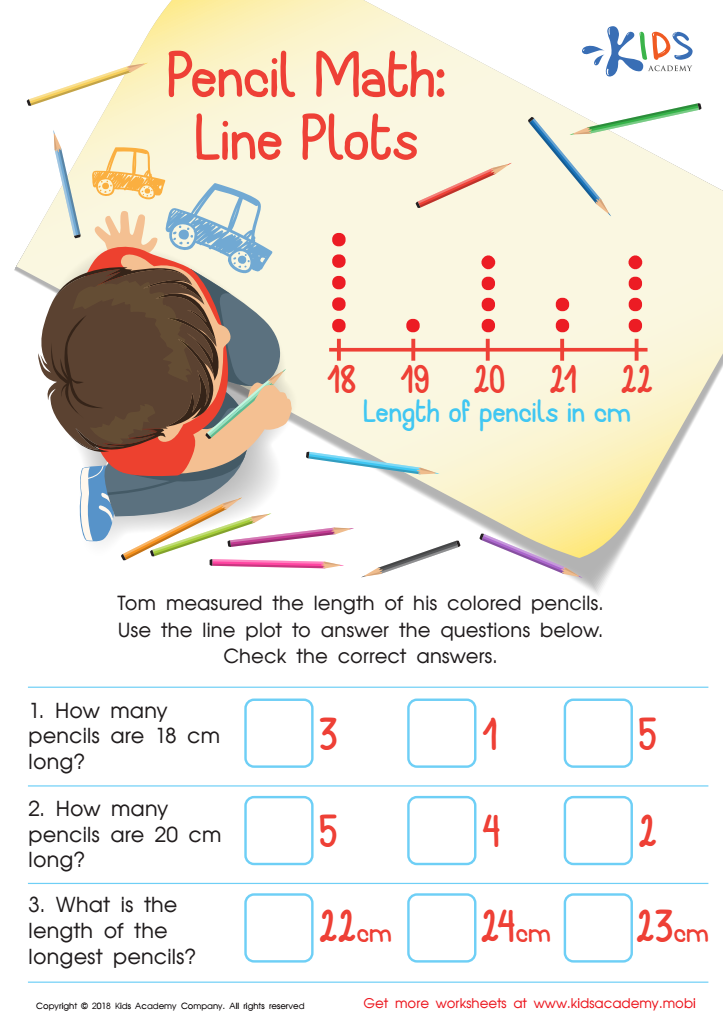
Pencil Math: Line Plots Worksheet








Mathematical reasoning in measurement is crucial for children aged 3-8, as it lays the foundation for future learning and helps cultivate critical thinking skills. During these formative years, children are naturally curious about the world around them, often engaging in exploration through play. By incorporating measurement concepts into everyday activities, parents and teachers can enhance this curiosity, making learning both fun and meaningful.
Understanding measurement encompasses not only the ability to determine length, weight, and volume but also promotes comparing, contrasting, and estimating—core elements of mathematical reasoning. This process fosters problem-solving skills, resilience, and confidence, enabling children to tackle challenges both inside and outside the classroom. Furthermore, proficiency in measurement creates connections between mathematics and real-world contexts, reinforcing the relevance of what they learn.
Parents and teachers who prioritize this area of mathematical reasoning empower children to develop a strong numeracy foundation. Early proficiency in measurement can lead to better performance in higher-level mathematics, paving the way for successful educational experiences. Ultimately, fostering mathematical reasoning in measurement during these critical years equips children with essential skills that transcend beyond mathematics, shaping them into analytical thinkers and informed decision-makers in other areas of life.








