Color recognition Numbers 0–10 Worksheets for Ages 3-8
9 filtered results
-
From - To
Enhance your child's math and color recognition skills with our engaging "Color Recognition Numbers 0–10 Worksheets" designed for ages 3-8. Our fun and educational worksheets combine vibrant, interactive coloring activities with fundamental number practice. These activities help young learners associate numbers with colors, fostering early math confidence and artistic expression. Perfect for home or classroom use, these worksheets support cognitive development and fine motor skills. With a variety of challenges tailored to different ages and skill levels, our comprehensive resources make learning numbers exciting for your preschool or early elementary student. Explore and download today to jumpstart playful learning!
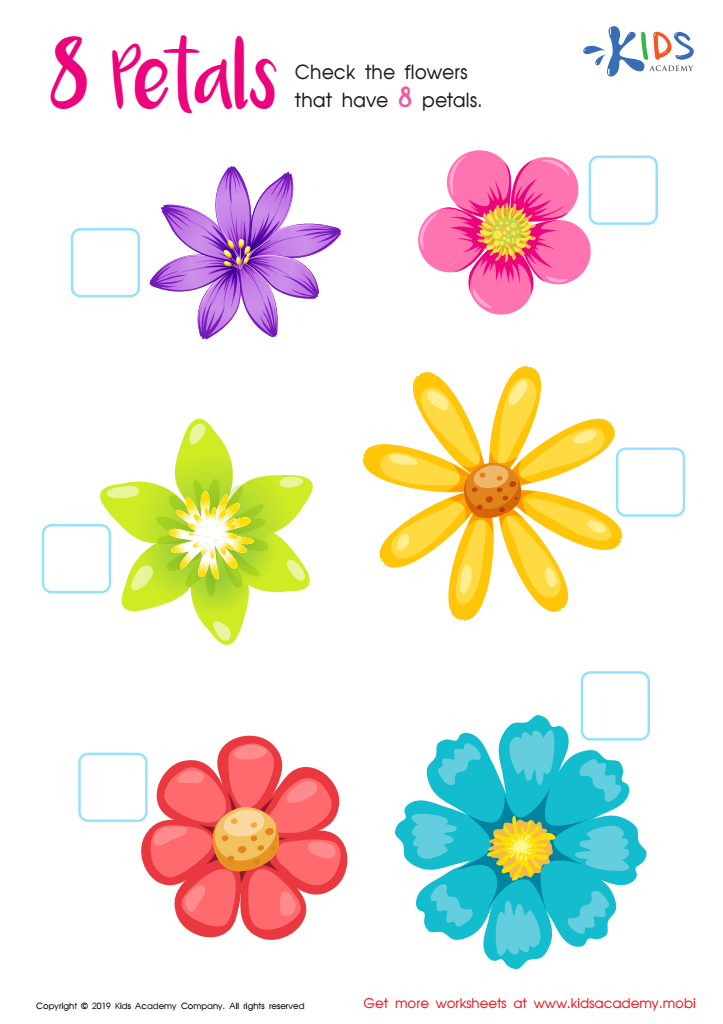
8 Petals Worksheet
 Assign to My Students
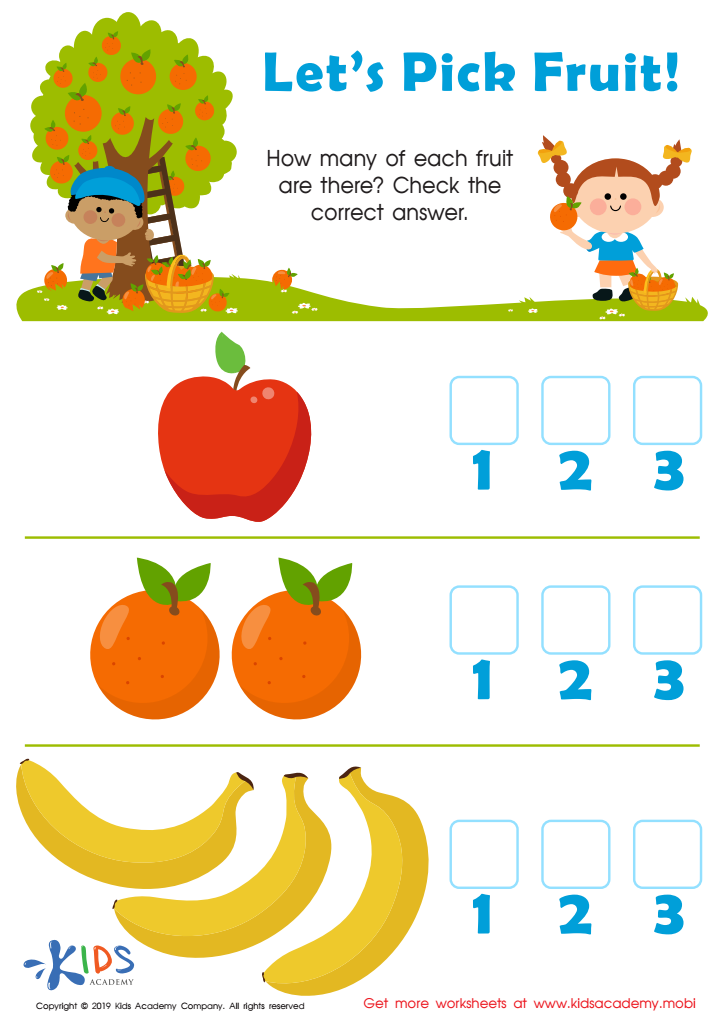
Let's Pick Fruit Worksheet
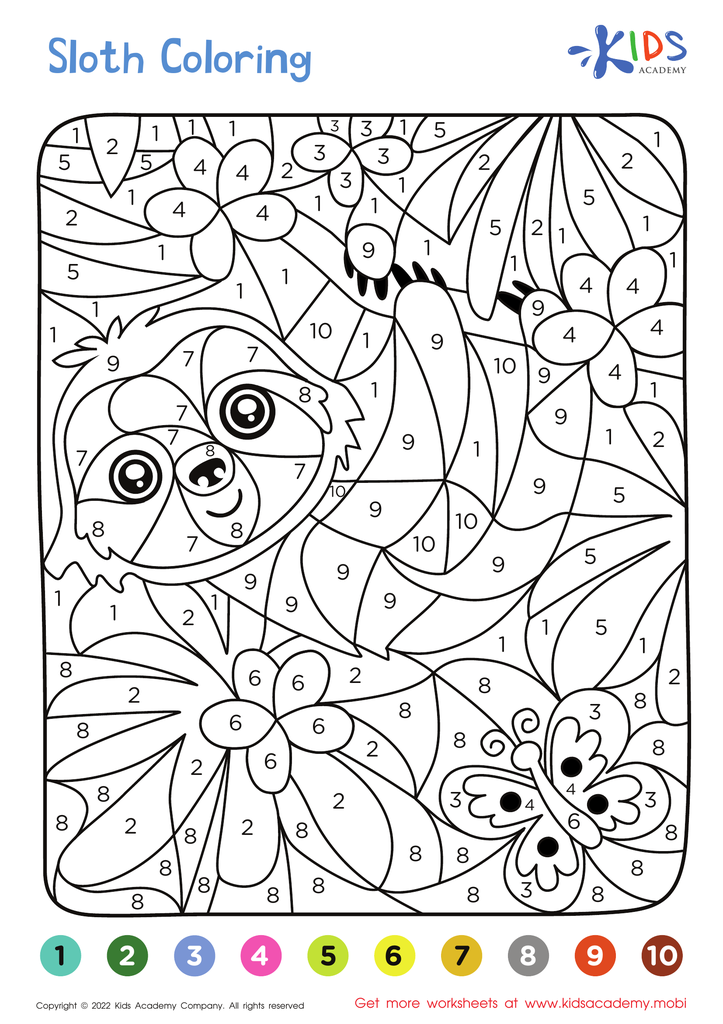
Sloth – Coloring by Numbers
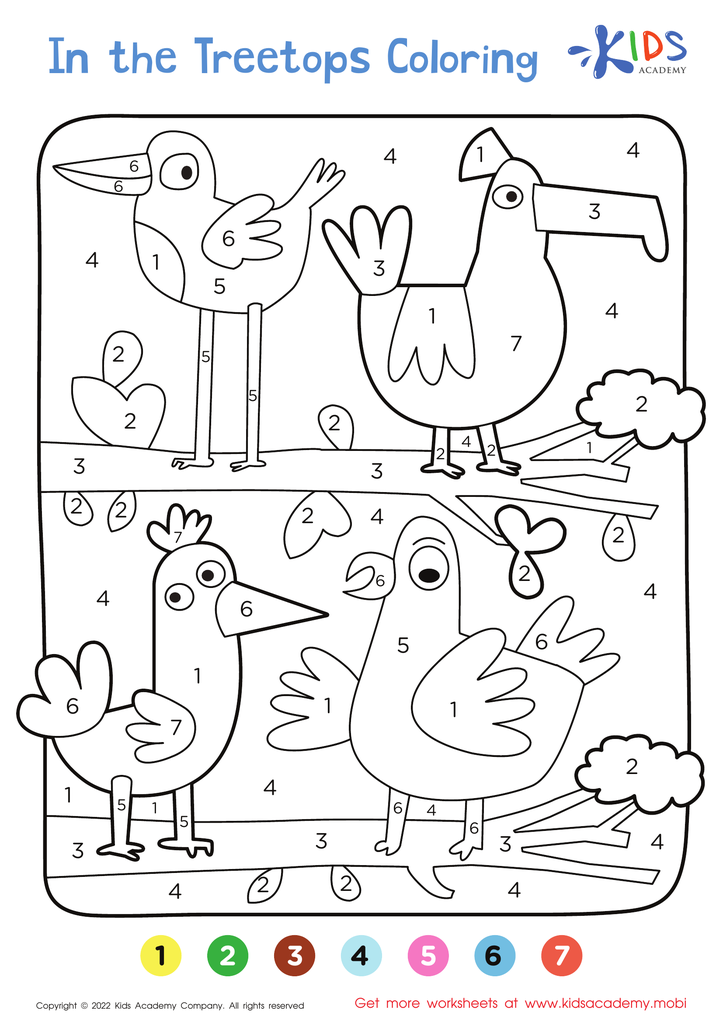
In the Treetops – Coloring Page
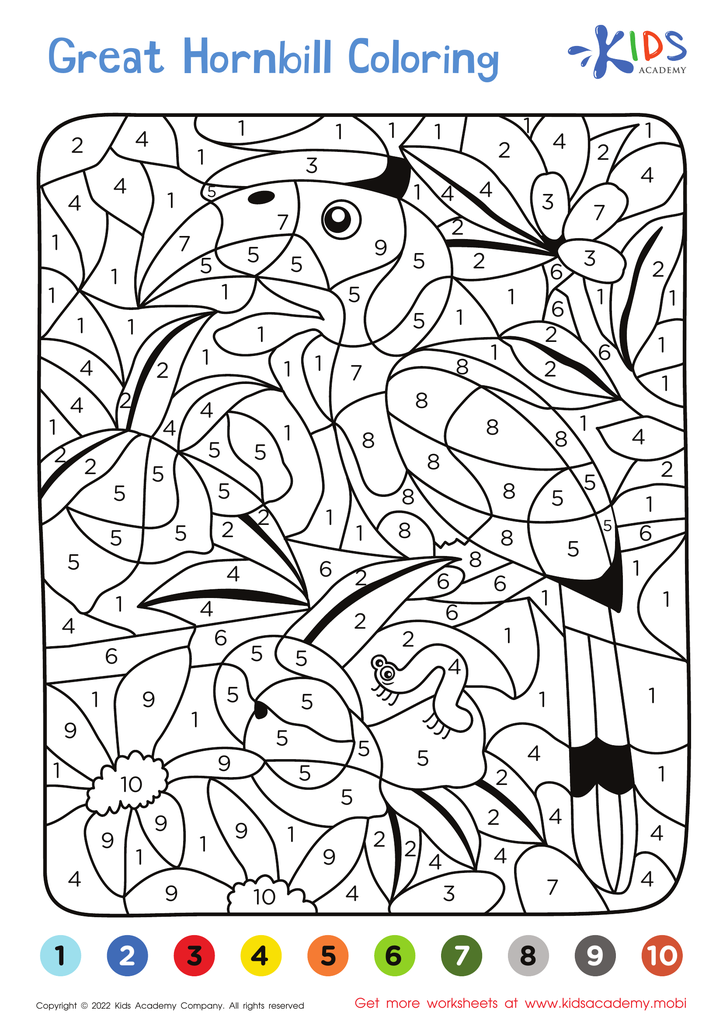
Great Hornbill – Coloring by Numbers
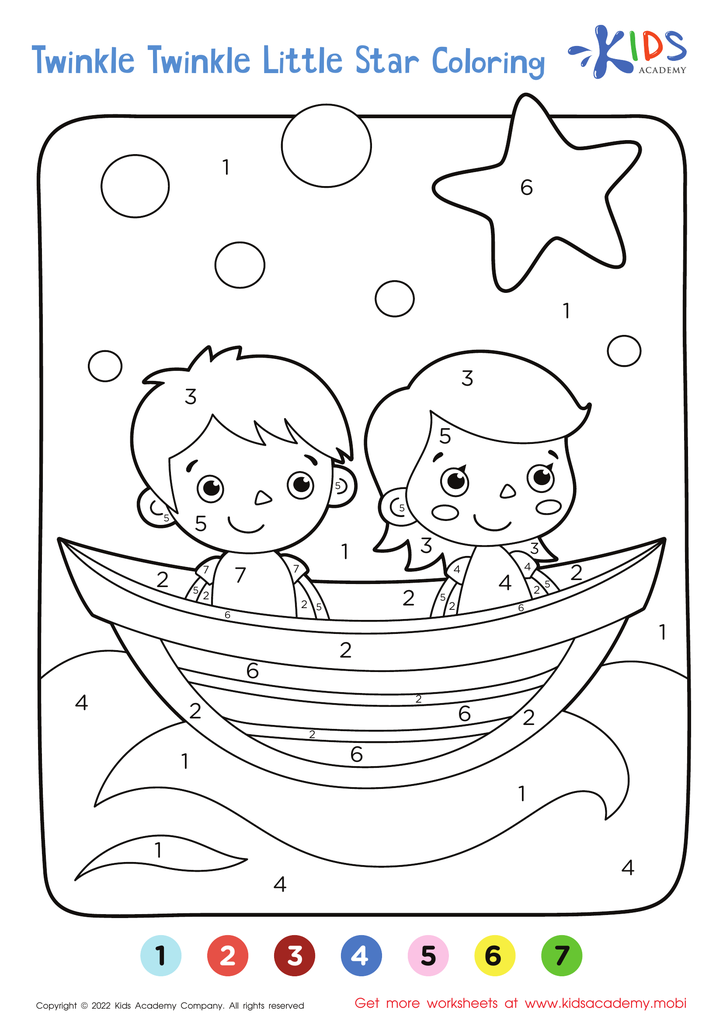
Twinkle, Twinkle, Little Star – Coloring by Numbers
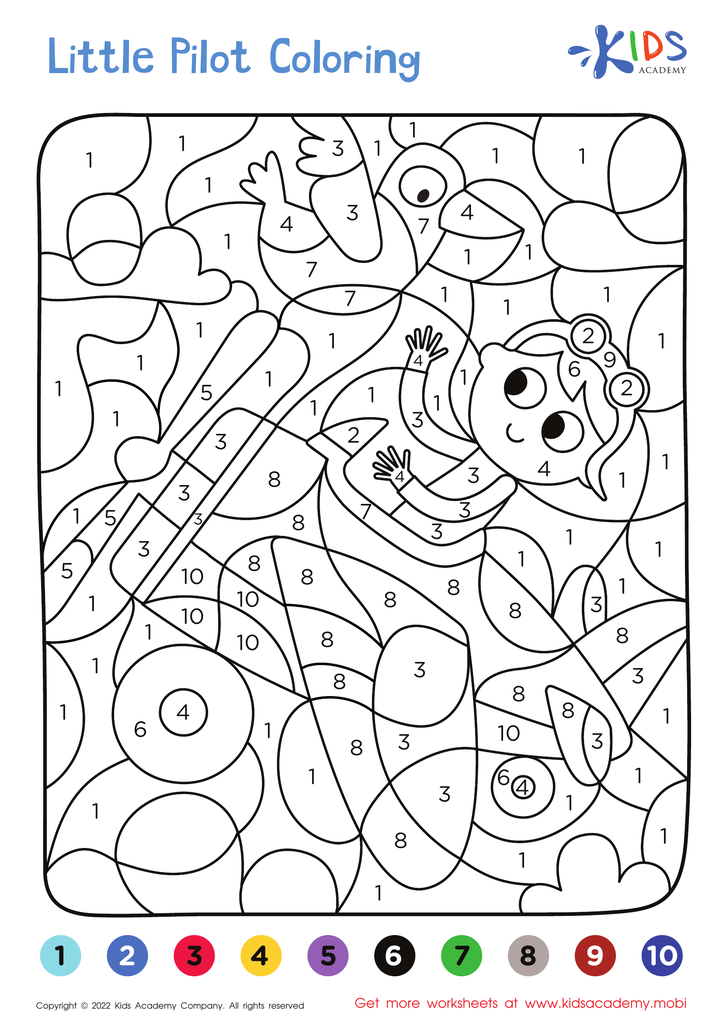
Little Pilot – Coloring by Numbers
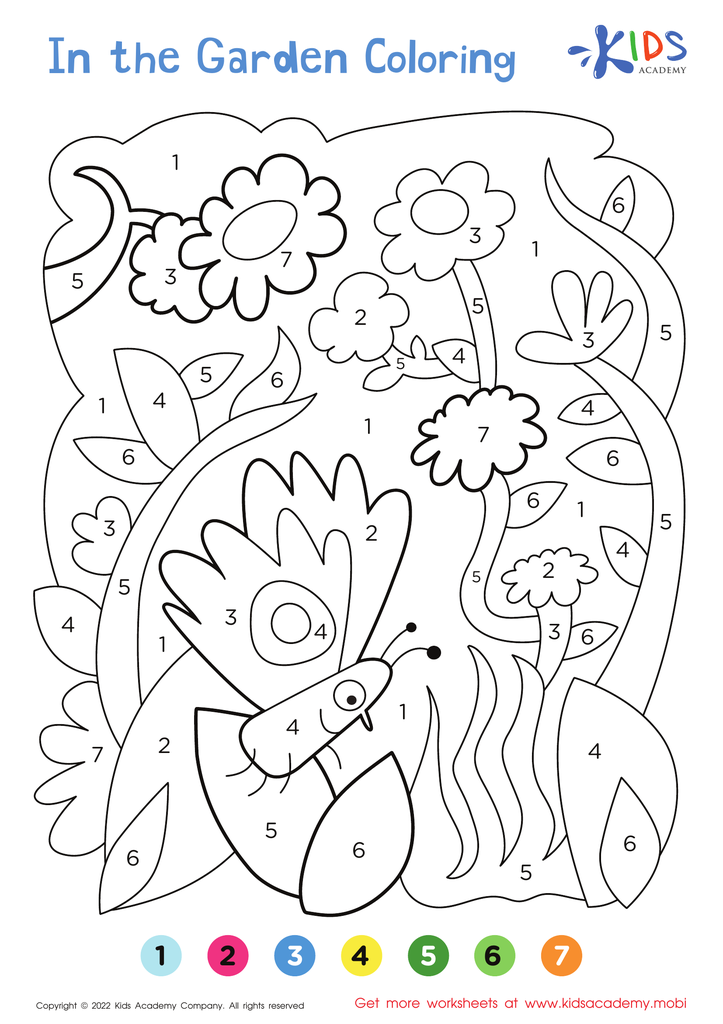
In the Garden – Coloring by Numbers
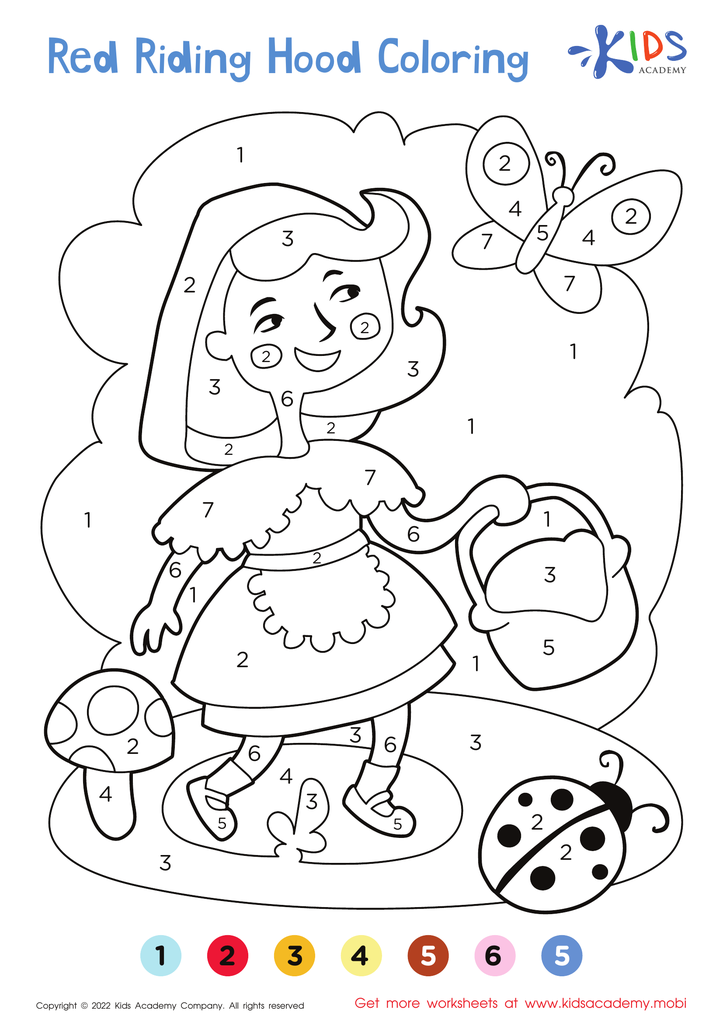
Little Red Riding Hood – Coloring by Numbers








Color recognition and numeral knowledge are foundational skills in early childhood education, significantly impacting children's cognitive development and academic success. For ages 3-8, learning to recognize and understand colors and numbers 0-10 forms a critical part of their cognitive toolkit.
Recognizing colors enhances visual discrimination, which is essential in categorizing and interpreting the world. It aids memory development, as associating colors with objects or numbers helps children remember and retrieve information efficiently. Colors also play a role in creative and expressive abilities, enabling children to describe their surroundings and articulate their experiences more vividly.
Understanding numbers 0-10 lays the groundwork for essential numeracy skills. Numeral recognition and counting to ten introduce children to basic arithmetic concepts such as addition, subtraction, and the sequencing of events. These skills are fundamental for more complex mathematical concepts they will encounter in later grades.
Combining color and number recognition in activities can make learning interactive and engaging, which motivates children and enhances retention. For example, sorting colored objects by number groups encourages both counting and color differentiation simultaneously. Hence, grasping these basic yet vital skills supports broader learning goals, fostering a well-rounded and solid foundation for future academic endeavors. Parents and teachers, therefore, should encourage and nurture these capabilities in young learners.