Understanding patterns Numbers 0–10 Worksheets for Ages 3-8
3 filtered results
-
From - To
Unlock the magic of numbers with our "Understanding Patterns Numbers 0–10 Worksheets for Ages 3-8!" These engaging, fun-filled worksheets are designed to help young learners identify, complete, and create number patterns, fostering critical thinking and foundational math skills. Perfect for children aged 3-8, our worksheets offer vibrant visuals and easy-to-follow activities, turning learning into an enjoyable adventure. Watch as your child enhances their counting, sequencing, and pattern recognition abilities. Ideal for homeschoolers, teachers, and parents, these worksheets provide the tools needed for successful early math education. Discover seamless ways to build your child's numerical confidence today!
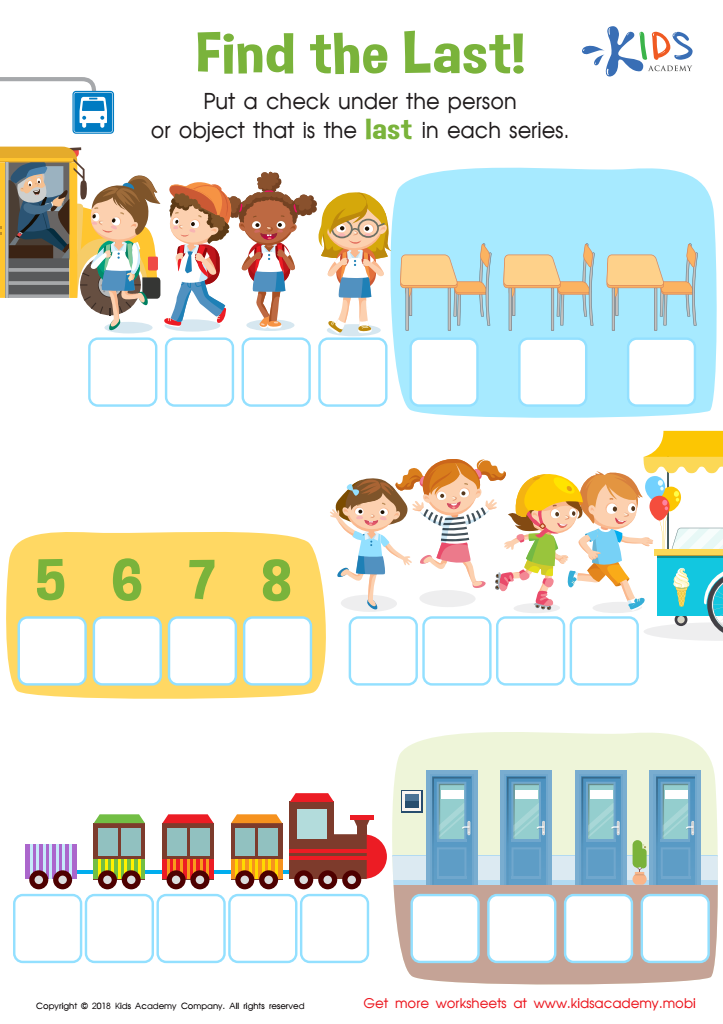
Find the Last! Worksheet
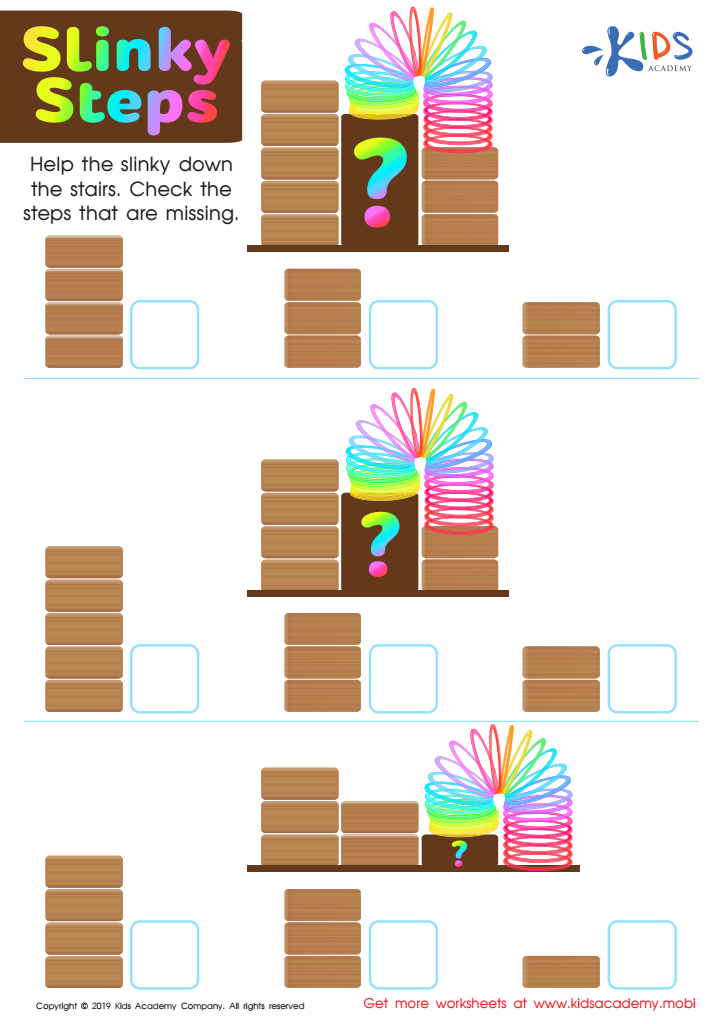
Slinky Steps Worksheet
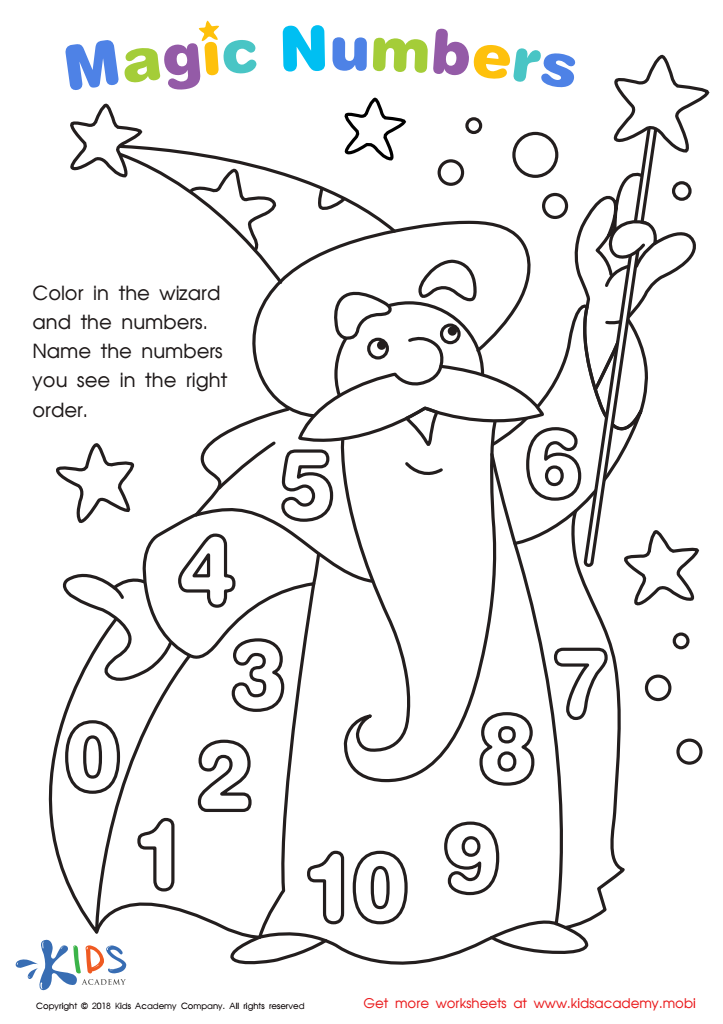
Magic Numbers Worksheet
 Assign to My Students








Understanding patterns with numbers 0–10 is essential for children ages 3-8 as it lays the foundational skills necessary for advanced mathematical concepts. Early comprehension of number patterns helps children recognize relationships and predict sequences, which are critical skills for problem-solving and logical thinking.
When parents and teachers introduce young children to numerical patterns, they promote cognitive development and enhance memory capabilities. For instance, patterns like counting by twos or understanding odd and even numbers prepare children to grasp arithmetic operations such as addition and subtraction with greater ease.
Moreover, exposure to patterns at an early age improves a child's ability to organize information systematically. This skill transcends mathematics and extends to everyday activities, improving overall learning abilities in subjects like reading and science. Recognizing patterns also fosters a sense of confidence and accomplishment, which can build a positive attitude towards learning.
Integrating numerical patterns into playful and engaging activities can make learning fun and enjoyable, reinforcing the concept that learning math can be exciting. Therefore, placing emphasis on understanding patterns involving numbers 0–10 for young children sets a sturdy groundwork for their future educational journey and everyday life problem-solving skills, making it a critical focus for both parents and teachers.








