Understanding Quantities Numbers 0–10 Worksheets for Ages 3-8
3 filtered results
-
From - To
Explore our "Understanding Quantities Numbers 0–10" worksheets, designed specifically for children aged 3 to 8. These engaging and interactive activities support early numeracy skills by helping young learners grasp the concept of quantities through hands-on practice. Our worksheets encourage counting, comparing, and identifying numbers in a fun and accessible way, allowing students to develop a solid foundation in mathematics. With vibrant illustrations and playful scenarios, kids will find joy in learning while mastering numbers 0–10. Perfect for home practice or classroom use, these resources foster confidence and a positive attitude towards math in young learners. Start nurturing a love for numbers today!
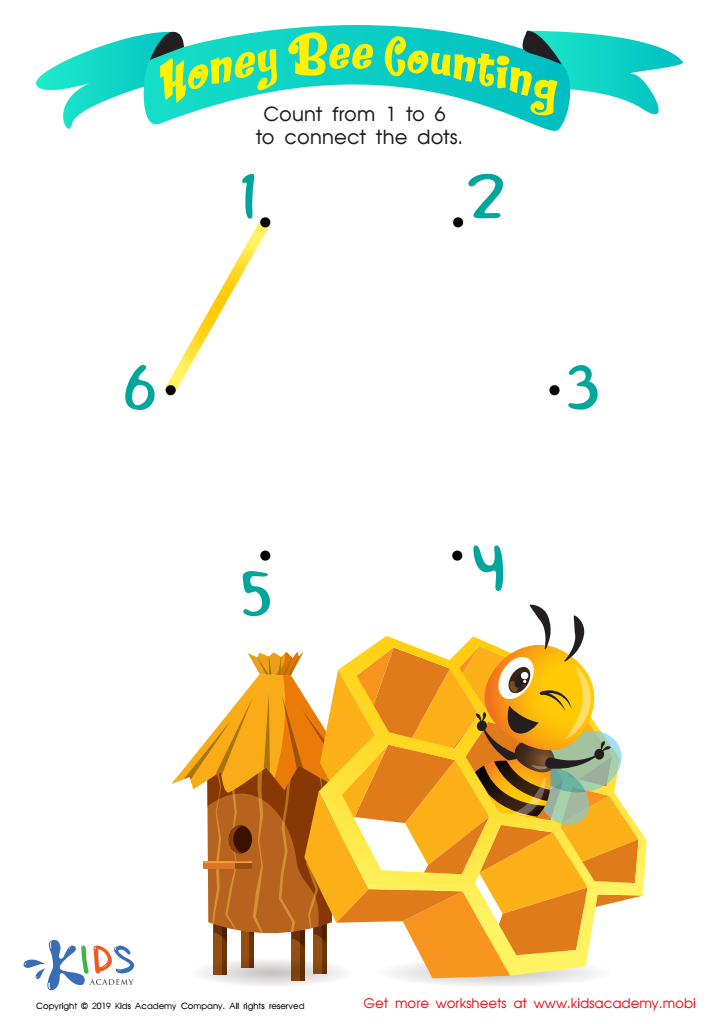
Honey Bee Counting Worksheet
 Assign to My Students
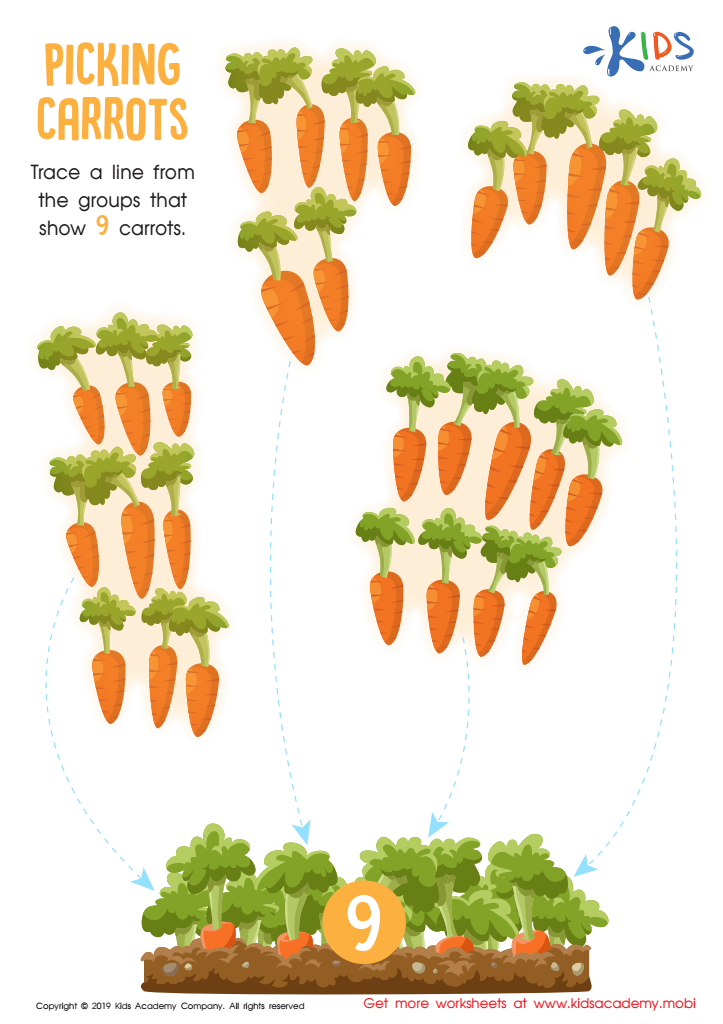
Picking Carrots Worksheet
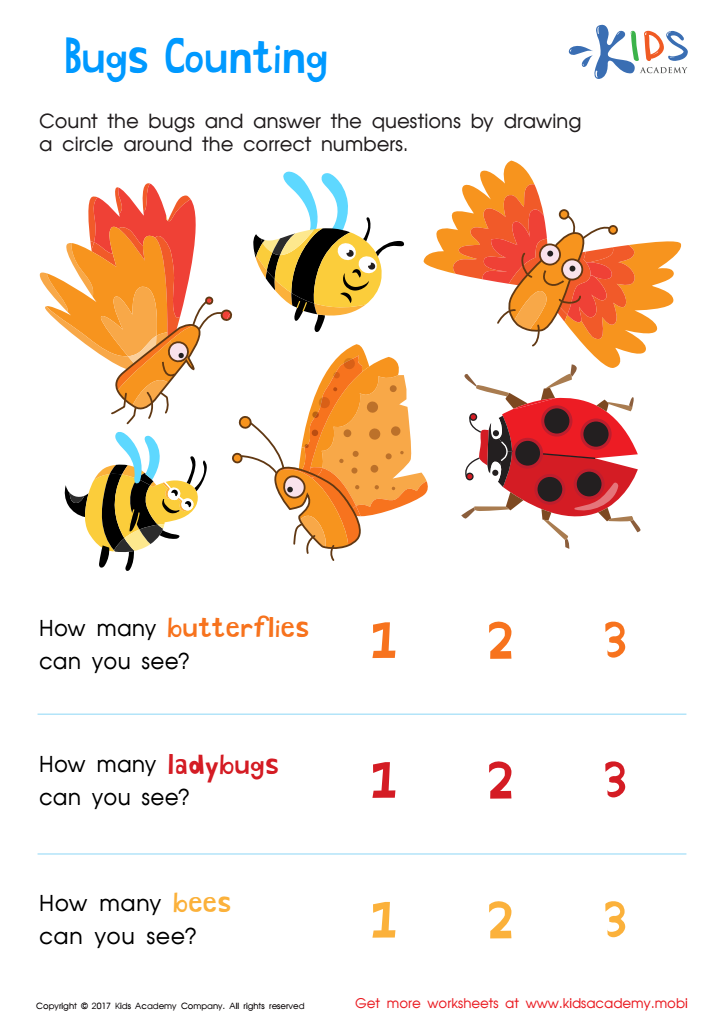
Bugs Counting Worksheet








Understanding quantities and numbers from 0-10 is crucial for children aged 3-8 as it lays the foundational skills for future math concepts and overall cognitive development. This age range is a critical period for brain development, where children are naturally curious and eager to learn. By focusing on numbers 0-10, parents and teachers can provide engaging, age-appropriate experiences that foster numerical literacy.
These early numbers help children understand basic mathematical concepts such as counting, addition, and subtraction, which are essential for more complex problem-solving in later years. Mastering numbers within this range also aids in developing their reasoning and critical thinking skills, as they learn to compare quantities, recognize patterns, and engage in logical reasoning.
Moreover, early numeracy positively influences children's self-esteem and reduces math anxiety, making them more likely to embrace mathematics in their education. Engaging in activities that promote understanding of quantities also enhances fine motor skills and language development, as children often express their understanding verbally.
Ultimately, by prioritizing the understanding of numbers 0-10, parents and teachers are equipping children with vital skills that will not only aid academic success but also prepare them for real-life situations that require numerical reasoning.








