
Subtraction skills Place Value Worksheets for Ages 3-8
3 filtered results
Difficulty Level
Grade
Age
-
From - To
Subject
Activity
Standards
Enhance your child's understanding of subtraction and place value with our engaging worksheets designed for ages 3-8! These age-appropriate activities focus on building foundational skills through interactive and fun exercises. Our subtraction skills worksheets incorporate colorful visuals and dynamic exercises tailored to captivate young learners, helping them grasp essential math concepts effectively. Parents and educators will find a variety of resources that promote both independent learning and guided practice. Perfect for homework, classroom use, or homeschooling, these worksheets are crafted to foster confidence and proficiency in early math skills. Explore our collection and watch your child's math journey thrive!
Favorites
With answer key
Interactive
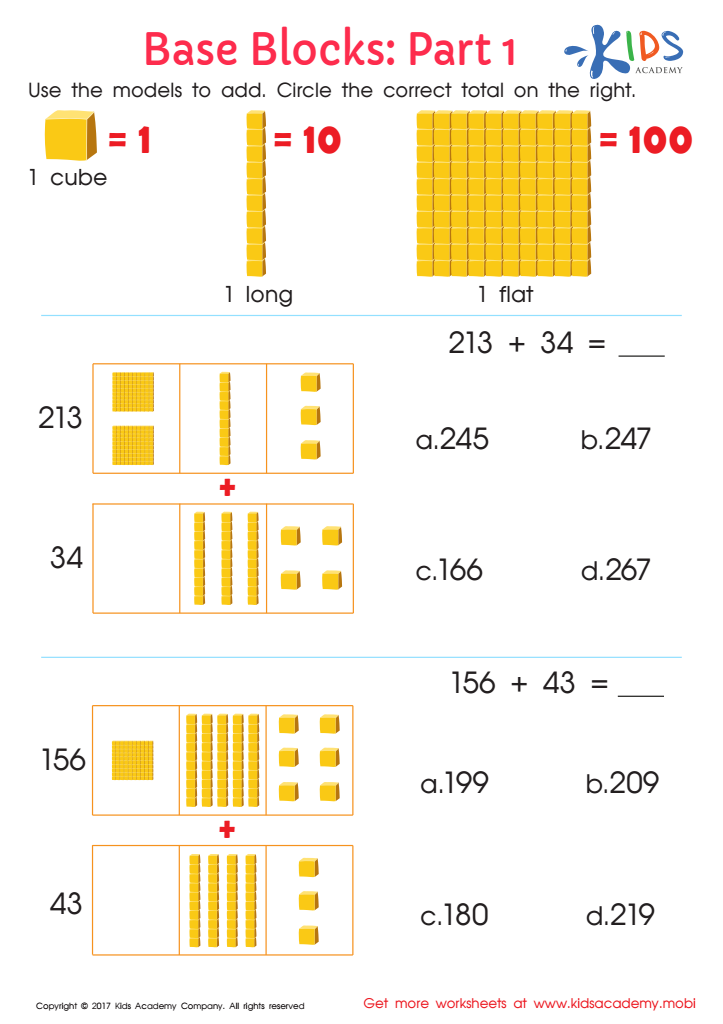
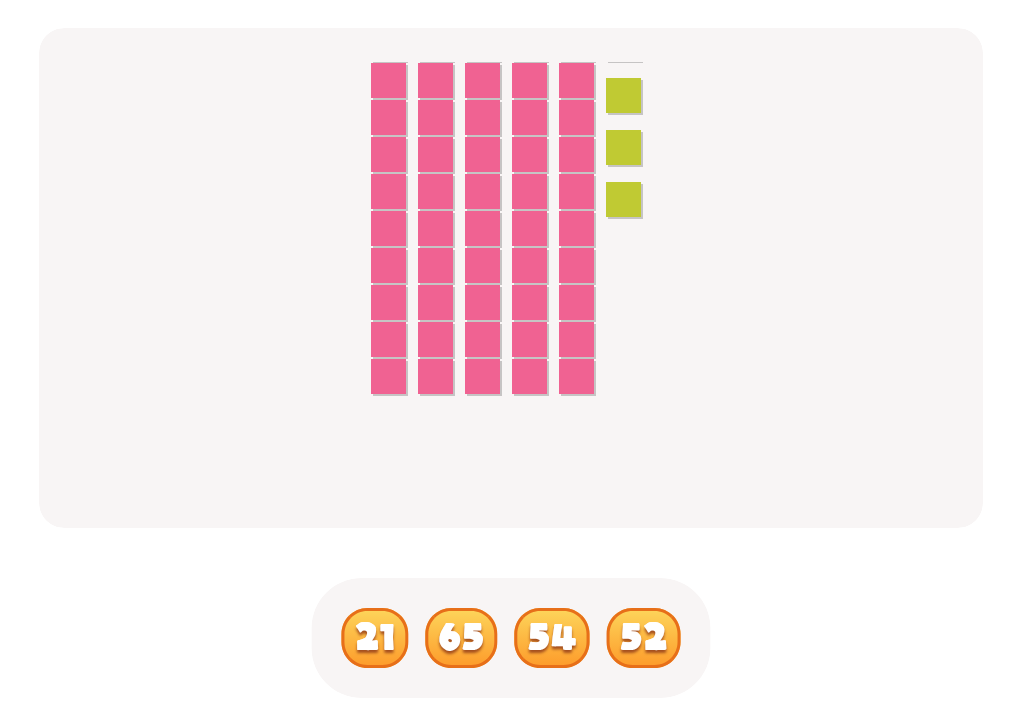
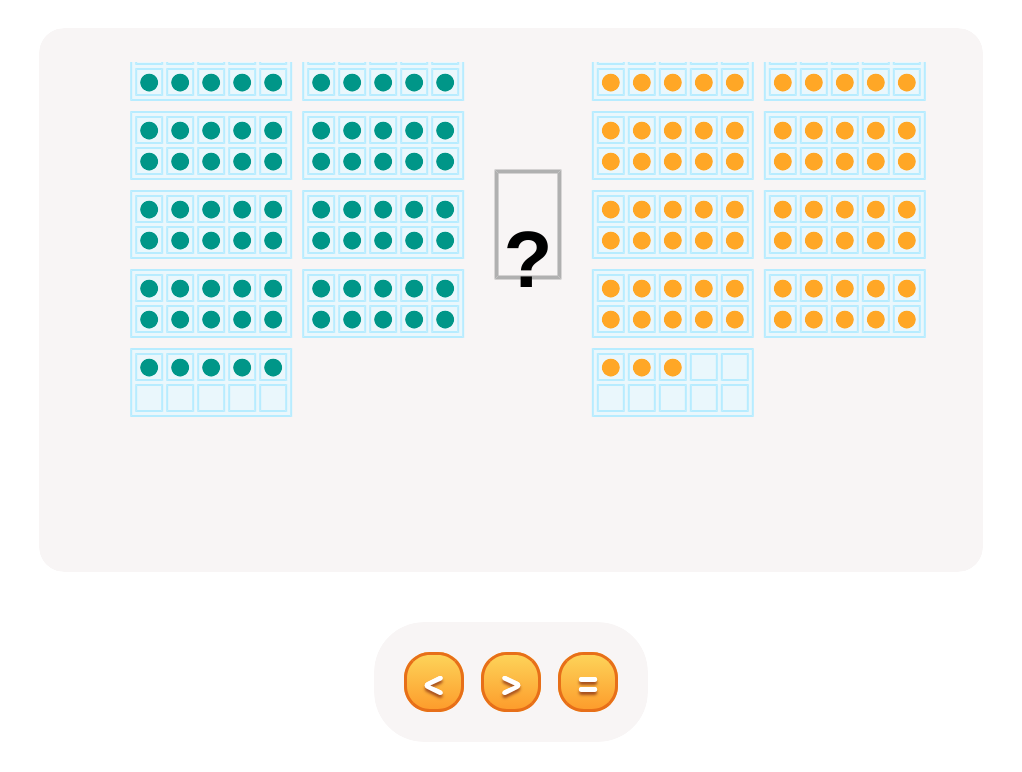
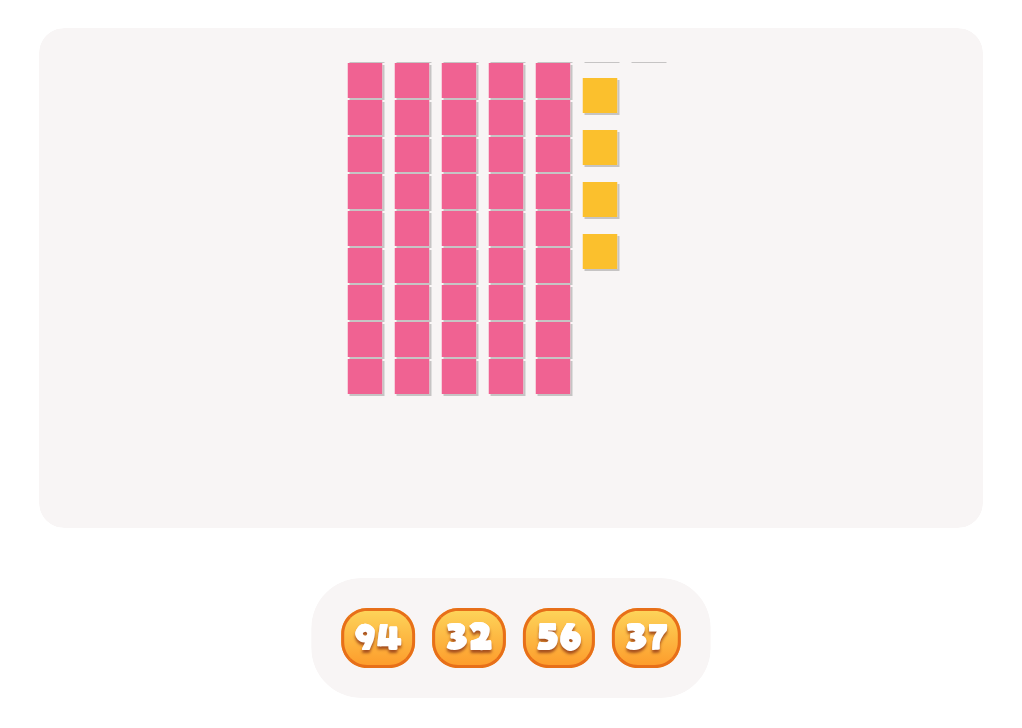
Base Ten Blocks Worksheet: Part 1
They promote numeracy and are a great substitute when kids don't have access to physical blocks.
 Assign to My Students
Base Ten Blocks Worksheet: Part 1
Worksheet
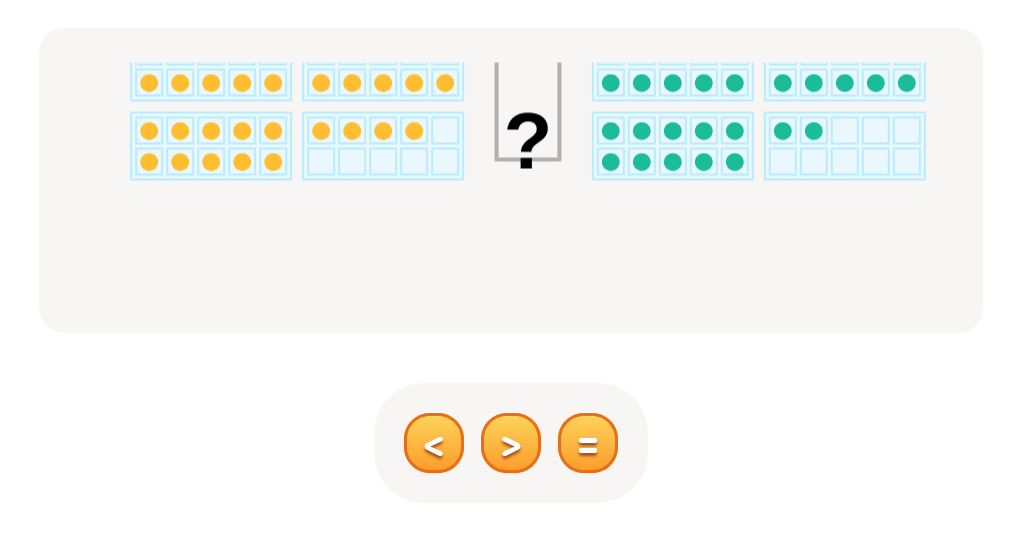

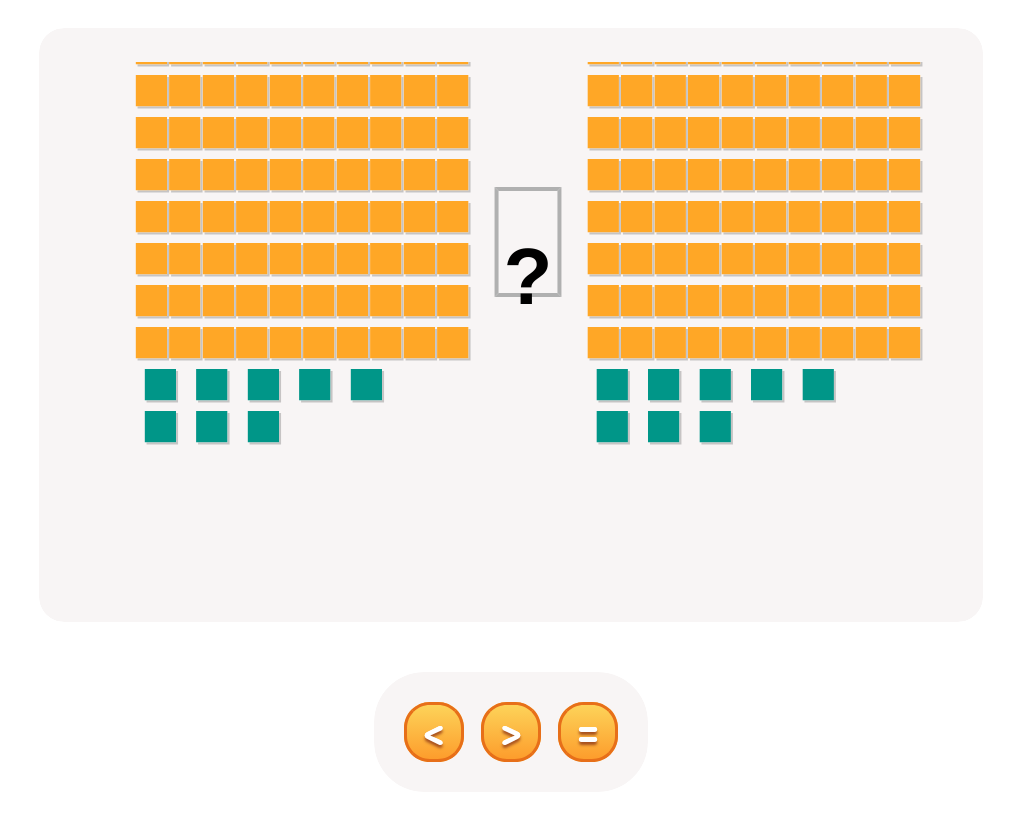
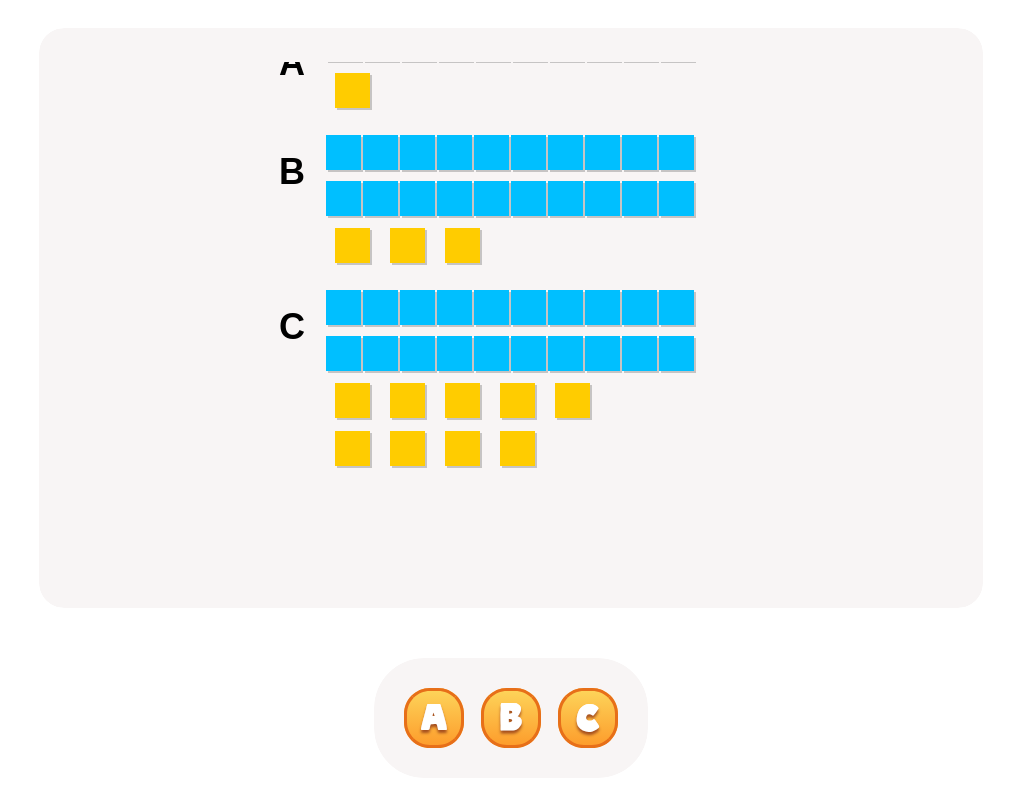
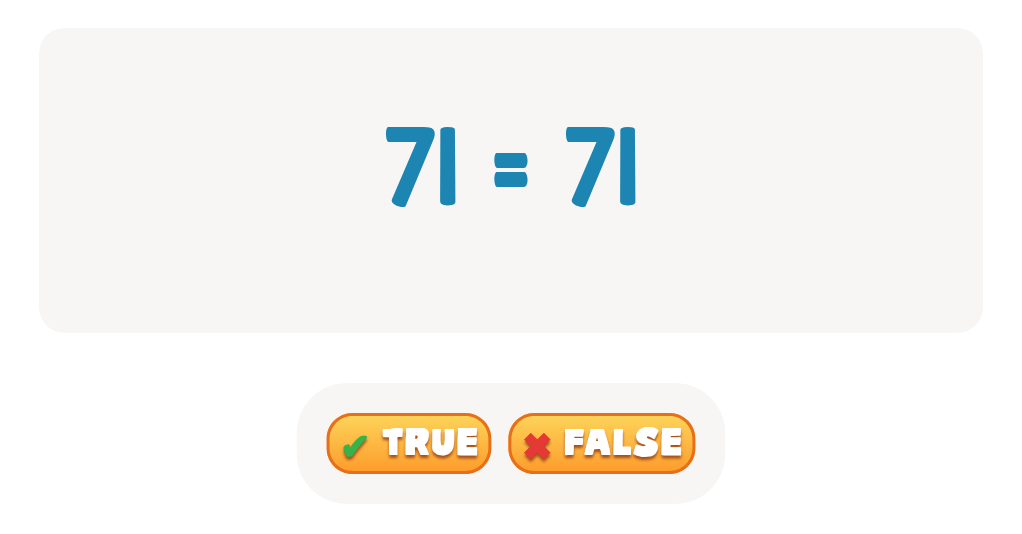
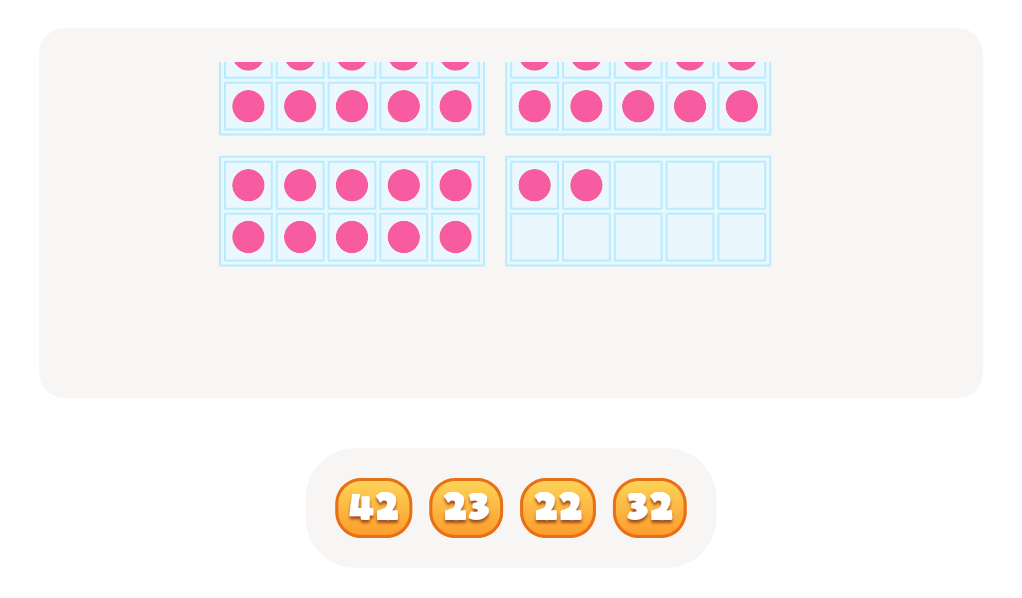
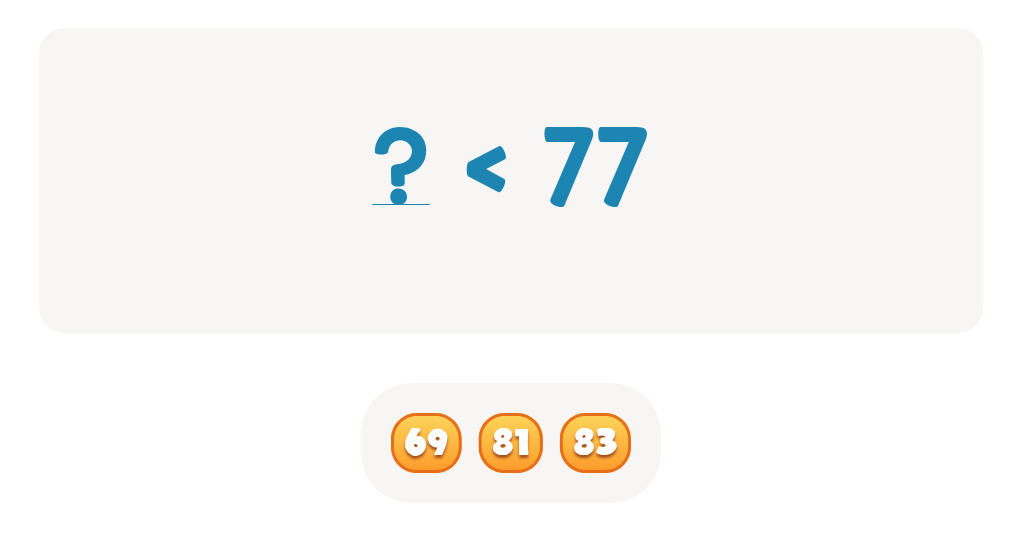
Addition and Subtraction Within 1000: Assessment 1 Worksheet
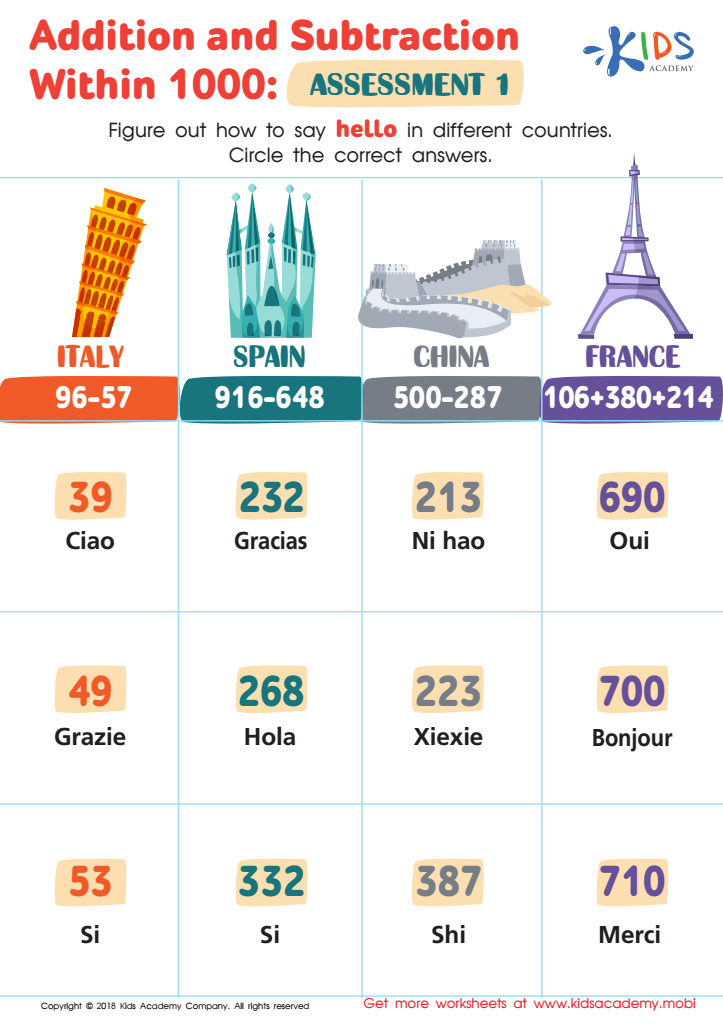
As your students grow, their knowledge and skills do too. Use this worksheet to test their adeptness in adding and subtracting numbers in the 1000s and introduce them to different ways to say hello. Let them circle the correct answers.
Addition and Subtraction Within 1000: Assessment 1 Worksheet
Worksheet
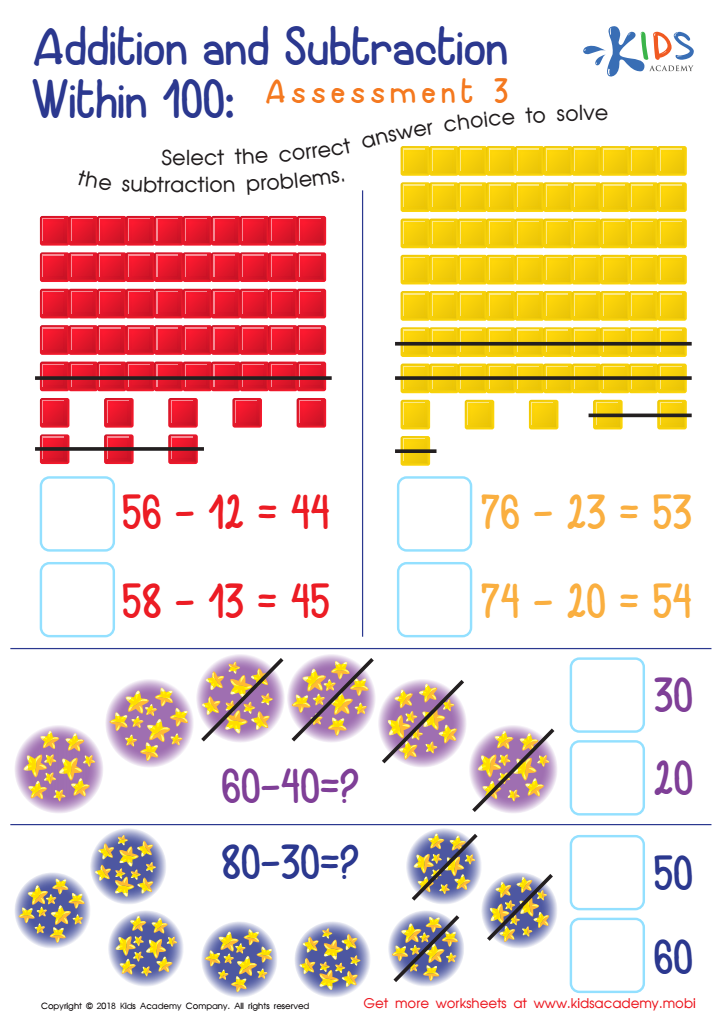
Addition and Subtraction Within 1: Assessment 3 Worksheet
Help your kids count the base ten blocks in the picture. Then, count how many have been marked off. Ask them to select the correct answer choice to solve the subtraction problems based on the blocks counted. 80 words
Addition and Subtraction Within 1: Assessment 3 Worksheet
Worksheet
Join Kids Academy for Free
Who is primarily going to use this learning content?








Parents and teachers should prioritize teaching subtraction skills and place value to children aged 3-8, as these foundational concepts are essential for mathematical development. Understanding subtraction fosters critical thinking and problem-solving abilities, allowing children to grasp the idea of "taking away" and promoting mental math skills. This helps them build a strong number sense and understand relationships between numbers, which is crucial as they advance in their educational journey.
Place value, on the other hand, lays the groundwork for a deeper comprehension of the base-ten number system, enabling children to understand how each digit in a number affects its overall value. This skill is vital for addition, subtraction, and more complex calculations in later grades. Proficiency in place value helps prevent misunderstandings in more advanced topics, such as regrouping in subtraction or comparing numbers.
Moreover, early mastery of these concepts builds confidence in mathematics, reducing anxiety and increasing a child's willingness to engage with numerical challenges. By nurturing subtraction and place value skills during the early years, caregivers and educators support lifelong mathematical understanding, paving the way for academic success and personal confidence in math-related endeavors. Ultimately, these skills empower children as they progress in their educational experiences.








