
Fraction Addition Building Vocabulary Worksheets for Ages 3-8
4 filtered results
Difficulty Level
Grade
Age
-
From - To
Subject
Activity
Standards
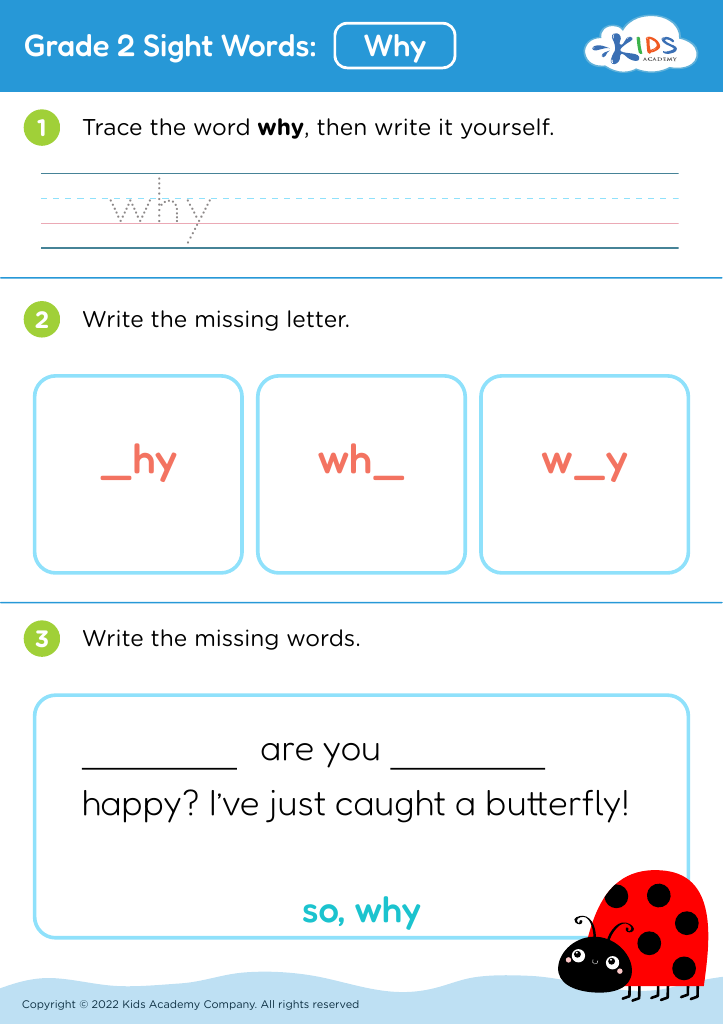
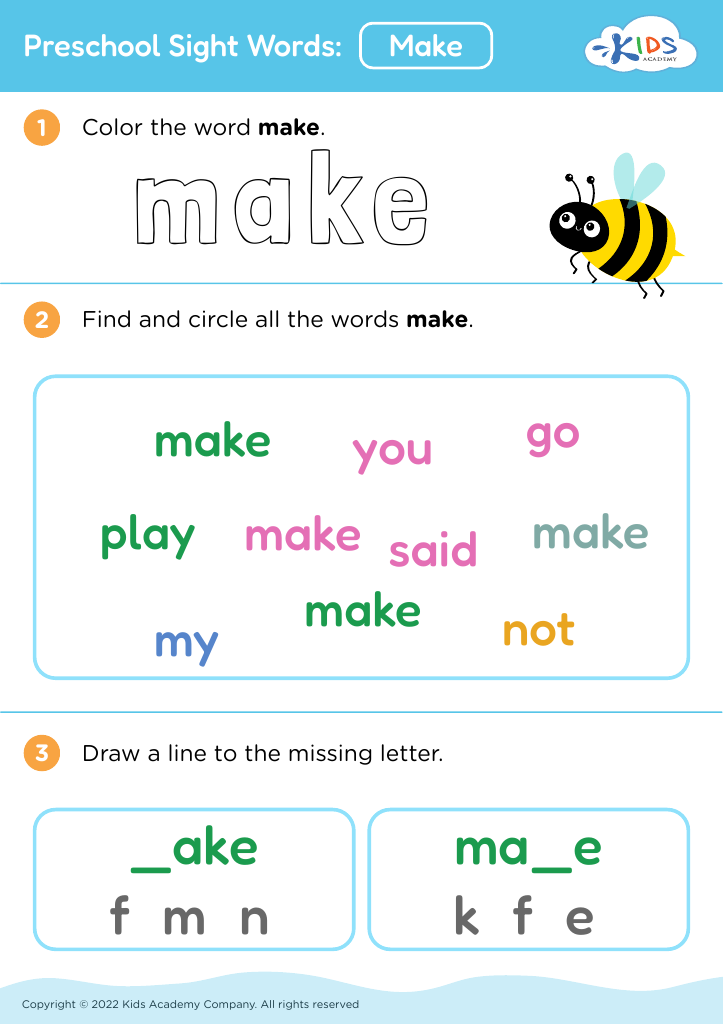
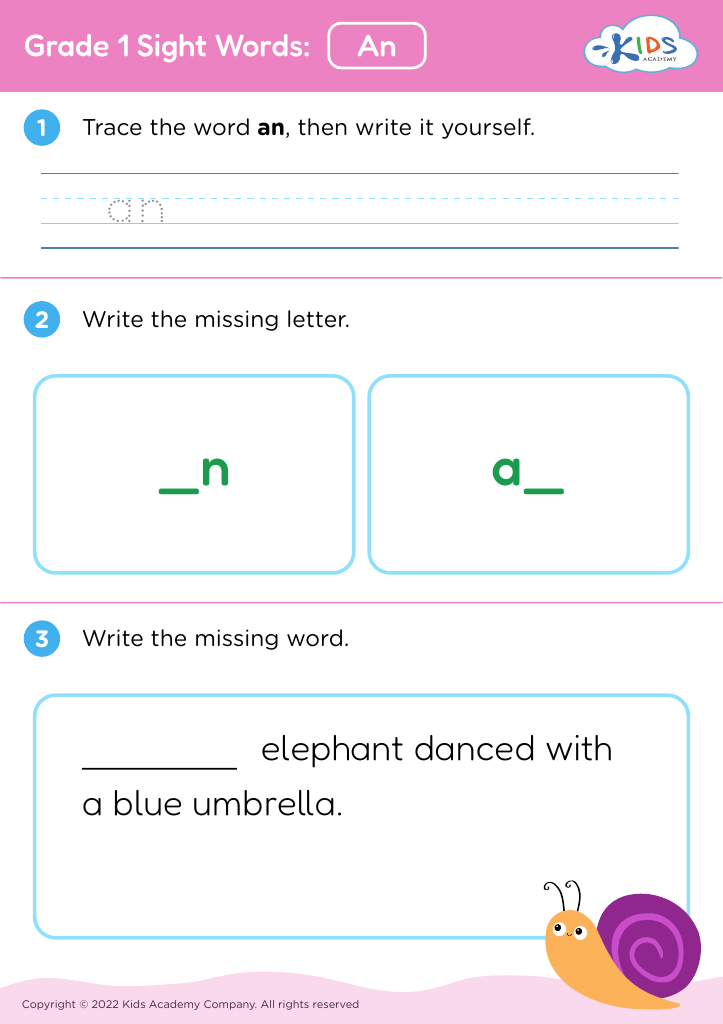
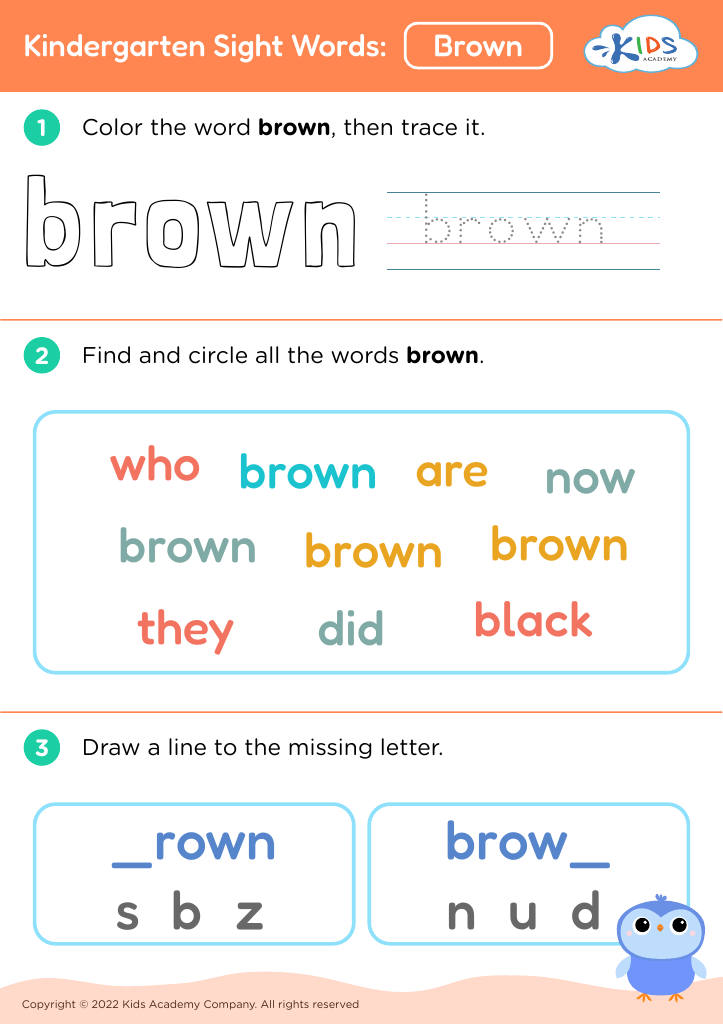
Enhance your child’s understanding of fractions with our engaging Fraction Addition Building Vocabulary Worksheets, designed specifically for ages 3-8! These worksheets provide a playful approach to learning, helping young learners grasp the concept of fraction addition through colorful visuals and interactive activities. Each worksheet is crafted to develop mathematical vocabulary, boost problem-solving skills, and foster a love for math. With a variety of exercises including puzzles, matching games, and real-life examples, children will enjoy every moment while building a strong foundation in fractions. Perfect for classroom use or at-home practice, these worksheets make mastering fractions fun and accessible!
Favorites
With answer key
Interactive











Join Kids Academy for Free
Who is primarily going to use this learning content?






.jpg)

Understanding fraction addition is a crucial foundational skill that lays the groundwork for more complex mathematical concepts later in a child's education. For children aged 3-8, developing a strong vocabulary around fractions helps demystify these concepts and makes learning more accessible. When parents and teachers emphasize fraction addition vocabulary, they encourage children to think critically about numbers and relationships, thereby improving their problem-solving skills.
Engaging with fraction terminology—words like "whole," "part," "equal," "addition," and "sum"—fosters comprehension and allows for clearer communication in mathematics. This early vocabulary sets the stage for deeper understanding as children progress to higher-grade math and STEM subjects. Additionally, studies suggest that children who recognize and utilize mathematical language outperform peers who do not.
Moreover, emphasizing vocabulary in fraction addition can lead to increased confidence in math. As students become more comfortable with the terms, they are less intimidated by complex problems. Encouraging discussions using this language also bolsters parents' and teachers' abilities to assess understanding and provide targeted support. Ultimately, making fraction addition vocabulary a priority enriches children’s learning experiences and empowers them to thrive in future mathematical endeavors.








