
Language skills development Building Vocabulary Worksheets for Ages 3-8
3 filtered results
Difficulty Level
Grade
Age
-
From - To
Subject
Activity
Standards
Enhance your child's language skills with our engaging Building Vocabulary Worksheets, designed specifically for ages 3 to 8! These printable activities are expertly crafted to foster vocabulary growth, improve comprehension, and ignite a love for language. Each worksheet introduces new words through fun themes, interactive exercises, and colorful illustrations, making learning enjoyable and effective. Whether at home or in the classroom, our resources provide a structured approach to vocabulary development that supports literacy skills. Empower your child’s language journey today and watch as they become confident communicators, ready to explore the world of words! Perfect for parents, teachers, and educators alike.
Favorites
With answer key
Interactive
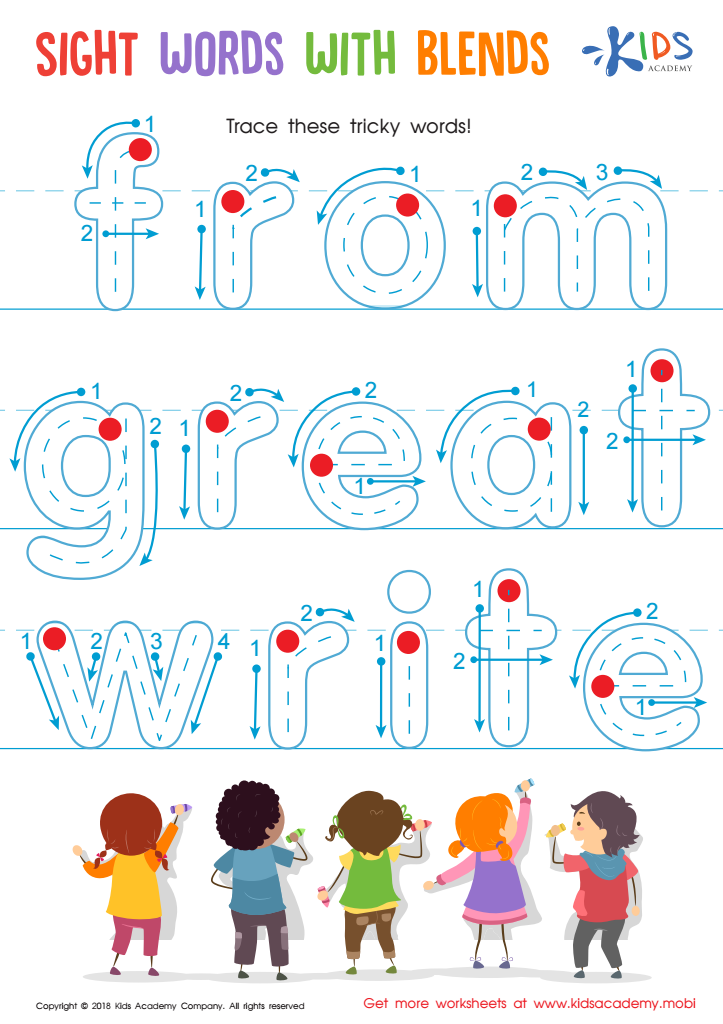
Sight Words with Blends Worksheet
This free PDF lets your children trace and write sight words with tricky blends. The guide numbers help them start from the top, building fine motor skills and enhancing sight word vocab. It's a great way to give your kids a solid foundation for reading!
 Assign to My Students
Sight Words with Blends Worksheet
Worksheet











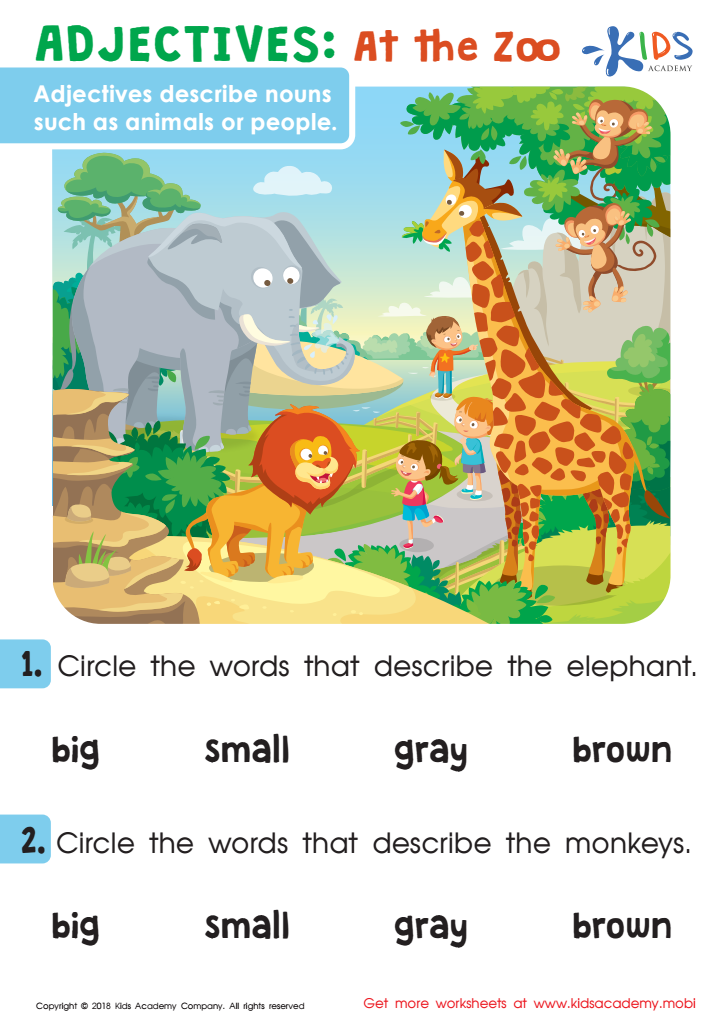
Adjectives: At The Zoo Worksheet
Take your kids to the zoo and ask them about their favorite activities and animals. This worksheet is a great way for kids to learn about adjectives. Explain that adjectives describe nouns like people or animals (e.g. big, tall, dark). Look at the printout with your kids and help them circle words that describe the animals in the picture.
Adjectives: At The Zoo Worksheet
Worksheet
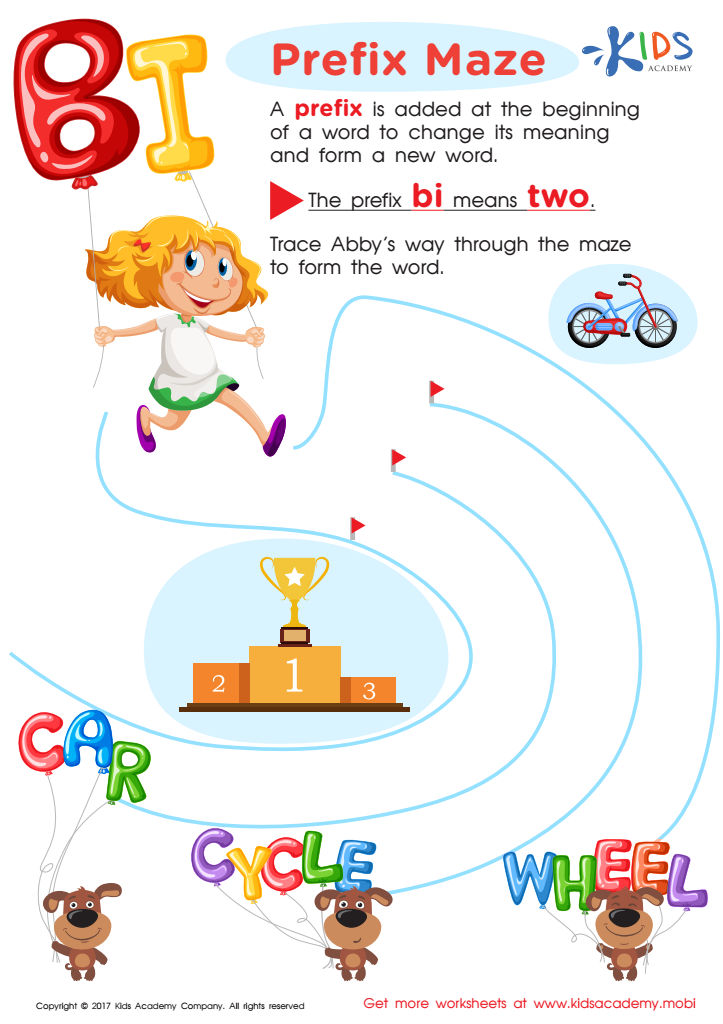
Prefix Bi Words Worksheet
Help "bi" find its root word in this fun and colorful prefix worksheet! Your child will learn how words are built while having a great time!
Prefix Bi Words Worksheet
Worksheet
Join Kids Academy for Free
Who is primarily going to use this learning content?







Parents and teachers should prioritize language skills development, particularly building vocabulary, for children aged 3 to 8 because these foundational skills are crucial for overall academic success and effective communication. During these formative years, children are in a dynamic phase of language acquisition where they actively explore words and their meanings. A rich vocabulary enhances their ability to express thoughts, emotions, and experiences, laying the groundwork for critical thinking and problem-solving.
Moreover, language development directly correlates with literacy skills. Children with expansive vocabularies are better equipped to comprehend texts, making reading more enjoyable and empowering. This not only boosts their reading proficiency but also fosters a love for learning.
Additionally, strong language skills promote social interactions and emotional intelligence. Children learn to articulate feelings and engage in conversations, thereby enhancing their relationships with peers and adults. Furthermore, building vocabulary can help bridge cultural gaps, allowing children to connect with diverse backgrounds in our increasingly multicultural world.
Investing in vocabulary development during these crucial years supports a child’s cognitive and social growth, ultimately contributing to their lifelong learning journey. By facilitating engaging conversations and introducing new words, parents and teachers play a vital role in shaping confident, articulate, and curious learners.








