Understanding fractions Building Vocabulary Worksheets for Ages 3-8 - Page 3
58 filtered results
-
From - To











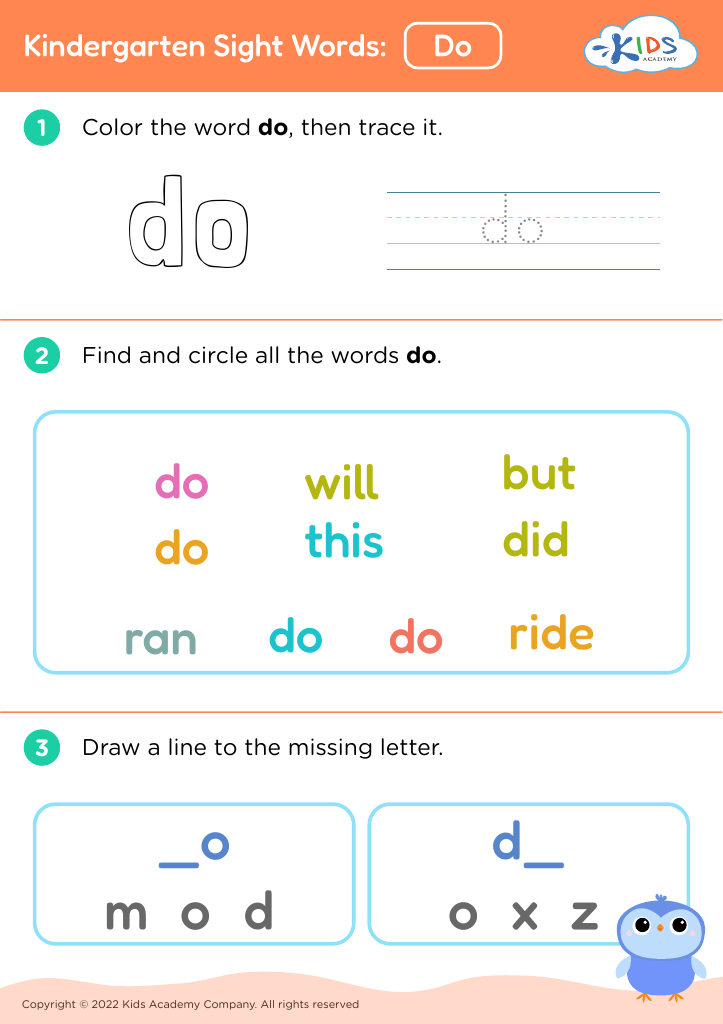
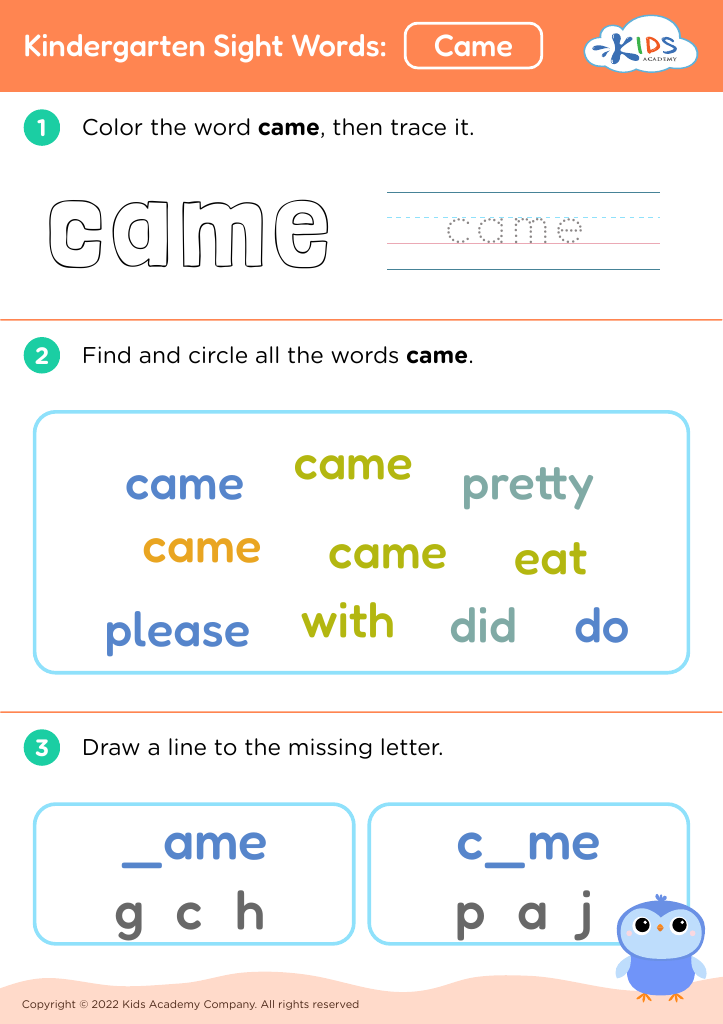
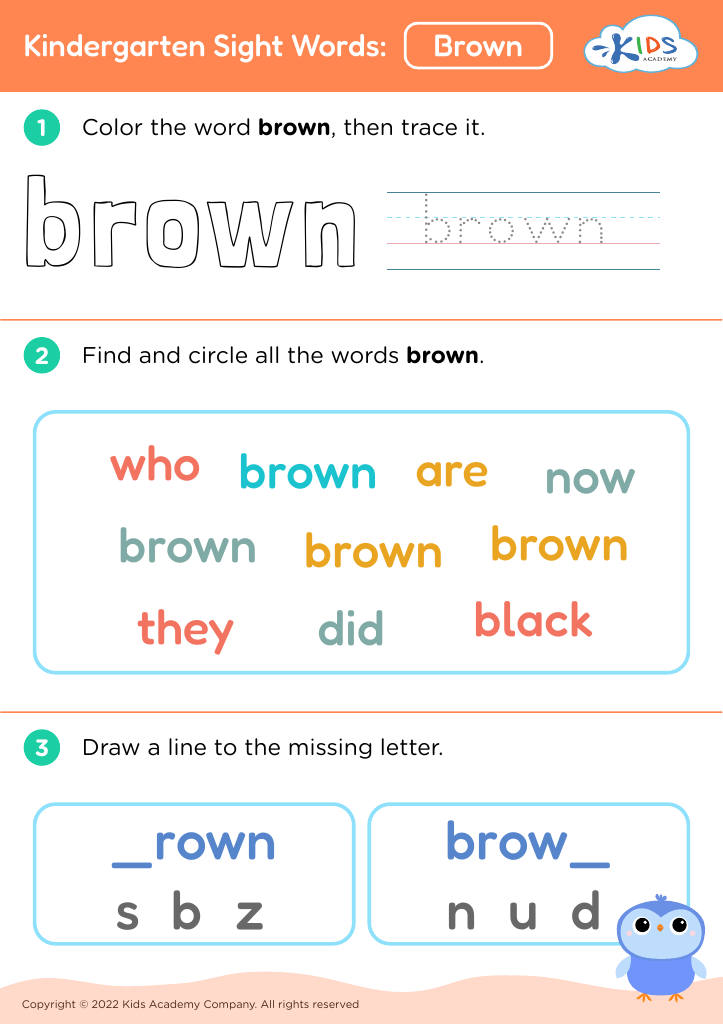
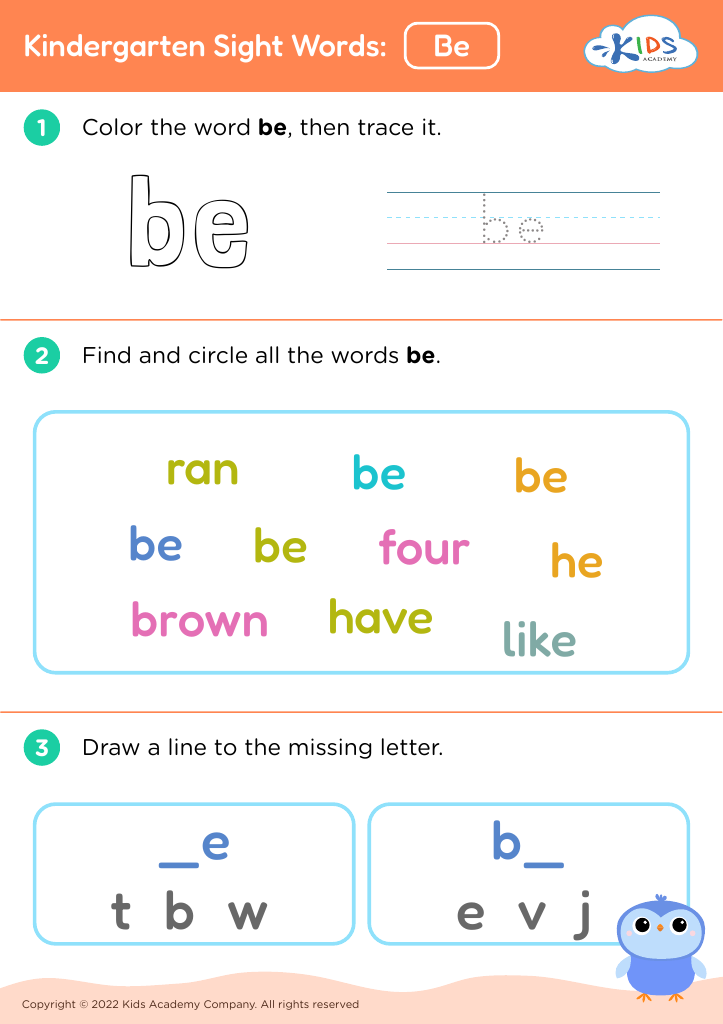







Understanding fractions and building vocabulary in children aged 3-8 are essential aspects of early education that go hand in hand in fostering a child's cognitive and language development. Fractions, often introduced as parts of a whole, help young learners grasp foundational mathematical concepts. Recognizing fractions can enhance a child's ability to understand proportions and relationships, laying the groundwork for more complex math skills in the future.
On the other hand, vocabulary development is crucial during these formative years because language skills are the bedrock of effective communication and comprehension. A rich vocabulary allows children to express their ideas clearly, understand instructions, and engage more meaningfully in their learning environments.
By integrating fraction concepts into vocabulary building activities, teachers and parents encourage children to use specific terms related to size, quantity, and comparison—such as "half," "third," and "equal." This combined approach not only makes learning more engaging but also enables children to make connections between mathematical thinking and language expression.
Ultimately, nurturing an early understanding of fractions alongside vocabulary development equips children with essential skills for their academic journey and fosters confidence and independence in their learning. This holistic development prepares them for future success in both math and literacy.








