Understanding multiplication Building Vocabulary Worksheets for Ages 3-8
4 filtered results
-
From - To
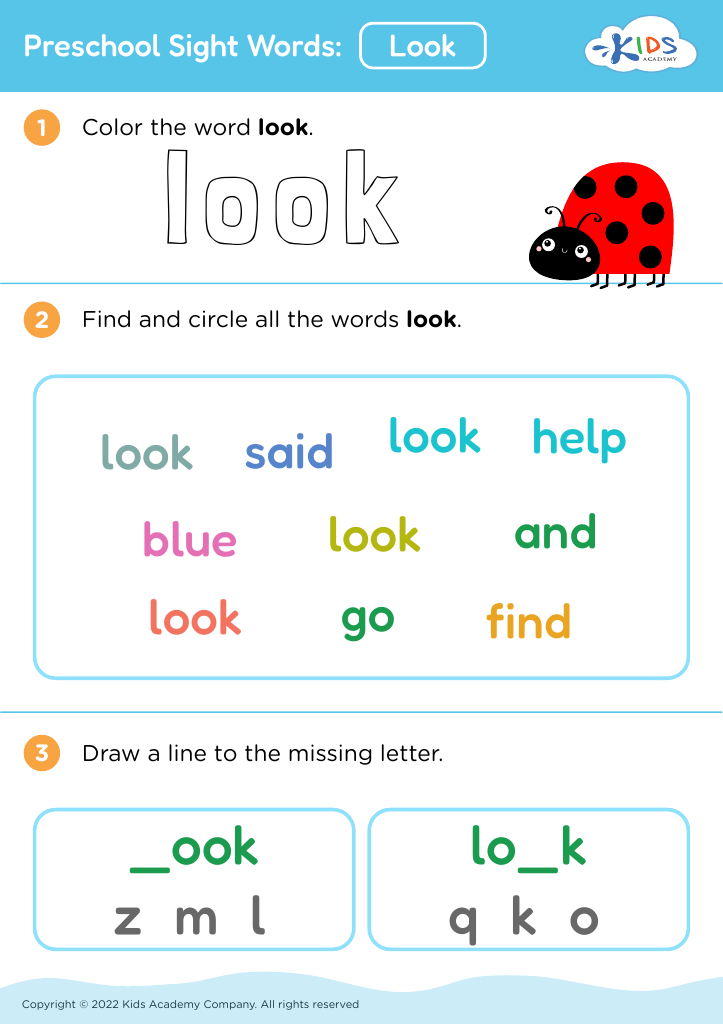
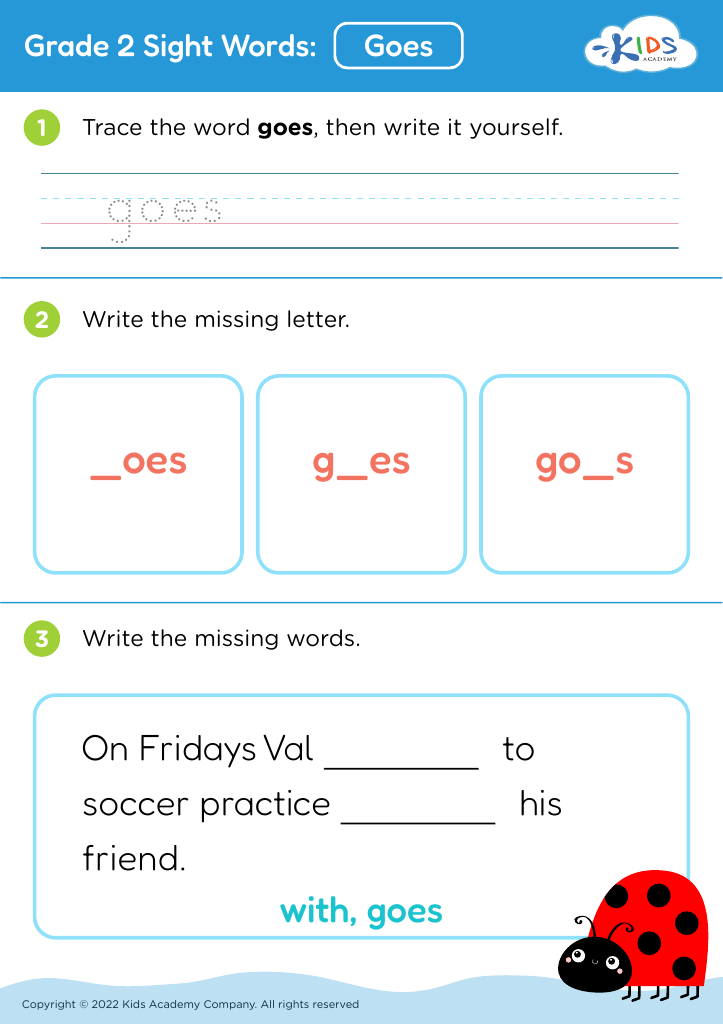
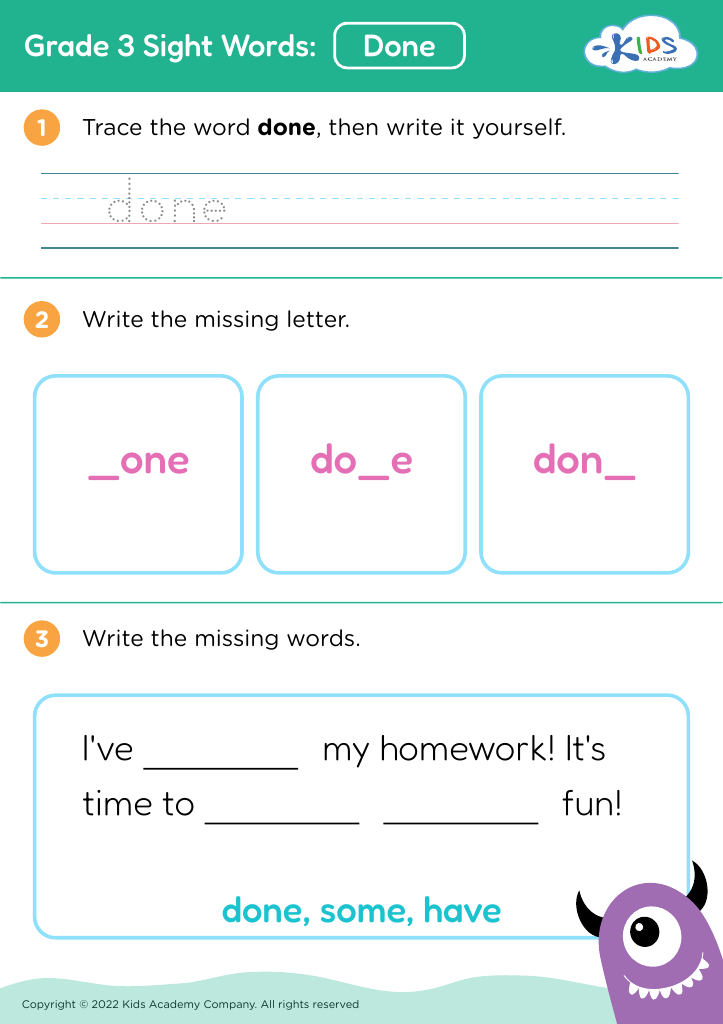
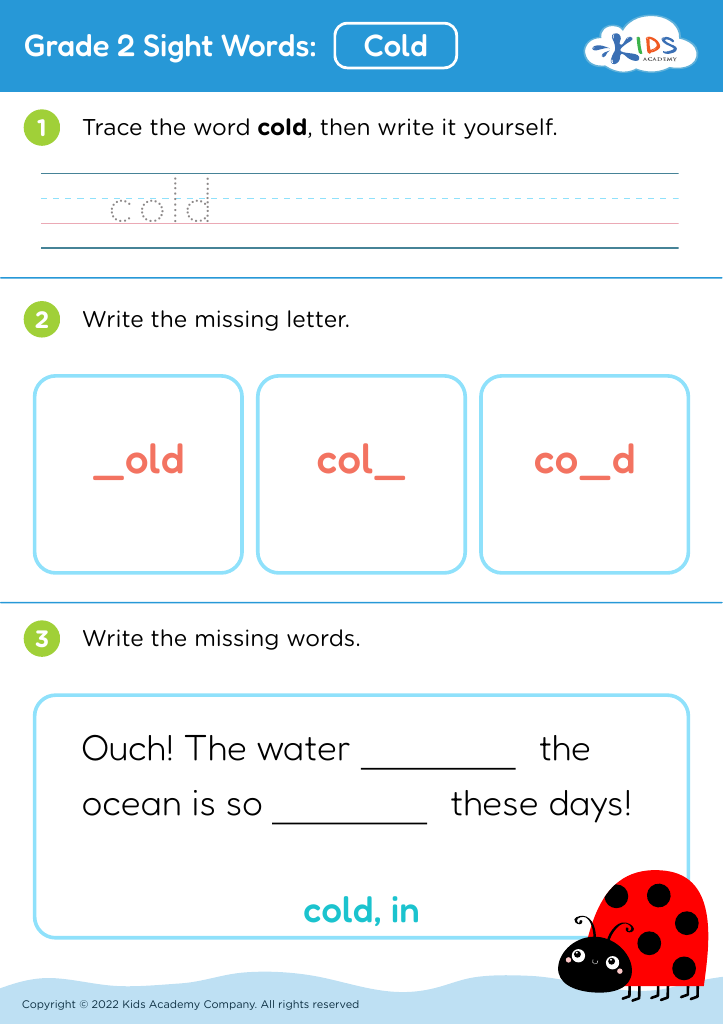
Introducing "Understanding Multiplication: Building Vocabulary Worksheets" for ages 3-8! Our expertly crafted worksheets make learning multiplication exciting and accessible for young learners. Engaging activities and colorful visuals help children grasp essential multiplication concepts by developing their vocabulary. From simple exercises for beginners to more challenging tasks, these worksheets cater to all skill levels. Encourage your child's math confidence and foundational skills with our fun and educational resources. Whether at home or in the classroom, these worksheets provide the perfect blend of learning and play. Start building a strong arithmetic foundation today with Kids Academy’s premier multiplication worksheets!

















.jpg)

Understanding multiplication and building vocabulary are crucial developmental milestones for children aged 3-8. Firstly, introducing the concept of multiplication at an early age helps lay a strong foundation for later mathematical learning. Multiplication isn't just a skill; it’s a building block for more advanced concepts like division, fractions, and algebra. When children grasp multiplication early, they develop confidence in their math abilities and experience less anxiety in tackling complex problems later on.
Vocabulary development is equally essential. During early childhood, the brain is incredibly receptive to new information. A robust vocabulary enhances reading comprehension, communication skills, and academic performance. Children who possess a strong vocabulary can better express their thoughts, understand instructions, and engage in meaningful conversations. It also promotes cognitive development by improving memory, attention, and the ability to make connections between different pieces of information.
Both multiplication and vocabulary skills contribute to overall academic success and equip children with the tools necessary for problem-solving and critical thinking. Teachers and parents who prioritize and actively engage in these educational activities provide children with essential skills that are used throughout their lives, laying a strong foundation for future learning experiences.








