Reading Skills Reading Fiction Worksheets for Ages 3-8
5 filtered results
-
From - To
Explore the engaging "Reading Skills Reading Fiction Worksheets" designed specifically for children aged 3-8! These worksheets are perfect for young learners to develop essential reading skills while enjoying captivating fictional stories. Each worksheet features vibrant illustrations and age-appropriate activities that enhance comprehension, vocabulary, and critical thinking. Activities include matching pictures to text, answering questions, and storytelling prompts, making learning fun and interactive. Ideal for use at home or in the classroom, these worksheets foster a love for reading while supporting early literacy development. Empower your child's reading journey today with our delightful and educational reading fiction resources!
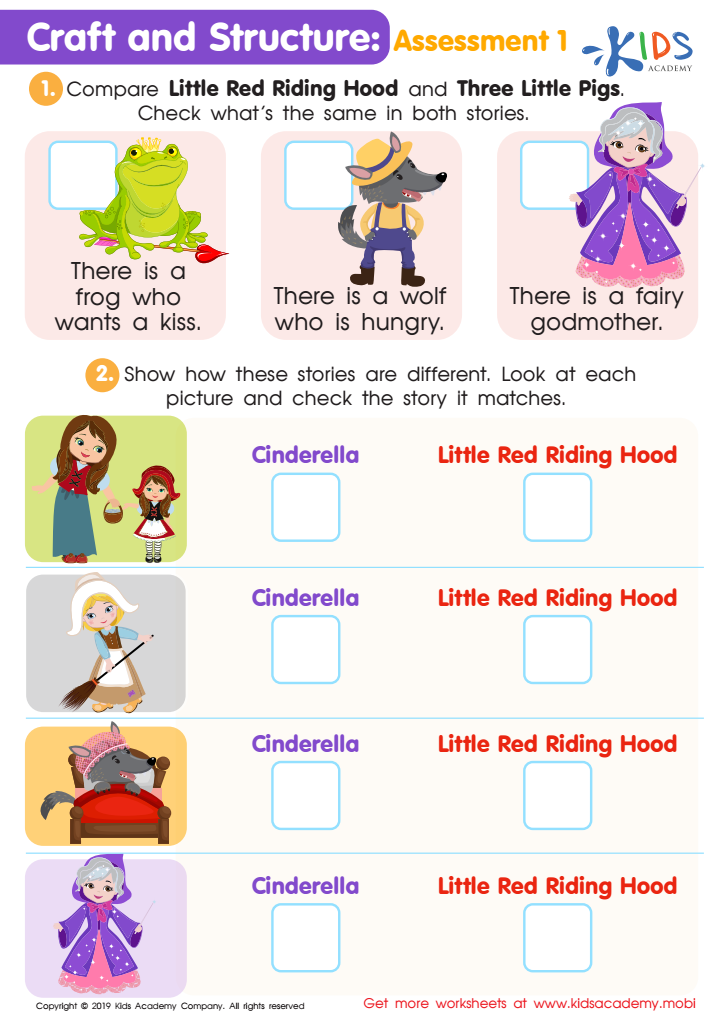
Craft and Structure: Assessment 1 Worksheet
 Assign to My Students
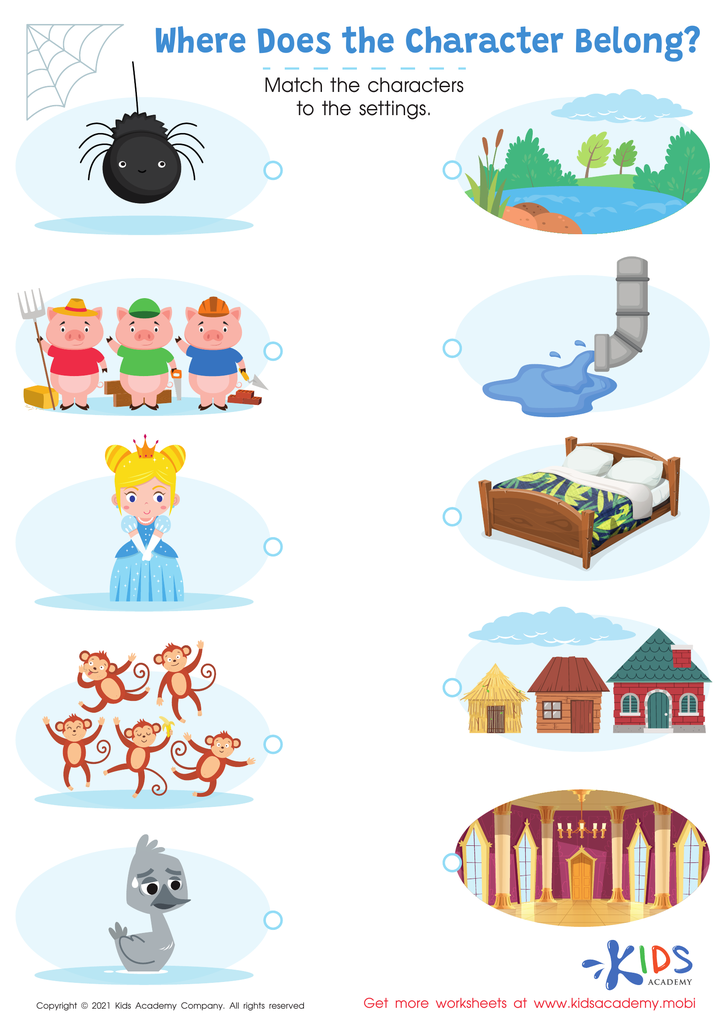
Where Does the Character Belong? Worksheet
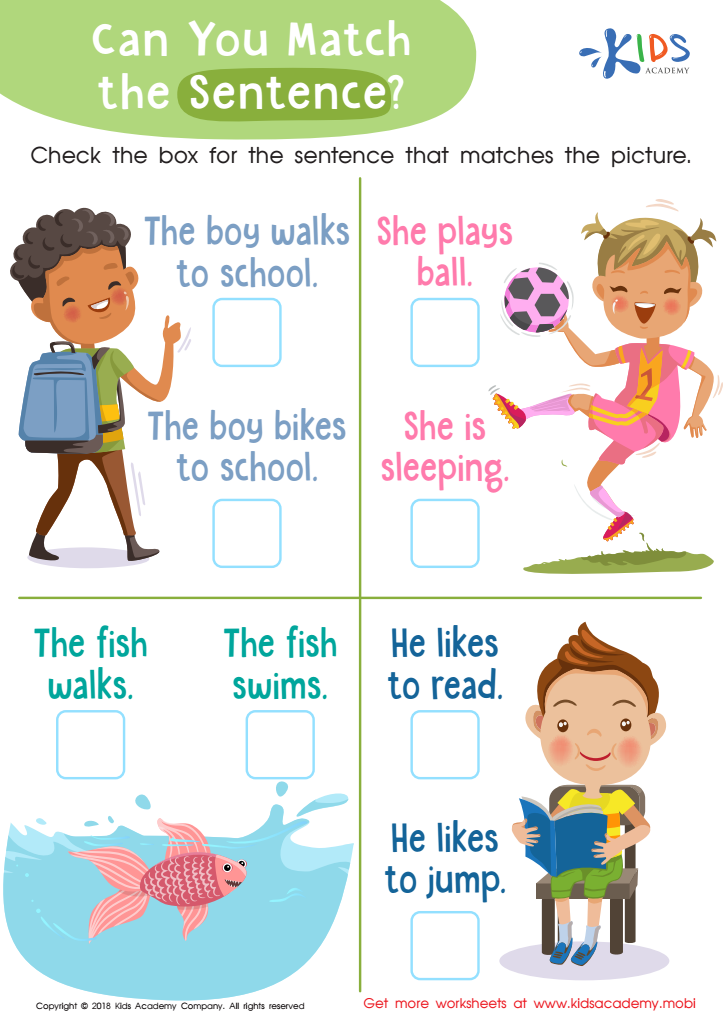
Can You Match the Sentence? Worksheet
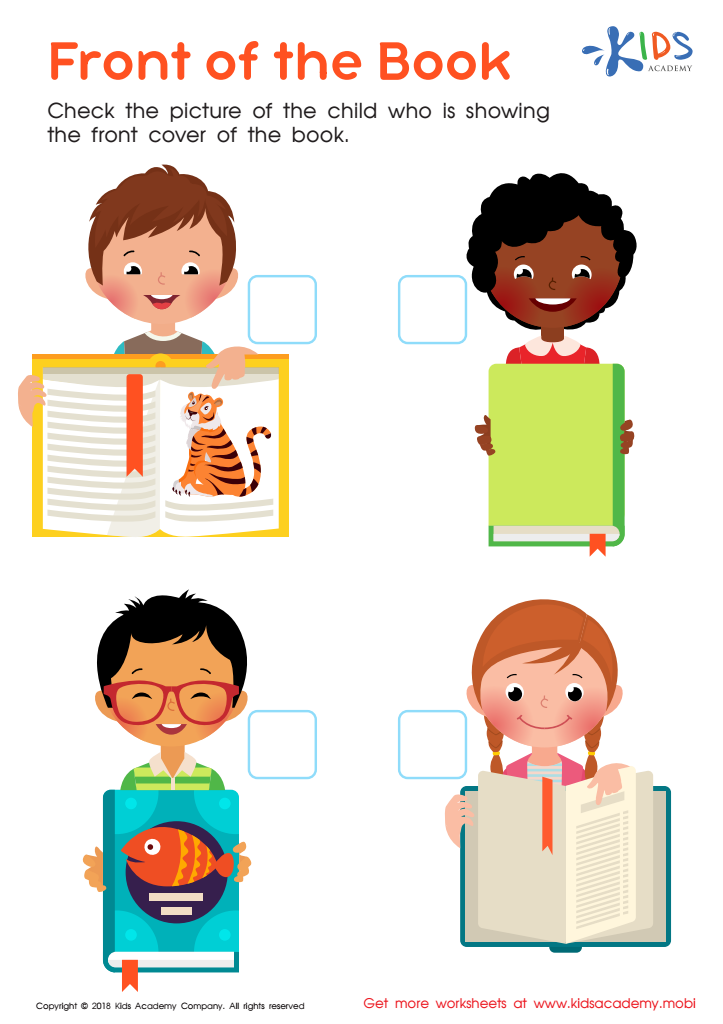
Front of the Book Worksheet
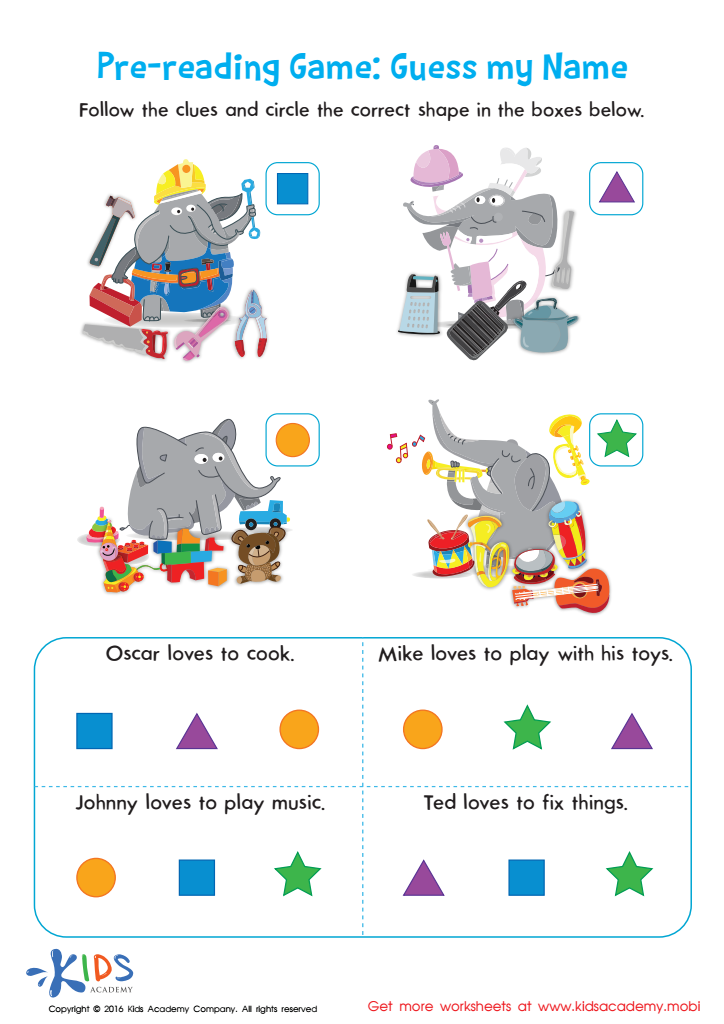
Pre Reading Worksheet Guess My Name



.jpg)




Reading skills, especially in fiction, are essential for children ages 3-8 as they form the foundation for lifelong literacy and learning. At this formative stage, children develop critical thinking, vocabulary, and comprehension skills that are crucial for academic success. Reading fiction opens the door to diverse worlds, characters, and experiences, enabling children to build empathy and understand different perspectives, which enhances social-emotional development.
Furthermore, engaging with stories fosters a love for reading and supports imagination and creativity. Parents and teachers play a pivotal role in nurturing these skills through reading aloud, encouraging discussion about stories, and exposing children to varied literature. This interaction not only enhances language skills but also strengthens the bond between adult and child, making learning a collaborative process.
Additionally, strong reading skills in these early years facilitate smoother transitions into more complex texts, promoting self-confidence in academic environments. By investing time in reading fiction, parents and teachers equip children with essential skills that benefit their overall educational journey and personal growth, ensuring they appreciate and engage with literature throughout their lives. In essence, prioritizing reading skills cultivates a lifelong passion for learning and creates well-rounded individuals ready to tackle future challenges.








