Shape Recognition Reading Fiction Worksheets for Ages 3-8
3 filtered results
-
From - To
Explore our engaging Shape Recognition Reading Fiction Worksheets, specially designed for children ages 3-8. These interactive worksheets blend fun stories with vibrant visuals, helping young learners identify and understand various shapes while enhancing their reading skills. Each activity encourages creativity and critical thinking, creating a joyful learning environment. Tailored to different reading levels, our worksheets aim to foster a love for reading and shape recognition through delightful narratives and relatable characters. Watch your child grow in confidence and knowledge as they embark on exciting reading adventures. Perfect for home or classroom use, our resources make learning shapes an enjoyable experience!
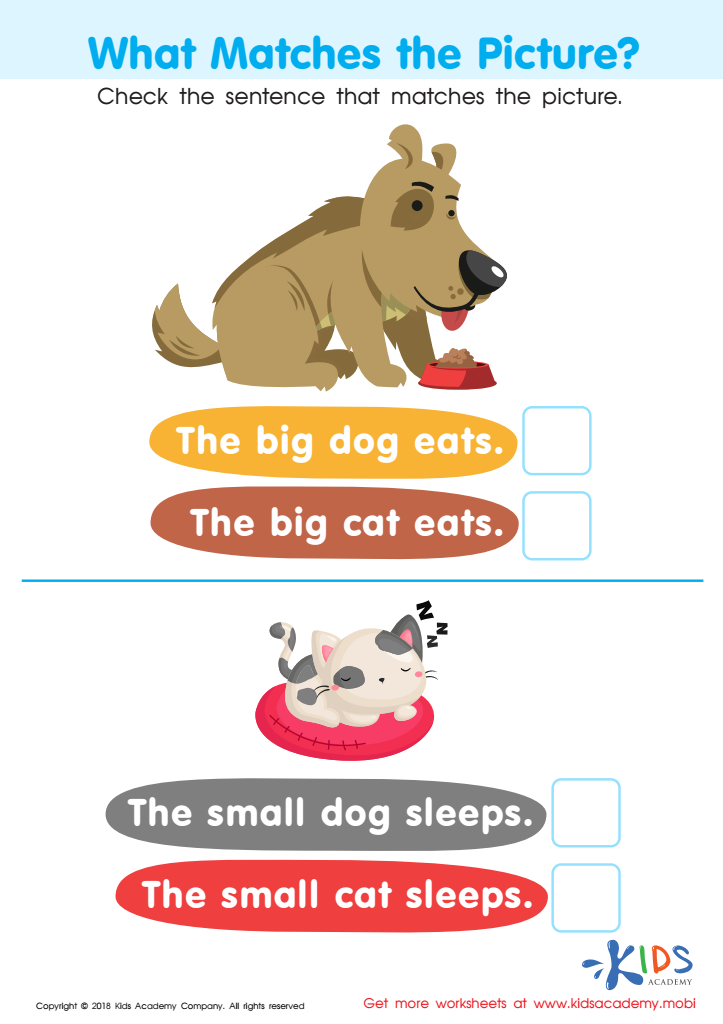
What Matches the Picture? Worksheet
 Assign to My Students
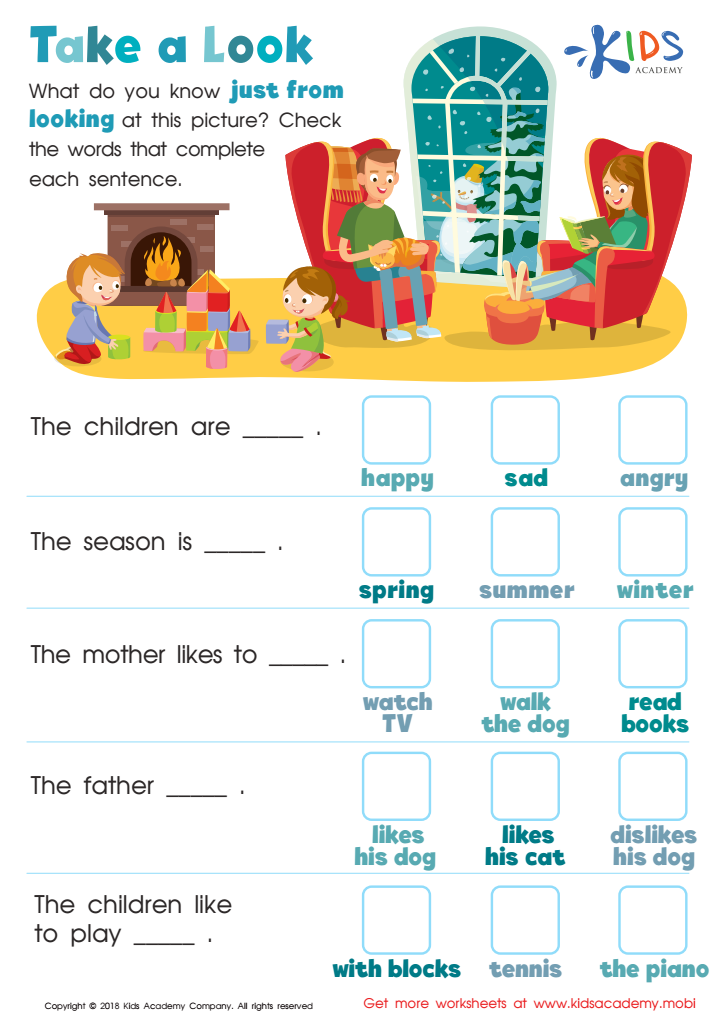
Take a Look - Part 1 Worksheet
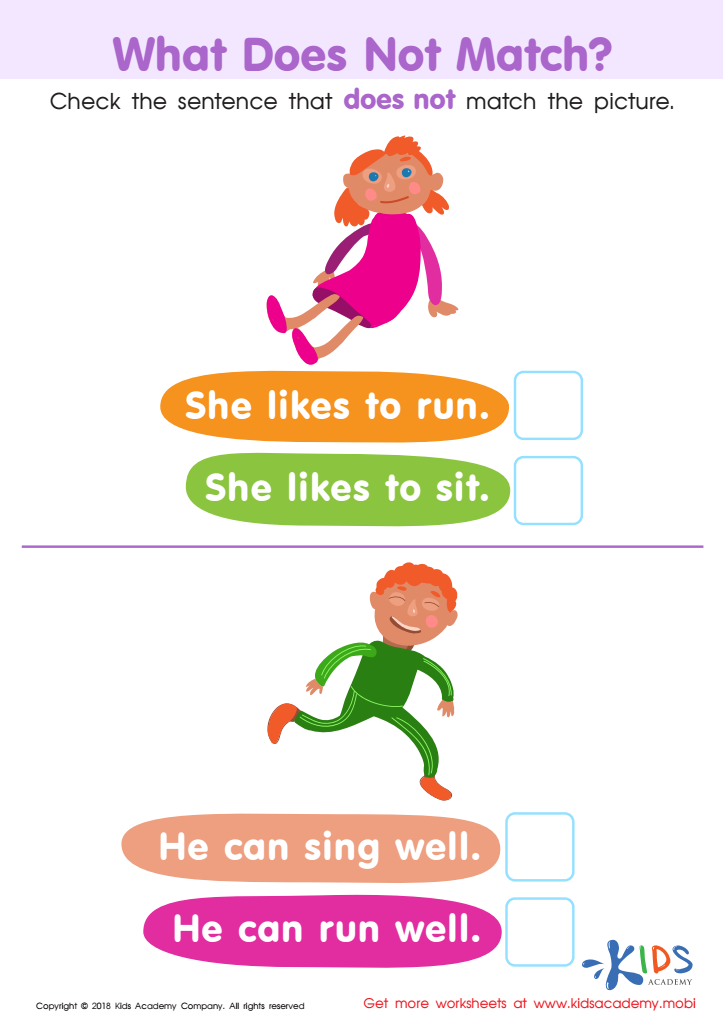
What Does Not Match? Worksheet








Shape recognition is a crucial foundational skill for early learners aged 3-8, serving as a bridge to reading, writing, and overall cognitive development. Understanding shapes supports children's ability to recognize letters and words, as many letters share similar characteristics with geometric forms. For example, triangles appear in the letter "A," and circles resemble several letters like "O." This connection enhances phonemic awareness and visual discrimination, critical for reading proficiency.
Moreover, engaging with fiction that incorporates shape themes fosters creativity and critical thinking, encouraging young minds to visualize and comprehend abstract concepts. Picture books that celebrate shapes immerse children in narratives that stimulate imagination while reinforcing shape recognition in interactive and enjoyable ways.
Parents and teachers should care about this aspect of literacy because it promotes experiential learning. Activities involving shape recognition can be incorporated through stories, songs, and games, making learning dynamic and engaging. Building this foundation early ensures that children feel confident in their literacy skills, ultimately supporting their future academic endeavors. By prioritizing shape recognition in early education, adults can cultivate a love for learning and contribute to their child's success in reading and beyond.








