Understanding context Reading Fiction Worksheets for Ages 3-8
5 filtered results
-
From - To
Boost your child's reading comprehension with our "Understanding Context Reading Fiction Worksheets" designed for ages 3-8. These engaging resources help young learners grasp the meaning of stories through context clues. Each worksheet features colorful illustrations and relatable themes that encourage critical thinking and discussion. Children will practice identifying words and phrases within their context, enhancing their vocabulary and overall reading skills. Perfect for home or classroom use, these worksheets are tailored to make learning enjoyable while fostering a love for reading. Inspire confident young readers today with our user-friendly and educational activities that spark imagination and creativity!
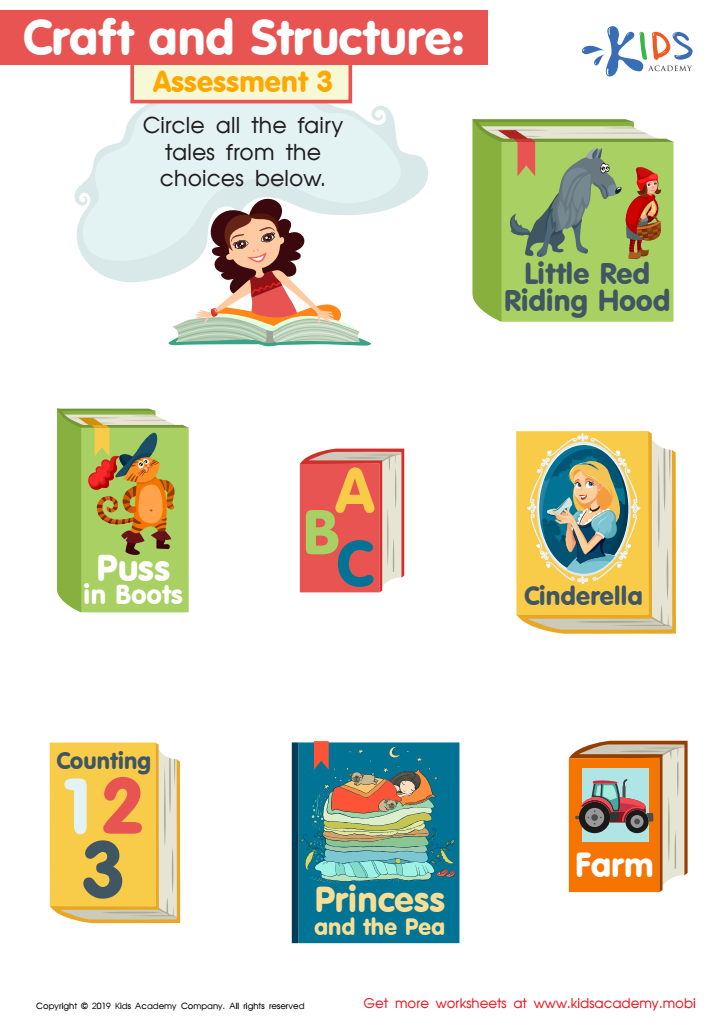
Craft and Structure: Assessment 3 Worksheet
 Assign to My Students
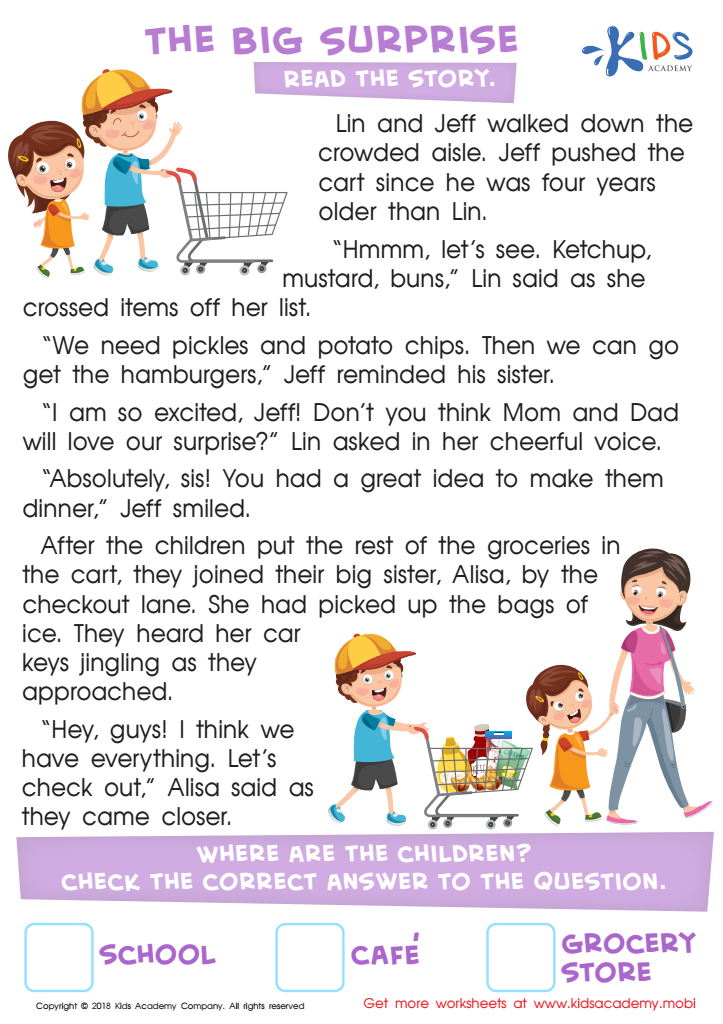
The Big Surprise Worksheet
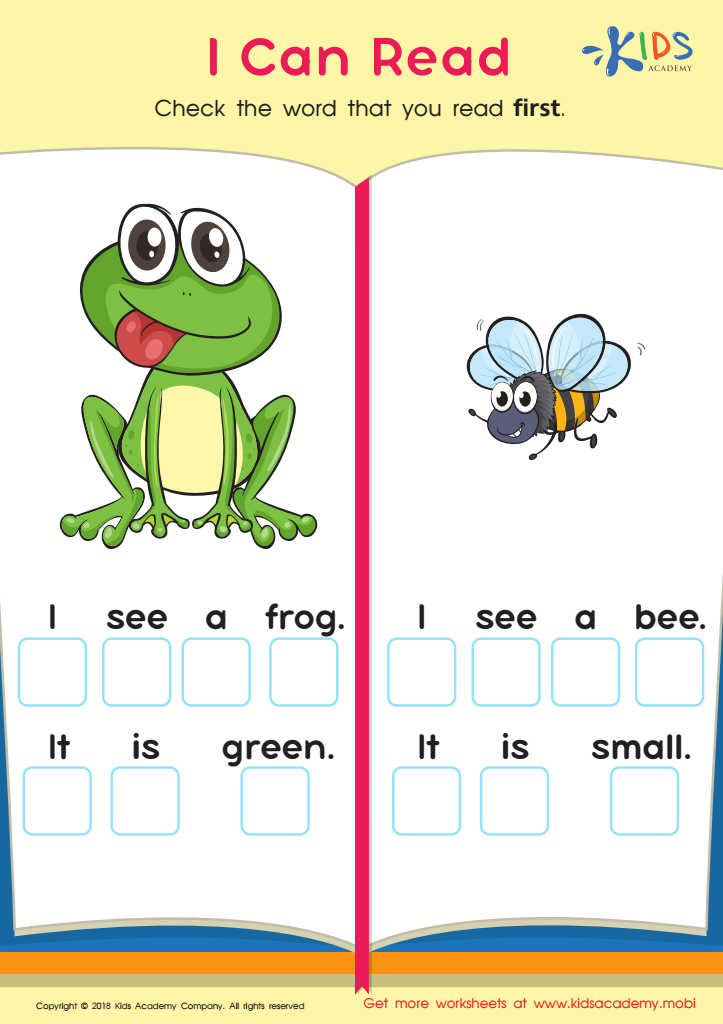
I Can Read Worksheet
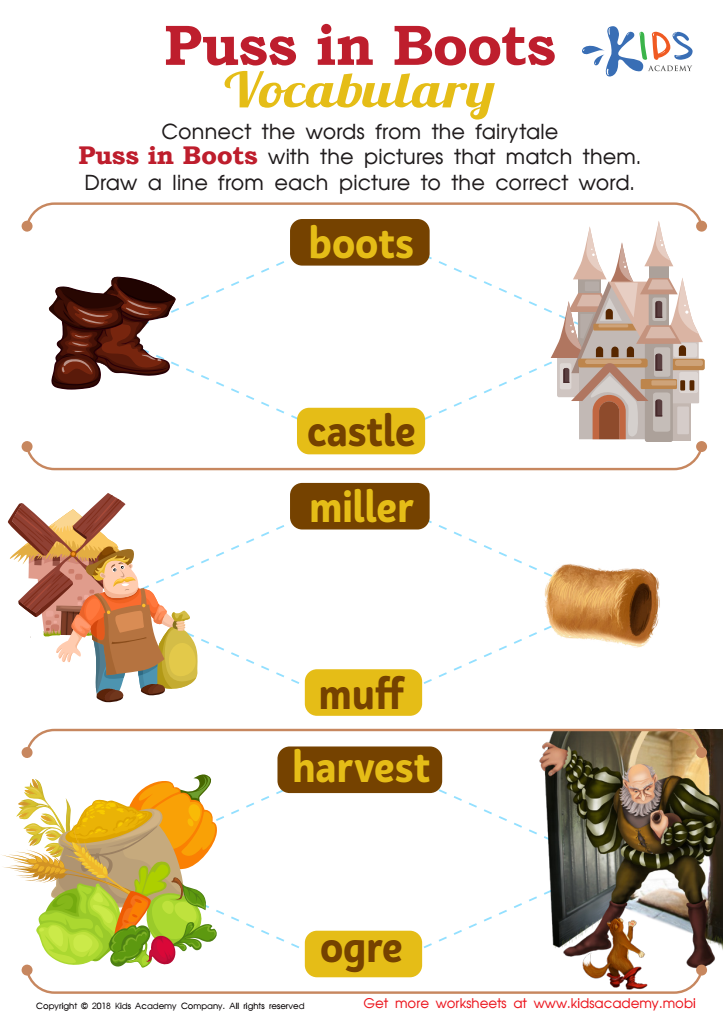
Puss in Boots Vocabulary Worksheet
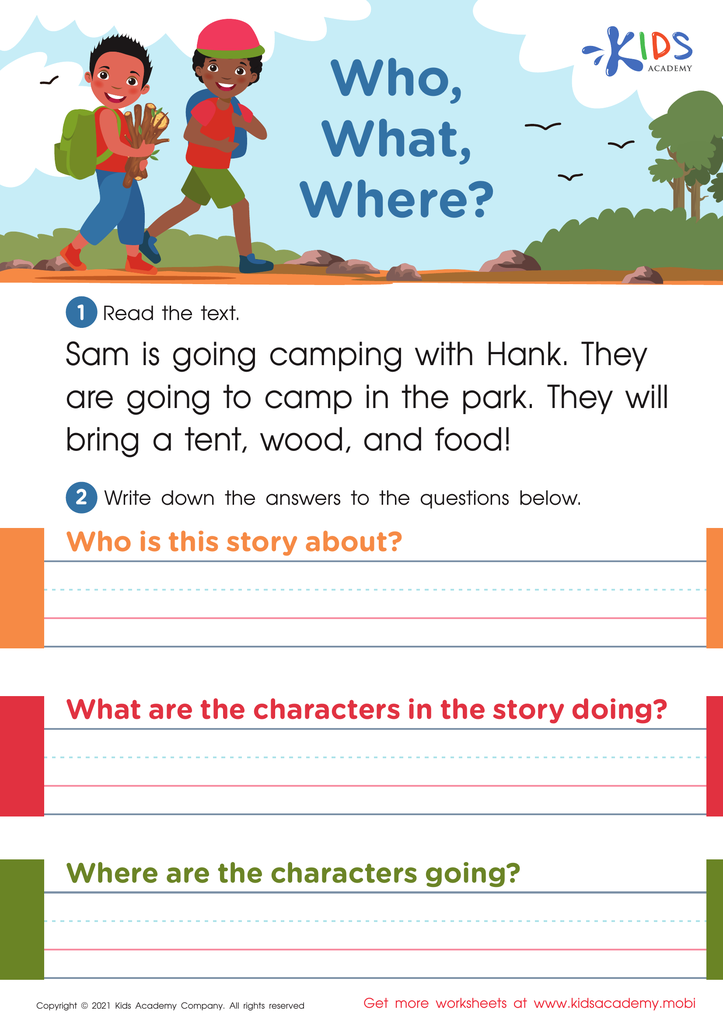
Who, What, Where? Worksheet


.jpg)





Understanding context in reading fiction is crucial for children ages 3-8, as it profoundly impacts their literacy development and overall comprehension skills. When parents and teachers emphasize the importance of context, they help children connect stories to their own experiences, emotions, and the world around them. This connection not only enhances comprehension but also fosters empathy by allowing young readers to place themselves in diverse characters' shoes.
Context encourages critical thinking; as children recognize the setting, character motivations, and background details, they learn to make informed predictions and derive meaning from the text. This practice builds essential analytical skills that benefit them across disciplines. Furthermore, discussing context helps children expand their vocabulary and improves their ability to convey ideas clearly.
Moreover, understanding context in fiction facilitates a love for reading by making the process more engaging. When stories resonate with children's lives and experiences, they are more likely to see reading as a joy rather than a task. Thus, both parents and teachers play a pivotal role in nurturing a rich, contextualized understanding of fiction, ensuring that children not only become proficient readers but also avid, empathetic, and imaginative thinkers.








