Vocabulary enhancement Reading Fiction Worksheets for Ages 3-8 - Page 2
29 filtered results
-
From - To
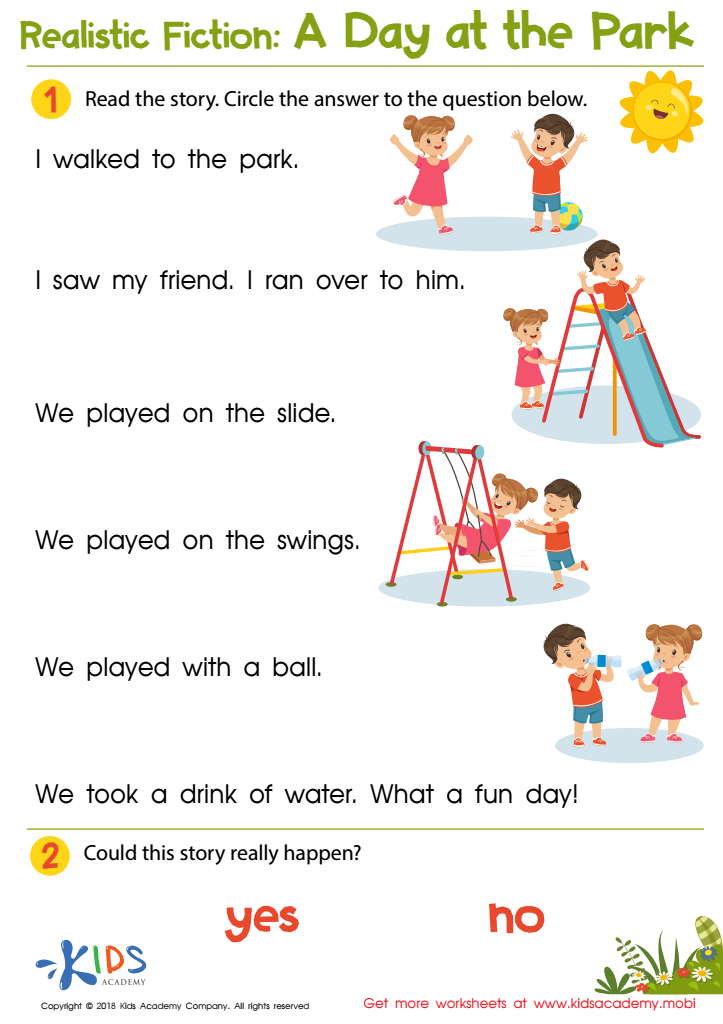
A Day at the Park Worksheet
 Assign to My Students
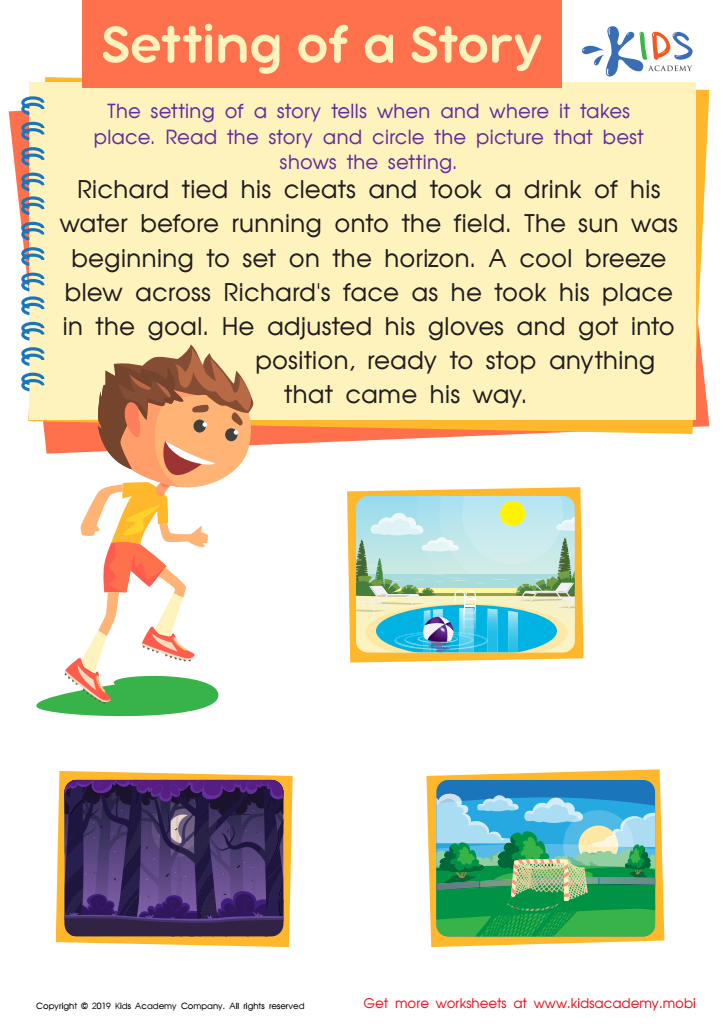
Setting of a Story Worksheet
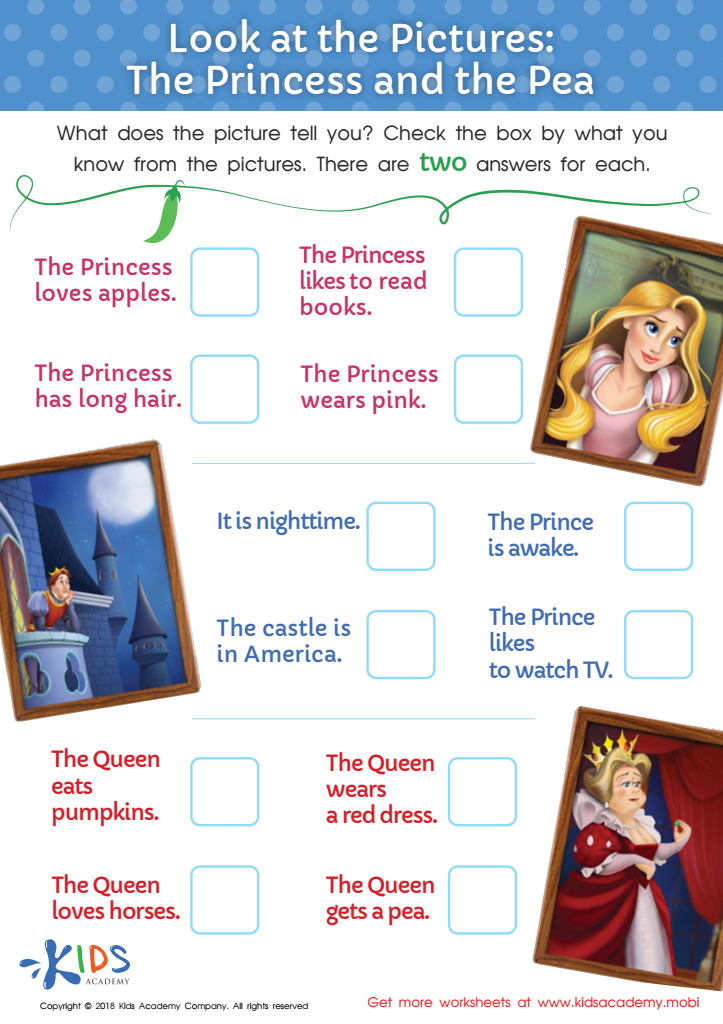
Look at the Pictures: The Princess and the Pea Worksheet
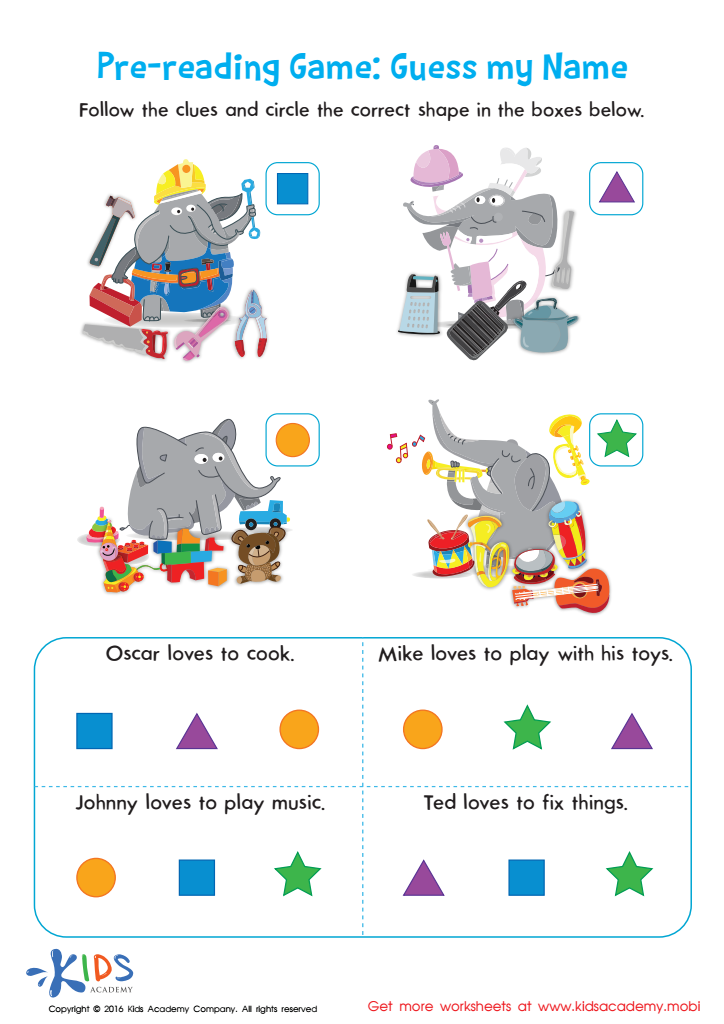
Pre Reading Worksheet Guess My Name
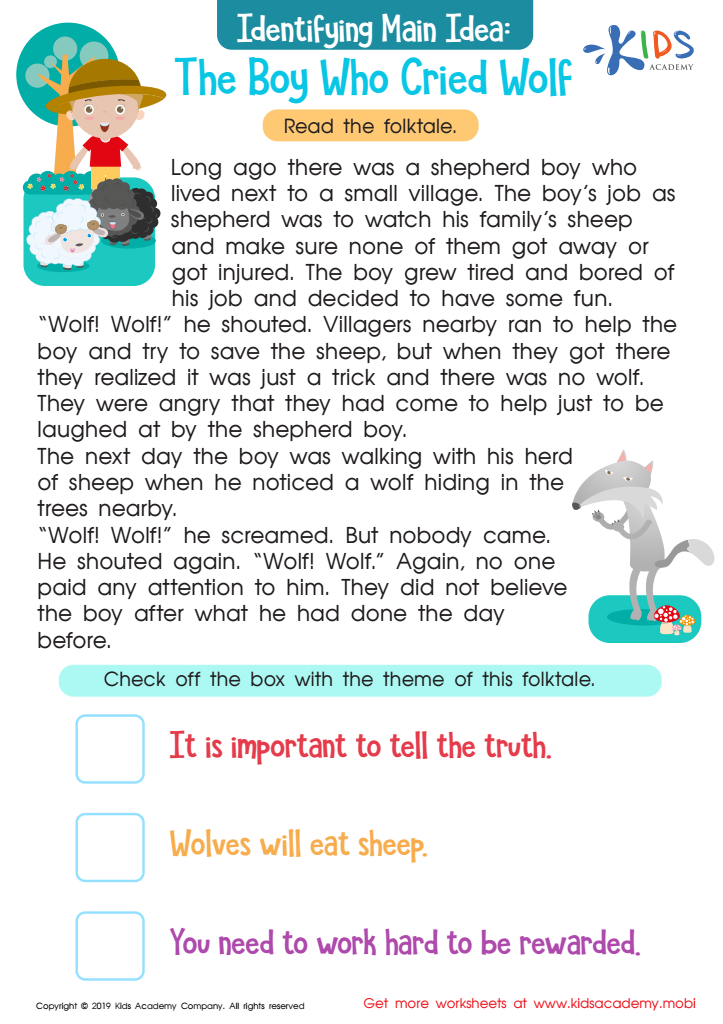
The Boy Who Cried Wolf Part 2 Worksheet




.jpg)


Parents and teachers should prioritize vocabulary enhancement through reading fiction for children ages 3-8 because it lays the foundation for lifelong language skills and cognitive development. Early exposure to rich language in stories helps expand a child’s vocabulary and understanding of complex concepts, which is essential for reading comprehension and effective communication later in life.
Fictional stories captivate young imaginations, encouraging emotional connections and inspiring creativity. Characters, settings, and plots introduce new words in context, making them easier to remember and use. Engaging with various genres and narratives provides children with diverse linguistic experiences, fostering a love for reading.
Moreover, reading fiction promotes critical thinking and comprehension skills. As children discuss plots or predict outcomes, they learn to think analytically and interpret information. This dialogue between adults and children around books can also strengthen relationships, as sharing stories encourages bonding and cooperative interaction.
Lastly, research consistently shows that a strong vocabulary in early childhood correlates with better academic performance in later school years. By caring about vocabulary enhancement through reading fiction, parents and teachers truly invest in a child’s future success, enabling them to navigate the world confidently and effectively.








