Critical Thinking Reading Non-Fiction Worksheets for Ages 3-8
9 filtered results
-
From - To
Critical Thinking Reading Non-Fiction Worksheets for Ages 3-8
Foster your child's critical thinking skills with our engaging, non-fiction reading worksheets designed for ages 3-8. These carefully crafted resources promote cognitive development by encouraging young readers to analyze information critically. Full of diverse topics and kid-friendly content, our worksheets help children build comprehension and reasoning skills crucial for academic success. Whether used at home or in the classroom, these worksheets are perfect for creating a solid foundation in reading, understanding, and analyzing non-fiction texts. Explore our extensive collection today and watch your child grow into a confident, thoughtful reader!
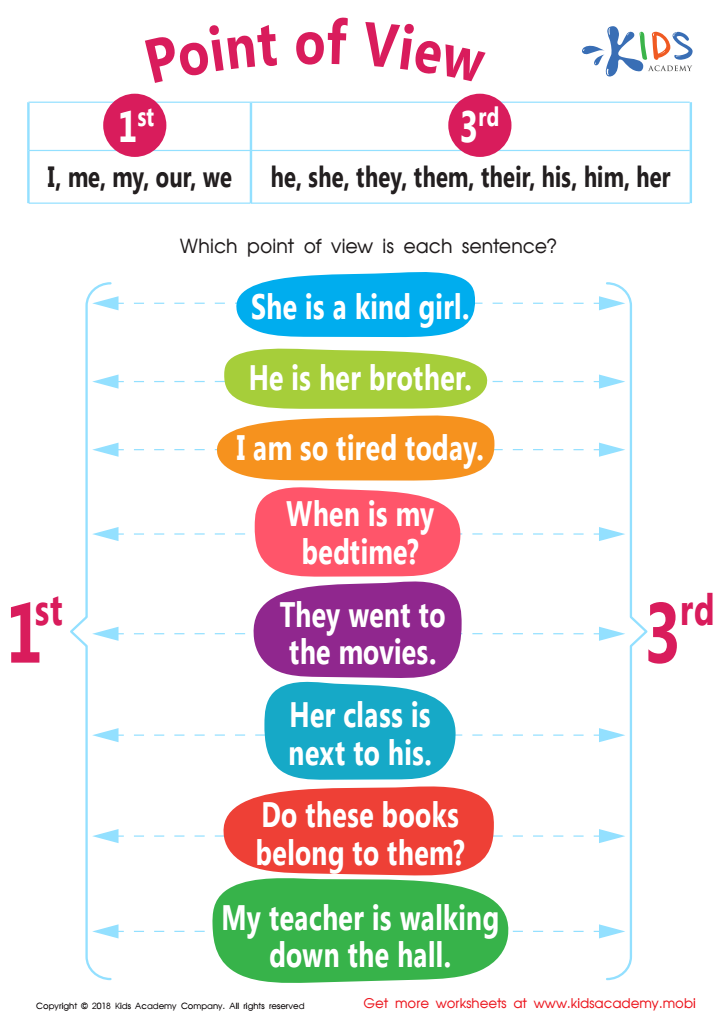
Point of View Worksheet
 Assign to My Students
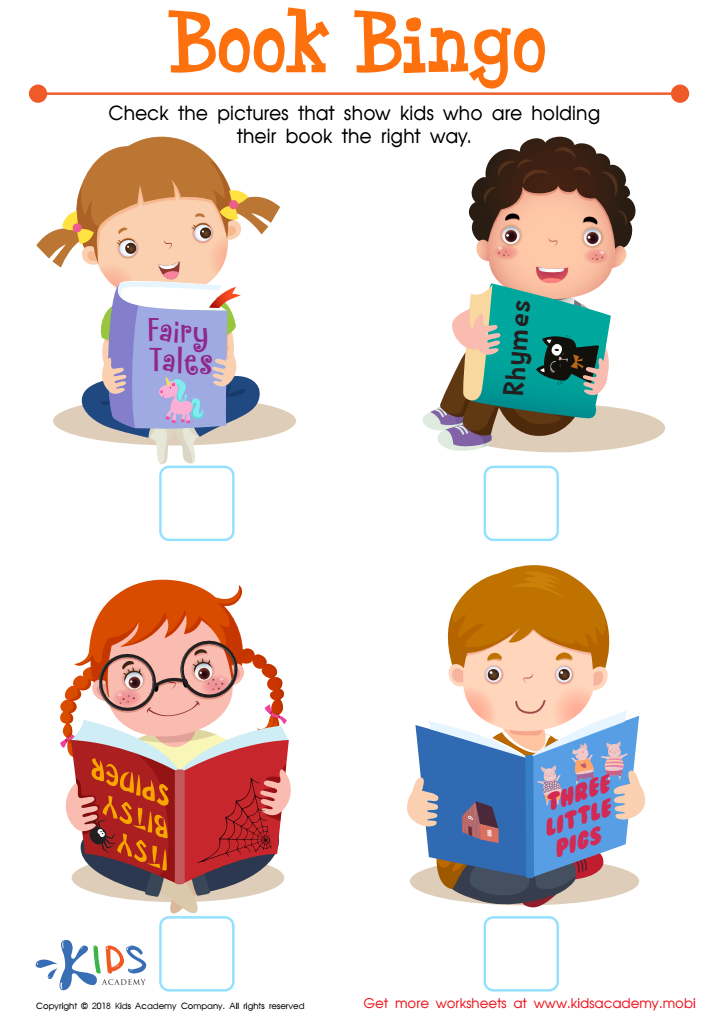
Book Bingo Worksheet
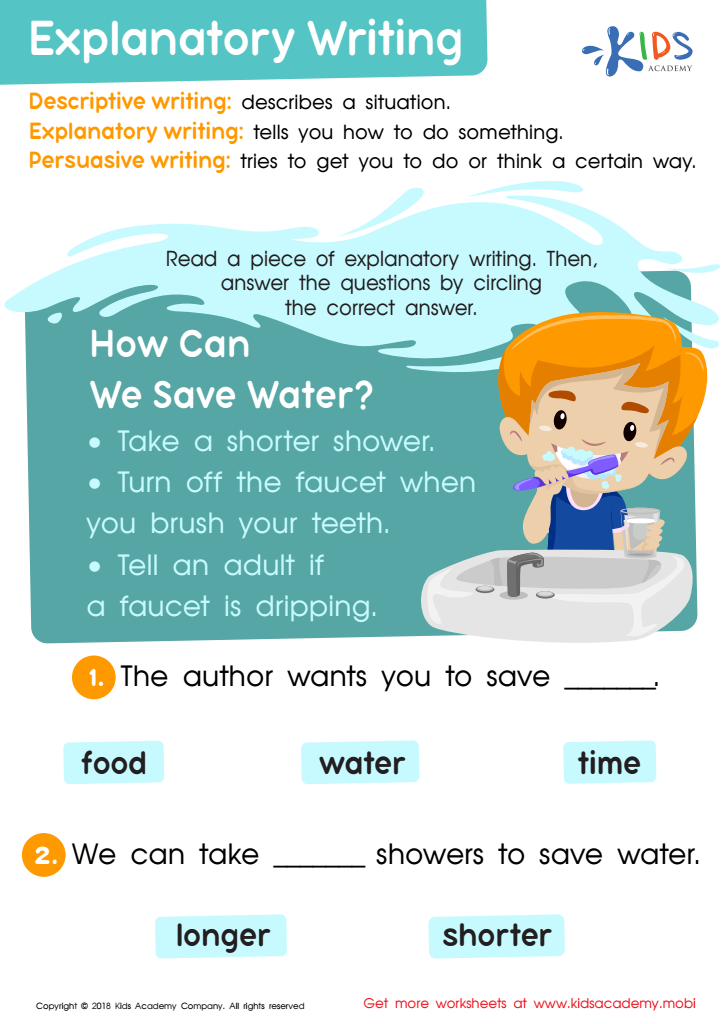
Explanatory Writing Worksheet
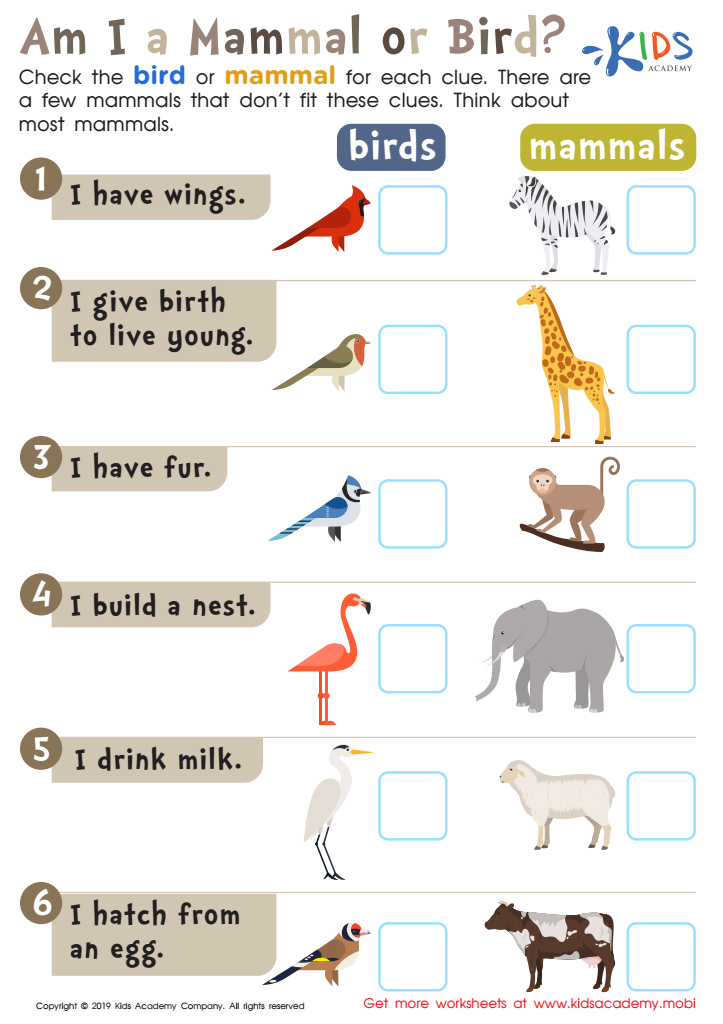
Am I a Mammal or Bird? Worksheet
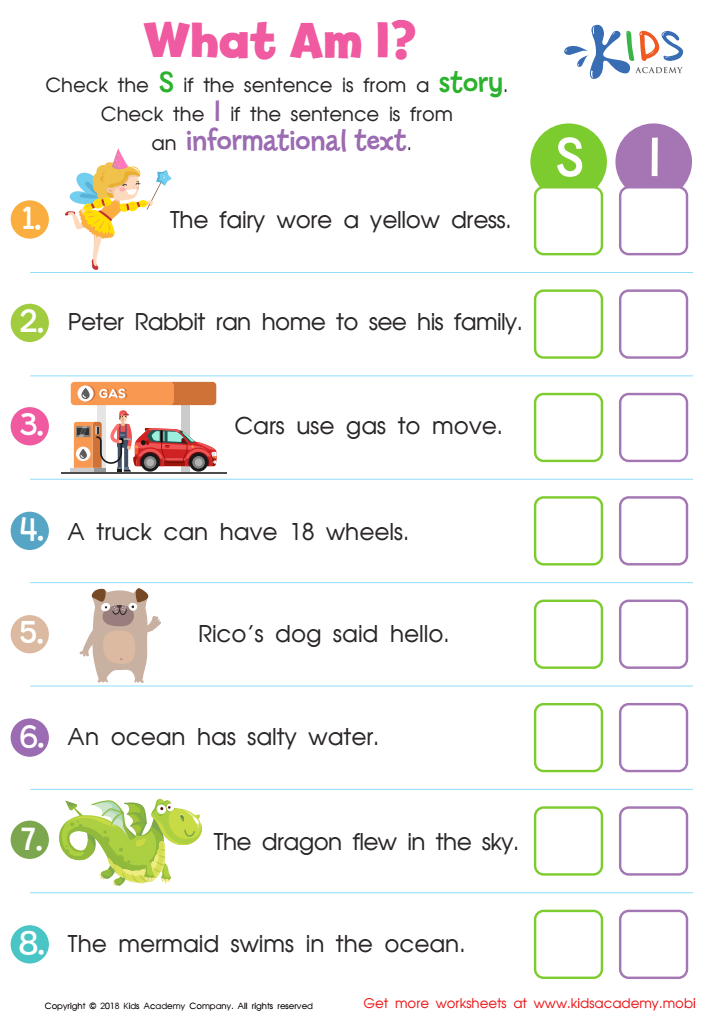
What Am I? Worksheet
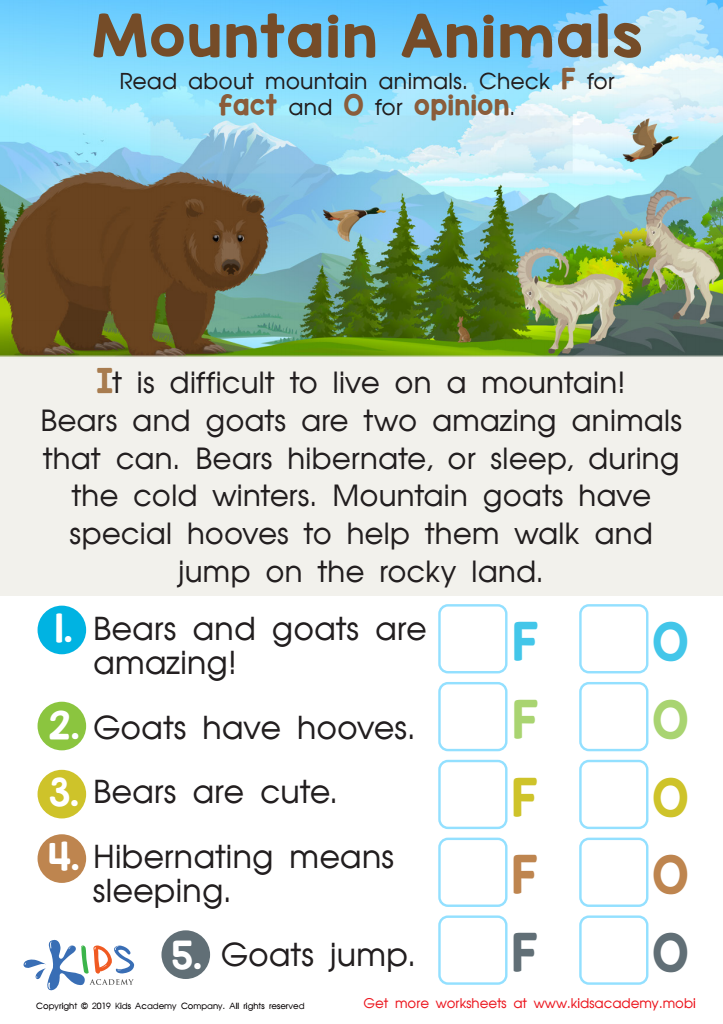
Mountain Animals Worksheet
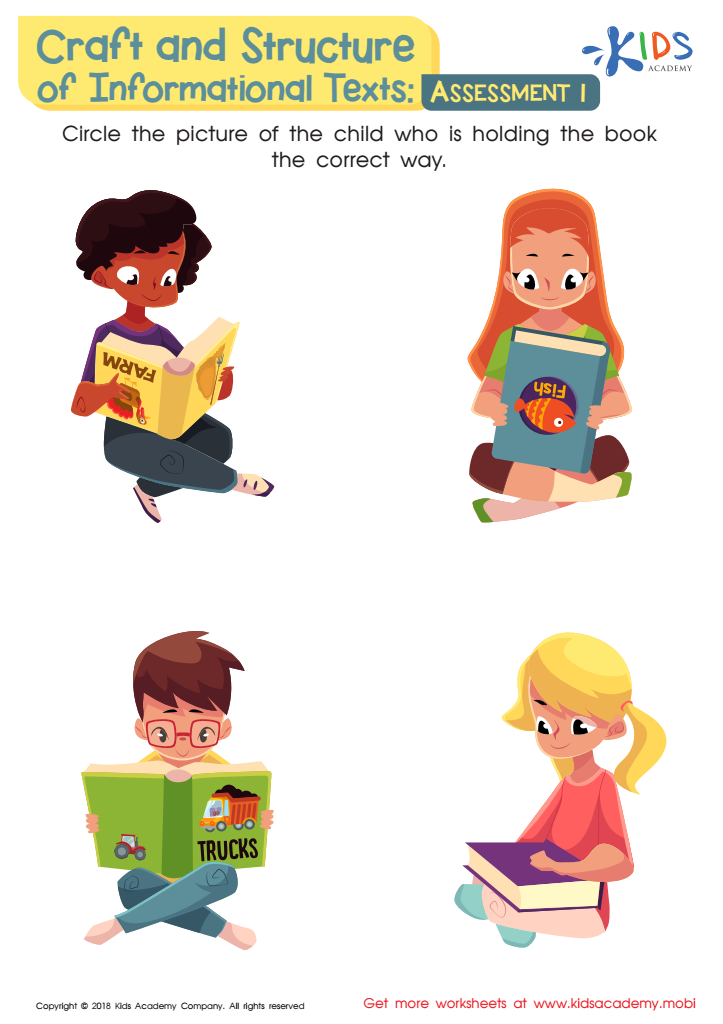
Craft and Structure of Informational Texts: Assessment 1 Worksheet
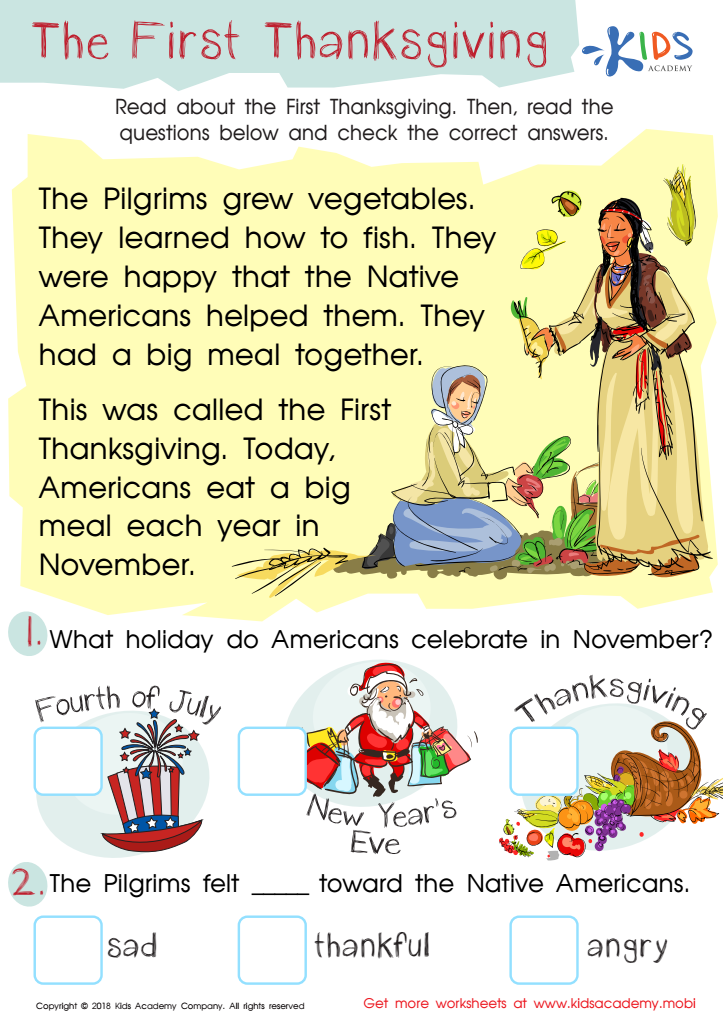
Assessment: First Thanksgiving Worksheet
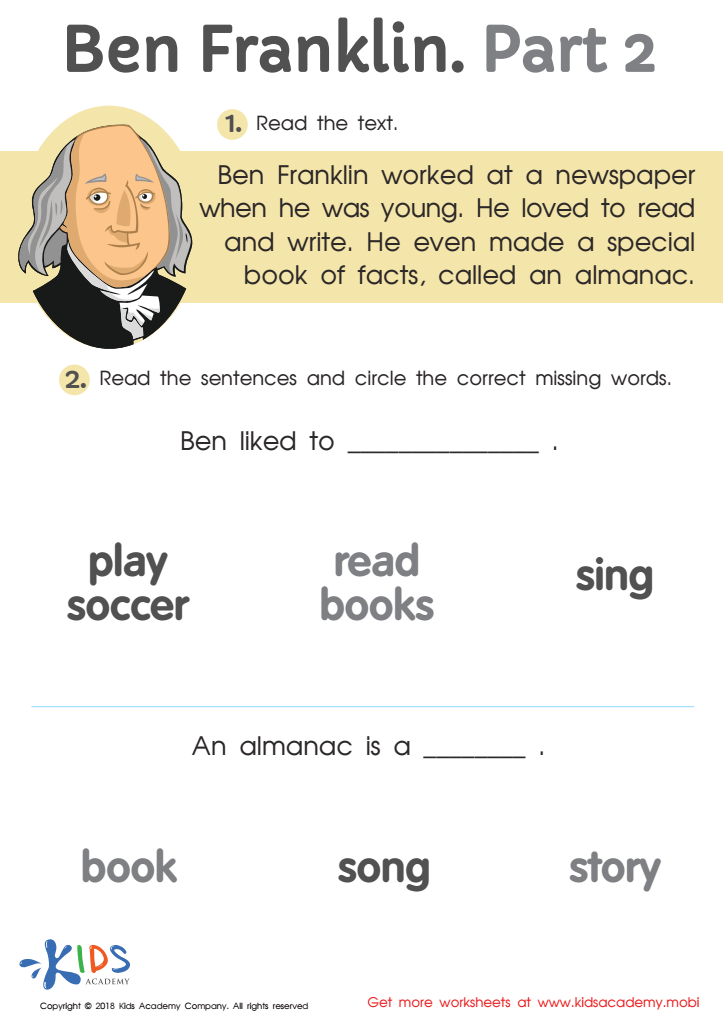
Ben Franklin Part 2 Worksheet








Critical thinking and reading non-fiction are crucial skills for young children, and nurturing these abilities in ages 3-8 lays a solid foundation for lifelong learning. Encouraging curiosity and critical thinking helps children develop the ability to ask questions, analyze information, and draw conclusions, which are valuable skills both academically and in everyday life. Exposure to non-fiction broadens their understanding of the world, exposing them to real-world concepts like science, history, and geography. It helps them differentiate between fact and fiction, fostering discernment and informed opinions.
For young children, reading non-fiction can also improve vocabulary and comprehension in ways that differ from storybooks. Non-fiction texts often include unique terminologies and factual content that enhance a child's language skills and background knowledge. When combined with critical thinking, this not only aids in understanding current information but also equips children to better grasp new and more complex material as they grow.
Moreover, the early development of critical thinking improves problem-solving skills and promotes independent thinking. Children trained in critical thinking and exposed to a varied range of informational content are more likely to become adaptable, reflective, and resourceful adults. This holistic development is key to succeeding in an increasingly information-rich, dynamic world. So, investing mindful attention to these areas during early childhood can yield profound long-term benefits.








