Cognitive Development Sight Words Worksheets for Ages 3-8
5 filtered results
-
From - To
Enhance your child's cognitive development with our engaging Sight Words Worksheets designed for ages 3-8! These worksheets focus on building foundational reading skills through a fun and interactive approach. By practicing essential sight words, children will improve their vocabulary, comprehension, and confidence in reading. Each worksheet is thoughtfully created to cater to various learning styles, ensuring that your little ones remain interested and motivated. Ideal for teachers and parents alike, our resources foster early literacy and cognitive growth, setting the stage for lifelong learning. Explore our collection today and watch your children thrive as they discover the joy of reading!
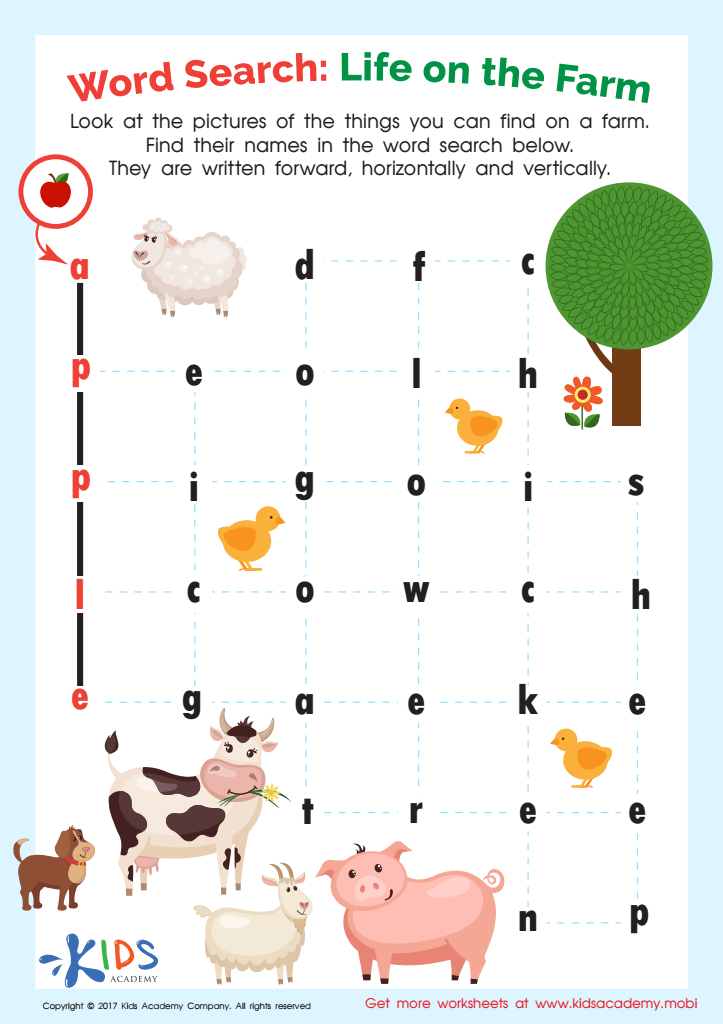
Word Search Puzzles Worksheet
 Assign to My Students







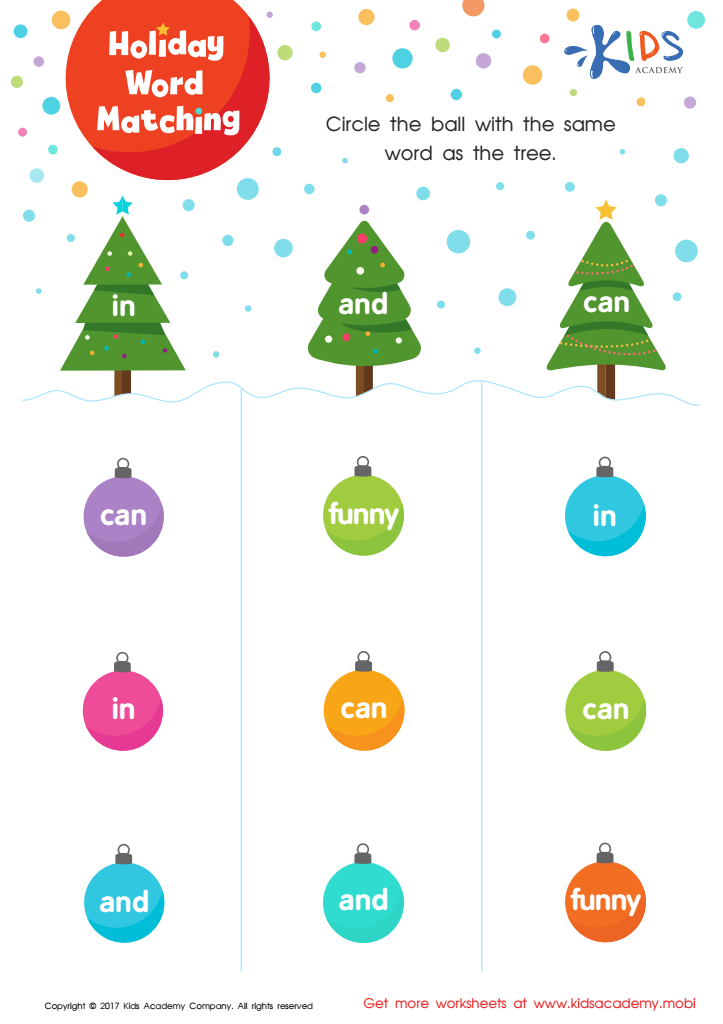
Holiday Word Matching Worksheet
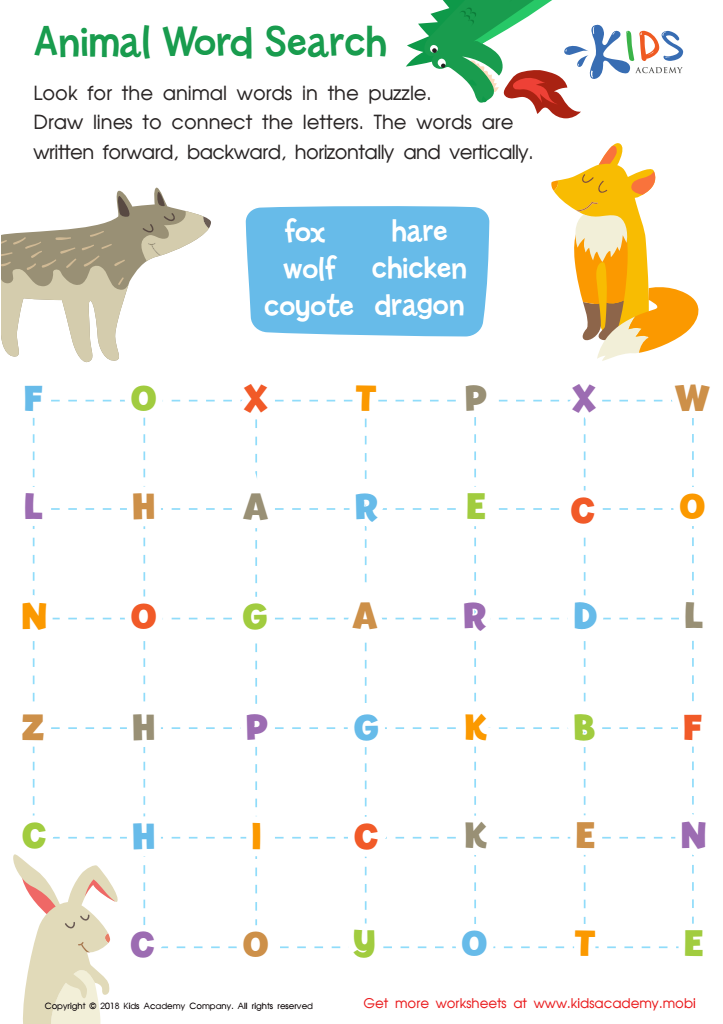
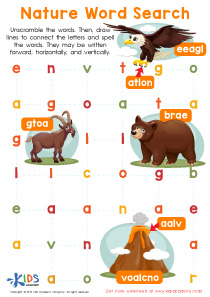
Animal Word Search Worksheet
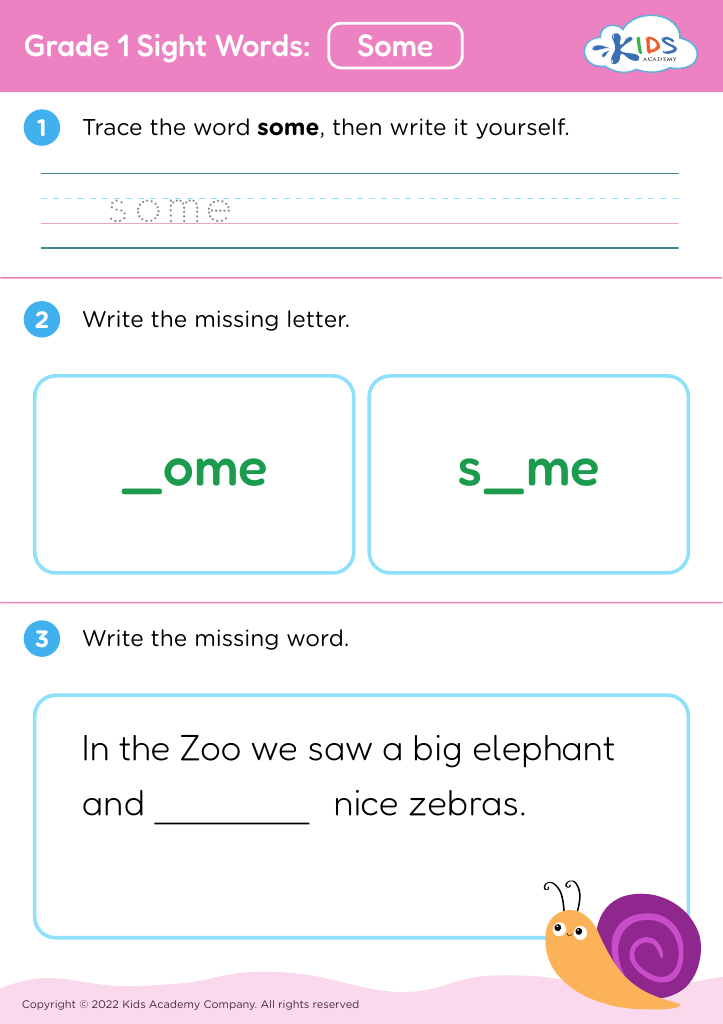
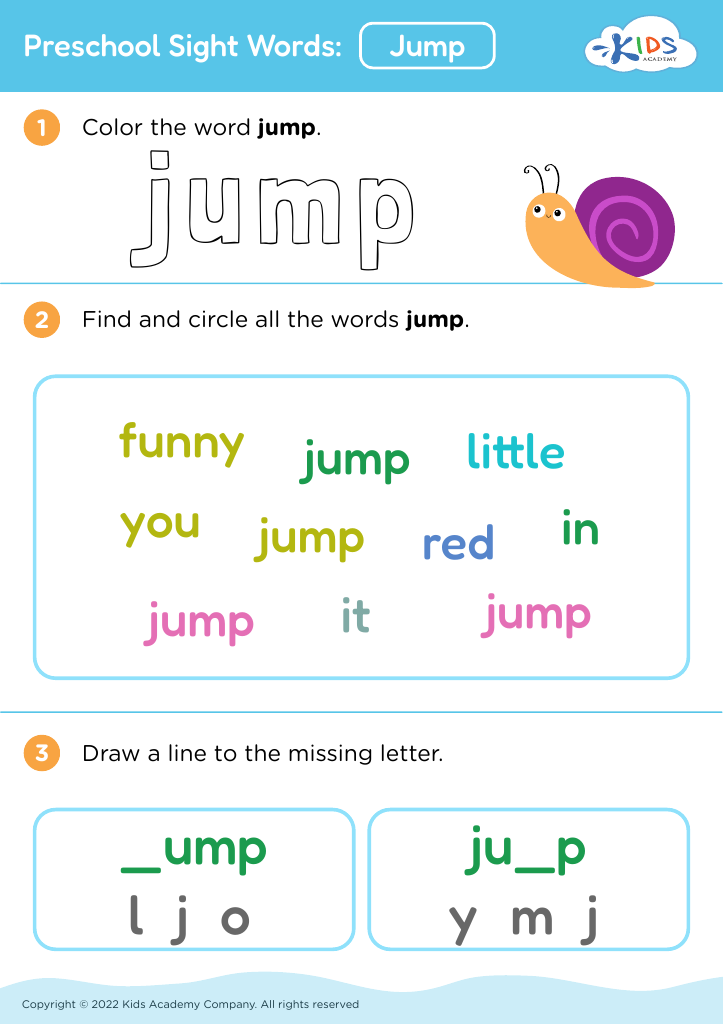








Cognitive development, particularly regarding sight words, is crucial for children aged 3-8 as these early years are foundational for literacy skills. Sight words are high-frequency words that children are encouraged to recognize instantly without needing to decode them. They form the backbone of early reading fluency and comprehension, allowing young learners to engage with texts more easily.
For parents and teachers, supporting sight word recognition is essential because it enhances children's confidence and motivation to read. The ability to recognize these words automatically frees up cognitive resources to understand and enjoy stories, fostering a love for reading. As children become proficient in sight words, they are better equipped to tackle more complex texts, linking the knowledge in their minds with their reading skills.
Furthermore, cognitive development through sight words aligns with critical thinking and problem-solving skills. Learning to recognize patterns in words helps strengthen memory and attention, essential capabilities in overall cognitive growth.
Ultimately, fostering sight word recognition not only boosts immediate reading abilities but also lays the groundwork for future academic success, making it a vital focus for parents and teachers alike during these formative years. Investing in this area can significantly impact a child's lifelong educational journey.