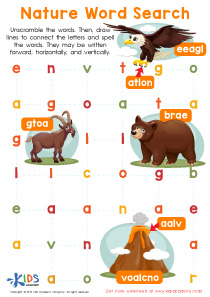
Comparing quantities Sight Words Worksheets for Ages 3-8
3 filtered results
-
From - To
Introducing our "Comparing Quantities Sight Words Worksheets for Ages 3-8," these engaging activities are designed to make learning fun and effective for young readers. Perfect for preschool and early elementary students, these worksheets help kids recognize sight words while comparing quantities in colorful, interactive exercises. Reinforcing critical thinking, visual learning, and language skills, our worksheets provide an essential foundation for reading success. With appealing graphics and age-appropriate challenges, kids will love mastering the basics of literacy and numeracy. Ideal for both classroom and home use, our sight words worksheets foster a confident start to lifelong learning.
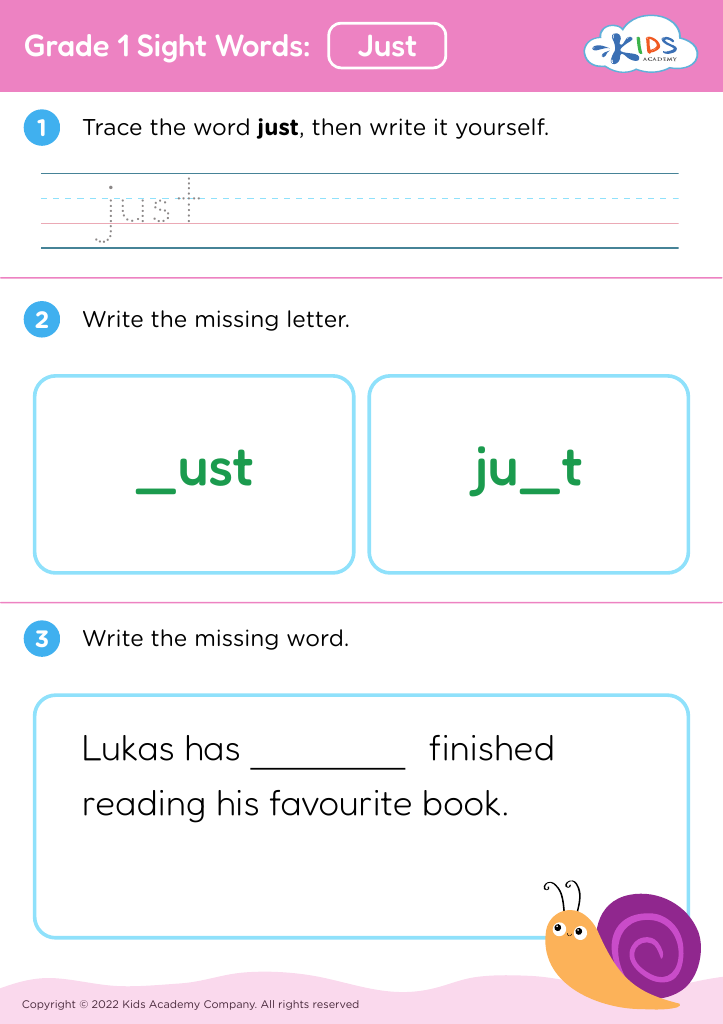




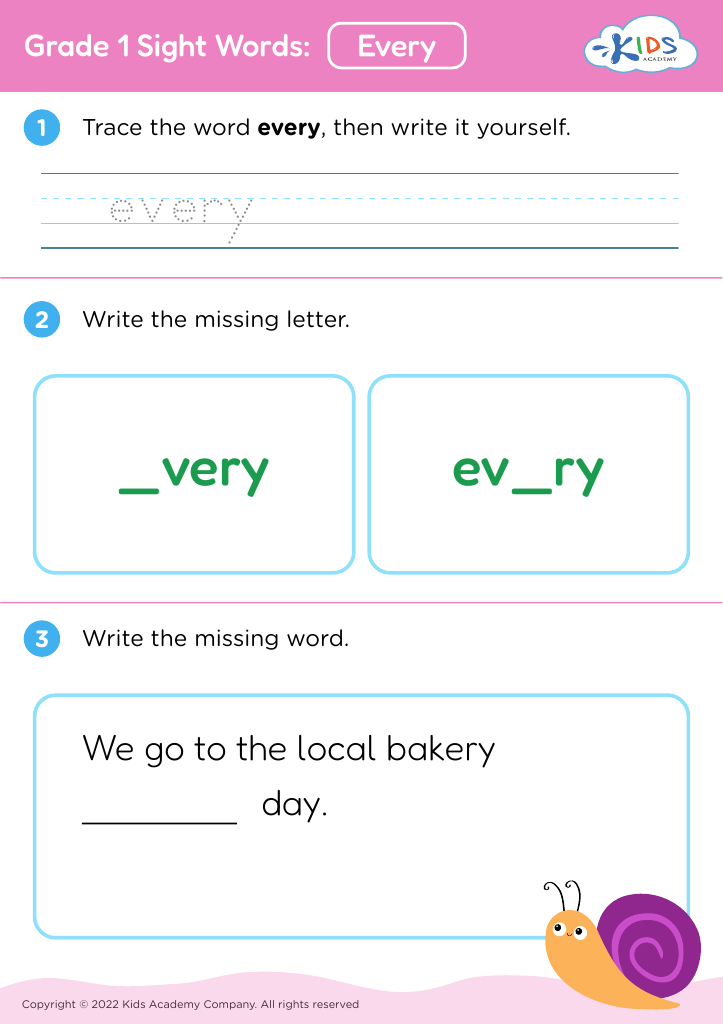
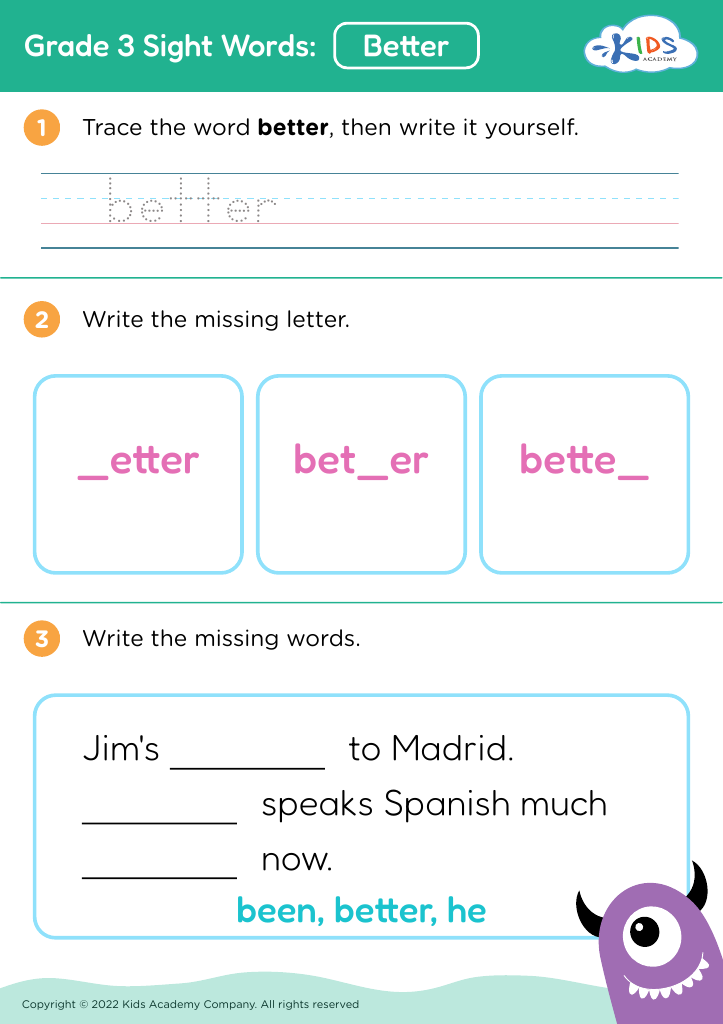







Comparing quantities and learning sight words are essential foundational skills for young children, bridging into numerous developmental milestones. For ages 3-8, these skills not only support cognitive and language development but also prepare kids for future academic success.
Comparing quantities helps children develop numerical literacy, an understanding crucial for grasping basic math concepts. By comparing quantities, kids learn about greater than, less than, and equal to, laying the groundwork for arithmetic operations like addition and subtraction. It enhances their ability to make logical conclusions and strengthens problem-solving skills, directly impacting subjects like science and technology in later learning.
Sight words, differing from phonetic words, are high-frequency words that often don’t follow standard decoding rules. Recognizing these words by sight enables children to read more fluidly and with better comprehension since they don't have to pause to sound out every word. This faster processing promotes a love for reading, enriches vocabulary, and improves overall language skills, which are critical for effective communication and understanding.
Parents and teachers who focus on these areas provide children with invaluable tools that enhance confidence and independence in their studies. Early proficiency in comparing quantities and recognizing sight words sets a positive trajectory for lifelong learning and success.