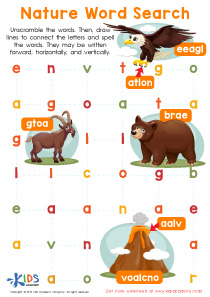
Logical Reasoning Sight Words Worksheets for Ages 3-8
3 filtered results
-
From - To
Enhance your child's reading journey with our Logical Reasoning Sight Words Worksheets, designed specifically for ages 3-8. These engaging worksheets blend sight word recognition with essential logical reasoning skills, boosting comprehension and critical thinking. Each interactive activity encourages young learners to make connections, compare, and categorize, ensuring deeper understanding of vocabulary in context. Perfect for homeschooling or supplementary practice, our resources help children thrive in their reading development while making learning fun. Explore our collection to support your child's growth and spark a love for learning today! Ideal for teachers and parents alike, these worksheets are a fantastic educational tool.
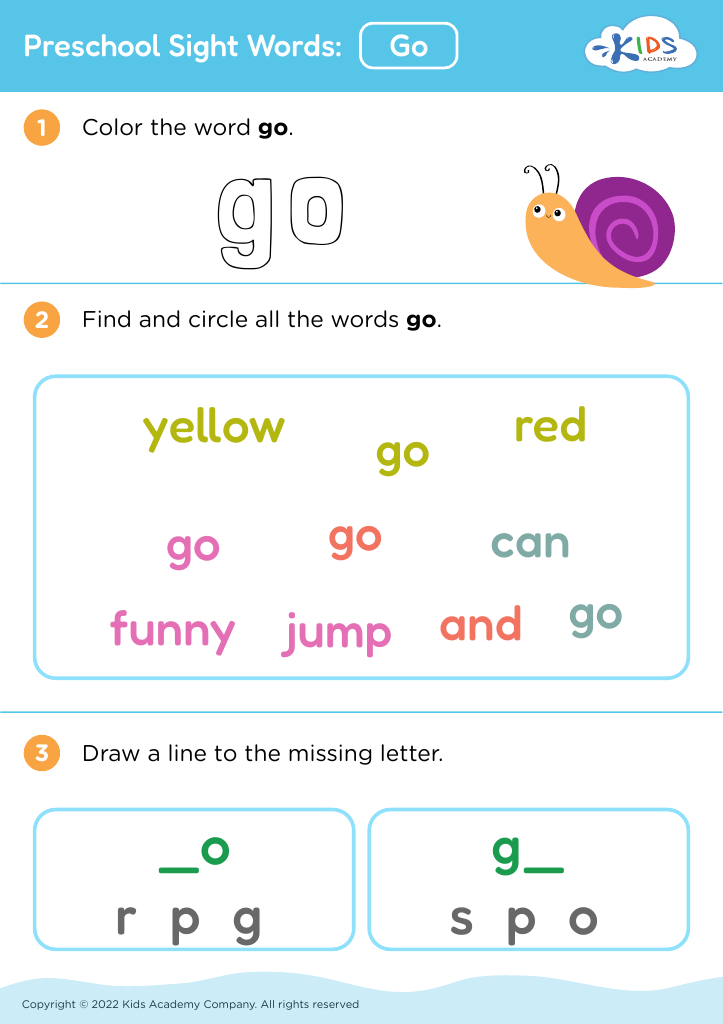
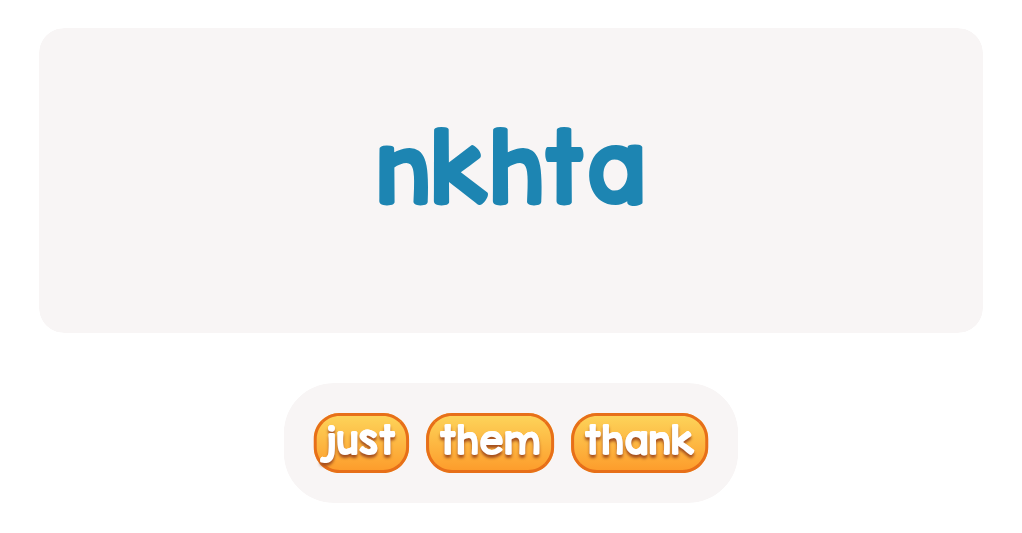




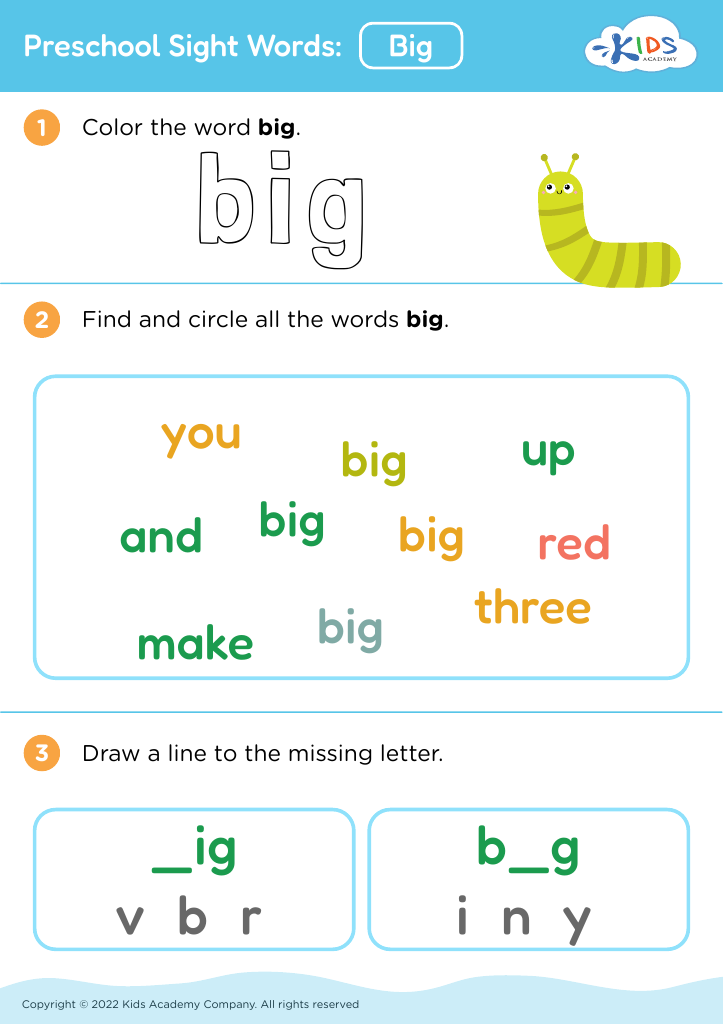





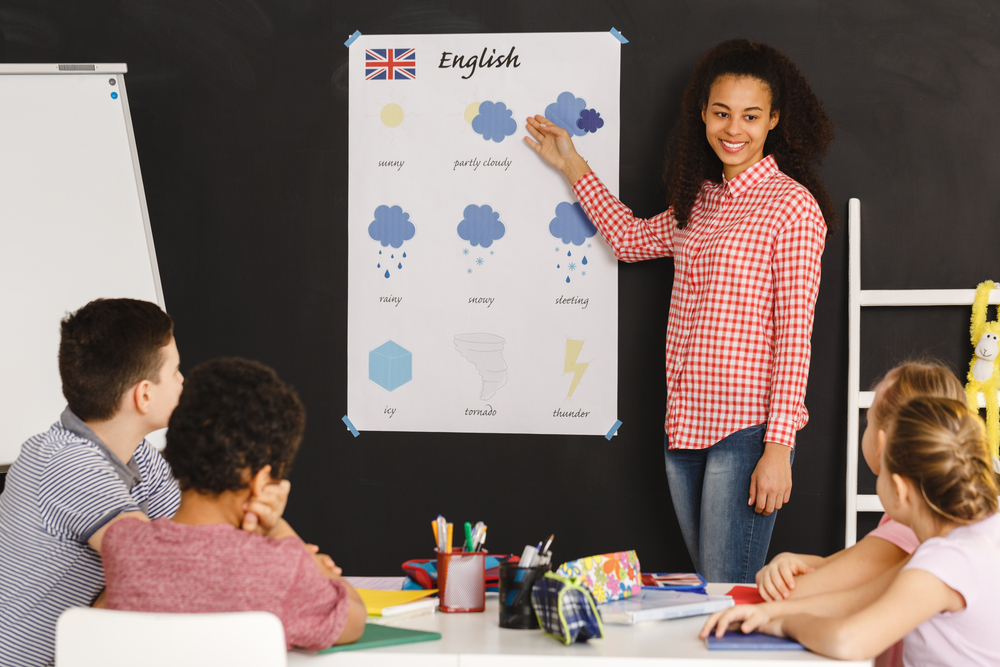


Logical reasoning sight words are crucial for children aged 3-8 as they serve as the foundational building blocks for literacy and cognitive development. Sight words are common words that children can recognize instantly, enhancing their reading fluency and comprehension. When these words are paired with logical reasoning exercises, children not only learn to recognize words but also to infer meaning and make connections in their reading and daily life.
Integrating logical reasoning with sight words encourages critical thinking. As children engage with different contexts and scenarios involving these words, they develop skills necessary for problem-solving and making sound judgments. This combination fosters a deeper understanding of language and enhances their ability to analyze information.
Furthermore, learning to recognize sight words increases a child’s confidence in reading, leading to a positive attitude towards literacy. For parents and teachers, focusing on logical reasoning sight words promotes a holistic approach to education, sharpening linguistic skills alongside cognitive abilities. This approach ultimately prepares children not only for success in reading but also for future academic endeavors, making it vital for everyone involved in early education to prioritize this developmental aspect.