Shape Recognition Sight Words Worksheets for Ages 3-8
7 filtered results
-
From - To
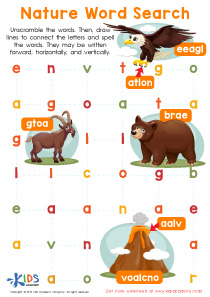
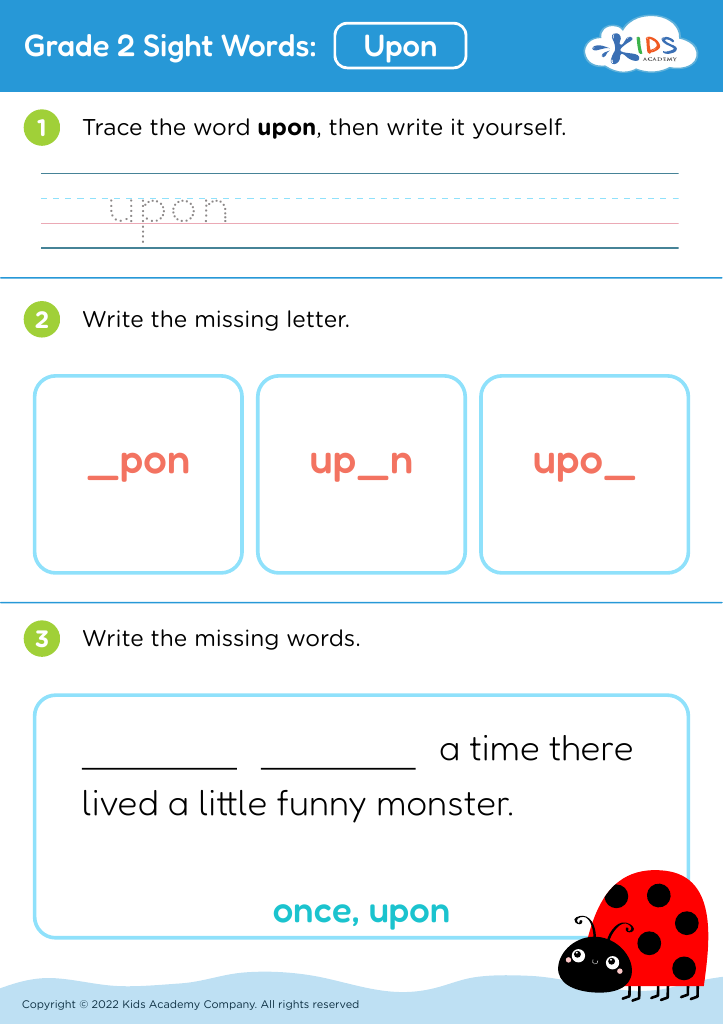
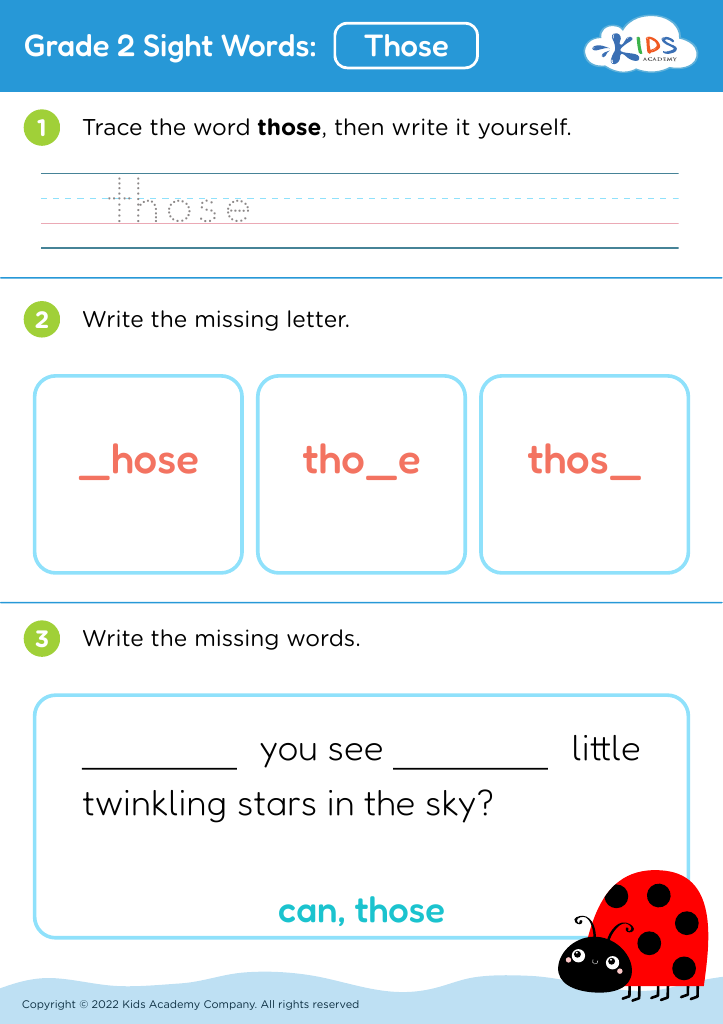
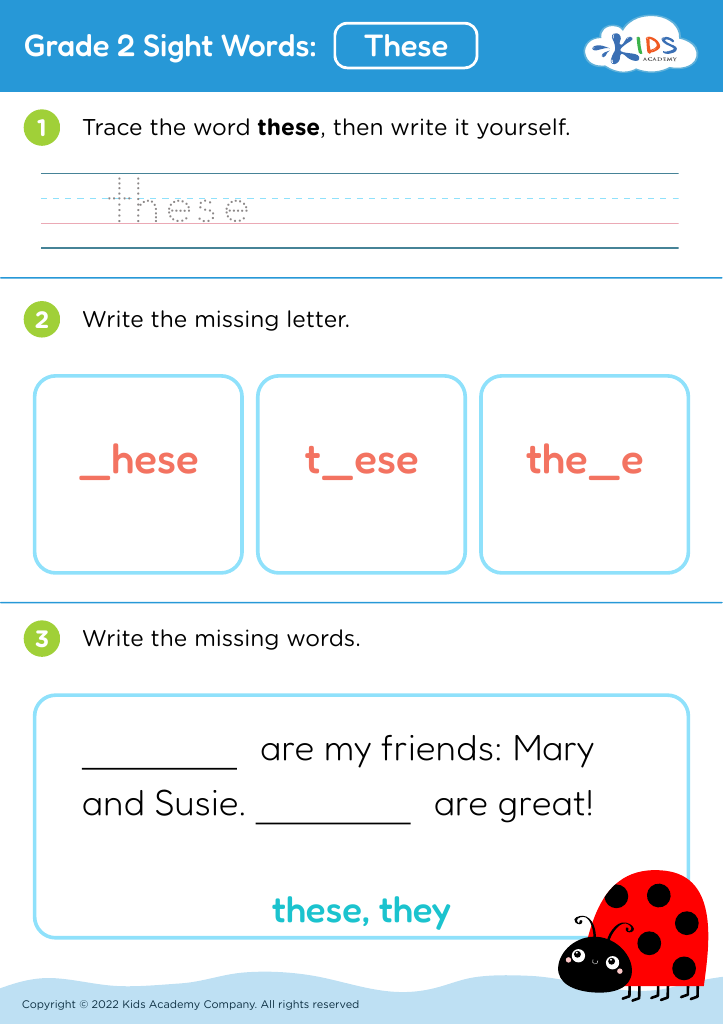
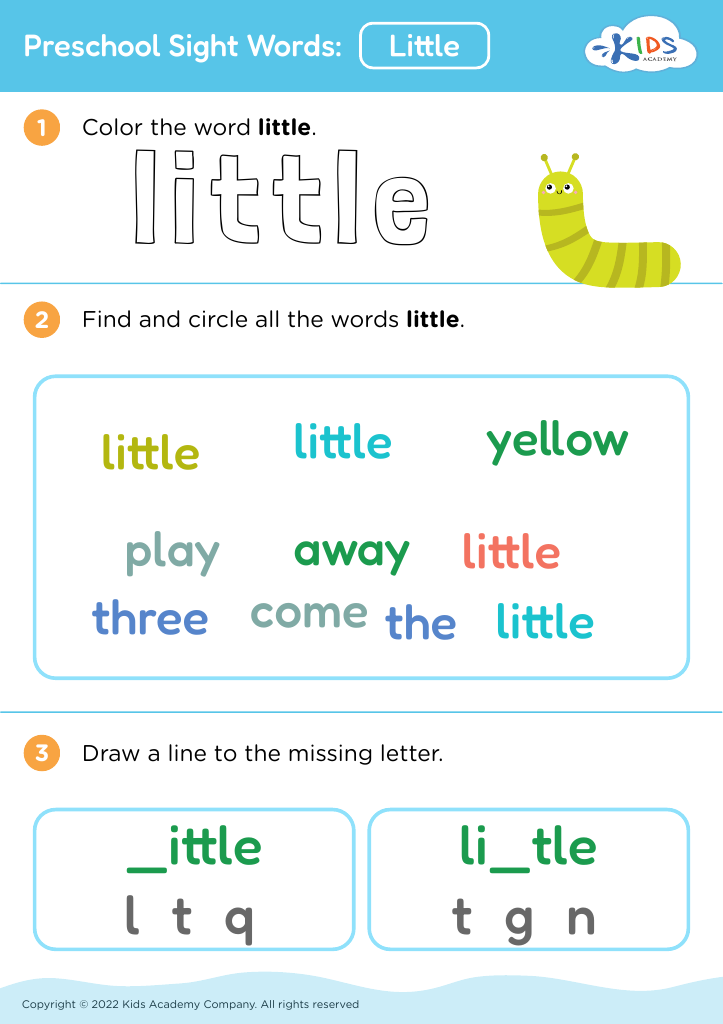
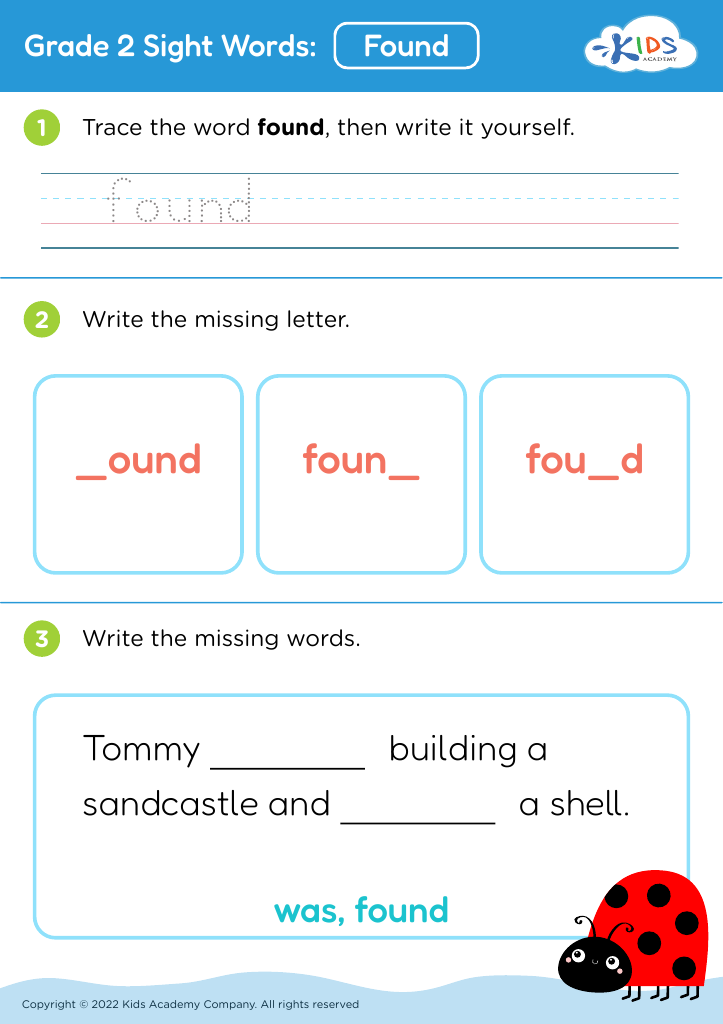
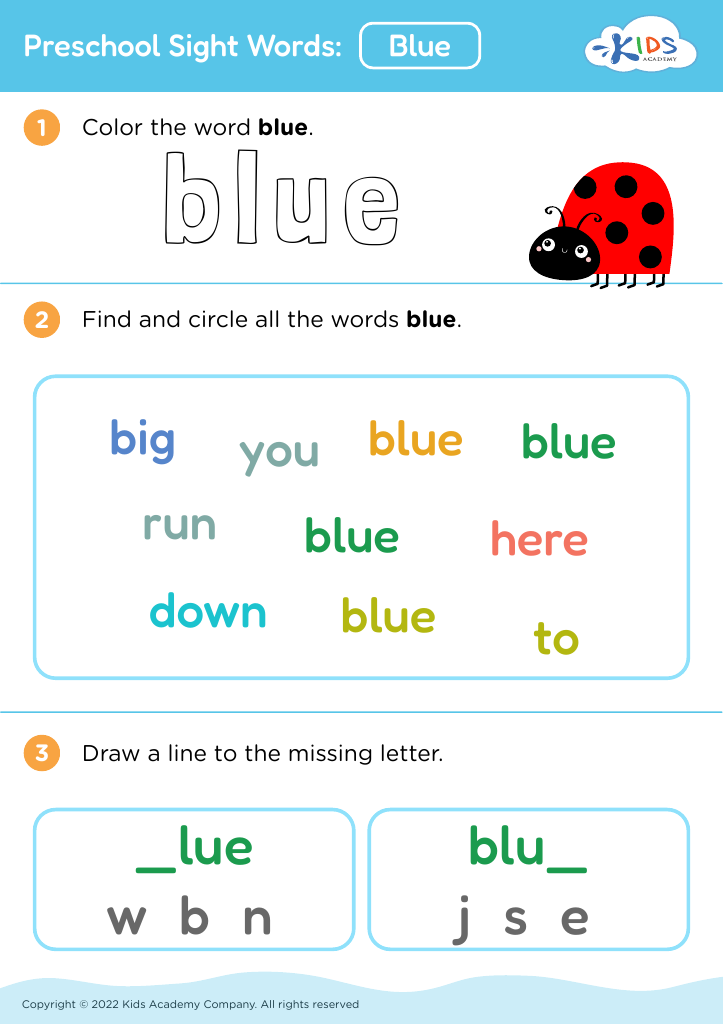
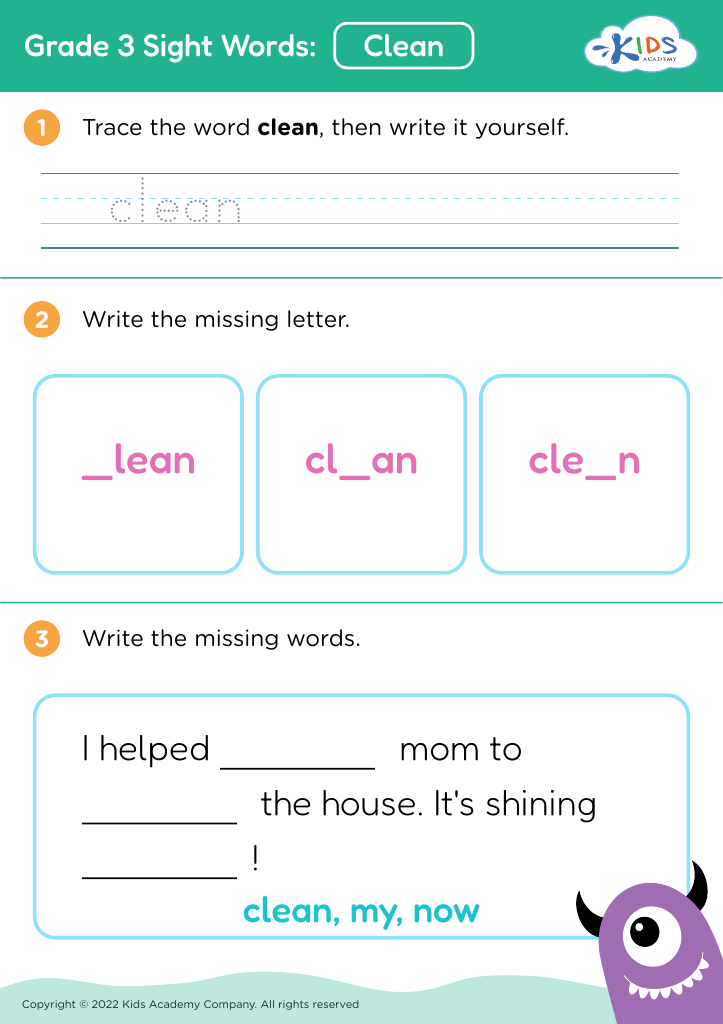
Discover our engaging Shape Recognition Sight Words Worksheets designed for children aged 3-8! These interactive resources blend early literacy skills with shape recognition, helping young learners identify and read essential sight words while becoming familiar with various shapes. Our worksheets feature fun activities that encourage creativity and critical thinking, making learning enjoyable and effective. Perfect for home or classroom use, these activities support developing language skills and visual perception in an age-appropriate manner. Encourage your child's love for reading and shape exploration today with our thoughtfully crafted worksheets! Suitable for educators and parents alike, our materials promote cognitive growth through play.





.jpg)




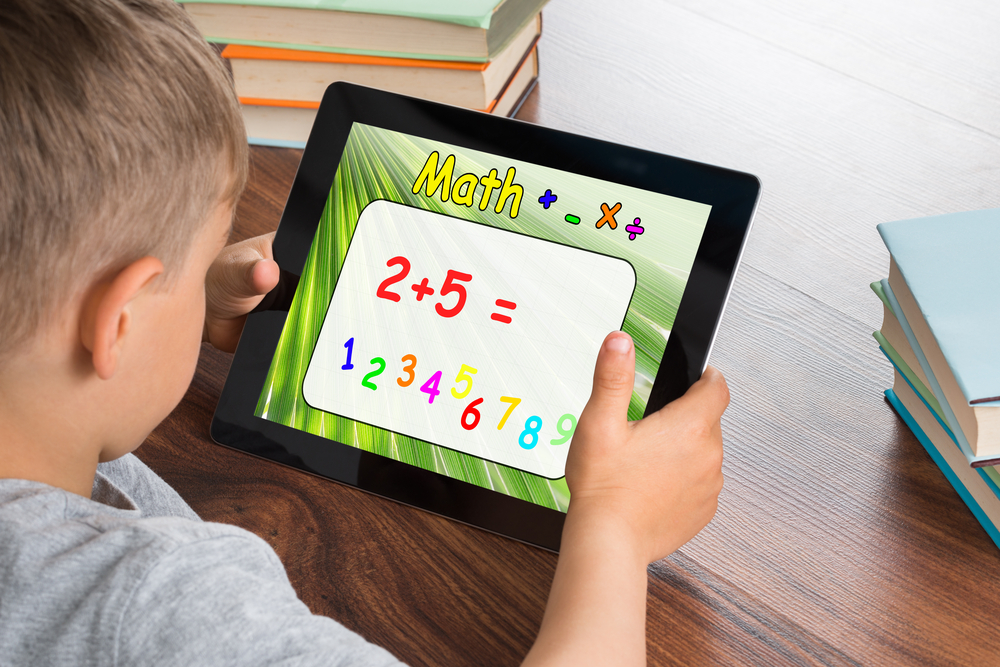
Shape recognition sight words are essential for children aged 3-8 as they lay the groundwork for literacy and cognitive development. These foundational skills help young learners identify and understand basic shapes, which are not only critical in early mathematical concepts but also in recognizing words.
Understanding shapes and their properties enables children to draw connections between visual representations and language, aiding in sight word recognition. When children can identify shapes—like circles, squares, and triangles—they begin to see similarities in the shape of letters and whole words. This visual processing encourages quicker recognition, which is crucial for reading fluency.
Moreover, incorporating shape recognition into early education engages children through interactive learning methods, promoting both fine motor skills and creativity. Activities like drawing shapes, constructing with blocks, or engaging in shape-related games make learning enjoyable and effective.
For parents and teachers, fostering shape recognition is an invaluable tool for assisting children in building a strong literacy foundation. By integrating these skills into daily activities, we prepare our young learners for future academic success while nurturing their confidence and enthusiasm for learning. Ultimately, recognizing the importance of shape recognition sight words plays a crucial role in developing a well-rounded educational experience for children.