Understanding multiplication Sight Words Worksheets for Ages 3-8
4 filtered results
-
From - To
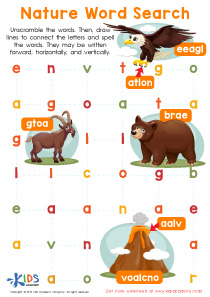
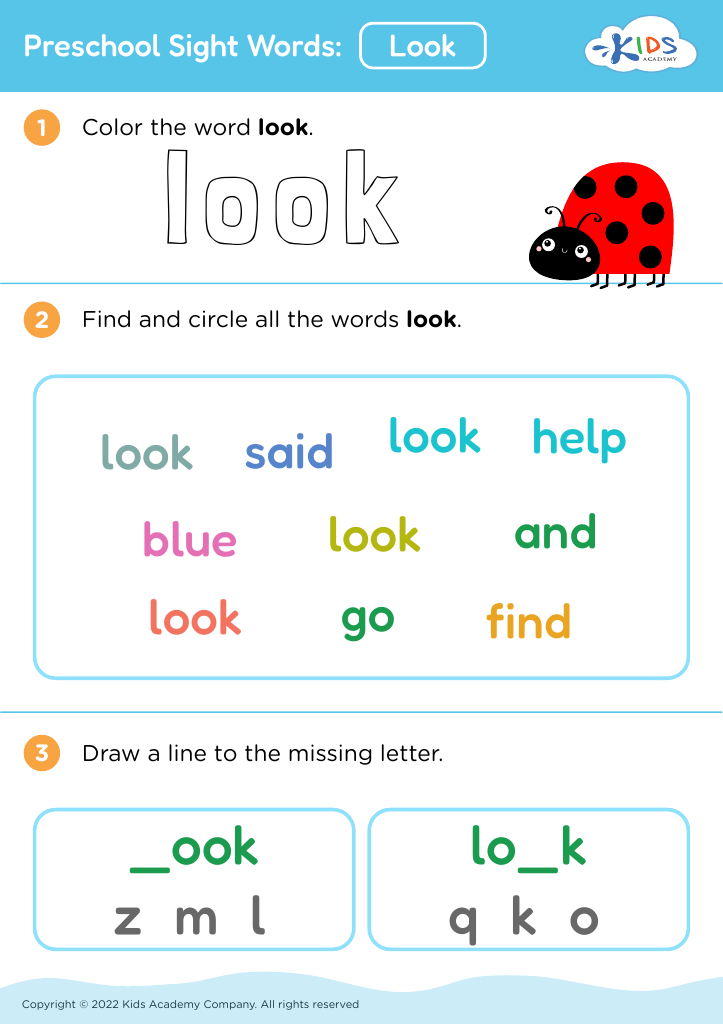
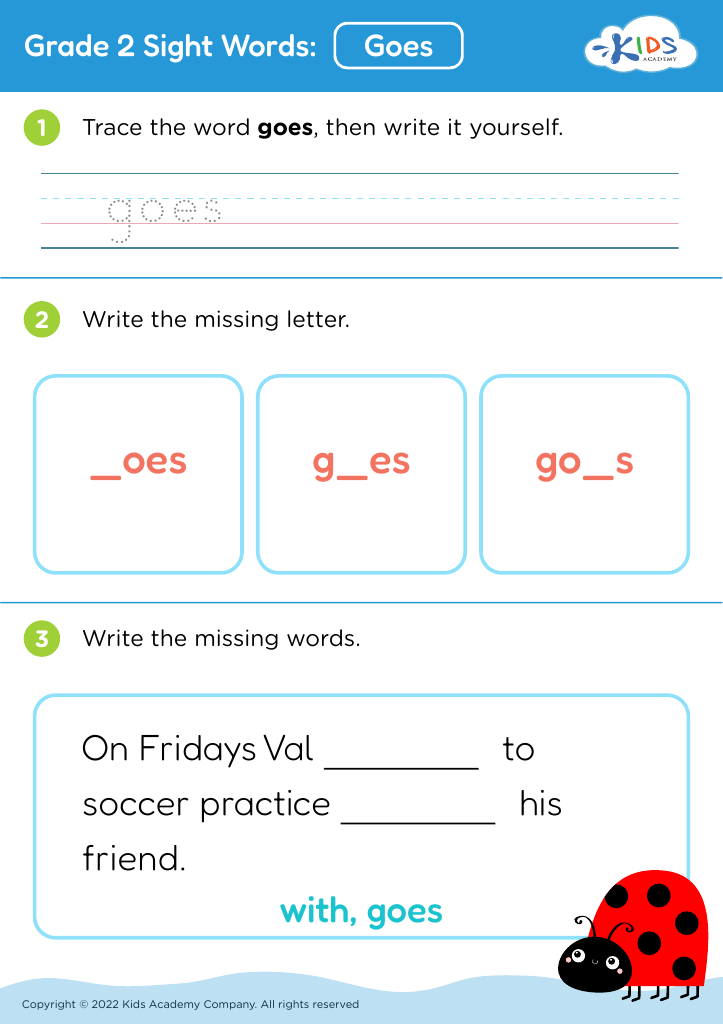
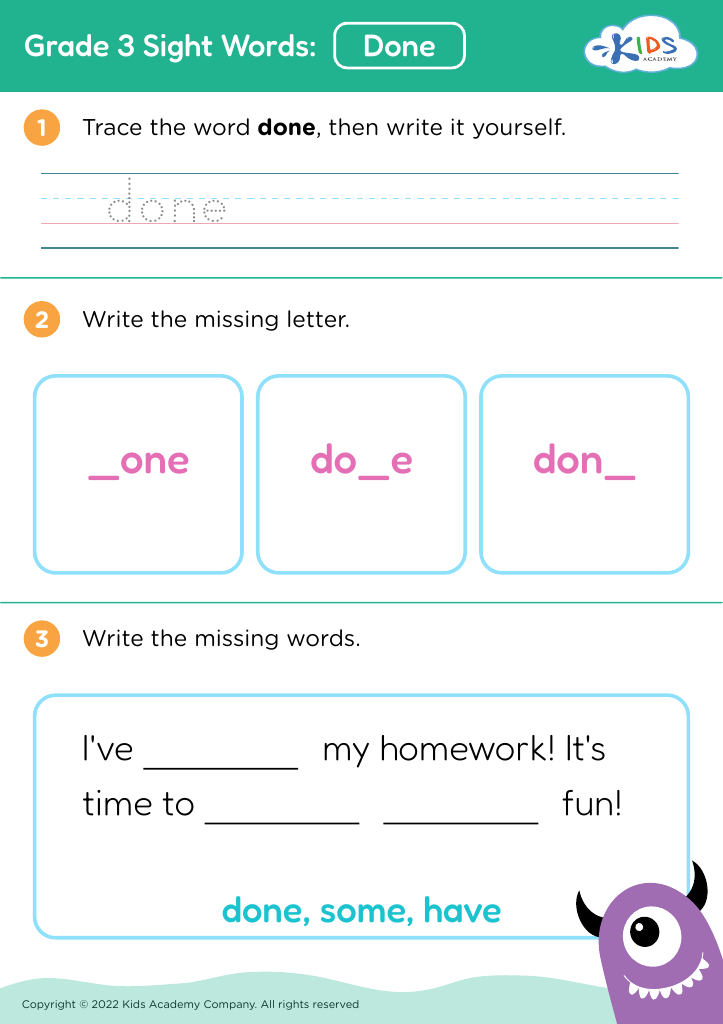
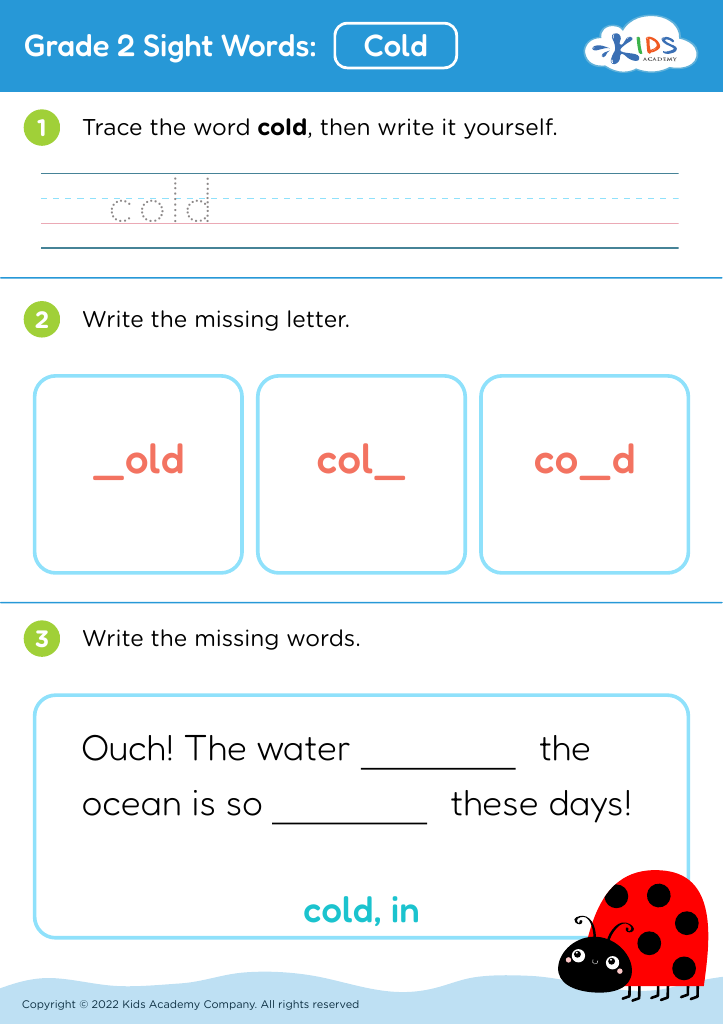
Discover an engaging way to introduce your child to the concept of multiplication with our "Understanding Multiplication Sight Words Worksheets" tailored for ages 3-8. These worksheets blend sight word recognition with foundational multiplication skills, making learning fun and interactive. Each activity is carefully designed to enhance vocabulary while reinforcing essential math concepts through colorful visuals and relatable scenarios. Perfect for teachers and parents alike, these resources promote early literacy and numeracy skills, ensuring children build confidence in both reading and math. Start your child’s educational journey on the right foot with these effective, age-appropriate worksheets that cater to young learners!








.jpg)





Understanding multiplication sight words is crucial for young learners aged 3-8 because it lays the groundwork for mathematical literacy and problem-solving skills. Early exposure to terms like "times," "groups of," and "product" helps children develop a foundational vocabulary essential for grasping multiplication concepts later on. As children navigate the world of early math, these sight words act as critical building blocks for understanding more complex operations, which they will encounter as they progress in their education.
Moreover, familiarizing children with multiplication sight words at a young age creates a confident, positive attitude toward mathematics. When students are comfortable and knowledgeable about mathematical terminology, they are more likely to engage meaningfully in class, participate in discussions, and encourage their peers. This vocabulary familiarity enhances comprehension, allowing children to focus on solving problems rather than deciphering terms, which is essential for effective learning.
By integrating multiplication sight words into early education and family interactions, parents and teachers foster an environment where children can explore and enjoy mathematics. This approach not only supports academic achievement but also prepares them for future challenges in their educational journey. Early engagement ultimately empowers children, turning mathematics from a daunting subject into an accessible and enjoyable adventure.