Logical thinking Grammar Worksheets for Ages 3-8
4 filtered results
-
From - To
Discover the ultimate collection of Logical Thinking Grammar Worksheets for Ages 3-8 at Kids Academy. Designed to cultivate young minds, these worksheets combine essential grammar skills with fun, interactive activities that engage children while promoting critical thinking. Perfect for preschool through early elementary students, our resources cover spelling, sentence structure, punctuation, and more. Each worksheet is crafted to build a strong foundation in language arts, boost confidence, and enhance problem-solving abilities, ensuring your child excels in both literacy and logical reasoning. Download now for an enriching learning experience at home or in the classroom!
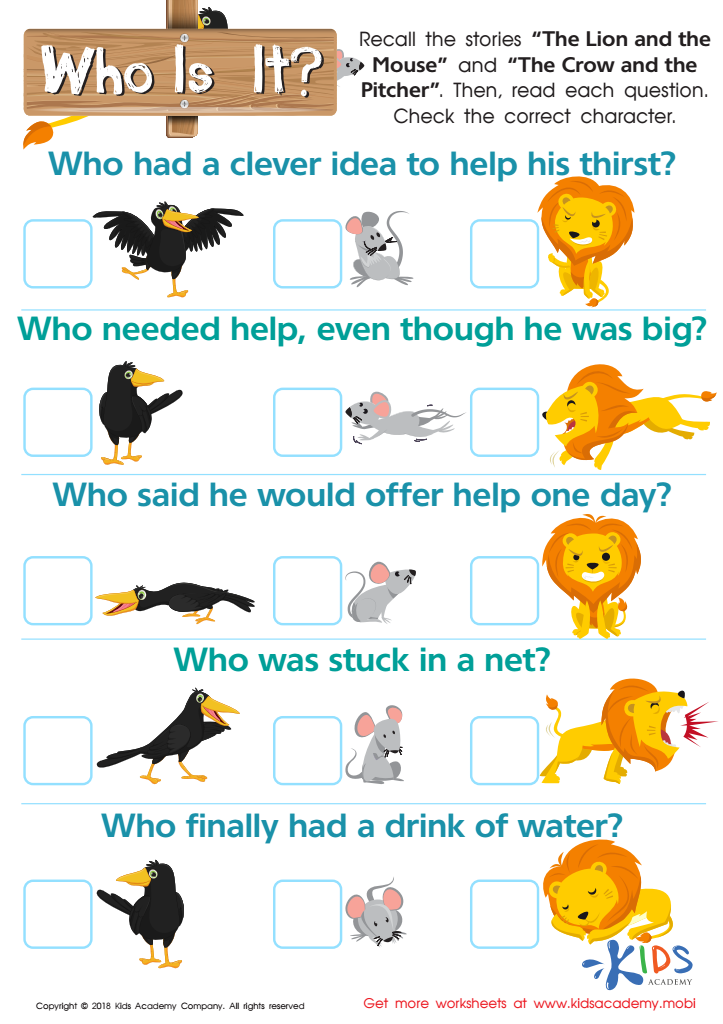
Who Is It? Worksheet
 Assign to My Students
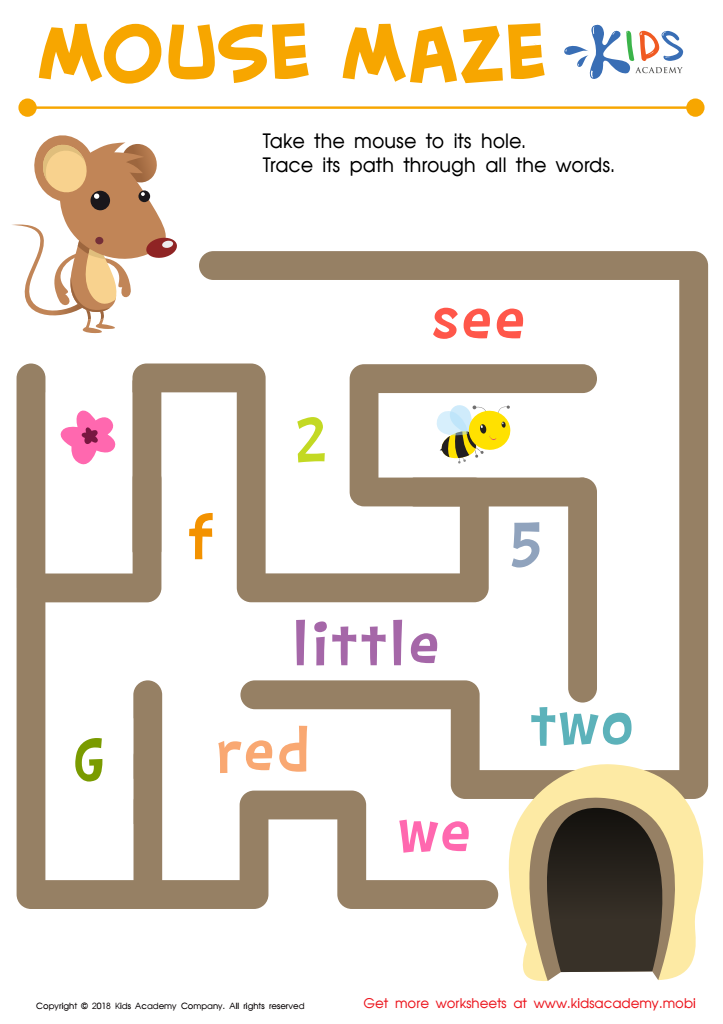
Find Words Mouse Maze Worksheet
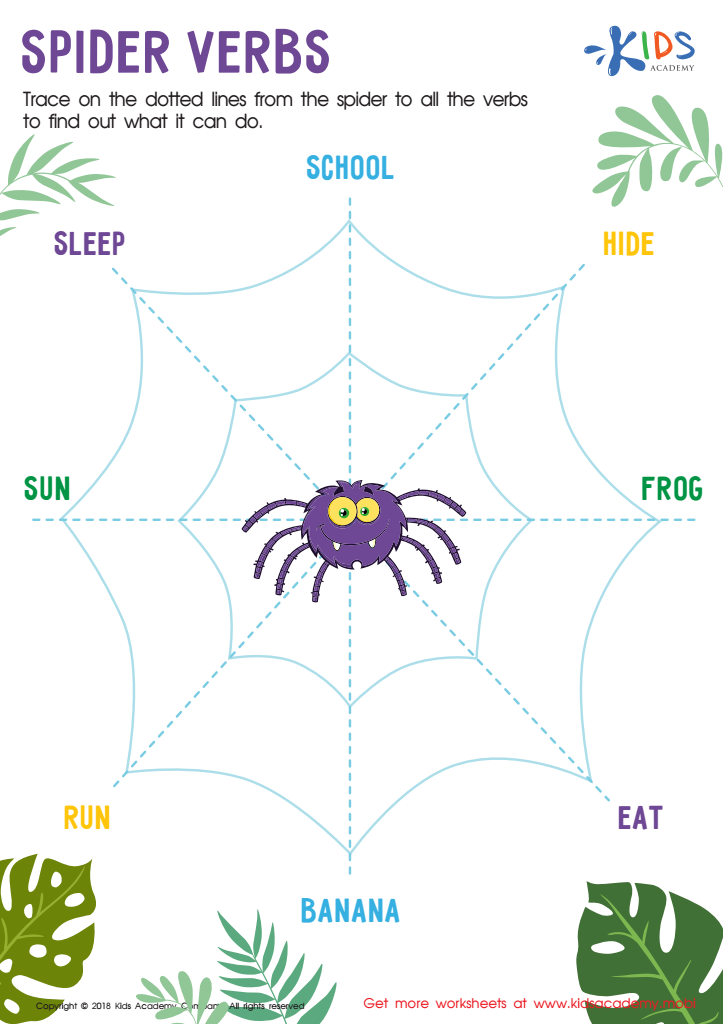
Spider Verbs Worksheet
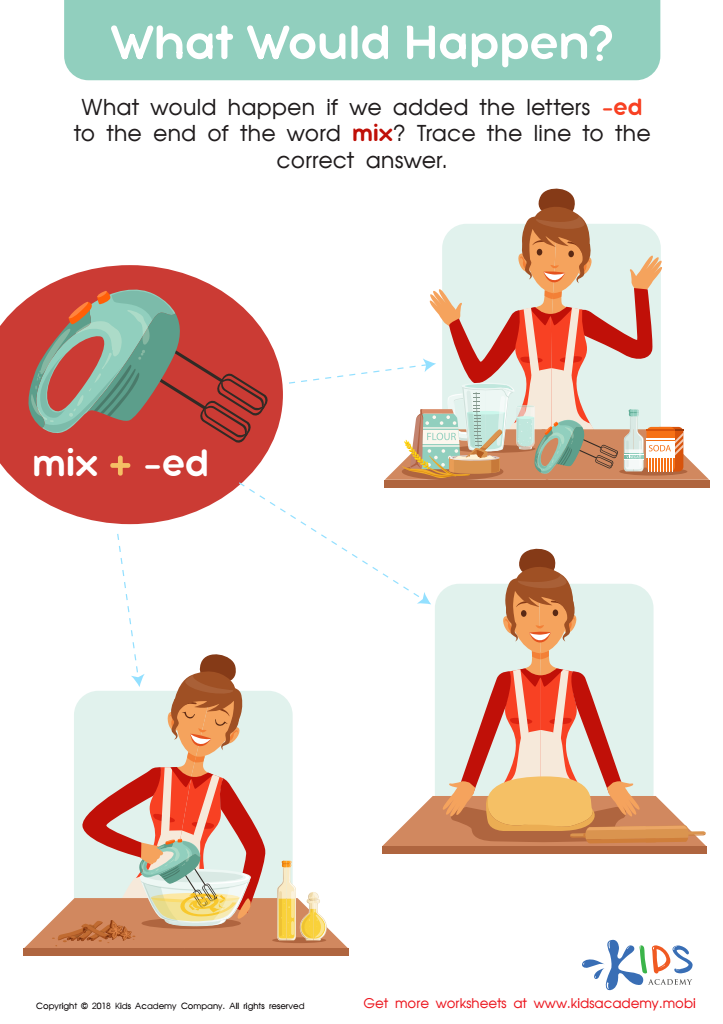
What Would Happen? Worksheet



.jpg)



Logical thinking grammar is foundational for early childhood development and has a significant impact on children aged 3-8. During these formative years, young minds are incredibly receptive to learning and acquiring new skills. Parents and teachers should care about logical thinking grammar because it aids in comprehension and communication, which are essential for academic success and daily interactions.
First, understanding logical thinking grammar enhances a child's language skills, allowing them to construct coherent sentences and convey ideas clearly. This proficiency in language lays the groundwork for literacy, which is critical for future academic subjects such as reading, writing, math, and science.
Additionally, logical thinking grammar encourages cognitive development by stimulating problem-solving and critical thinking skills. Children learn to make sense of the world around them, recognize patterns, and connect ideas logically. These skills not only benefit academic achievements but also enable children to navigate social interactions and personal challenges more effectively.
Moreover, fostering logical thinking grammar at an early age builds self-confidence. Children who can express themselves clearly and understand others are more likely to participate in classroom discussions, ask questions, and seek help when needed.
By prioritizing logical thinking grammar, parents and teachers can provide children with a strong foundation for both academic and personal growth, equipping them with essential tools for lifelong learning and effective communication.








