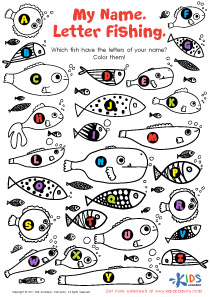
Alphabet understanding ABC Order Worksheets for Ages 3-9
3 filtered results
Difficulty Level
Grade
Age
-
From - To
Subject
Activity
Standards
Help your child master the building blocks of language with our "Alphabet Understanding ABC Order Worksheets for Ages 3-9." Designed for young learners, these printable worksheets make learning fun and engaging through colorful and interactive activities. With a focus on mastering ABC order, these resources enhance letter recognition, sequencing skills, and early literacy. Ideal for both classroom and home use, our worksheets provide diverse exercises tailored to different learning stages, ensuring each child can progress confidently. Empower your child with the essential skill of alphabet understanding and pave the way for their lifelong learning journey. Download now and start learning today!
Favorites
With answer key
Interactive
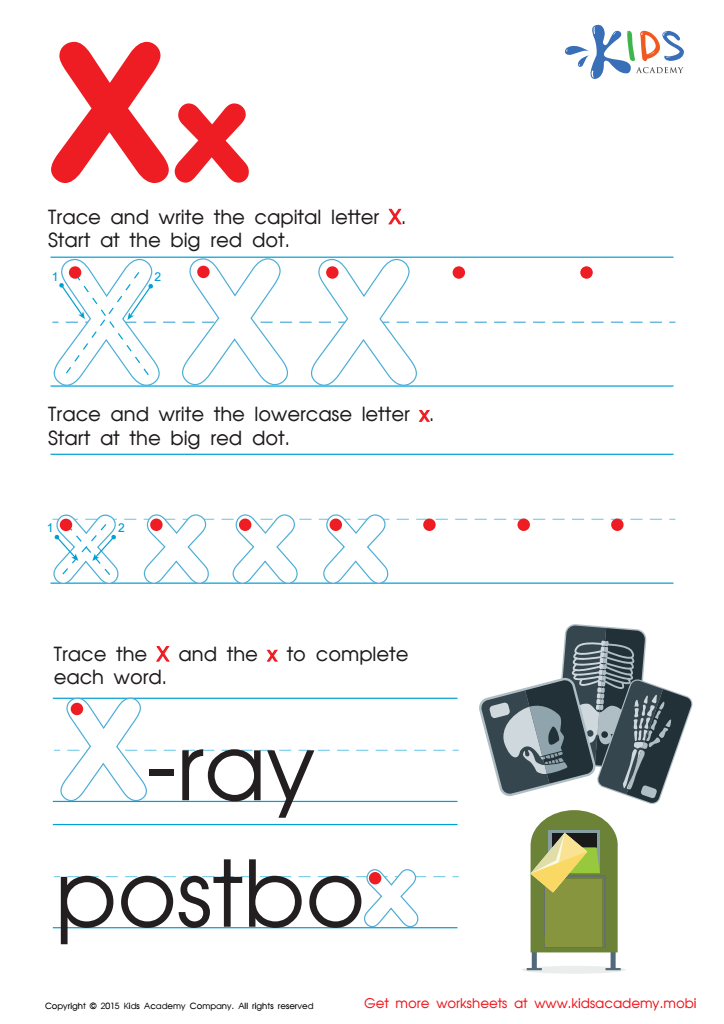
Letter X Tracing Page
Trace the uppercase letter "X" to learn, then write it yourself and practice. Then do the same with the lowercase "x" before completing the words "X-ray" and "postbox". Enjoy our alphabet printables!
 Assign to My Students
Letter X Tracing Page
Worksheet

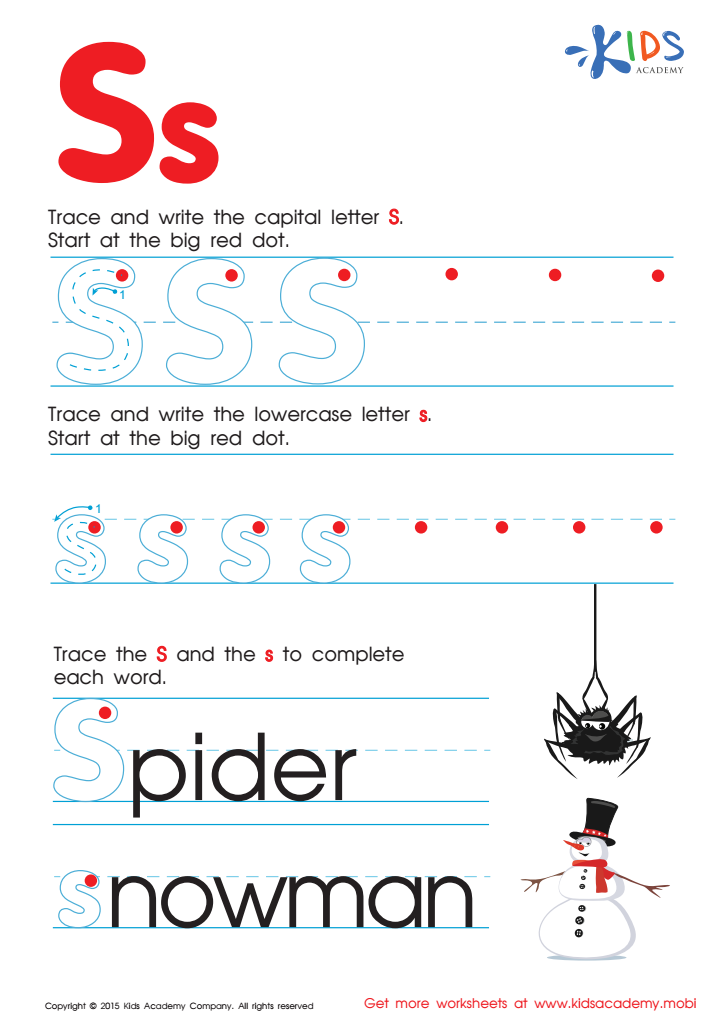
Letter S Tracing Page
Trace and write the capital and lowercase "S" on this ABC worksheet for kindergarten. Start with the big red dot and be careful. When you finish, help the spider and snowman in the pictures restore their words with the capital and lowercase letters. Continue learning the alphabet with Kids Academy.
Letter S Tracing Page
Worksheet
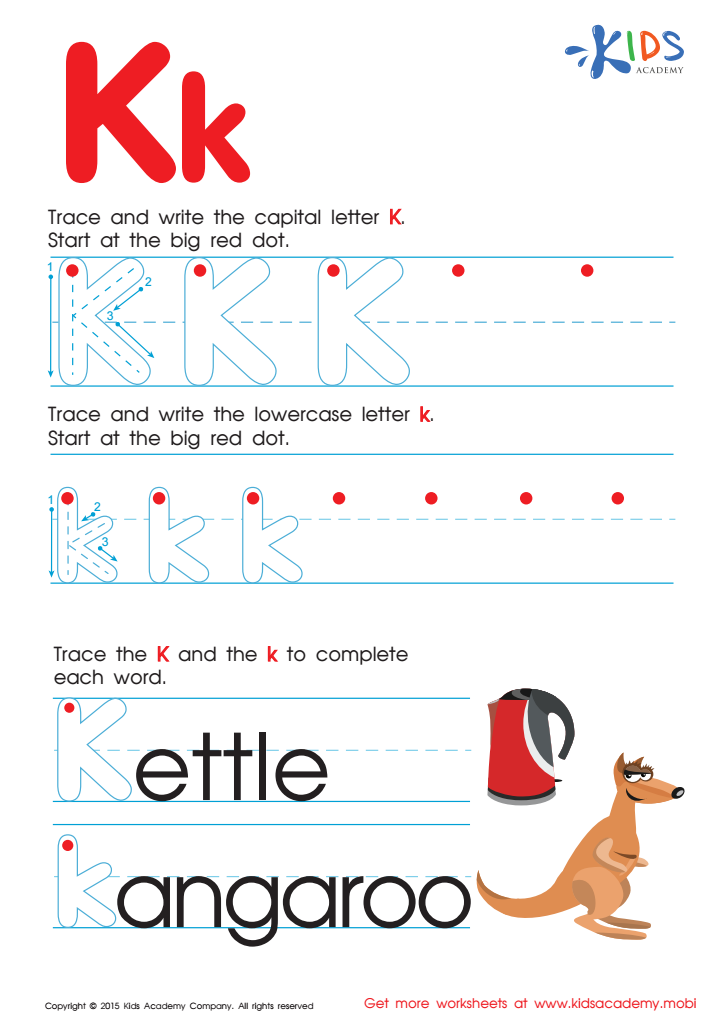
Letter K Tracing Page
Trace and write the letter K; start at the big red dot. Use it to complete words like "Kettle" and "Kangaroo". Visit Kids Academy for more free alphabet worksheets for kindergarten.
Letter K Tracing Page
Worksheet
Join Kids Academy for Free
Who is primarily going to use this learning content?







Understanding the alphabet and ABC order is crucial for children aged 3-9 as it lays a vital foundation for their literacy and cognitive development. For starters, mastery of the alphabet is a pivotal first step toward effectively learning to read and write. Recognizing and sequencing letters ensures that children become familiar with the basic building blocks of words. Knowing the correct order of the alphabet aids in establishing routines and expectations for further phonetic skills and assists in spelling accuracy as they start forming words and sentences.
Additionally, proficiency in alphabetic order fosters organizational skills. Being able to arrange items alphabetically is a fundamental skill used in many areas such as filing, index creation, and digital searches, setting the stage for academic tasks in elementary school and beyond. For this age group, engaging activities like alphabet games, songs, and puzzles can make learning fun and help reinforce these critical skills naturally.
Moreover, understanding alphabetical order aids in early dictionary use, allowing children to locate words more easily, fostering independence and boosting their confidence. By providing a structured way to navigate the world of words, parents and teachers help children immerse themselves in reading activities that spark imagination and knowledge.
All of these factors underscore why parents and teachers should prioritize ensuring children understand the alphabet and its order.