Improving reading skills Elementary Phonics Worksheets for Ages 3-9
3 filtered results
-
From - To
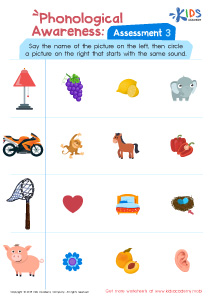
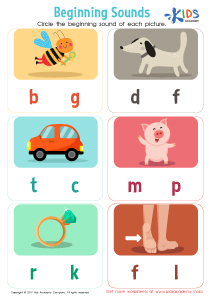
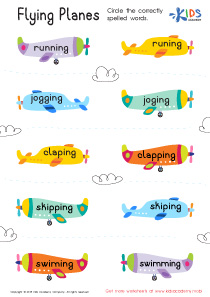
Discover our engaging Elementary Phonics Worksheets, designed for children aged 3-9 to enhance their reading skills. These interactive resources focus on building phonemic awareness, improving letter recognition, and developing word decoding abilities. Aligned with early literacy standards, our worksheets employ fun activities to keep young learners motivated and excited about reading. Ideal for parents and educators, these materials can easily be incorporated into home or classroom settings. With a variety of exercises tailored to different skill levels, children will gain confidence while mastering essential phonics concepts. Start your child’s reading journey today with our comprehensive collection of phonics worksheets!
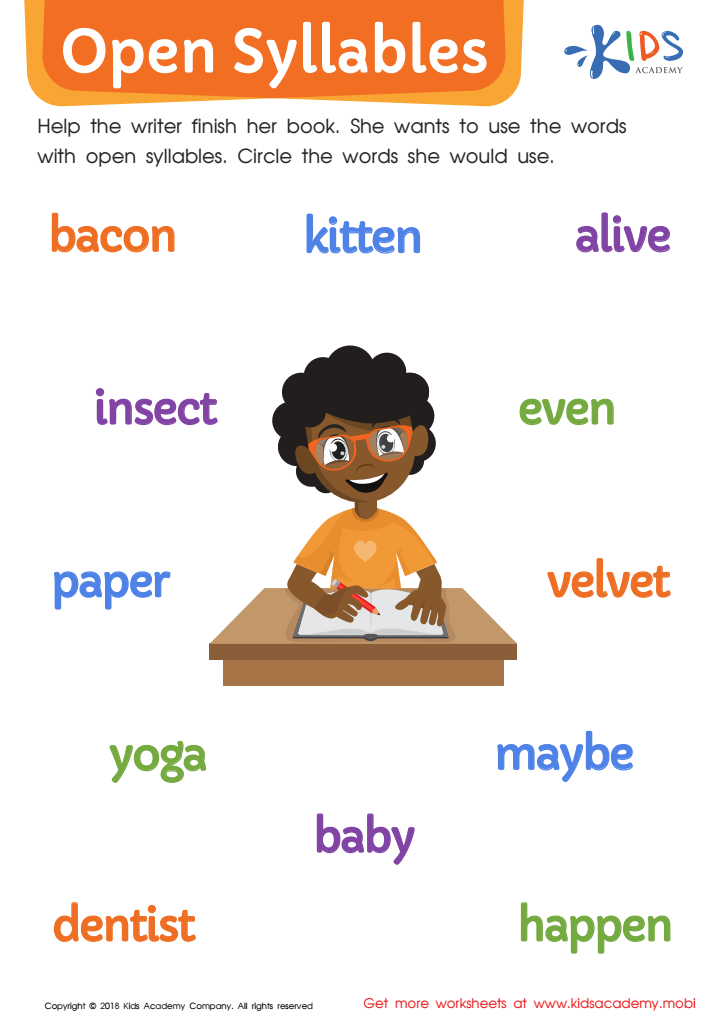
Open Syllables Worksheet
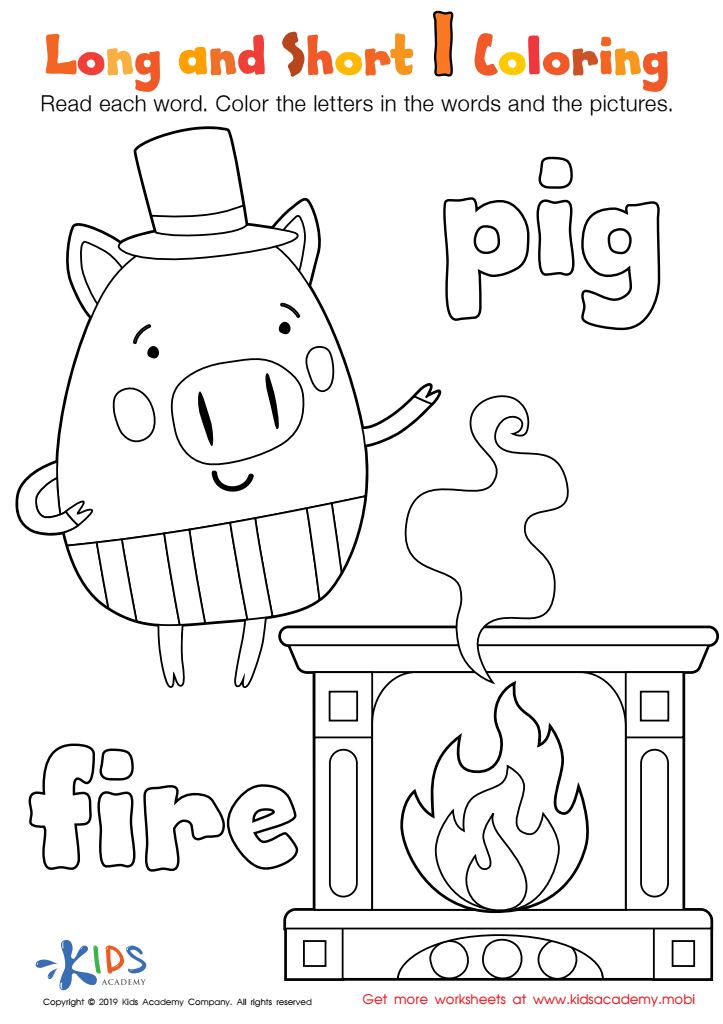
Long and Short I Worksheet
 Assign to My Students
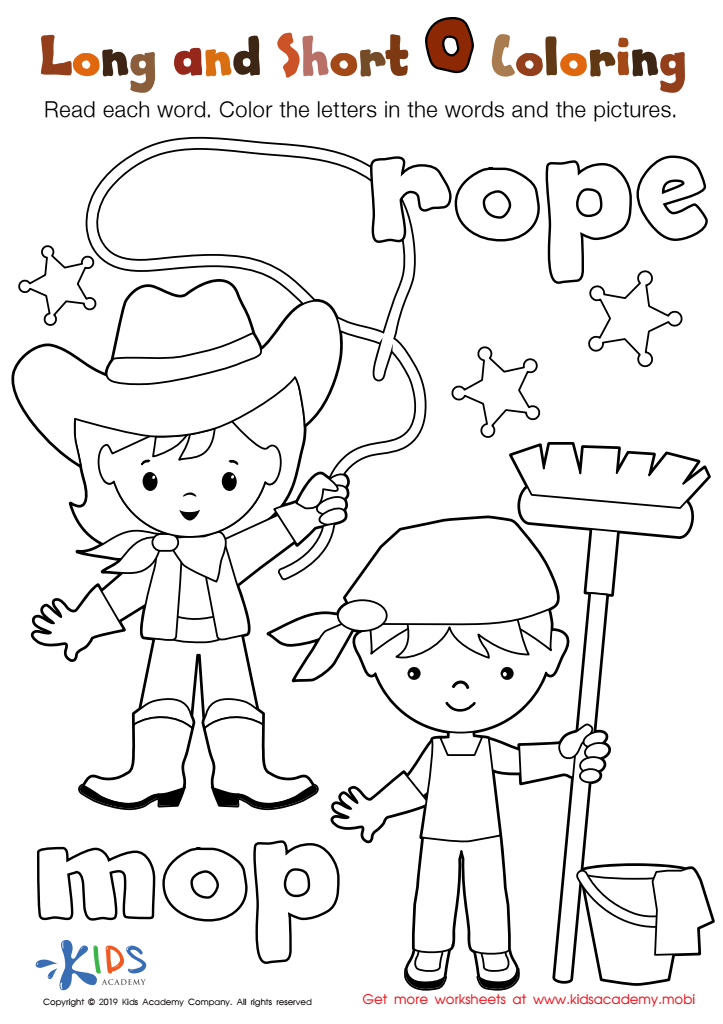
Long and Short O Worksheet
Assign to My Students




Improving reading skills, particularly through phonics, is crucial for children aged 3-9, as it lays the foundation for lifelong literacy. Phonics instruction teaches children the relationships between sounds and letters, enabling them to decode words independently. This foundational skill is essential for reading fluency, comprehension, and overall academic success.
Early exposure to phonics helps in developing critical cognitive skills, such as critical thinking and problem-solving. It also fosters a love of reading; children who understand how to read are more likely to enjoy reading and engage with texts throughout their lives. Furthermore, early reading skills can significantly influence a child's confidence and self-esteem, enhancing their social and emotional development.
For parents and teachers, focusing on phonics provides effective strategies to support children’s learning experiences, creating a structured environment that nurtures literacy. Additionally, strong reading skills correlate with better performance across all subjects, indicating that investing time in improving phonics can lead to a well-rounded education. By prioritizing early reading skills, adults play a pivotal role in shaping a child’s future capabilities, ensuring they are equipped to handle the academic challenges ahead. Thus, commitment to phonics should be a key focus for both parents and educators.