Handwriting practice Alphabet Worksheets for Ages 3-9 - Page 3
55 filtered results
-
From - To
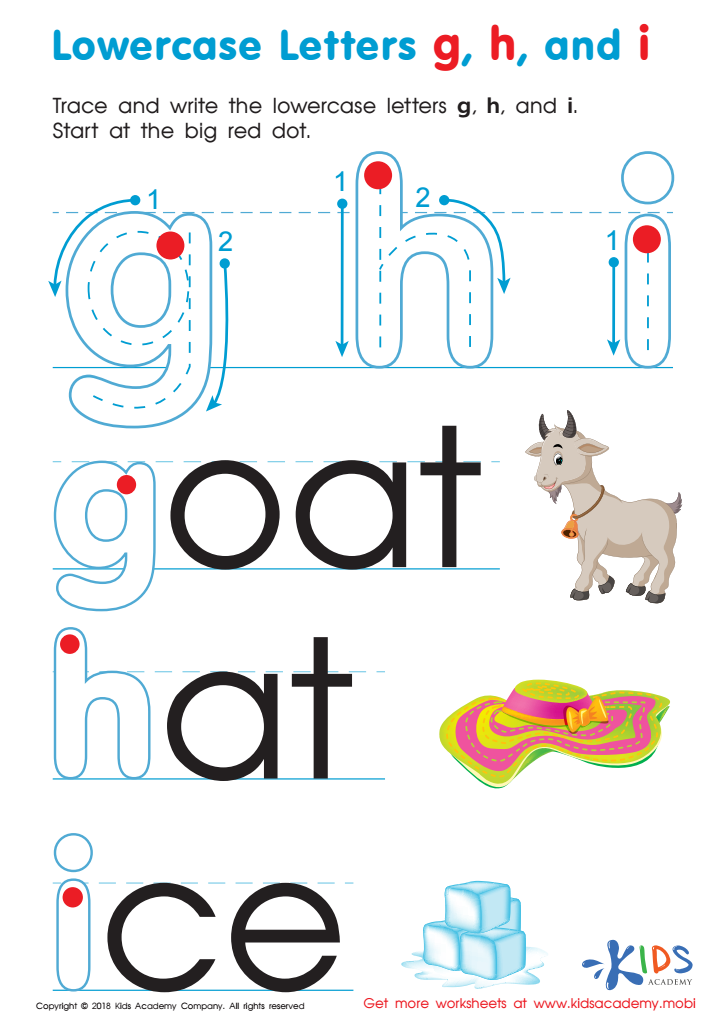
Lowercase Letters g h i Worksheet
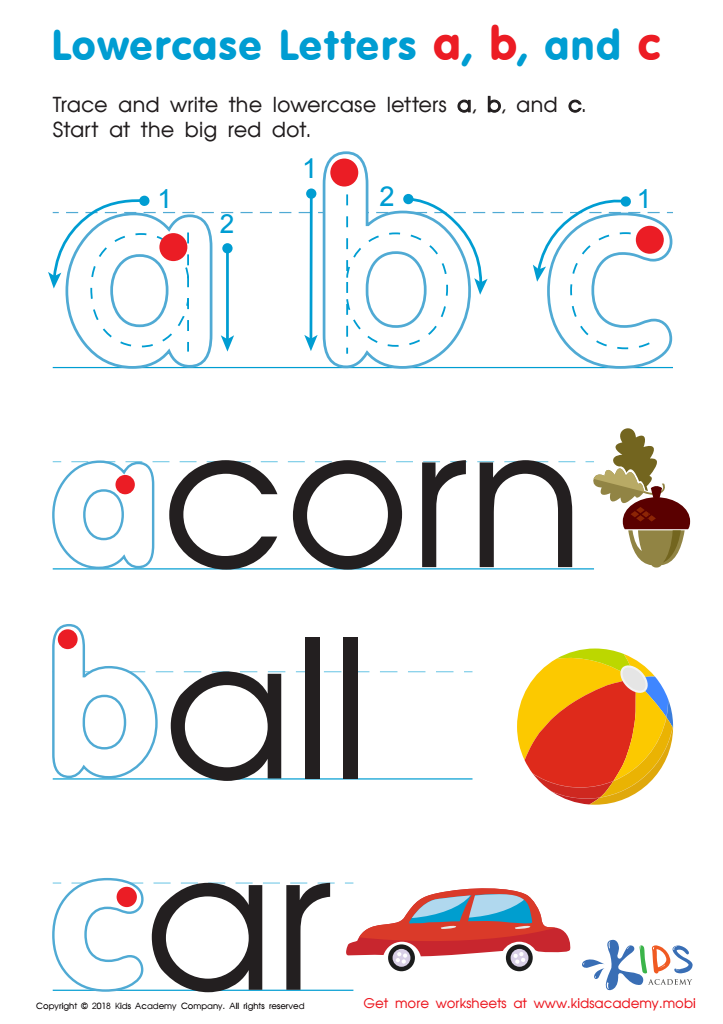
Lowercase Letters a b c Worksheet
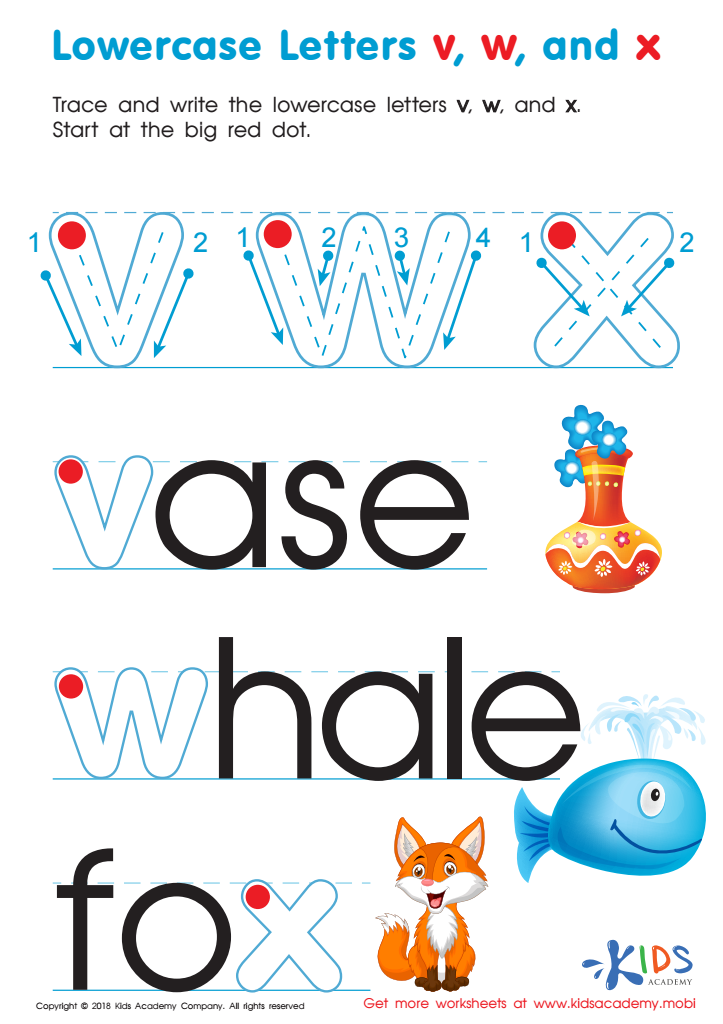
Lowercase Letters v w x Worksheet

Letter N Coloring Sheet
 Assign to My Students
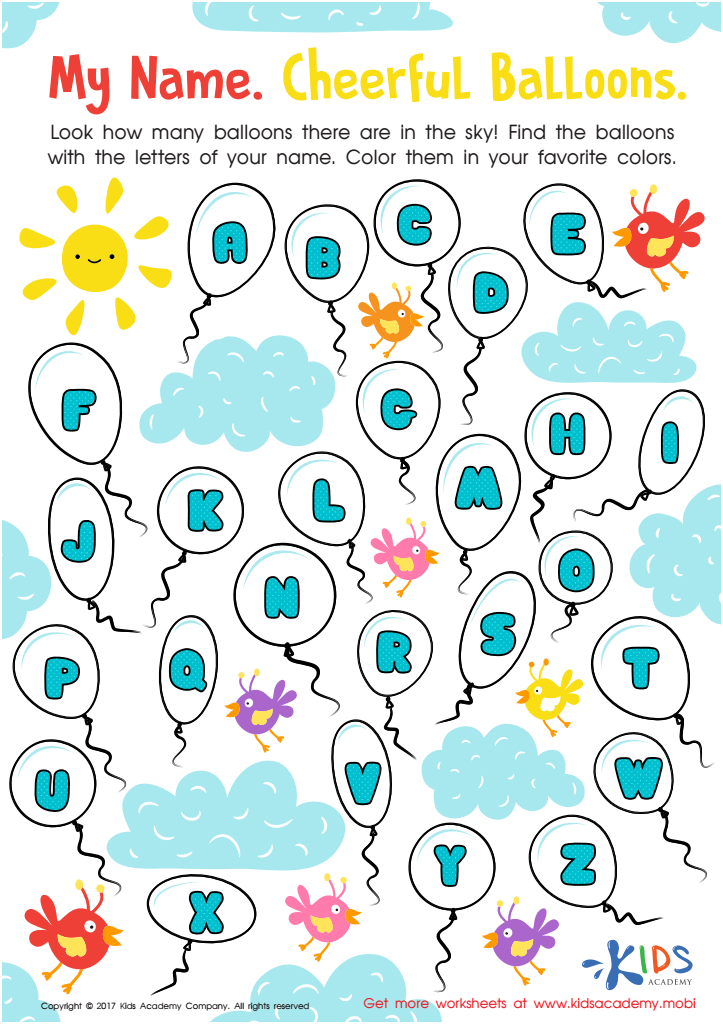
My Name: Cheerful Balloons Worksheet
Assign to My Students
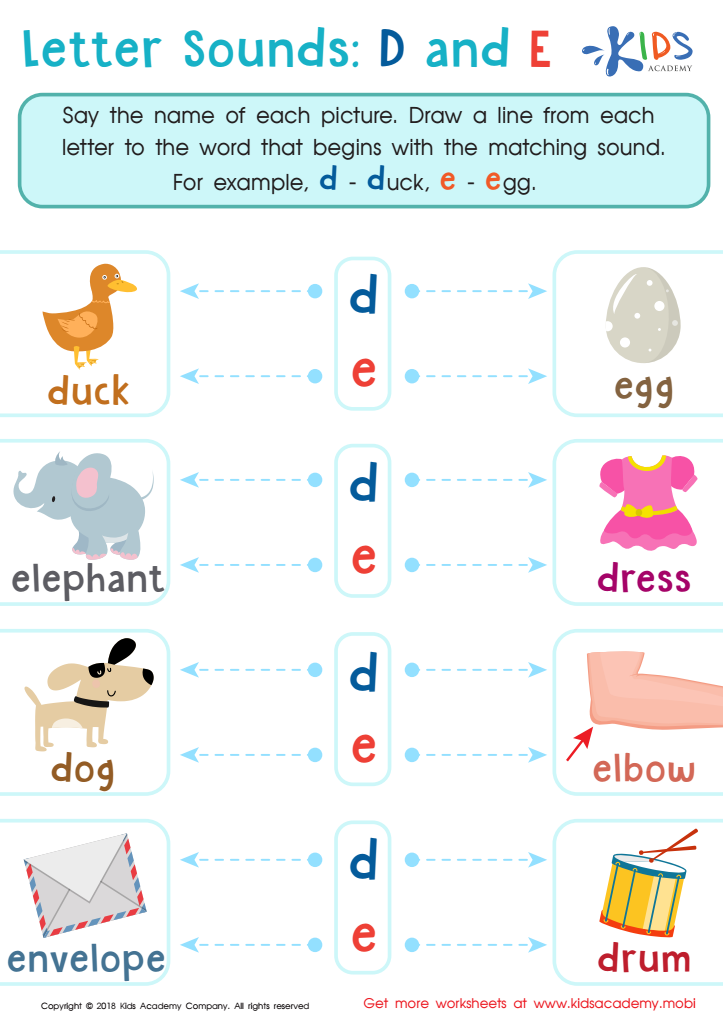
Letter D and E Sounds Worksheet
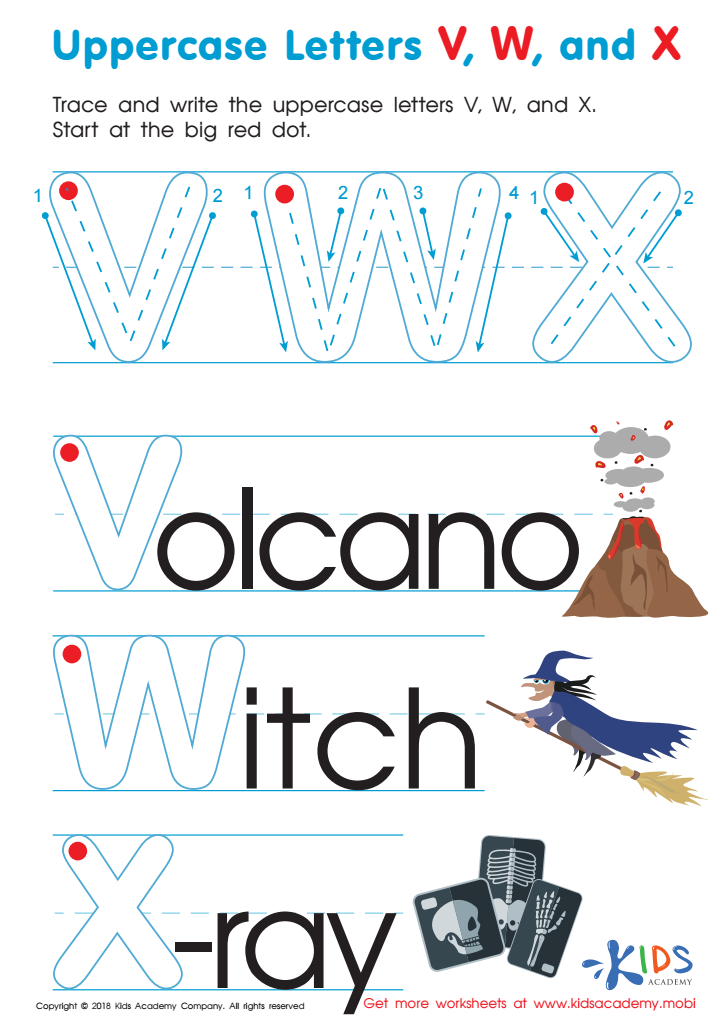
Uppercase Letters V, W, and X Worksheet








Handwriting practice is crucial for children aged 3-9 as it lays the foundation for effective communication and academic success. At this developmental stage, children are not only learning letter shapes but also refining fine motor skills, hand-eye coordination, and spatial awareness. Engaging with handwriting helps reinforce letter recognition, essential for early literacy and reading skills. This practice encourages focus and patience, traits that are valuable for overall learning.
Furthermore, as children learn to write, they are also developing critical cognitive skills. The act of forming letters engages memory retention and enhances understanding of sounds associated with each letter, facilitating phonetic skills. Handwriting practice can reduce reliance on technology, promoting a more thoughtful approach to communication.
For parents and teachers, fostering handwriting skills can instill a sense of pride and accomplishment in children as they see their progress. Establishing consistent handwriting practice also cultivates creative expression, allowing children to contribute their thoughts and ideas visually. In sum, attentive handwriting practice is instrumental in building essential skills for lifelong learning and empowers children to express themselves effectively. Prioritizing this early educational component can significantly impact their academic journey and beyond.







