Alphabet Recognition Letter I Worksheets for Ages 3-9
3 filtered results
-
From - To
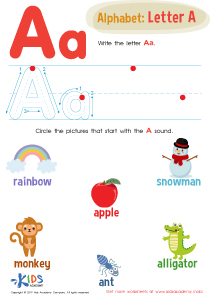
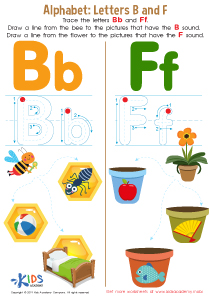
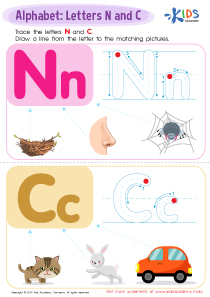
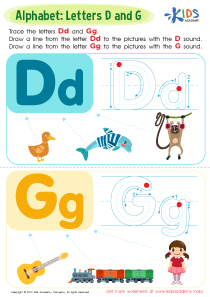
Introduce your child to the letter "I" with our engaging and educational Alphabet Recognition Letter I Worksheets, tailored for ages 3-9! Designed to foster early literacy skills, these printable worksheets focus on identifying, tracing, and writing the letter "I", featuring fun illustrations and captivating activities. Each sheet provides a variety of exercises that help improve fine motor skills, letter recognition, and early reading abilities. Perfect for home or classroom use, our worksheets make learning the alphabet an enjoyable experience. Equip your young learners with the essential building blocks of reading today with our Letter I worksheets!
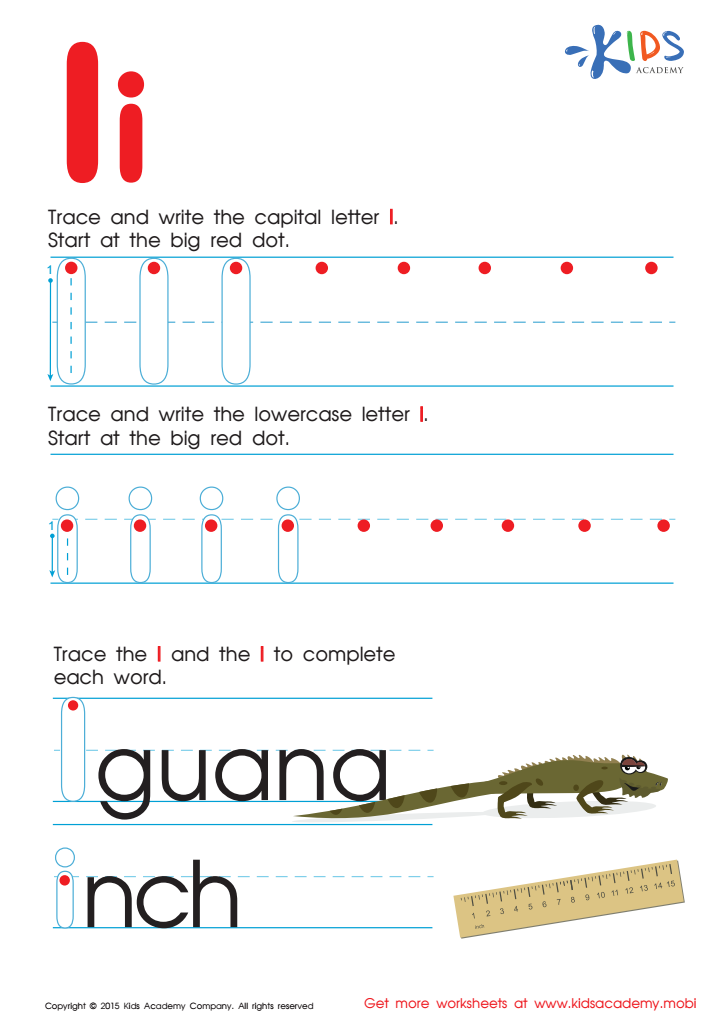
Letter I Tracing Page
 Assign to My Students
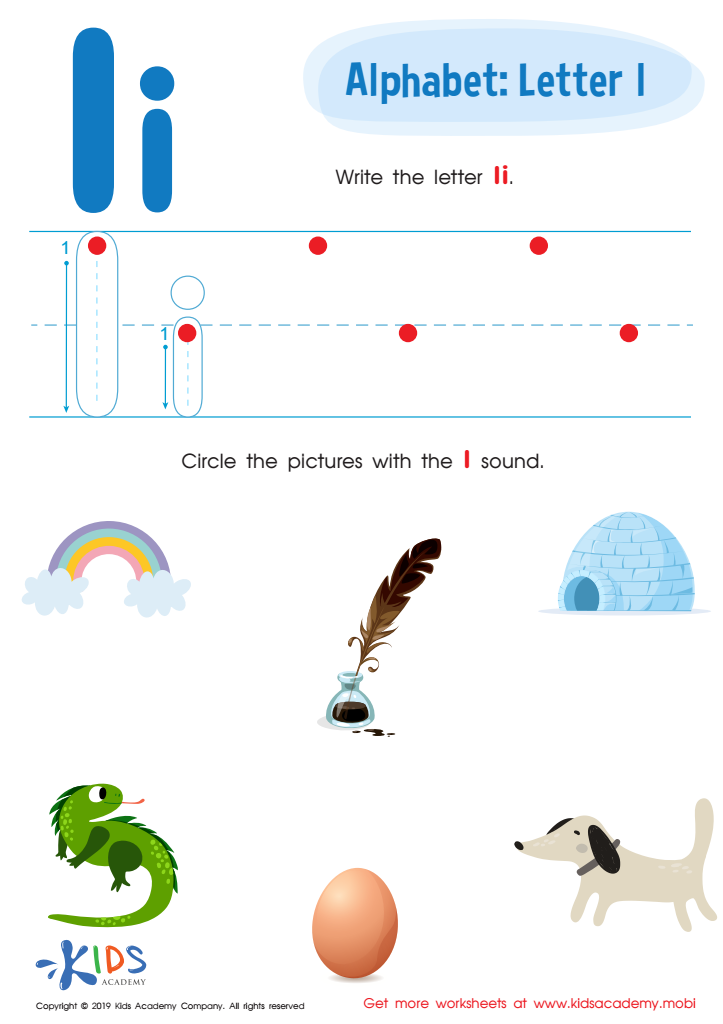
Letter I Tracing Worksheet
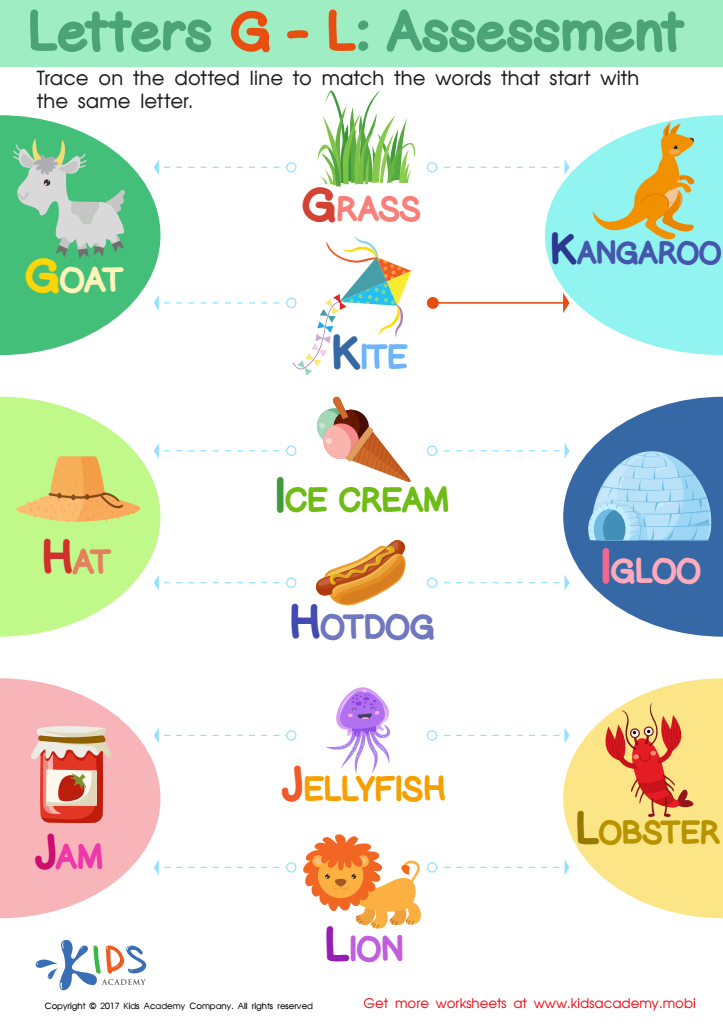
Letters G-L Worksheet







Alphabet recognition, particularly of the letter "I," is crucial for children aged 3-9 as it lays the foundational building blocks for literacy and academic success. During these formative years, developing familiarity with each letter aids in phonemic awareness, which is the ability to hear, identify, and manipulate letter sounds. This skill is essential for reading fluency and comprehension.
Recognizing the letter "I" contributes specifically to children's ability to decode words where the letter appears, enhancing their reading capabilities. These early reading skills are directly linked to better performance in school and an increased likelihood of developing a love for reading and lifelong learning.
Moreover, recognizing the letter "I" supports the development of writing skills. As children learn to identify the letter visually, they can begin to write it, contributing to their overall ability to communicate effectively through written language.
Engaging in alphabet recognition activities like puzzle games, flashcards, or reading stories that emphasize the letter "I" can also be enjoyable and motivating for young learners. This multisensory approach makes learning more dynamic and engaging, fostering a positive attitude toward educational activities.
Therefore, parents and teachers should prioritize alphabet recognition to empower children with the foundational tools necessary for literacy, educational achievement, and communicative competence.