Letter Tracing Practice Letter Recognition Worksheets for Ages 3-9
5 filtered results
-
From - To
Enhance your child's literacy skills with our Letter Tracing Practice and Letter Recognition Worksheets, designed specifically for ages 3-9. These engaging activities will help young learners identify letters and improve their handwriting through tracing exercises. Our worksheets cater to varying skill levels, ensuring a well-rounded approach to letter mastery. With vibrant designs and age-appropriate content, children will enjoy developing their alphabet recognition in a fun and interactive way. Perfect for both home and classroom use, our resources foster a love for learning while laying the foundation for future reading and writing success. Get started today and watch your child's confidence soar!
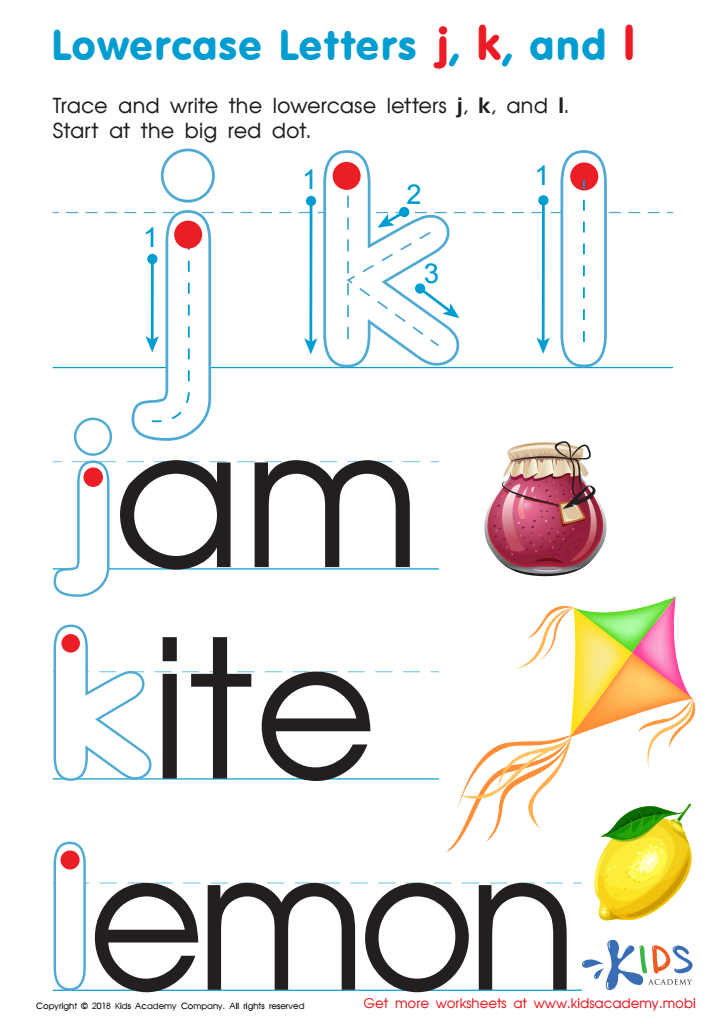
Lowercase Letters j k l Worksheet
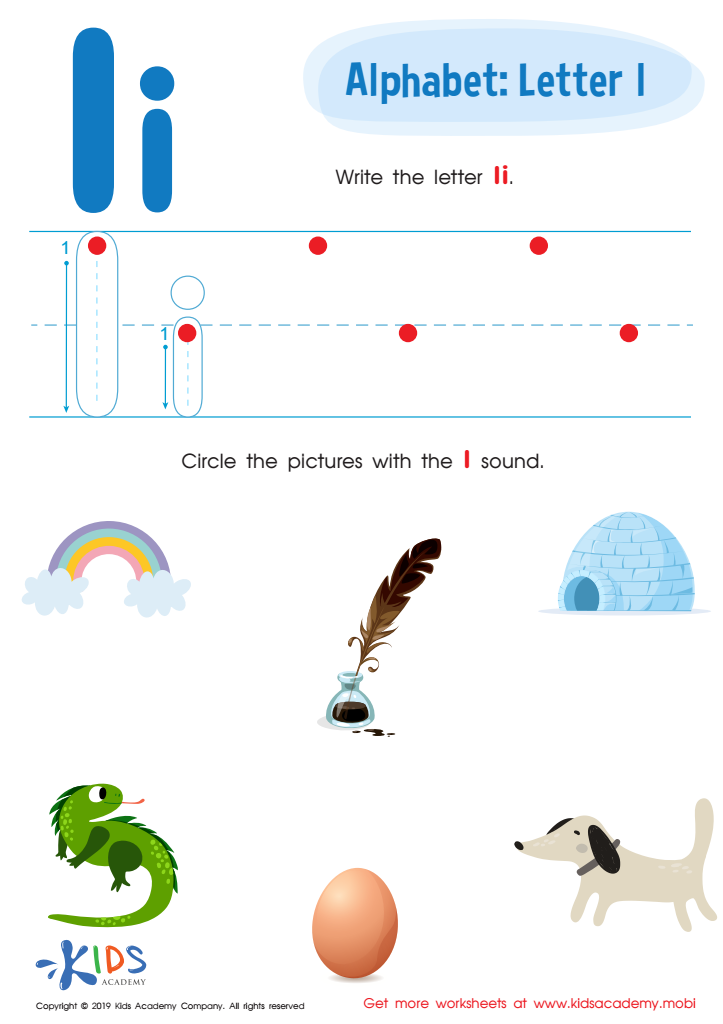
Letter I Tracing Worksheet
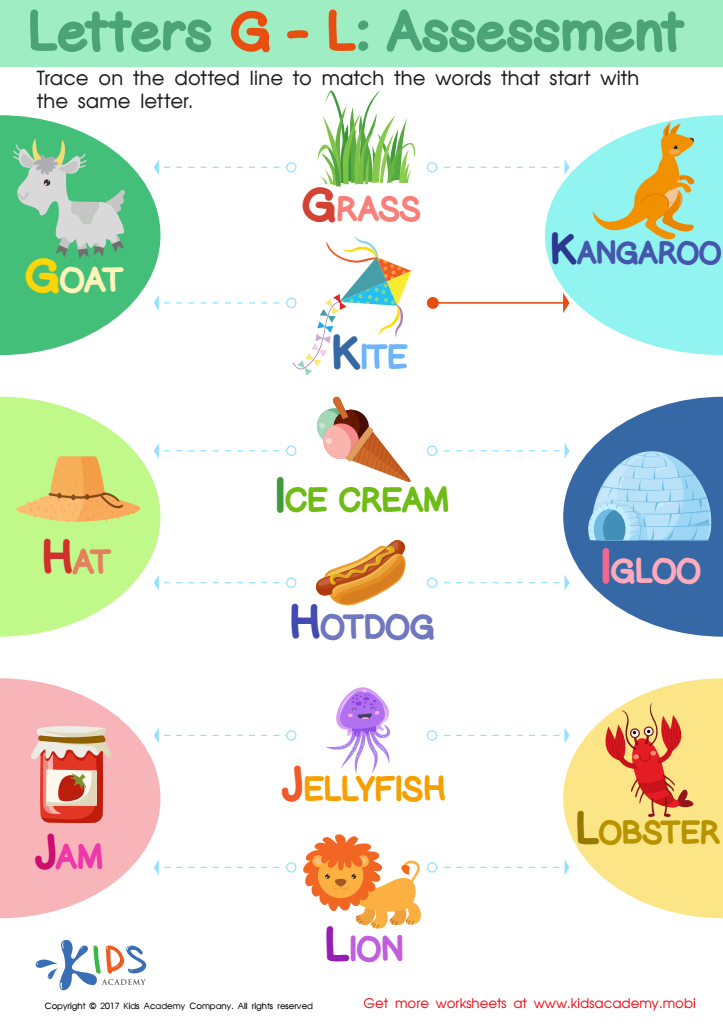
Letters G-L Worksheet
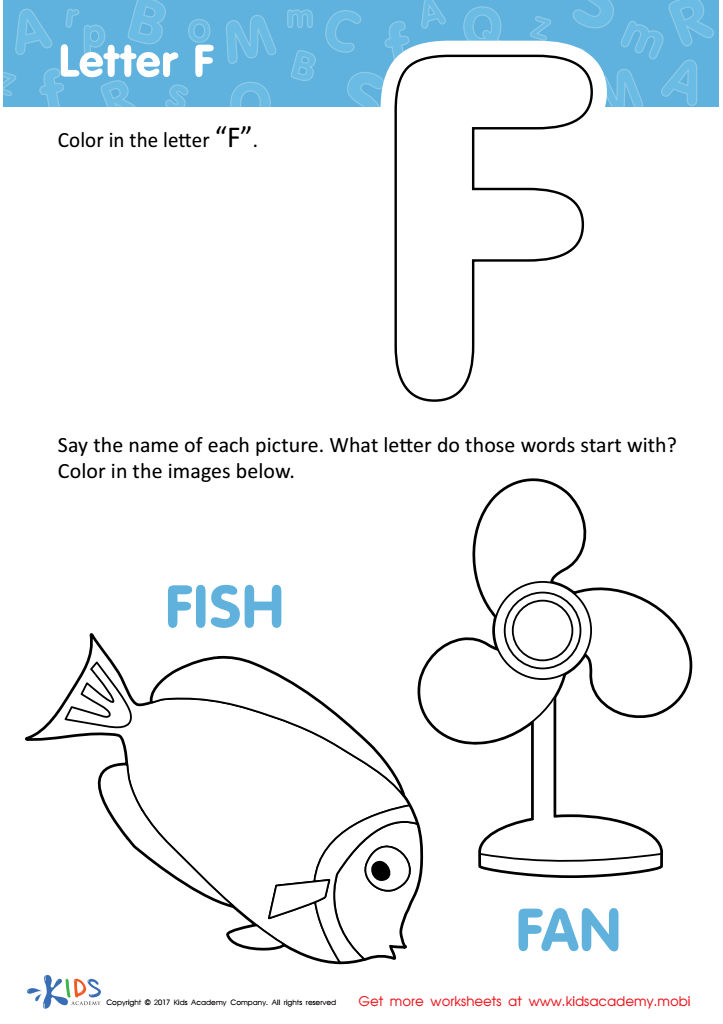
Letter F Coloring Sheet
 Assign to My Students
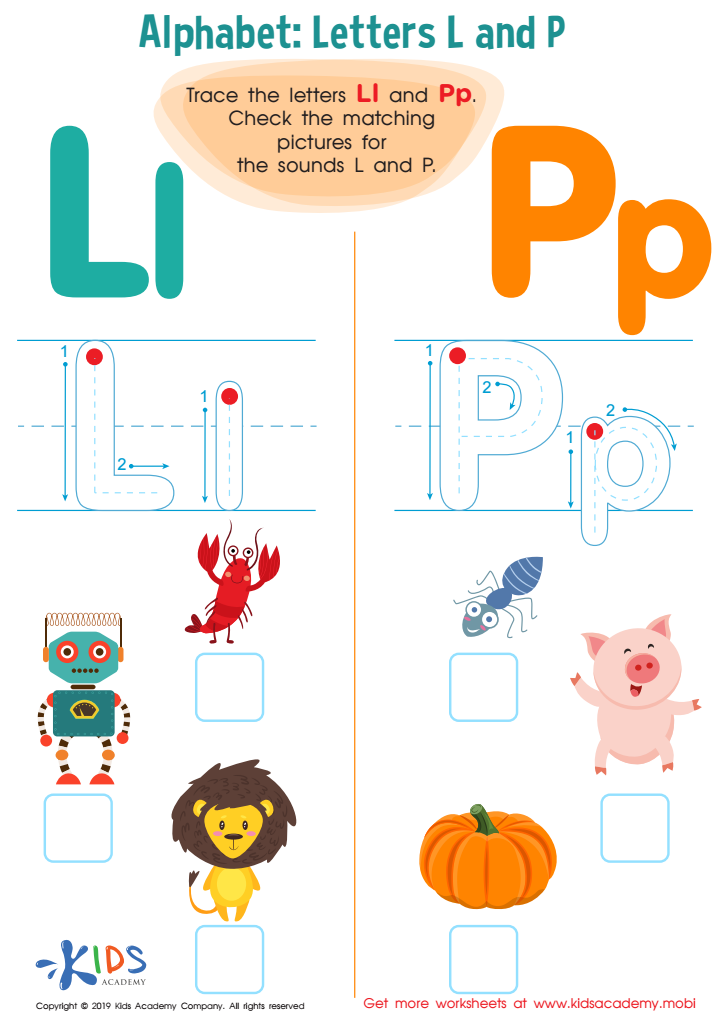
Letter L and P Tracing Worksheet








Letter tracing practice is crucial for children ages 3-9 as it lays the foundation for literacy, fine motor skills, and cognitive development. For young learners, mastering letter recognition is essential for reading and writing, enabling them to decipher words and express their thoughts effectively. Tracing letters helps children internalize their shapes and strokes, reinforcing memory through a hands-on approach.
Moreover, the act of tracing induces muscle memory, aiding in developing fine motor skills necessary for writing. As children learn to control their hand movements, they build confidence that translates to other areas of learning, fostering early academic success. By actively engaging in letter tracing, children also gain familiarity with letter sounds, enhancing phonemic awareness that is crucial for successful reading.
Parents and teachers should prioritize letter tracing as a fun, interactive activity that nurtures a love for learning. It can be easily integrated into daily routines and provides opportunities for parental involvement, which is linked to better educational outcomes. Ultimately, supporting letter tracing and recognition equips children with vital skills, preparing them for the academic challenges ahead and promoting literacy in a world increasingly reliant on written communication.







