Vowel Recognition Letter Recognition Worksheets for Ages 3-9
5 filtered results
-
From - To
Discover our engaging Vowel Recognition and Letter Recognition Worksheets designed for children aged 3 to 9! These interactive worksheets focus on helping young learners identify and differentiate vowels, laying a strong foundation for their reading and writing skills. Each worksheet is thoughtfully crafted with fun activities that encourage children to recognize vowels in various contexts, enhancing their phonetic awareness. Ideal for teachers and parents alike, these resources support early literacy development through colorful illustrations and engaging exercises. Foster your child's love for language and boost their confidence with our comprehensive collection of vowel recognition materials today! Access now and watch them thrive!
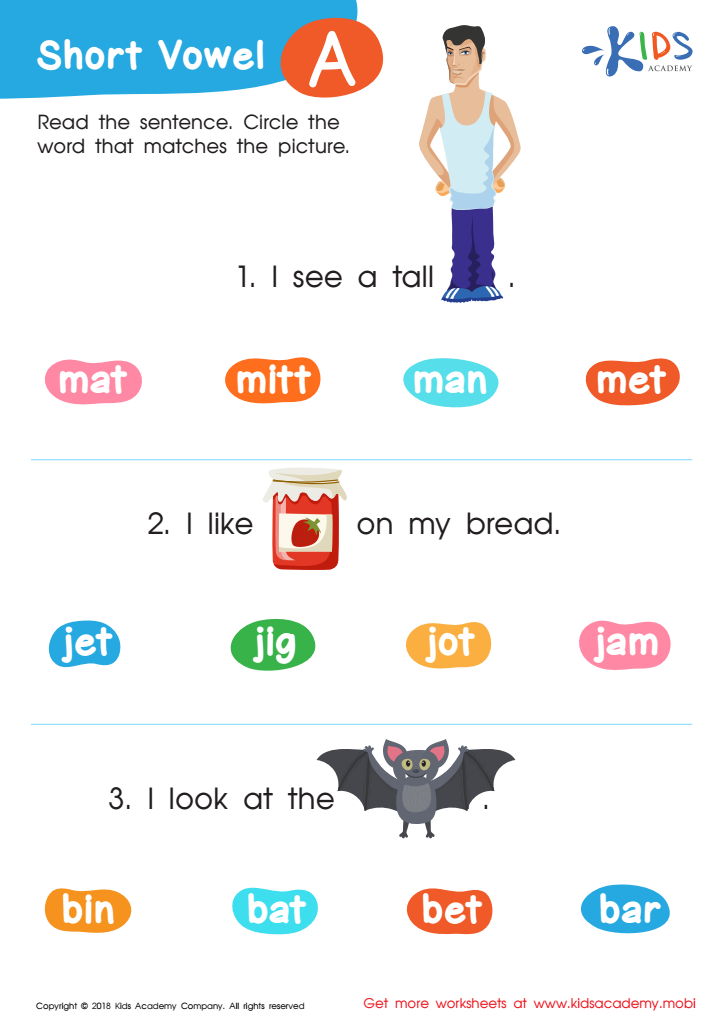
Short Vowel /a/ Worksheet
 Assign to My Students

Short Vowels /e/, /i/, and /u/ Worksheet
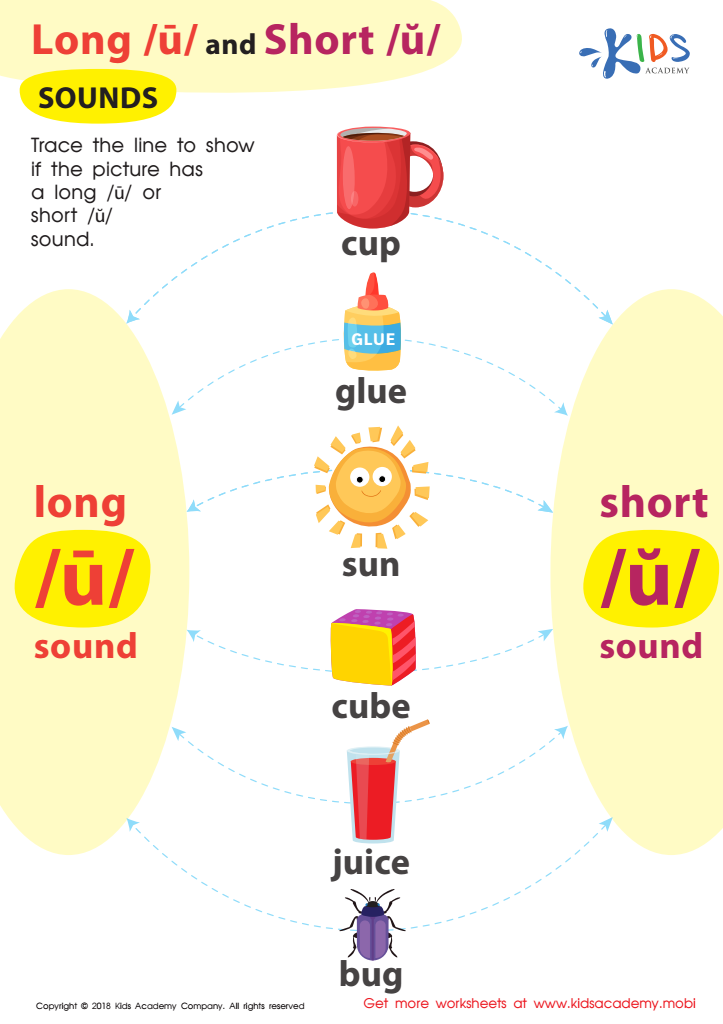
Reading: Long U and Short U Sounds Worksheet
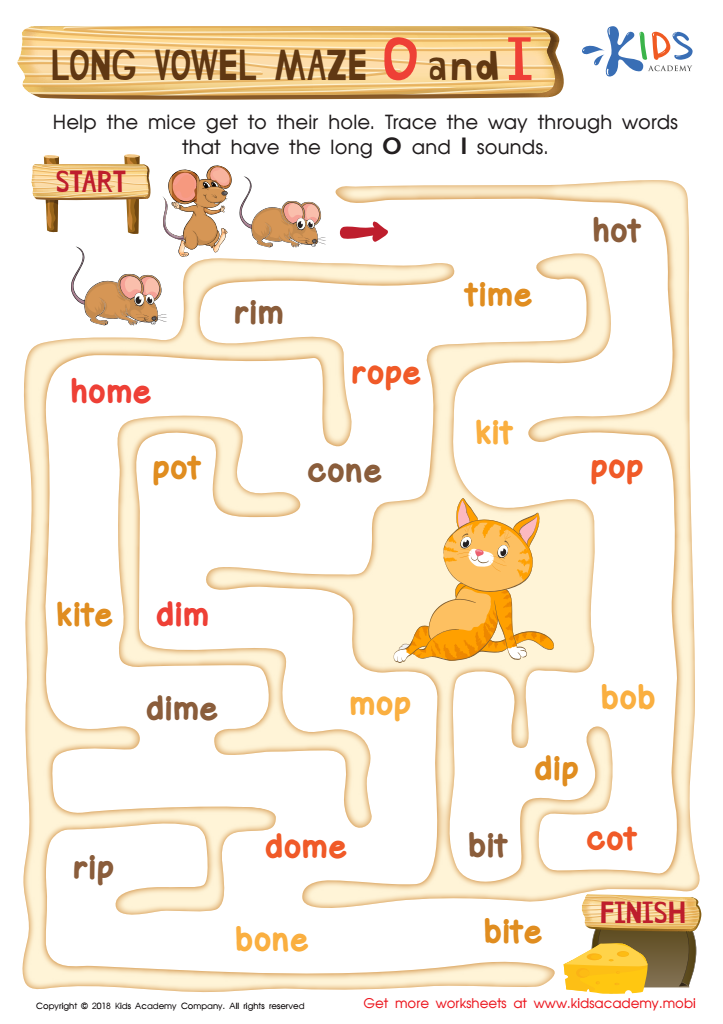
Long Vowel Maze /o/ and /i/ Worksheet
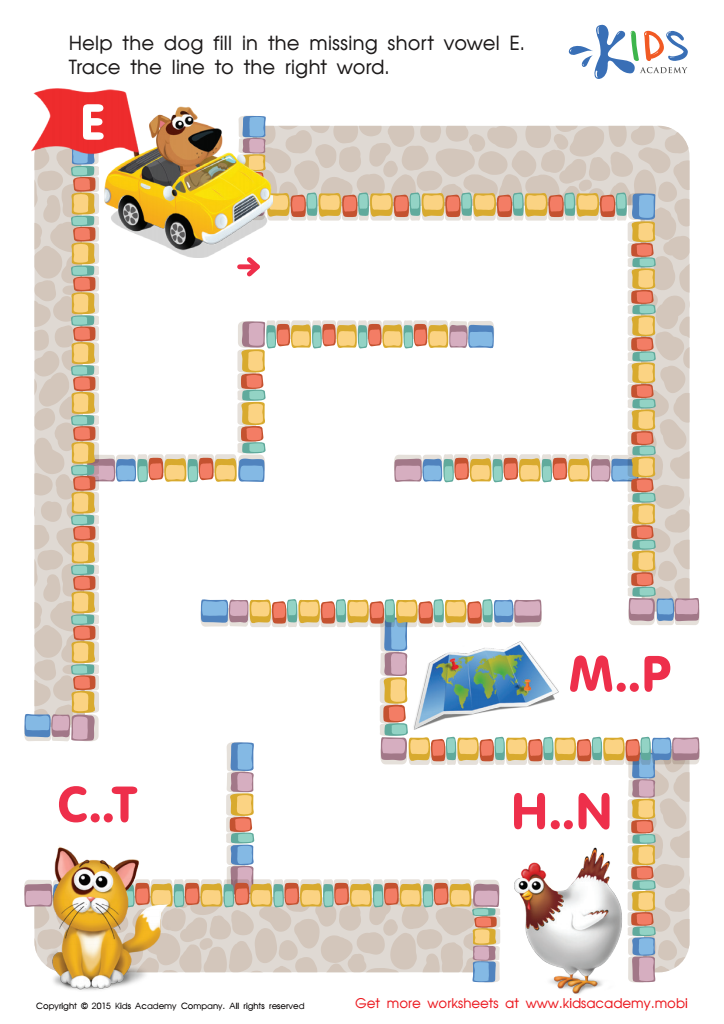
Short Vowel Sound E Worksheet








Vowel and letter recognition are fundamental building blocks for young learners aged 3-9, as they serve as the foundation for reading and writing. Understanding vowels is crucial because they are essential components of nearly every word, influencing word structure and sound. Parents and teachers should prioritize vowel recognition since it directly impacts a child's ability to decode and spell words, paving the way for successful reading fluency.
Early familiarity with letter recognition enhances a child’s cognitive development and language skills. When children can identify vowels and letters, they become more confident in their ability to read simple texts. This confidence builds as they progress into more complex literacy tasks. Moreover, mastering vowel sounds aids in phonemic awareness, allowing children to break down and manipulate sounds, which is vital for effective communication.
For parents and teachers, fostering these skills can be exciting and interactive. Singing songs, playing games, and incorporating multisensory activities can make the learning process engaging. Such strategies not only support academic growth but also instill a love for learning, encouraging lifelong readers and writers. In summary, attending to vowel and letter recognition is crucial for equipping young learners with the skills they need for future academic success.







