Hand-eye Coordination Tracing Letters Worksheets for Ages 3-9
6 filtered results
-
From - To
Enhance your child's early learning with our Hand-eye Coordination Tracing Letters Worksheets for ages 3-9. These expertly designed worksheets improve letter recognition, pencil control, and fine motor skills. Ideal for young learners, our engaging activities help kids trace and write letters, ensuring they develop crucial hand-eye coordination abilities. Perfect for both classroom and home use, they make learning enjoyable and rewarding. Give your child a head start in literacy by incorporating these fun, foundational practice sheets into their daily routine. Visit Kids Academy for our comprehensive collection and watch them master the alphabet with ease.
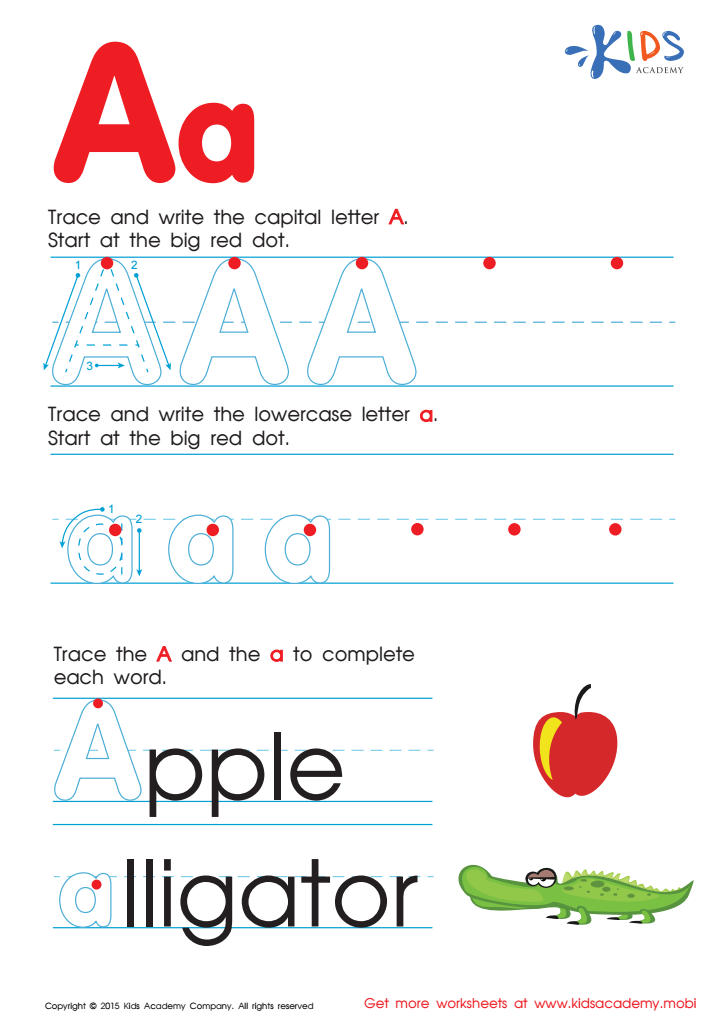
Letter A Tracing Page
 Assign to My Students
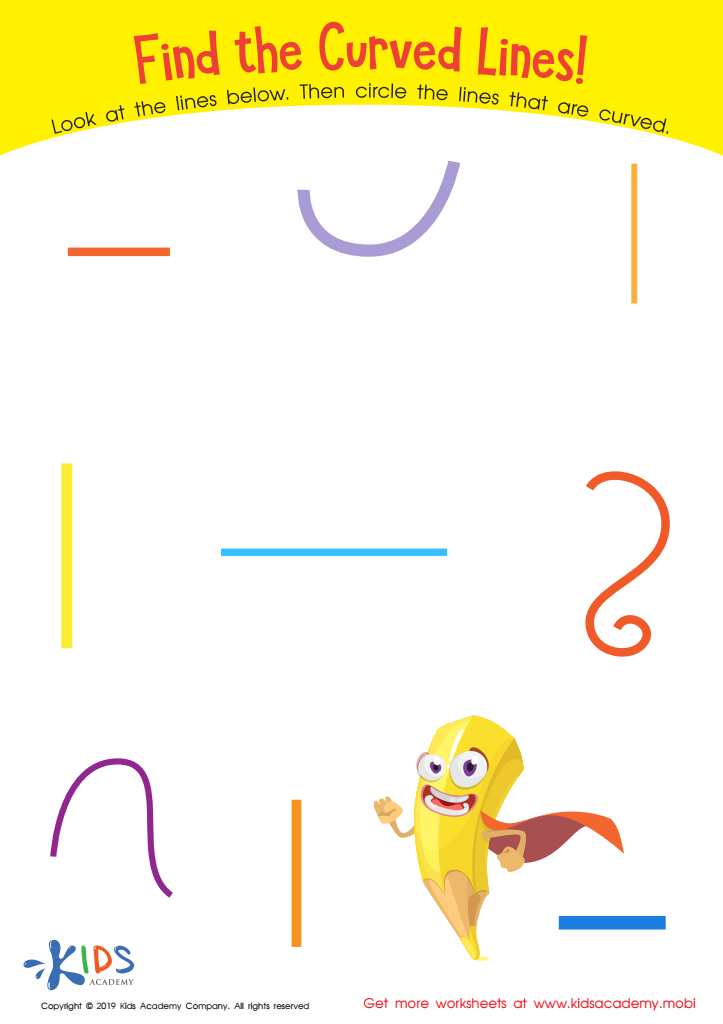
Find the Curved Lines! Worksheet
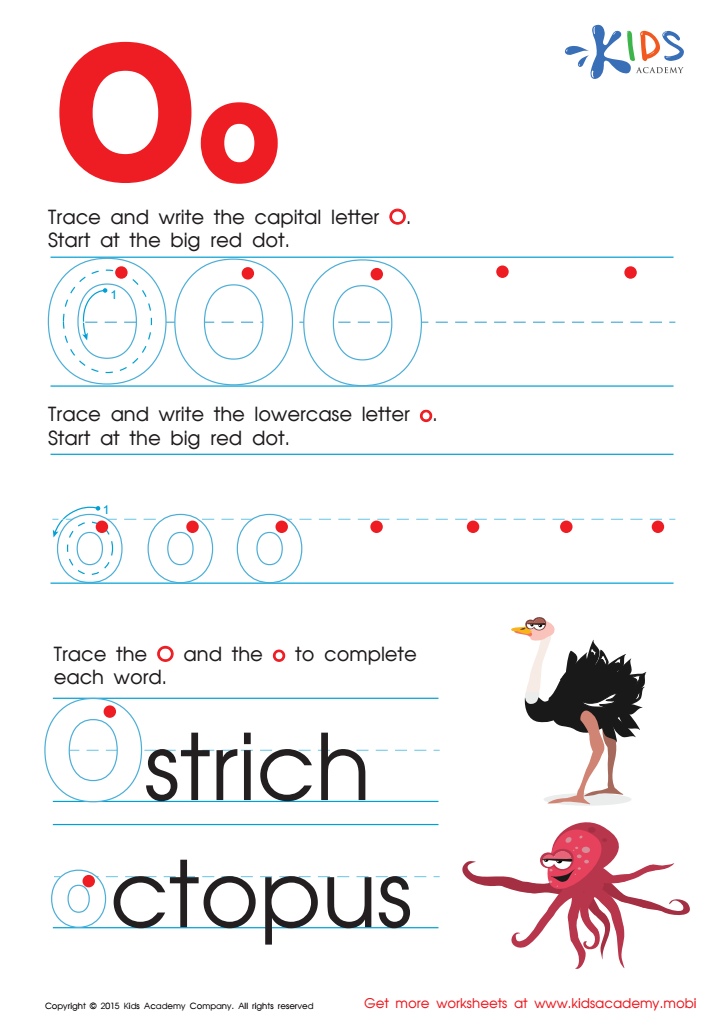
Letter O Tracing Page

Letter P Tracing Page

Letter H Tracing Page

Letter D Tracing Page







Hand-eye coordination tracing letters is crucial for young children, specifically those between the ages of 3 and 9. This activity intertwines numerous developmental domains, making it essential for both parents and teachers to understand its value.
Firstly, this practice is integral to fine motor development. By tracing letters, children refine the small muscles in their hands and fingers, which are vital for writing, cutting, and other intricate tasks. As these muscles develop, children will feel more confident and capable in everyday activities.
Additionally, hand-eye coordination is fundamental for academic success. Engaging in letter tracing enhances visual-motor integration, a skill where the eyes guide the hands to execute a task with precision. This is particularly significant for writing, reading, and even math, where attention to detail is necessary.
Furthermore, tracing letters hones a child’s ability to focus and follow directions, as they need to concentrate on staying within lines and shapes. This, in turn, augments their overall attention span and cognitive control.
In a broader context, mastering these skills early in life is associated with higher self-esteem and better performance in school, forming a strong foundation for future learning. This is why parents and teachers should prioritize and actively support activities that bolster hand-eye coordination.








