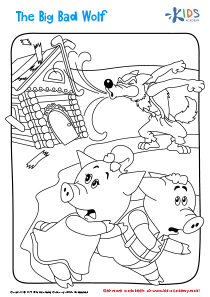
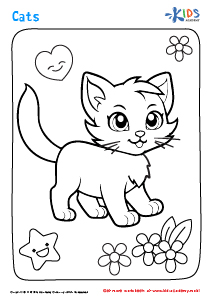
Improving coloring skills Coloring Pages Worksheets for Ages 3-9
3 filtered results
-
From - To
Unlock your child's creativity and fine-tune their motor skills with our expertly designed coloring pages and worksheets, perfect for ages 3-9. These printable activities are tailored to improve coloring skills and foster learning in a fun, engaging way. Each worksheet aims to develop hand-eye coordination, color recognition, and artistic expression. Our extensive collection features diverse themes that capture your child's imagination and encourage focused practice. Watch as they create vibrant, colorful masterpieces while enhancing essential skills crucial for their growth. Visit our website now to explore and download these invaluable resources!

The Statue of Liberty Coloring Page
 Assign to My Students
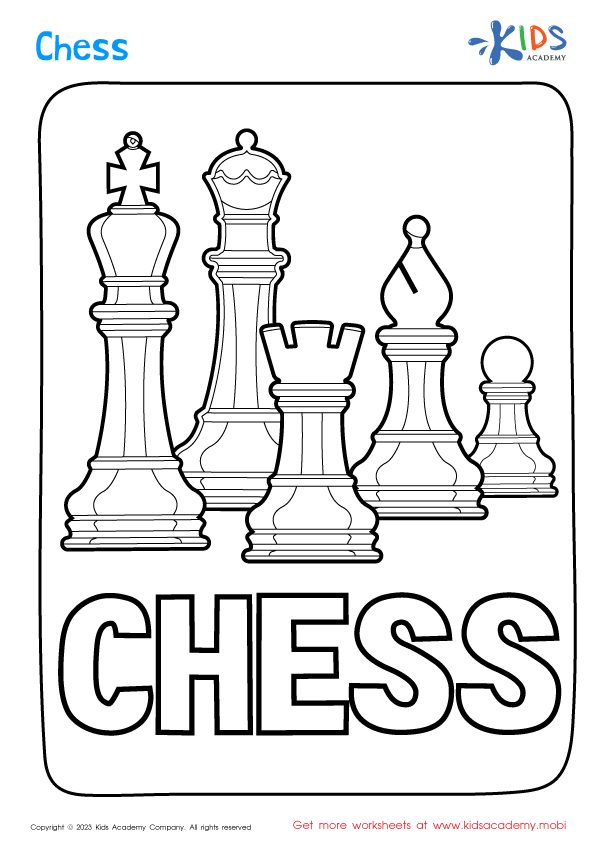
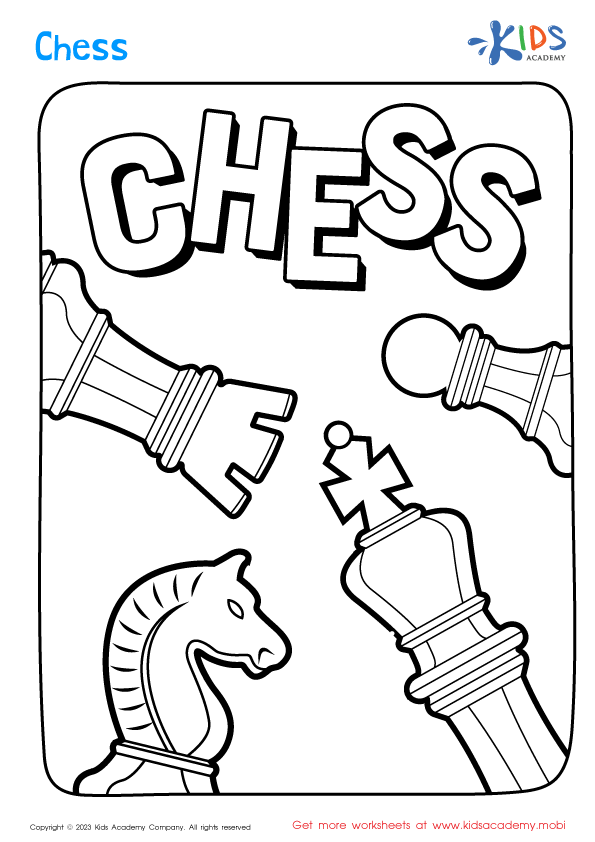





.jpg)
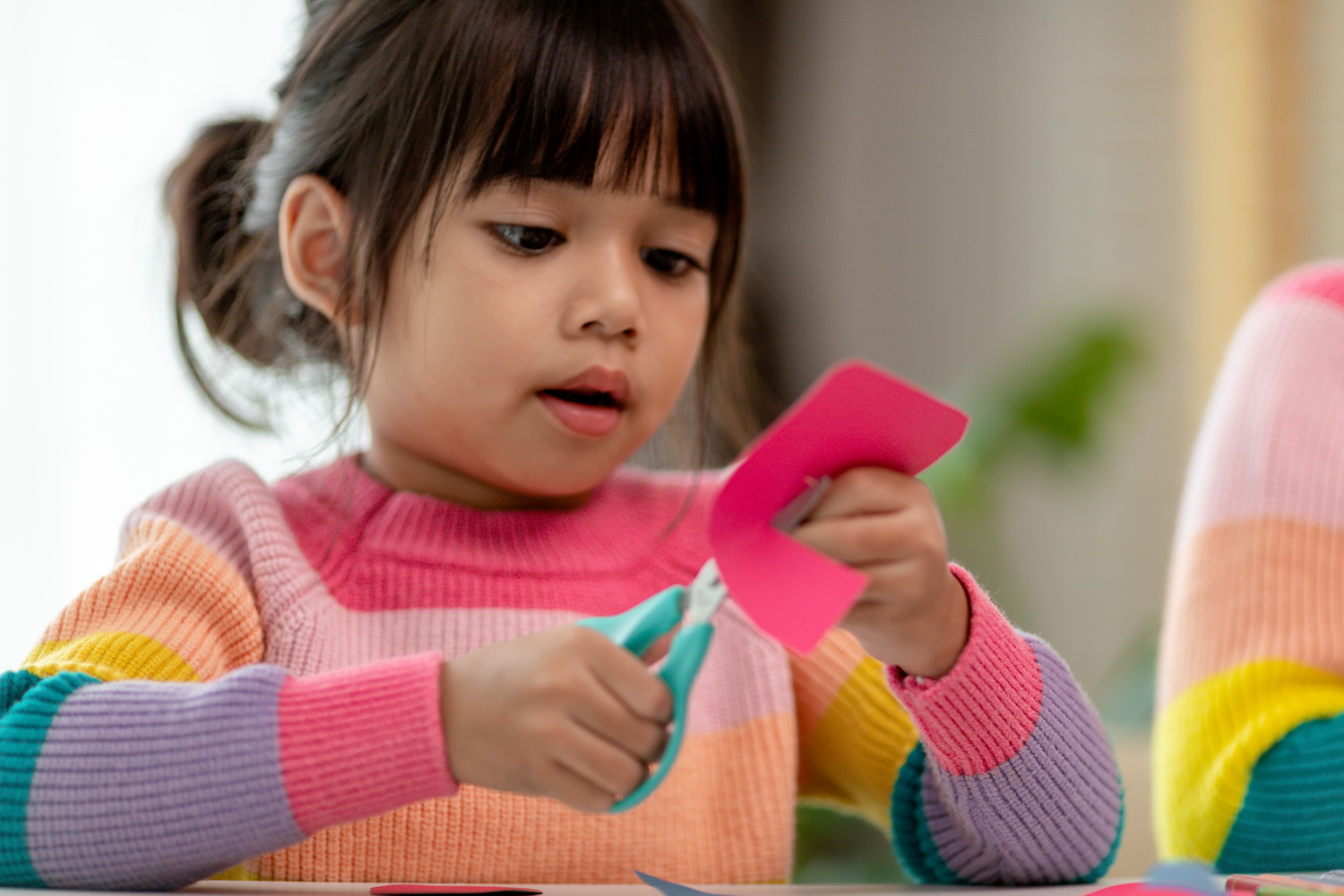
Improving coloring skills for children aged 3-9 is an essential element of their development, and parents and teachers play crucial roles in supporting this process with coloring pages. Firstly, coloring fosters fine motor skills, enhancing hand-eye coordination and grip strength as children learn to control their crayons or markers within the boundaries of shapes. This foundation is vital for later abilities like writing.
Coloring pages also stimulate creativity and imagination. Children choose colors, experiment with combinations, and bring personal expressions to each picture, aiding cognitive development. Through this creative process, they learn to make decisions and solve problems, which are key life skills.
Furthermore, coloring provides emotional benefits, serving as a relaxing activity that can reduce stress and promote focus and patience. It encourages mindfulness and allows kids to express their emotions visually, even before they have the words to articulate how they feel.
Socially, shared coloring sessions foster collaboration and communication among peers, as they share materials and discuss their artwork. This collaborative experience helps build social skills and teamwork.
For educators and parents, monitoring the progress in a child’s coloring can offer insights into their developmental stages and identify areas needing improvement. In essence, improving coloring skills benefits holistic child development—physically, emotionally, cognitively, and socially—making it a valuable and enjoyable educational tool.