Following instructions English for Beginners Worksheets for Ages 3-9
6 filtered results
-
From - To
"Following Instructions English for Beginners Worksheets for Ages 3-9" offers engaging and educational printables designed to enhance young learners' comprehension and listening skills. Perfect for children aged 3-9, these activities emphasize the importance of following instructions, aiding in the development of their English language proficiency. With fun and interactive exercises, kids will learn to follow directions accurately while expanding their vocabulary and understanding of basic concepts. Each worksheet is tailored to keep children motivated and eager to learn, making it an excellent resource for parents, teachers, and tutors aiming to nurture essential language skills in early learners.
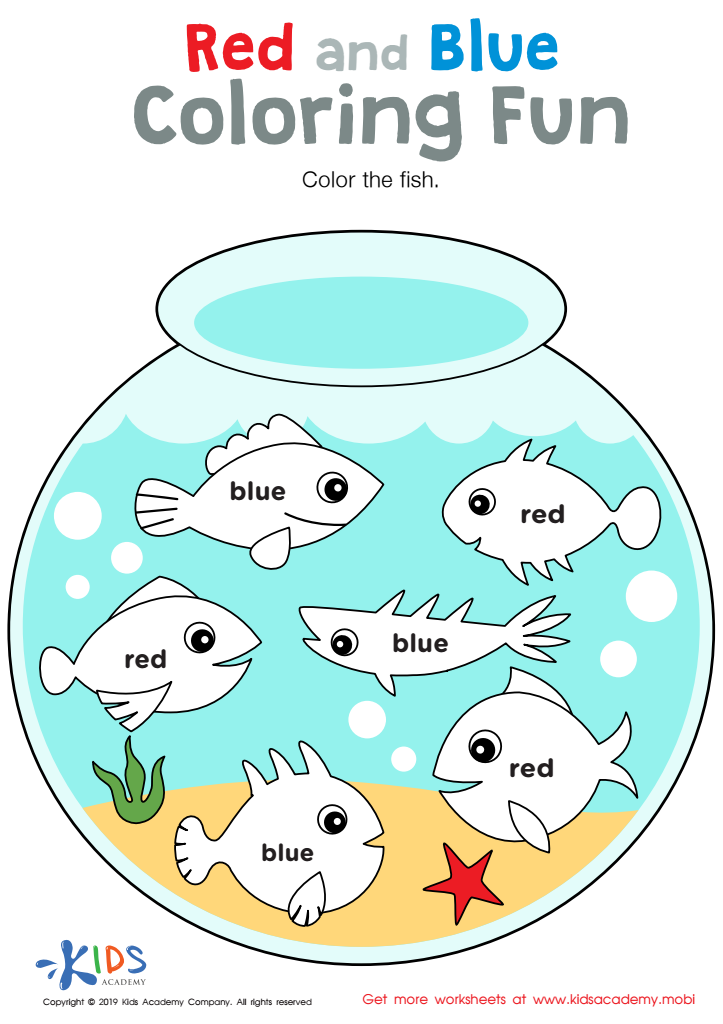
Red and Blue Coloring Fun Worksheet
 Assign to My Students
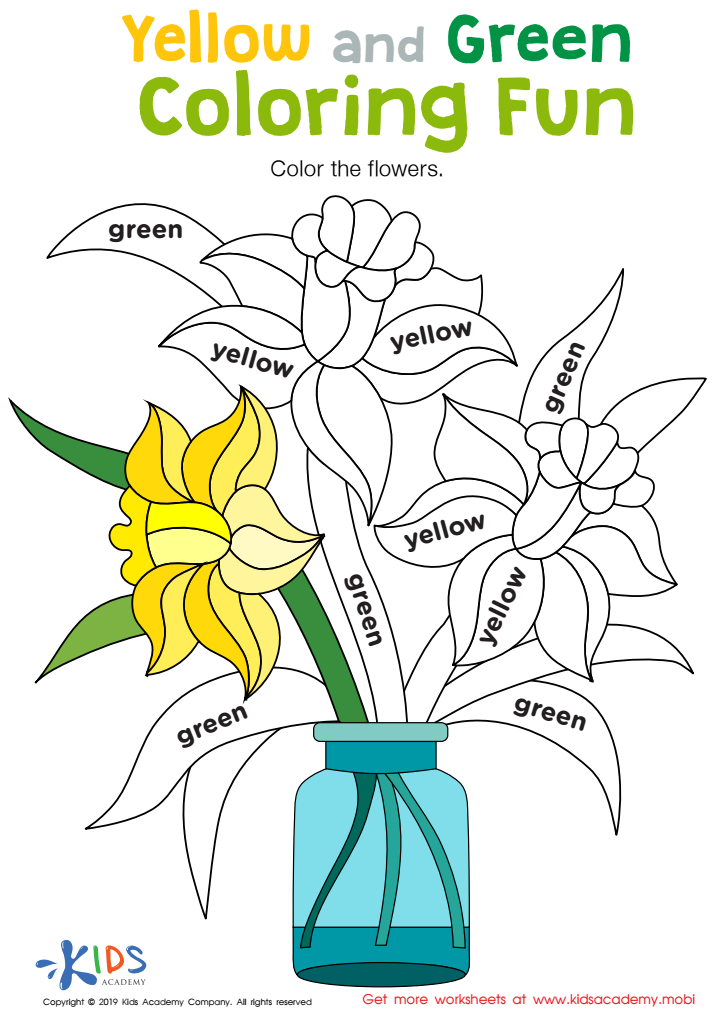
Yellow and Green Coloring Fun Worksheet
Assign to My Students
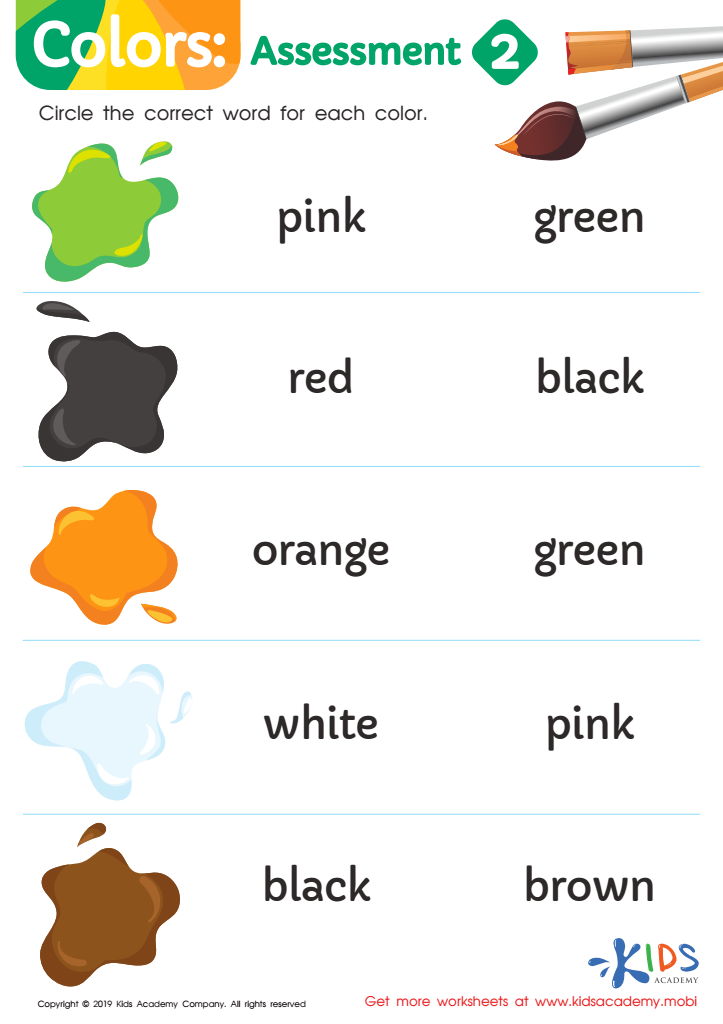
Colors: Assessment 2 Worksheet
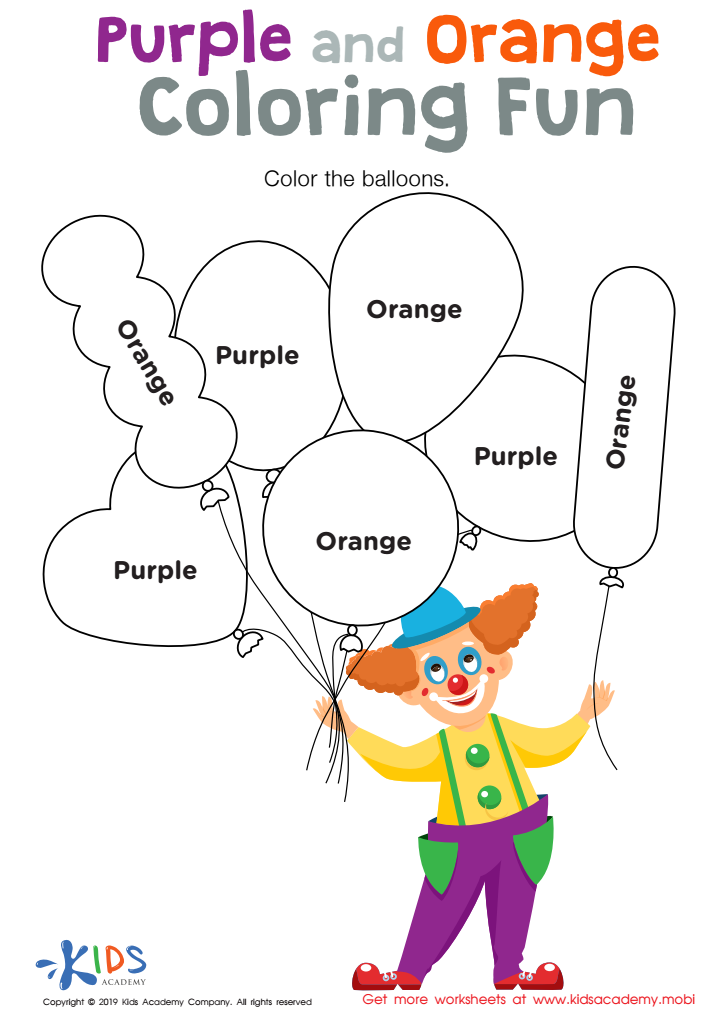
Purple and Orange Coloring Fun Worksheet
Assign to My Students

Monster's Face Coloring Worksheet
Assign to My Students
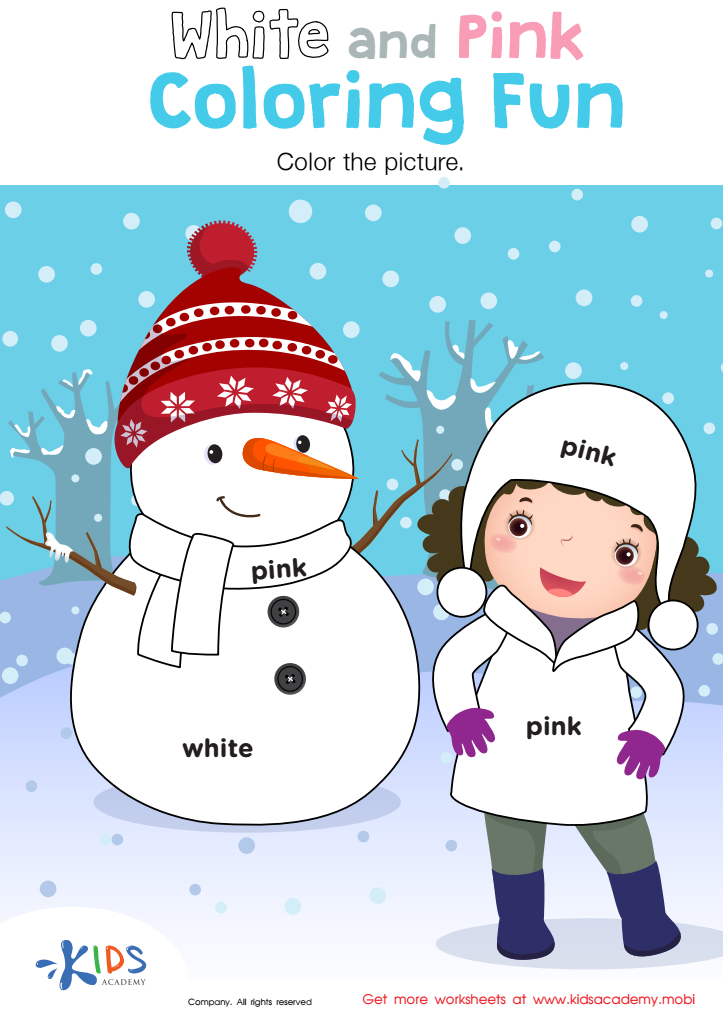
White and Pink Coloring Fun Worksheet
Assign to My Students




Parents and teachers should prioritize "Following Instructions: English for Beginners" for children aged 3-9 because these early years form the foundation for future academic and social success. During this critical developmental period, young children are rapidly developing cognitive, linguistic, and social skills.
First, mastering the ability to follow instructions nurtures essential language skills. It improves children's vocabulary, comprehension, and listening abilities, which are vital for effective communication. These skills are building blocks for more complex language activities and reading comprehension in later grades.
Secondly, developing the habit of following instructions enhances cognitive development. It trains children to focus, process information, and execute tasks methodically, which are essential skills for problem-solving and critical thinking.
Furthermore, following instructions is pivotal for social development. It teaches children about structure, rules, and the importance of cooperation in group settings. Understanding and obeying instructions helps children thrive in academic environments and social interactions, fostering a sense of responsibility and self-discipline.
Lastly, reinforcing these skills early on reduces potential obstacles in later learning stages, providing a smoother educational journey. Investing time in teaching young children the importance of following instructions in English equips them with the necessary tools to succeed both in school and in life.