Vocabulary Building English for Beginners Worksheets for Ages 3-9
6 filtered results
Difficulty Level
Grade
Age
-
From - To
Subject
Activity
Standards
Discover our engaging Vocabulary Building English worksheets, specially designed for beginners aged 3-9! These interactive resources help children expand their vocabulary in a fun and effective way. Each worksheet features colorful images and simple exercises that captivate young learners while reinforcing essential language skills. Topics include everyday objects, animals, and common actions, encouraging children to connect words with their meanings through visual aids and hands-on activities. Perfect for homeschooling or classroom use, our vocabulary worksheets foster a love for language and learning, providing a solid foundation as kids embark on their English language journey. Start building vocabulary confidence today!
Favorites
With answer key
Interactive
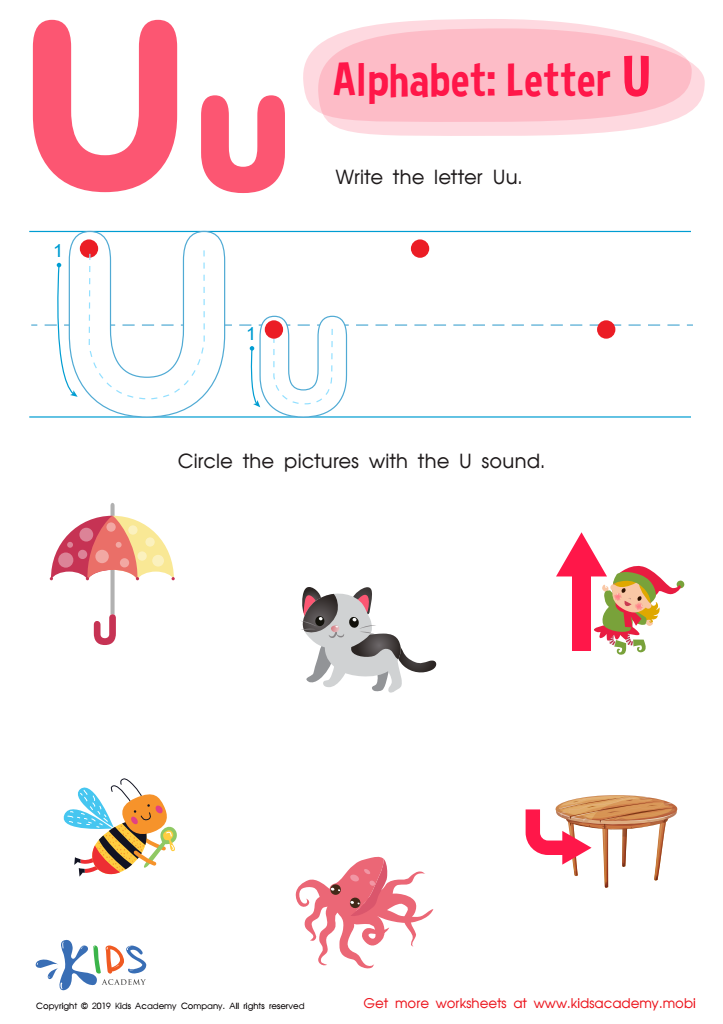
Letter U Tracing Worksheet
Your students can have fun and learn about the alphabet with this letter «U» worksheet. Pre-schoolers will trace the letter «U», circle words with the letter sound, and learn phonics while boosting their confidence. Doing these tasks will help them understand the letter more.
Letter U Tracing Worksheet
Worksheet
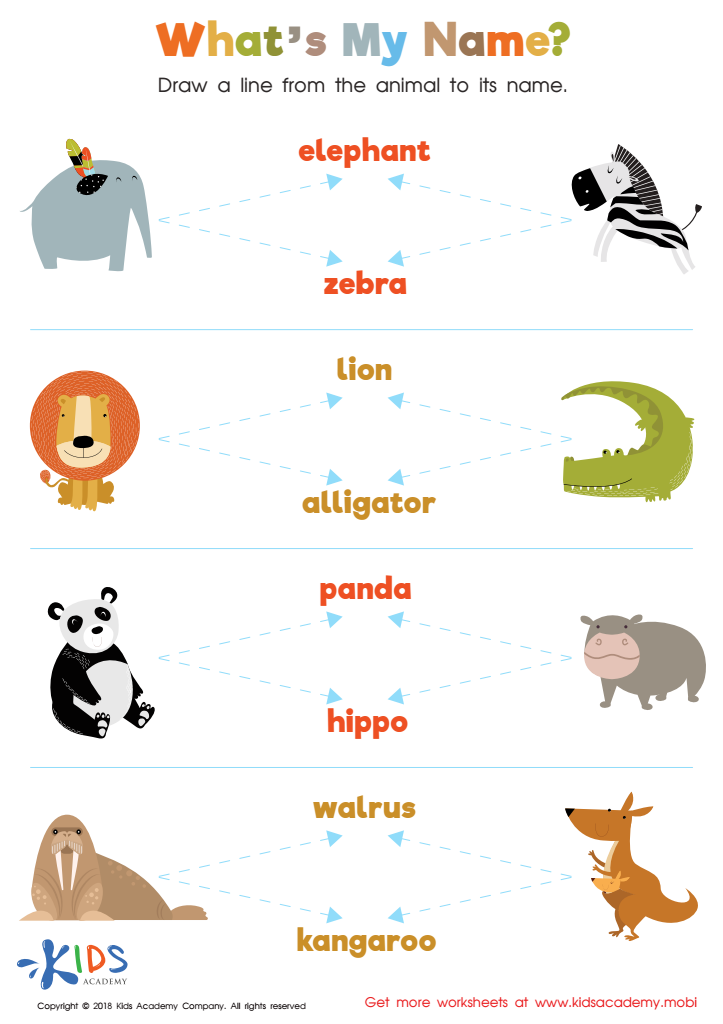
Animals and Their Names Worksheet
Match animals with their names with this worksheet! Draw a line from the word to its picture. Say the name of each animal. Later, search for these animals at the zoo - great for reinforcing learning!
Animals and Their Names Worksheet
Worksheet
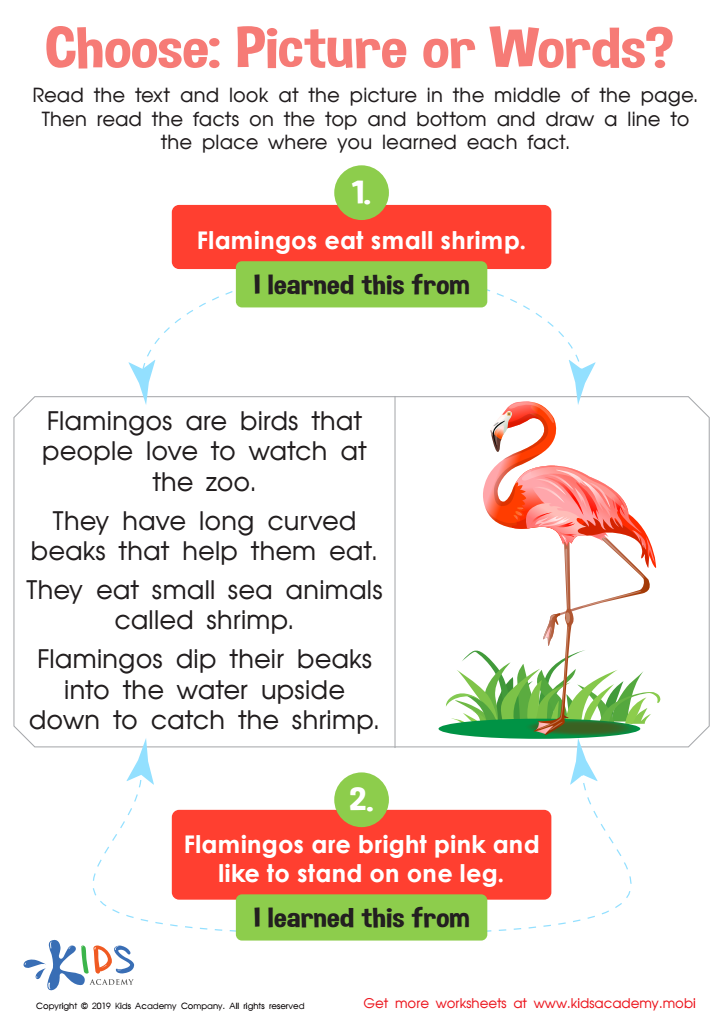
Choose Picture Words Worksheet
Pictures are powerful tools for children learning to read. Early readers apply their prior knowledge and pictures to create understanding. This PDF worksheet lets them understand the combined power of pictures and words, by having them choose one to answer how they learned the facts about flamingoes.
Choose Picture Words Worksheet
Worksheet
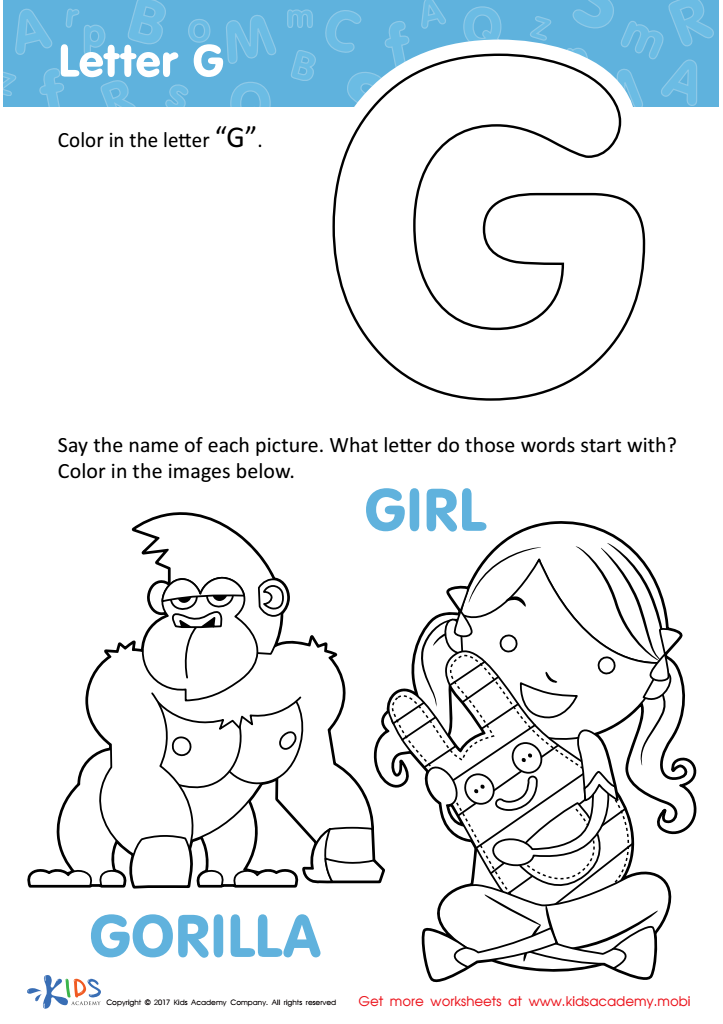
Letter G Coloring Sheet
This "G" coloring page encourages creativity and teaches kids the letter "G" sound. With its fun visuals and familiar words, it's sure to excite your child. Plus, you can talk about the letter’s sound with the pictures given.
Download (PDF)
 Assign to My Students
Assign to My Students
Letter G Coloring Sheet
Worksheet
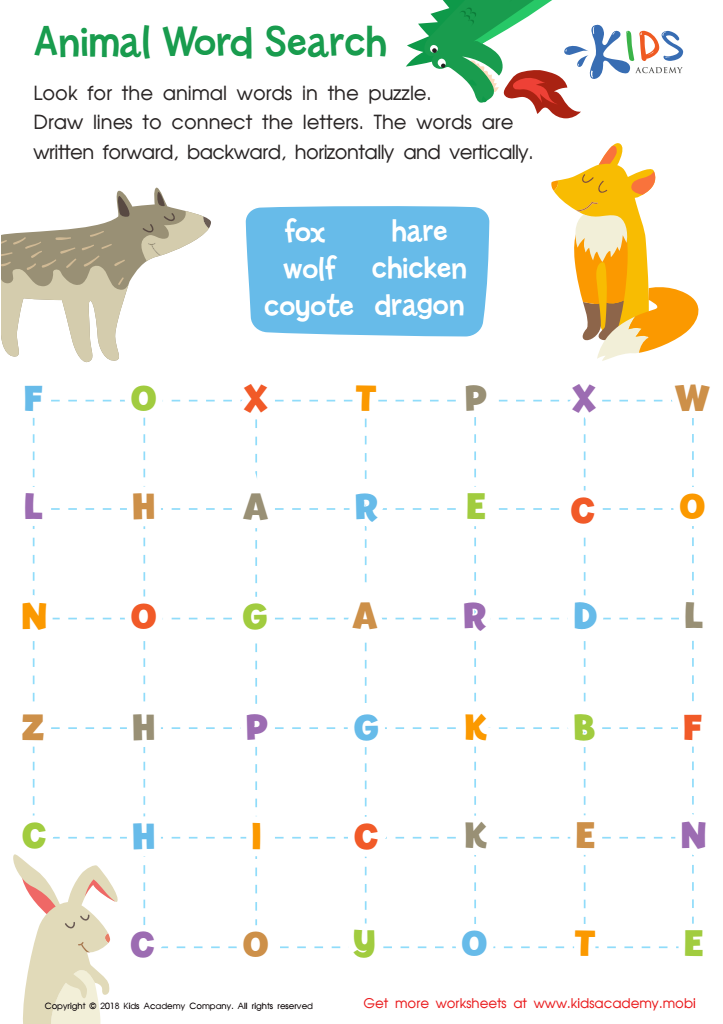
Animal Word Search Worksheet
Students can have fun and strengthen spelling and vocabulary skills with this word search worksheet. Search for animal words and circle the letters in the puzzle. Words can be found forwards, backwards, horizontally or vertically, providing a great challenge to foster critical thinking skills. An enriching activity for all ages!
Animal Word Search Worksheet
Worksheet
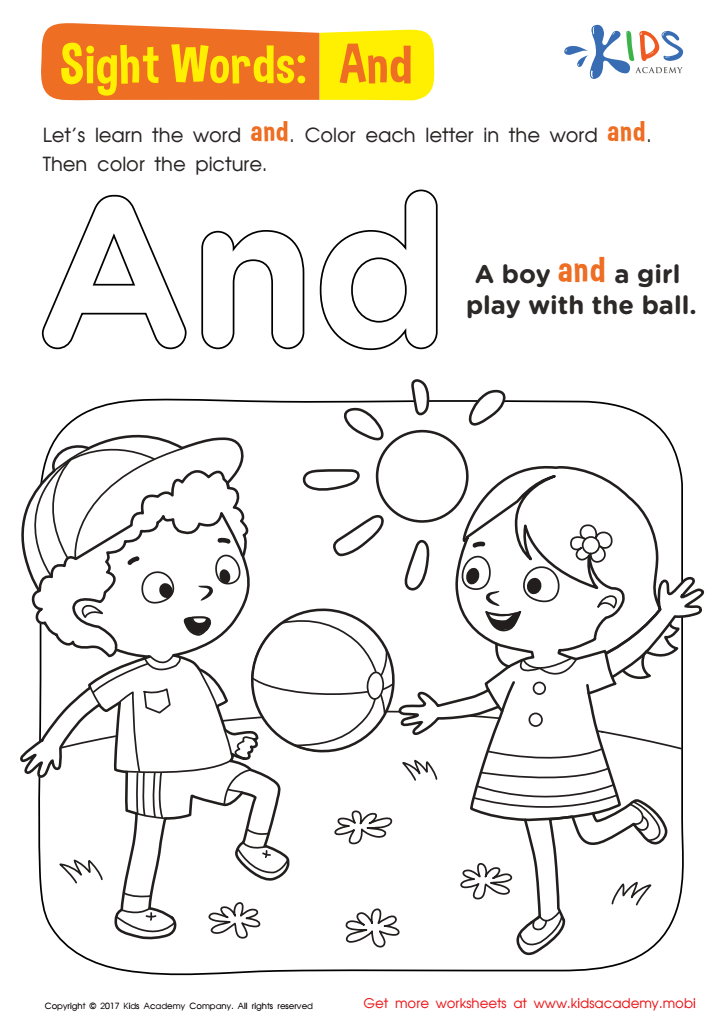
And Worksheet Sight Words Worksheet
Help your child get a jumpstart on reading with sight words! Print out this fun worksheet and get your child to read the sentence. Point out the word "and", then color the word and enjoy the rest of the scene! It's a great way to introduce sight words and get their early reading skills going!
Download (PDF)
Assign to My Students
Assign to My Students
And Worksheet Sight Words Worksheet
Worksheet
Join Kids Academy for Free
Who is primarily going to use this learning content?




Vocabulary building is crucial for young learners aged 3-9, as it forms the foundation for effective communication and literacy skills. At this stage, children are naturally curious and eager to explore language, making it an ideal time to introduce new words and concepts. A rich vocabulary enhances their ability to express thoughts and feelings, fostering confidence in their communication.
Parents and teachers should prioritize vocabulary development because it directly correlates with academic success. Children with a strong vocabulary tend to perform better in reading and writing, since understanding language is essential for grasping new concepts across subjects. Furthermore, effective vocabulary building cultivates critical thinking skills and expands cultural awareness, helping children engage with diverse texts and perspectives.
Participating in vocabulary-building activities—such as reading aloud, playing word games, or engaging in storytelling—promotes not only language skills but also social and emotional development through collaboration and creativity. Additionally, early vocabulary exposure can lay the groundwork for lifelong learning and curiosity.
By focusing on vocabulary building, parents and teachers can empower children to become articulate, knowledgeable individuals, enhancing their educational journeys and preparing them for effective participation in an increasingly complex world.