Vocabulary Enrichment English for Beginners Worksheets for Ages 3-9
6 filtered results
Difficulty Level
Grade
Age
-
From - To
Subject
Activity
Standards
Discover our engaging Vocabulary Enrichment English worksheets designed specifically for beginners aged 3 to 9! These interactive activities foster language development and help young learners build essential vocabulary skills. Our carefully curated materials feature colorful illustrations and age-appropriate themes to captivate children's attention while reinforcing word recognition and usage. These worksheets encourage creativity and critical thinking, making learning fun and effective. Perfect for home or classroom use, our resources support ESL learners in expanding their language horizons. Boost your child's confidence in English with enjoyable activities that turn vocabulary building into a delightful adventure! Explore our collection today and watch their skills soar!
Favorites
With answer key
Interactive
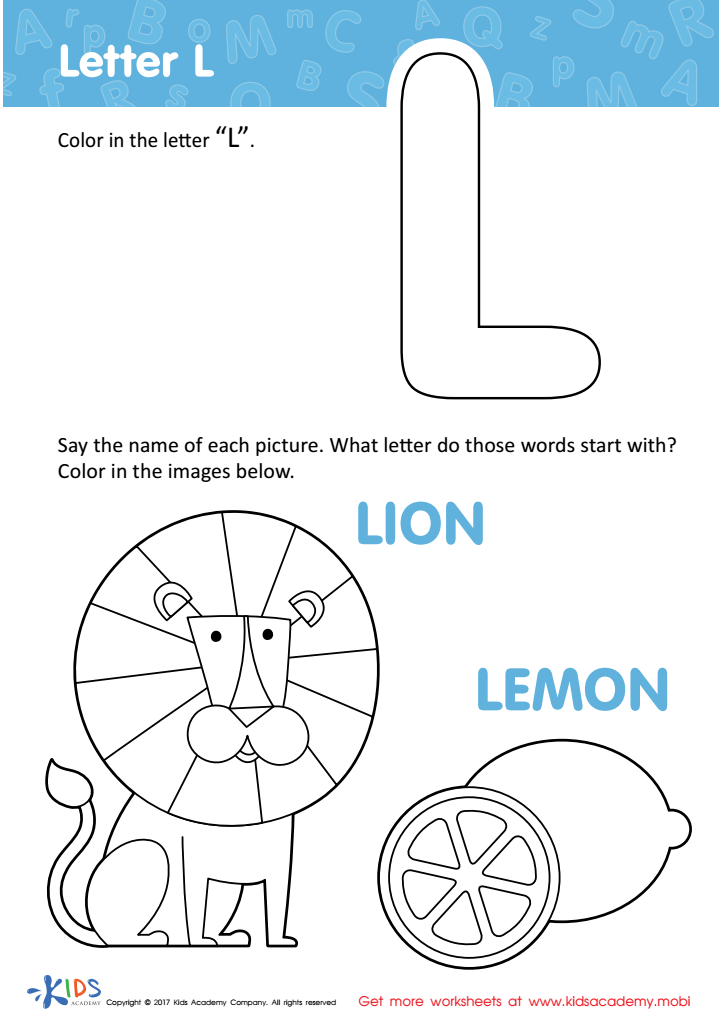
Letter L Coloring Sheet
Kids often struggle to say "L" and love it because so many things they love start with it! This coloring page combines the letter and fun images like a lemon and lion to teach and entertain!
Download (PDF)
 Assign to My Students
Assign to My Students
Letter L Coloring Sheet
Worksheet
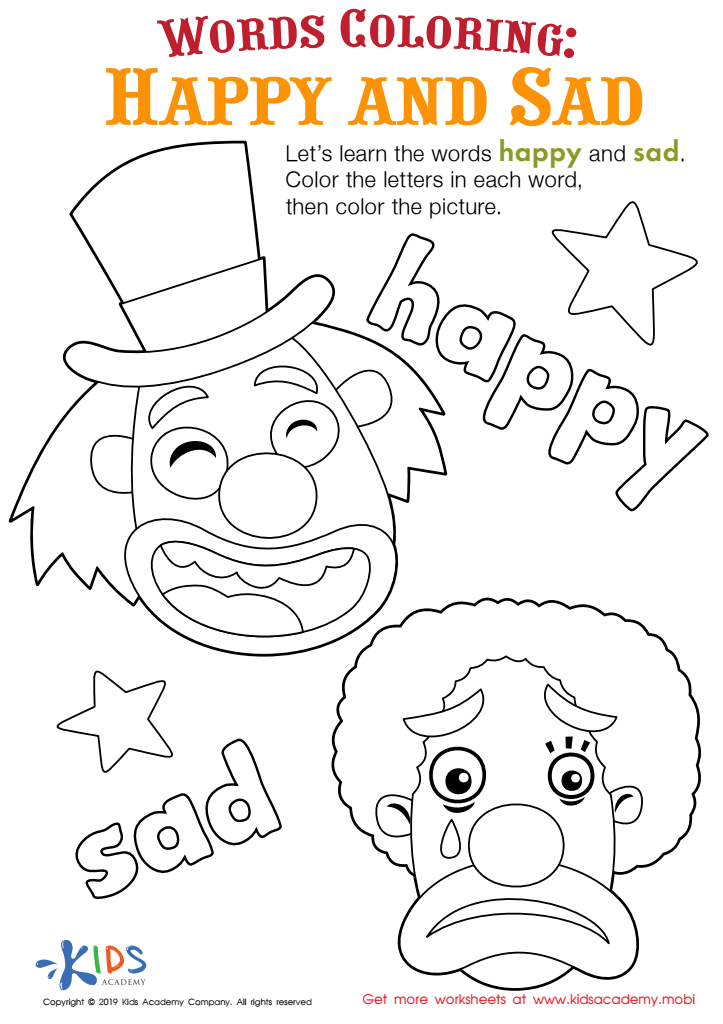
Happy and Sad Words Coloring Worksheet
Help students understand emotions by using this fun worksheet. It features smiling and sad clowns and the words 'happy' and 'sad'. Read the words with your students, then have them color the clowns and the emotion words. This PDF is an effective way to teach kids how to express how they feel.
Download (PDF)
Assign to My Students
Assign to My Students
Happy and Sad Words Coloring Worksheet
Worksheet
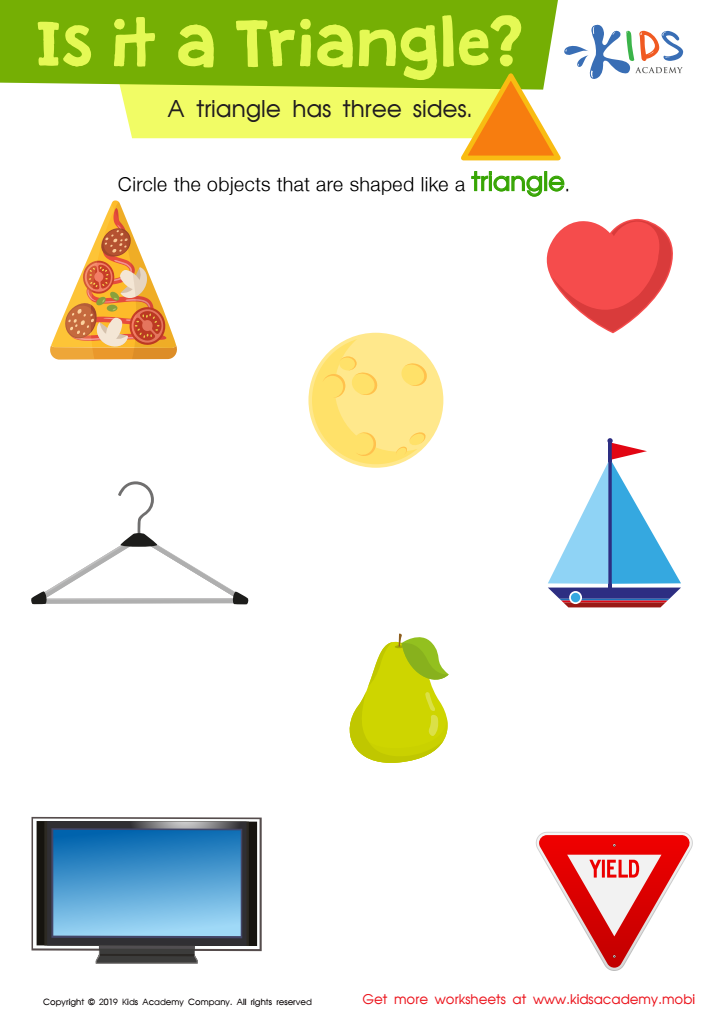
Is It a Triangle? Worksheet
Young kids need to learn to identify basic shapes for math. Show them what a triangle looks like with this fun worksheet. They can look around their environment for everyday objects shaped like a triangle and circle them on the sheet. Download now and start learning what a triangle is!
Is It a Triangle? Worksheet
Worksheet
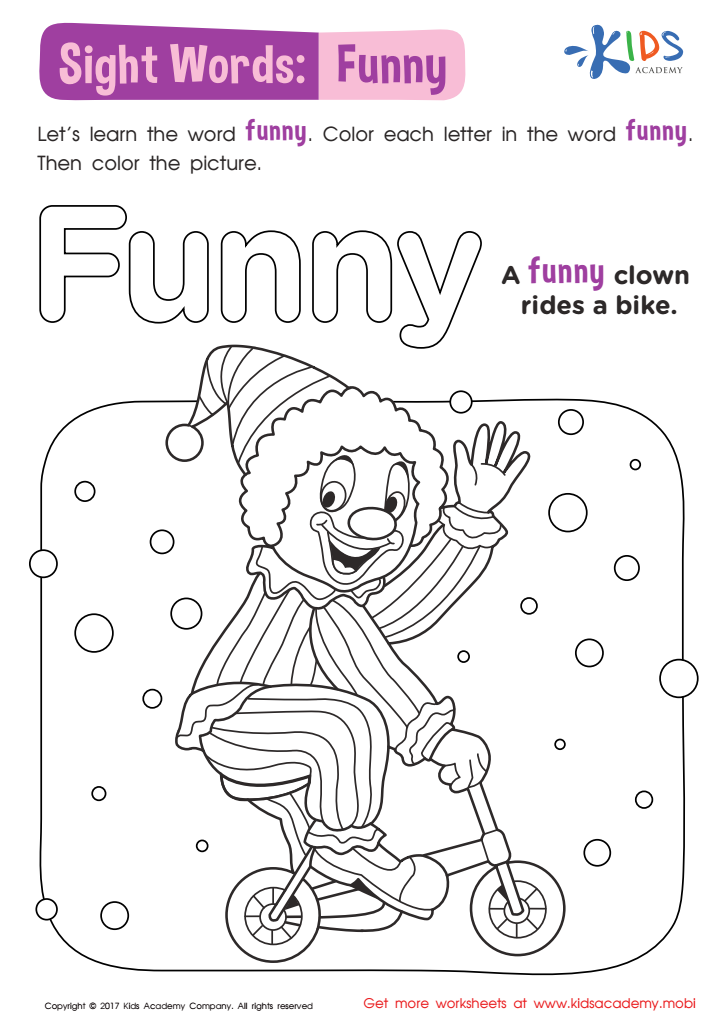
Funny Worksheet Sight Words Worksheet
Love humor? Introduce "funny" as a sight word with this fun worksheet! Have your child read the sentence then color the word in the center. Let them use their imagination to color the silly clown in any way they like!
Download (PDF)
Assign to My Students
Assign to My Students
Funny Worksheet Sight Words Worksheet
Worksheet
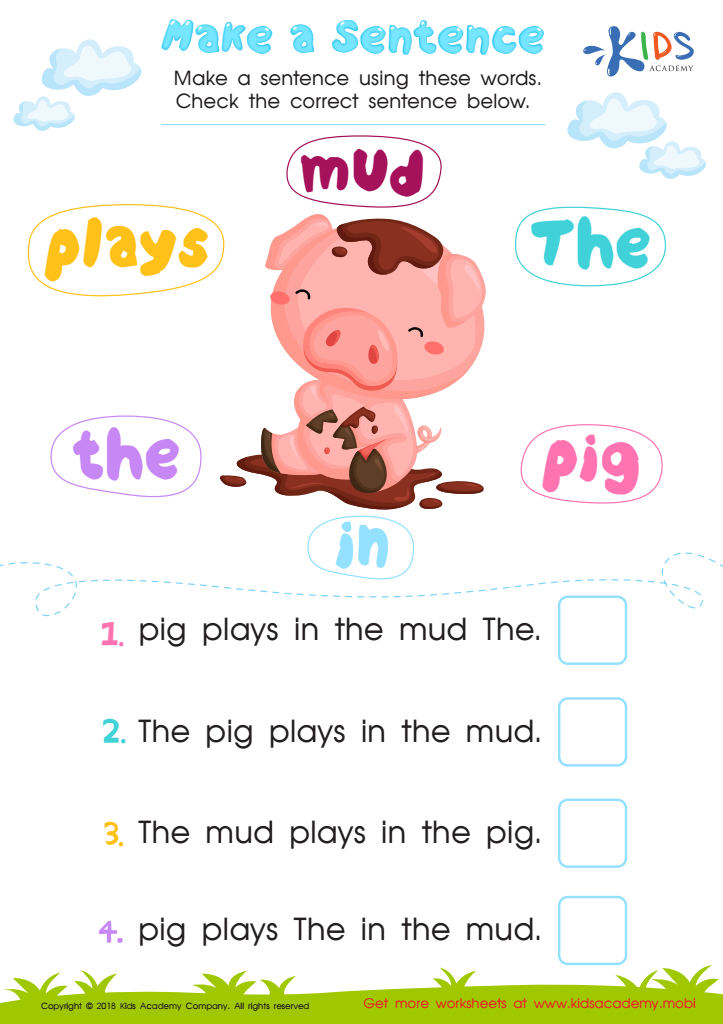
Assessment: Make a Sentence Worksheet
Help your kids identify the animal in the printout. Read the words in the bubbles and then read the four sentences in the options 1 – 4. Ask them to check the box with the correct sentence.
Assessment: Make a Sentence Worksheet
Worksheet
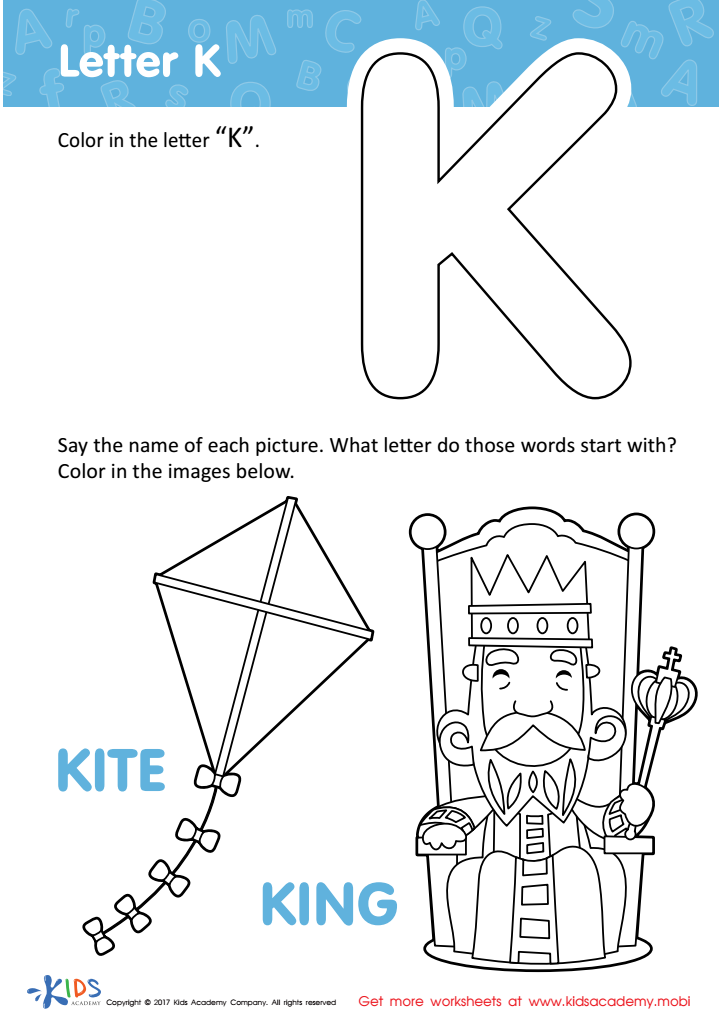
Letter K Coloring Sheet
This letter K coloring page captivates your child's creativity while learning the letter! Showcasing a king and kite, common words for their age group, it's sure to spark their imagination.
Download (PDF)
Assign to My Students
Assign to My Students
Letter K Coloring Sheet
Worksheet
Join Kids Academy for Free
Who is primarily going to use this learning content?




Vocabulary enrichment is crucial for children aged 3-9, as it lays the foundation for effective communication, literacy, and overall academic success. During these formative years, children's brains are highly receptive to language learning. By enhancing their vocabulary, we empower them to express their thoughts, feelings, and ideas more clearly, fostering confidence in their communication skills.
Parents and teachers play a pivotal role in this process. Engaging with children through interactive reading, storytelling, and vocabulary games introduces new words in context, making them more relatable and easier to remember. This not only enriches their vocabulary but also enhances their comprehension skills and critical thinking abilities.
Furthermore, a robust vocabulary is linked to improved performance in school. Children with a rich vocabulary are better equipped to understand complex concepts as they advance in their education. They can articulate their understanding, ask questions, and participate in discussions, all of which are essential for their academic development.
Ultimately, nurturing vocabulary at an early age helps to bridge gaps in learning, making it vital for parents and teachers to prioritize vocabulary enrichment through enjoyable, engaging, and consistent practices. By doing so, we prepare our children for a future filled with opportunities and the ability to communicate effectively.