Basic math learning Worksheets for Ages 3-9
3 filtered results
-
From - To
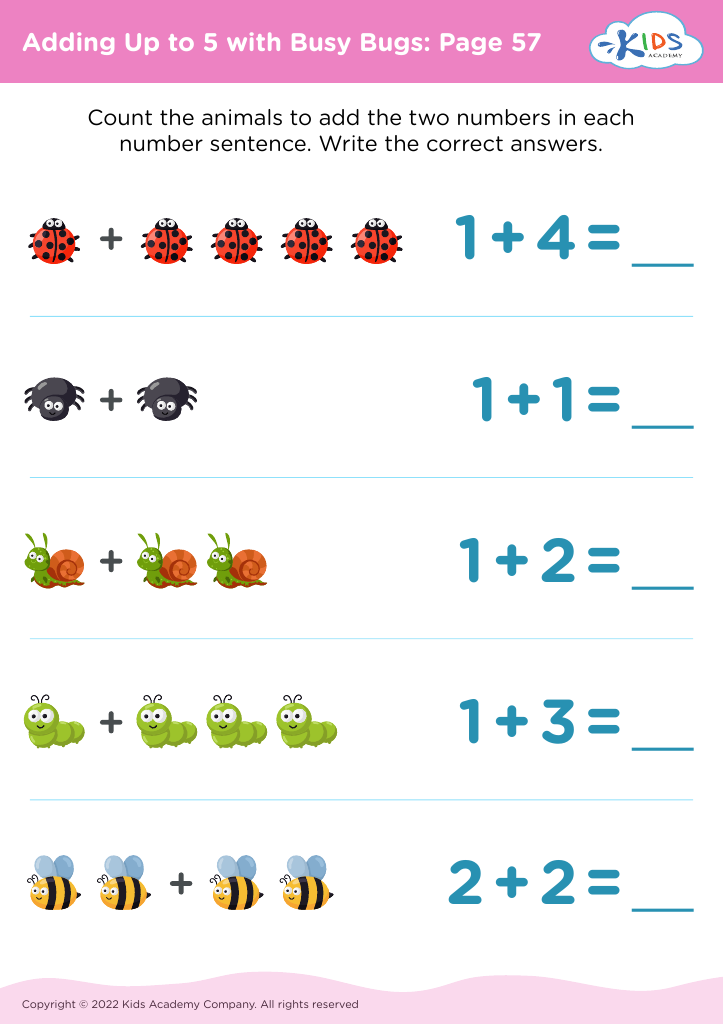
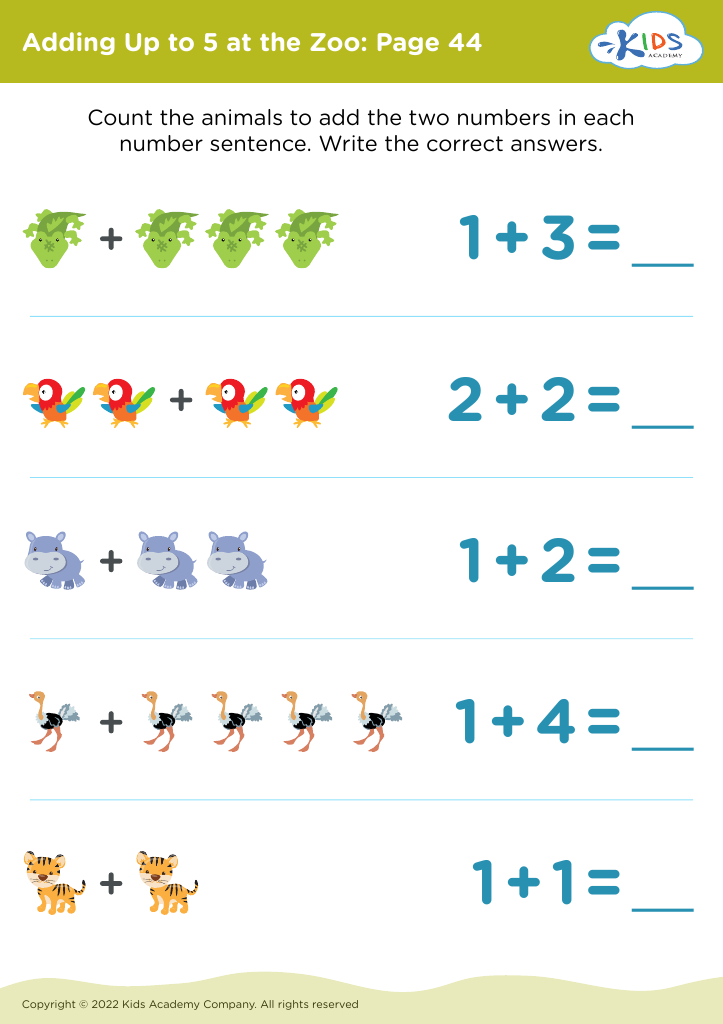
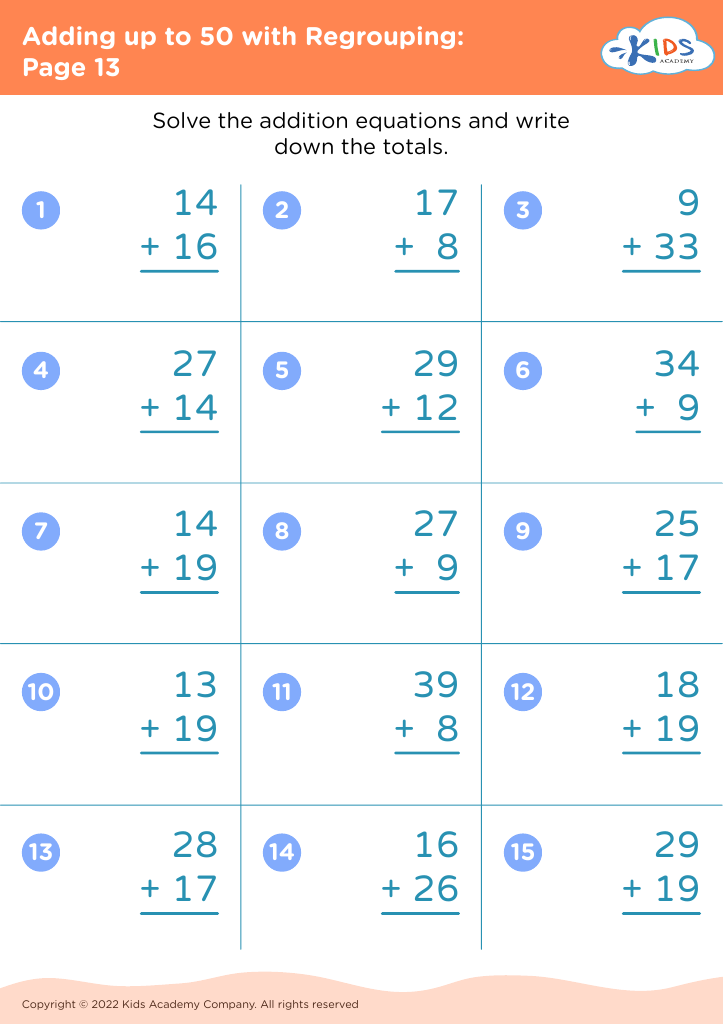
Discover our engaging Basic Math Learning Worksheets designed for children aged 3-9. These worksheets provide a fun and interactive way for young learners to practice essential math skills, including number recognition, counting, addition, and subtraction. Each worksheet is crafted to cater to different learning levels, helping children build confidence in arithmetic. Our visually appealing formats encourage hands-on activities, ensuring that children stay focused while learning. Whether for home or classroom use, these worksheets are a valuable resource for early math education, fostering a strong foundational understanding that will benefit your child's academic journey. Explore our collection and make math enjoyable today!





.jpg)

Basic math learning for children aged 3-9 is crucial as it lays the foundation for future academic success and everyday problem-solving skills. Early math education helps develop critical thinking, reasoning, and analytical skills, which are essential not only in math but across all subjects. At this young age, children possess a natural curiosity and eagerness to learn, making it an ideal time to introduce mathematical concepts through play, visual aids, and interactive activities.
Parents and teachers should care about fostering a strong math foundation because these early skills influence later learning and confidence in the subject. For instance, understanding basic concepts like counting, addition, and shape recognition can lead to more advanced mathematical problem-solving later on.
Moreover, math is integrated into everyday life—whether through shopping, cooking, or sports—enabling children to recognize its importance and relevance. Fostering a positive attitude toward math helps prevent anxiety and fosters a lifelong love of learning. By investing in early math education, parents and teachers equip children with tools that not only enrich their academic journey but also enhance their capacity for logical reasoning and decision-making in everyday situations.








