Basic Math Skills Worksheets for Ages 3-9 - Page 9
198 filtered results
-
From - To
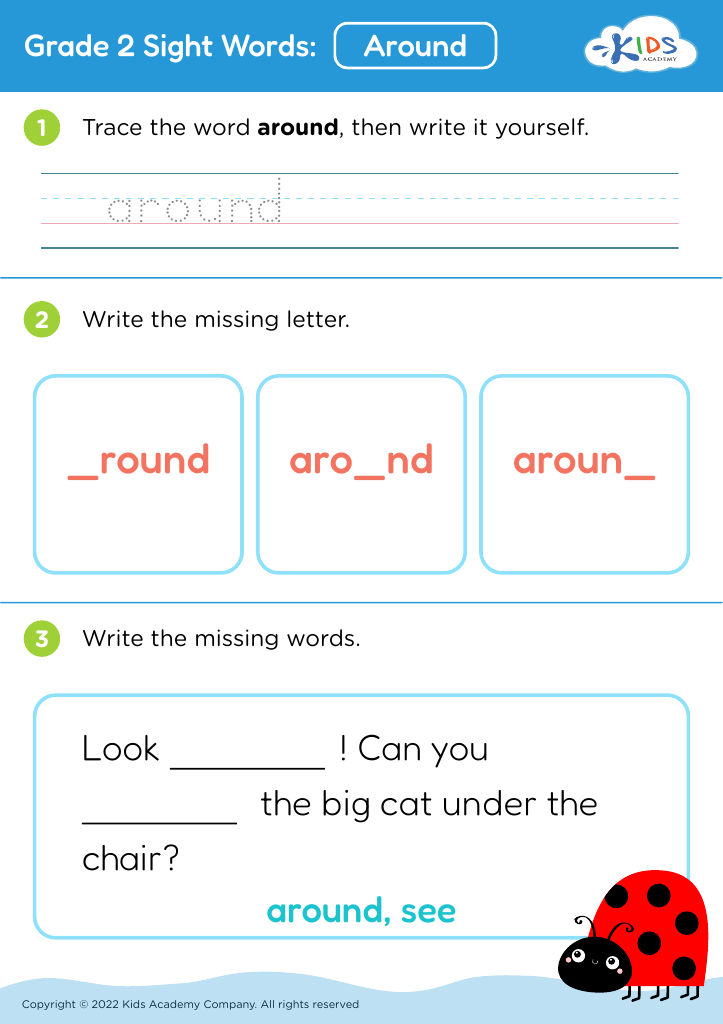
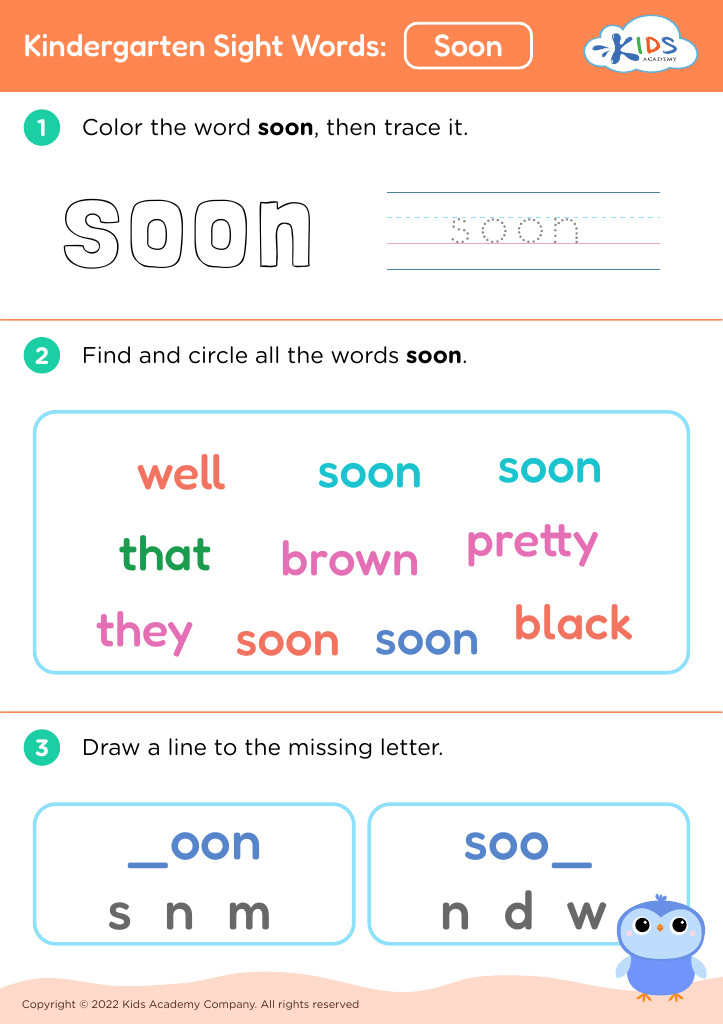
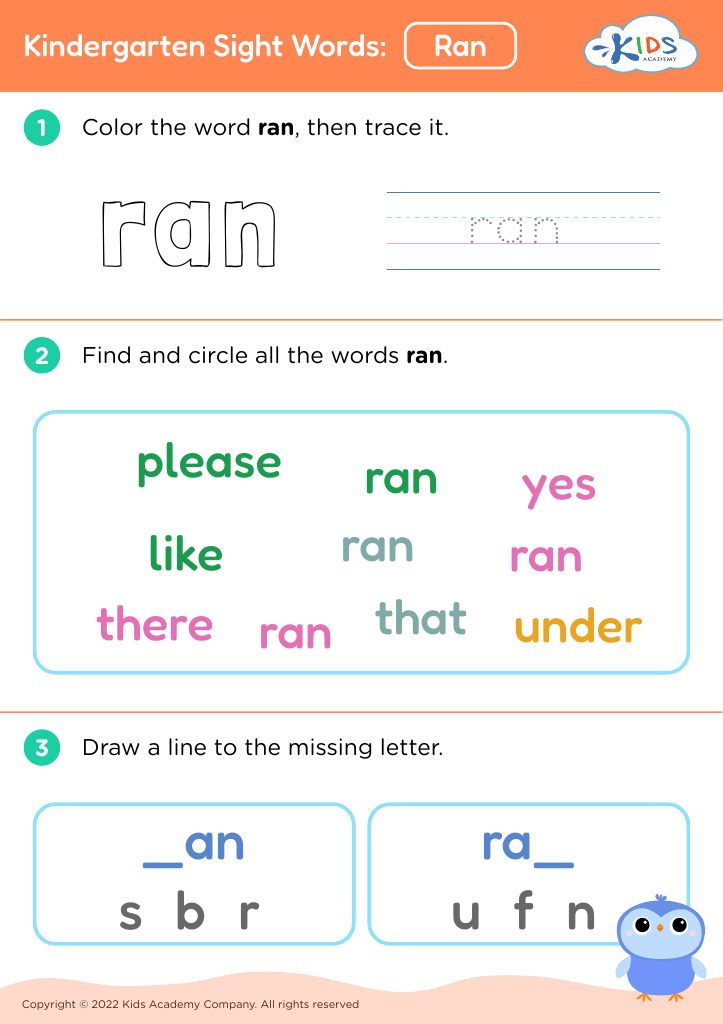
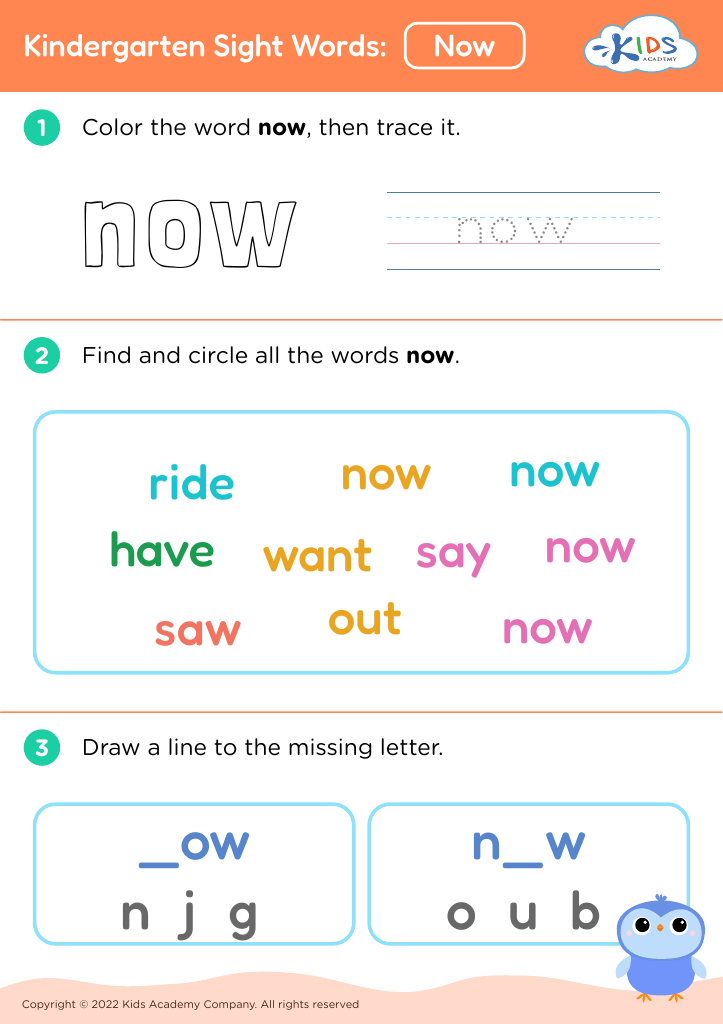







Basic math skills are crucial during the ages of 3-9, as this developmental stage lays the foundation for a child's future learning. Engaging with math in early childhood enhances cognitive abilities, critical thinking, and problem-solving skills. As children learn to recognize numbers, shapes, and patterns, they develop the ability to understand relationships and make connections, which are essential skills for more complex mathematical concepts later on.
Moreover, a strong grasp of basic math contributes to a child's confidence. Early mastery of numbers often leads to positive academic experiences, fostering a love for math rather than fear or aversion. Parents and teachers play a vital role in this process; engaging children in fun, everyday math activities—such as counting objects, measuring, or playing math games—promotes practical understanding.
Additionally, research indicates that early math skills correlate strongly with future academic success. By focusing on basic math skills, parents and teachers can help bridge any potential achievement gaps, setting children up for positive educational trajectories. Encouraging an understanding of math not only enriches the child’s learning experience but prepares them essential life skills such as budgeting, cooking, and planning, reinforcing the importance of math beyond the classroom.








