Building vocabulary Worksheets for Ages 3-9
7 filtered results
-
From - To
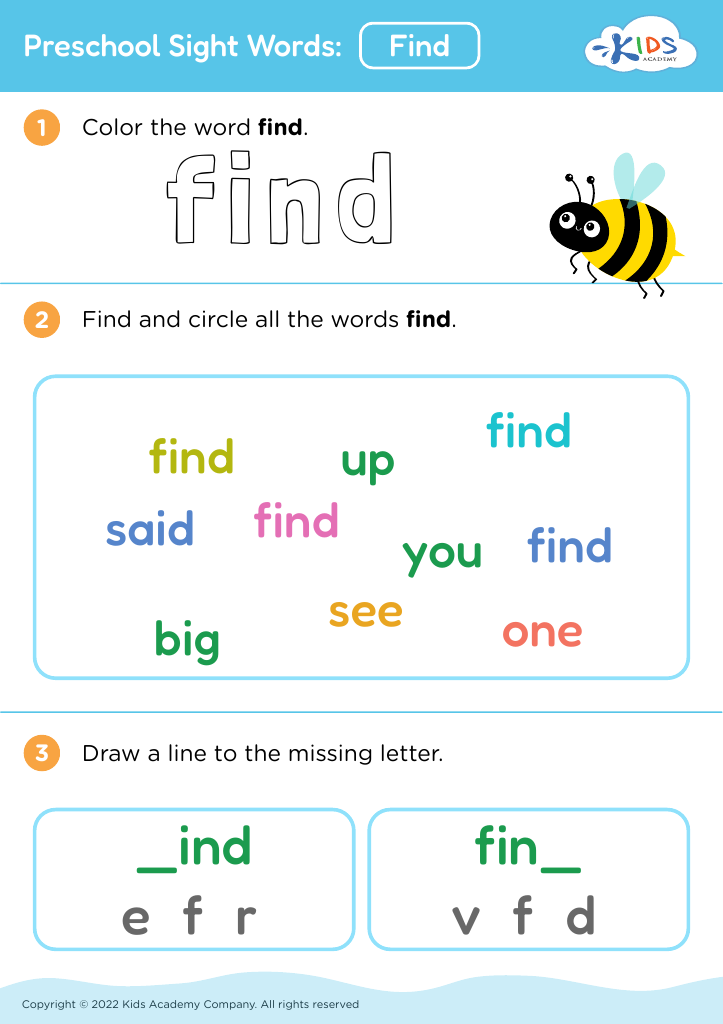
Welcome to our Building Vocabulary Worksheets for Ages 3-9! These engaging and interactive resources are designed to enhance your child’s language skills while making learning fun. Our worksheets feature a variety of activities, including word matching, picture identification, and creative exercises that encourage vocabulary expansion. Tailored to different developmental levels, these worksheets promote early literacy and comprehension, providing a solid foundation for lifelong learning. Perfect for at-home practice, classroom use, or supplemental education, these printable resources will captivate young learners and support their growth as confident communicators. Explore our collection and watch your child’s vocabulary flourish!
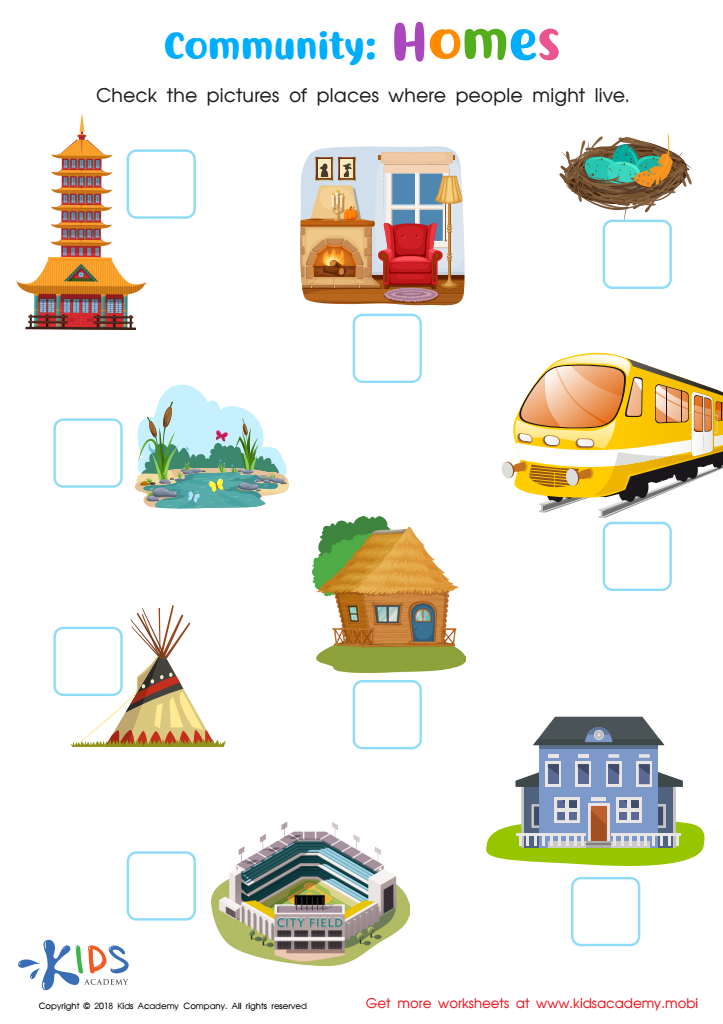
Community: Homes Worksheet
 Assign to My Students
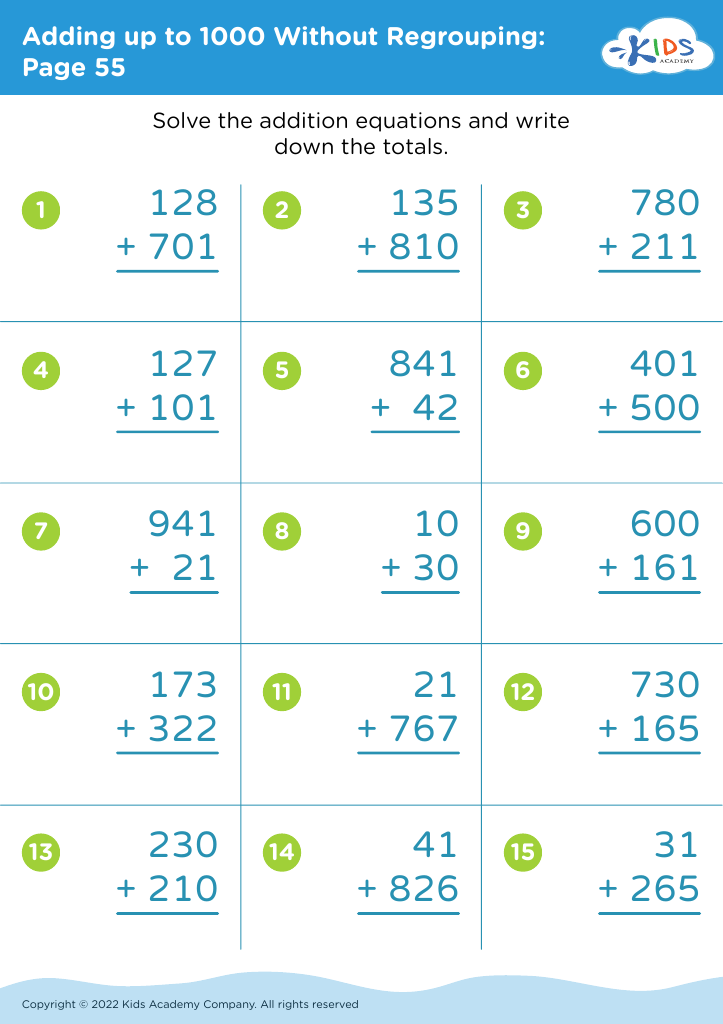
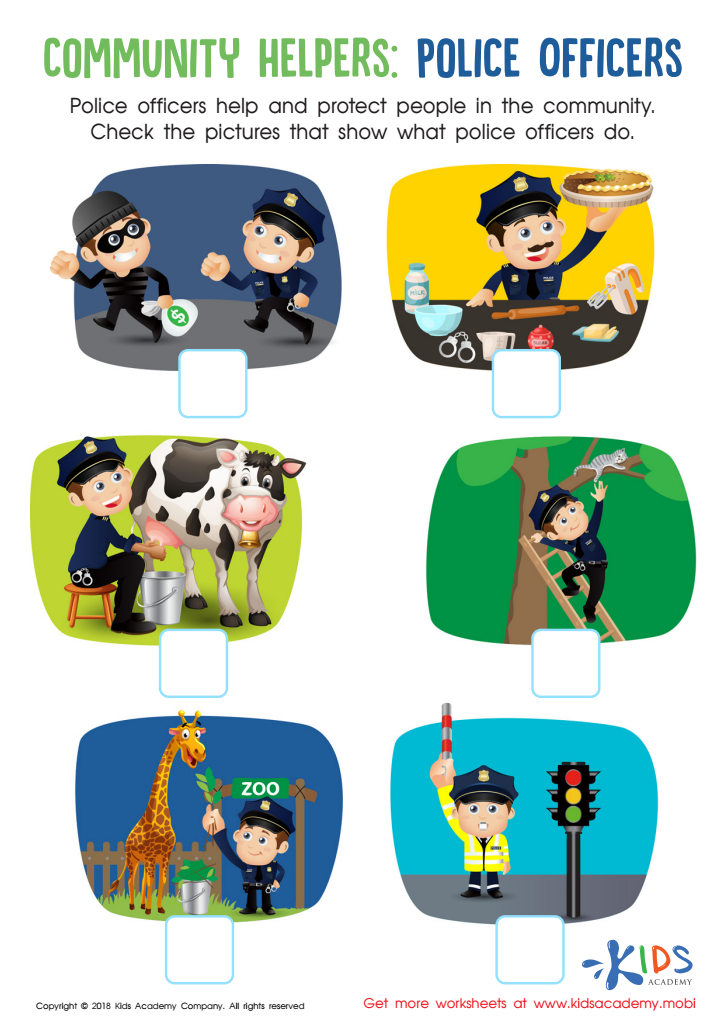
Police Officers Community Helpers Worksheet
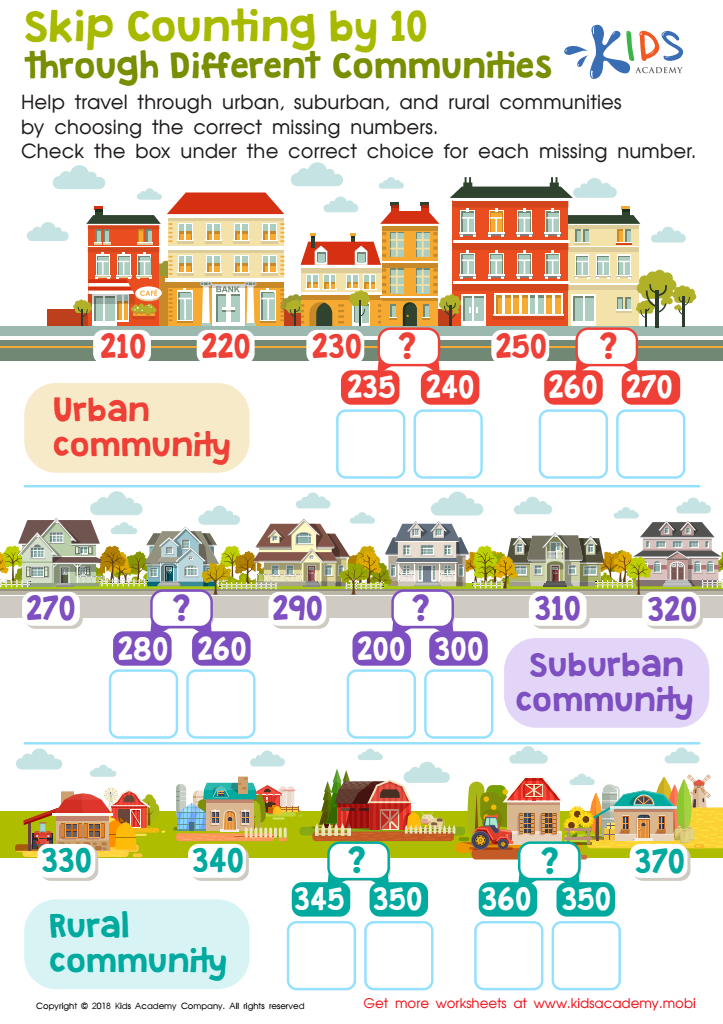
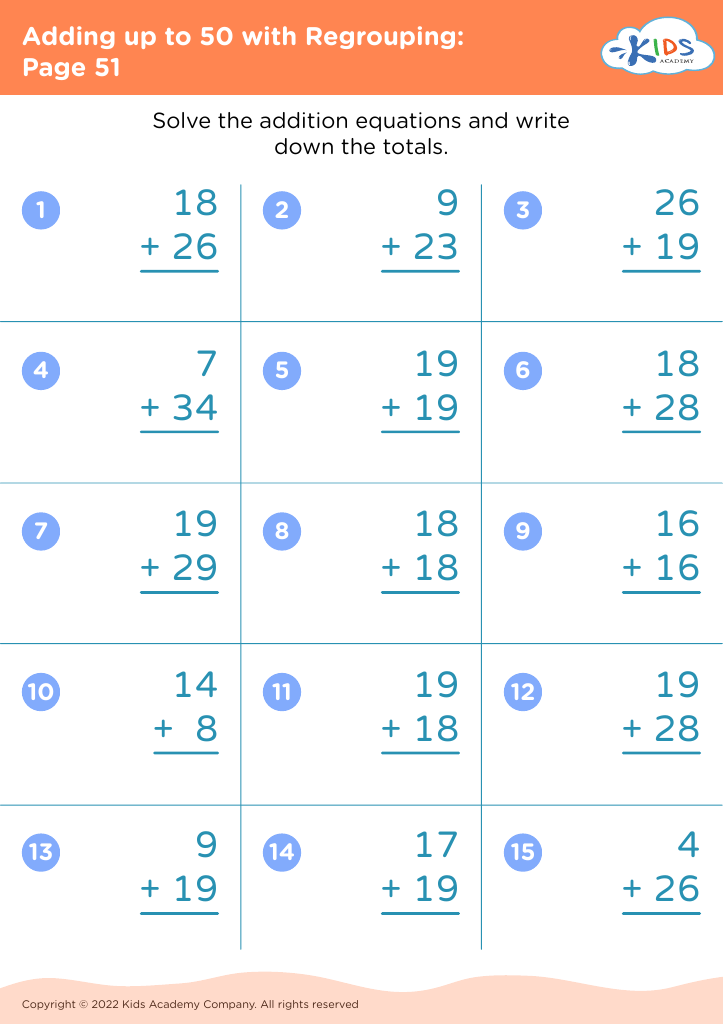
Skip Counting by 10 through Different Communities Worksheet
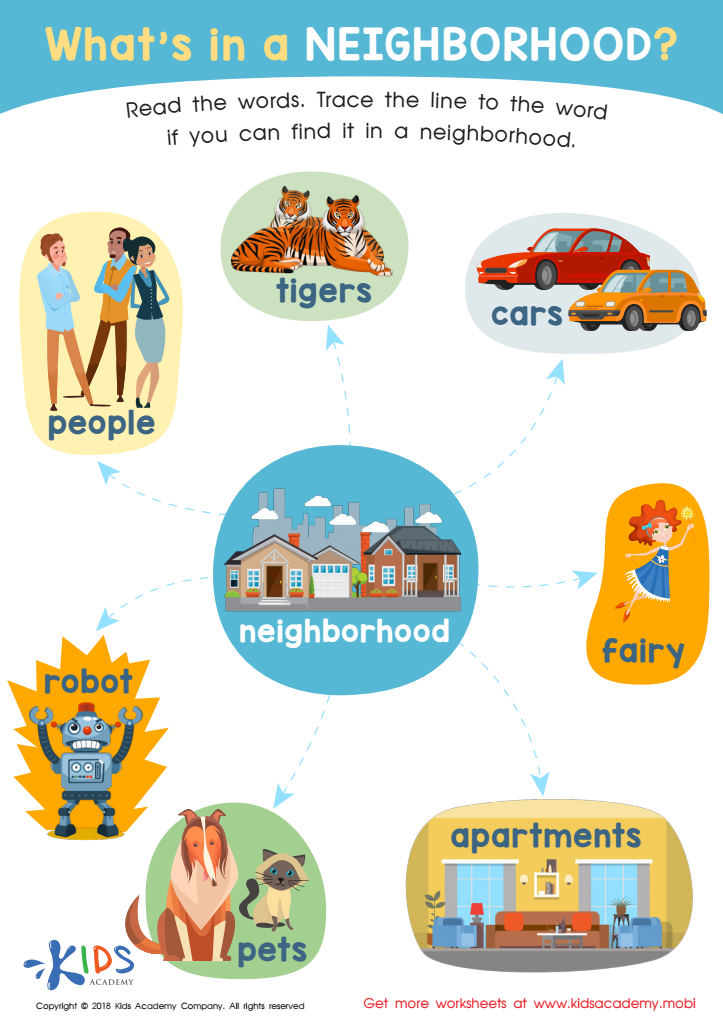
What's in a Neighborhood? Worksheet





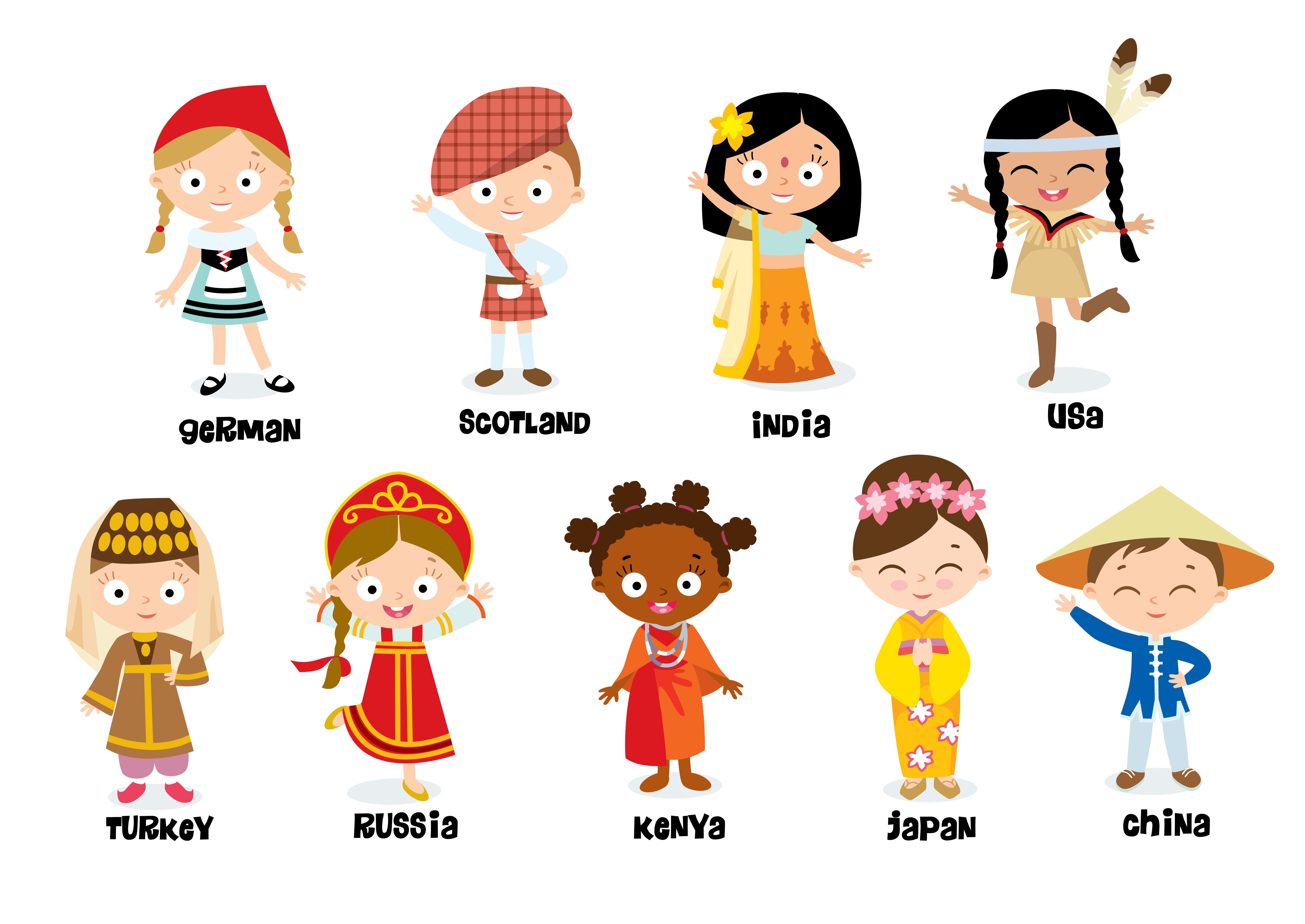


Building vocabulary in children aged 3-9 years is crucial for their overall development and success. During these formative years, children are rapidly acquiring language skills that serve as the foundation for effective communication, reading, and writing. A rich vocabulary enhances a child’s ability to express thoughts, emotions, and ideas, fostering better relationships with peers and adults.
Vocabulary development also plays a significant role in academic success. Children with robust language skills are more likely to excel in school, as they can comprehend lessons, follow instructions, and engage in discussions. Moreover, a strong vocabulary is essential for literacy development; children who grasp more words tend to read better and understand texts more easily.
Furthermore, cultivating vocabulary encourages critical thinking and creativity, as it allows children to articulate their thoughts and explore new concepts. Parents and teachers should prioritize building vocabulary through engaging activities such as reading together, storytelling, and interactive games. By actively nurturing vocabulary, adults can equip children with essential tools for their academic journey and lifetime communication, ultimately setting the stage for future opportunities and personal growth. Investing in vocabulary development now will yield benefits that can resonate throughout children’s lives.








