Critical thinking skills Worksheets for Ages 3-9 - Page 2
41 filtered results
-
From - To
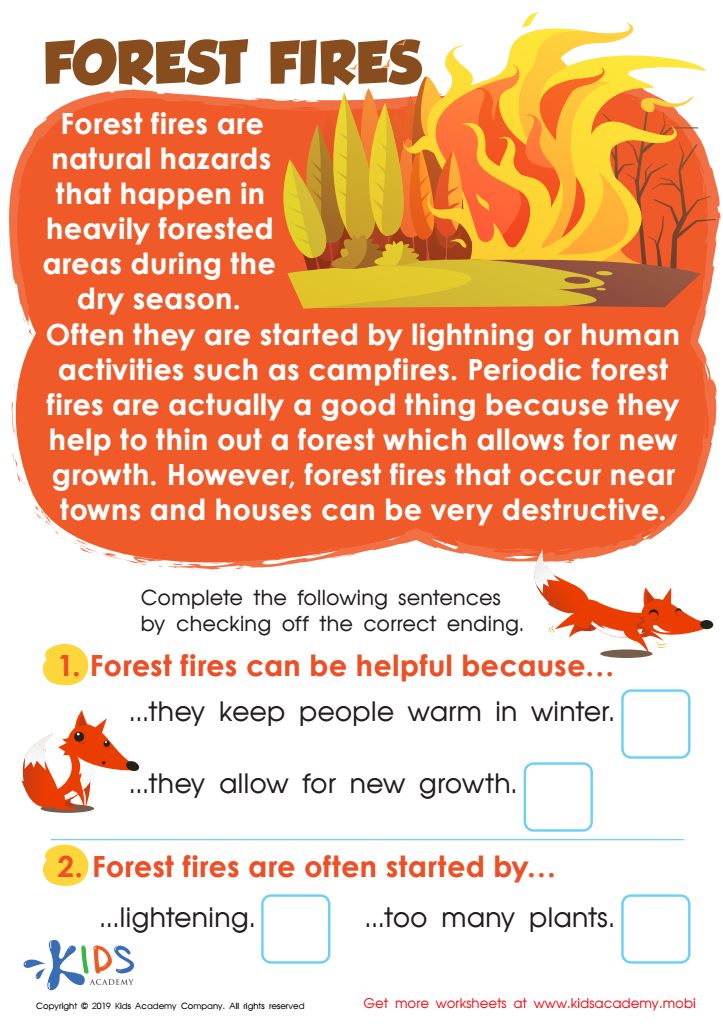
Forest Fires Worksheet
 Assign to My Students
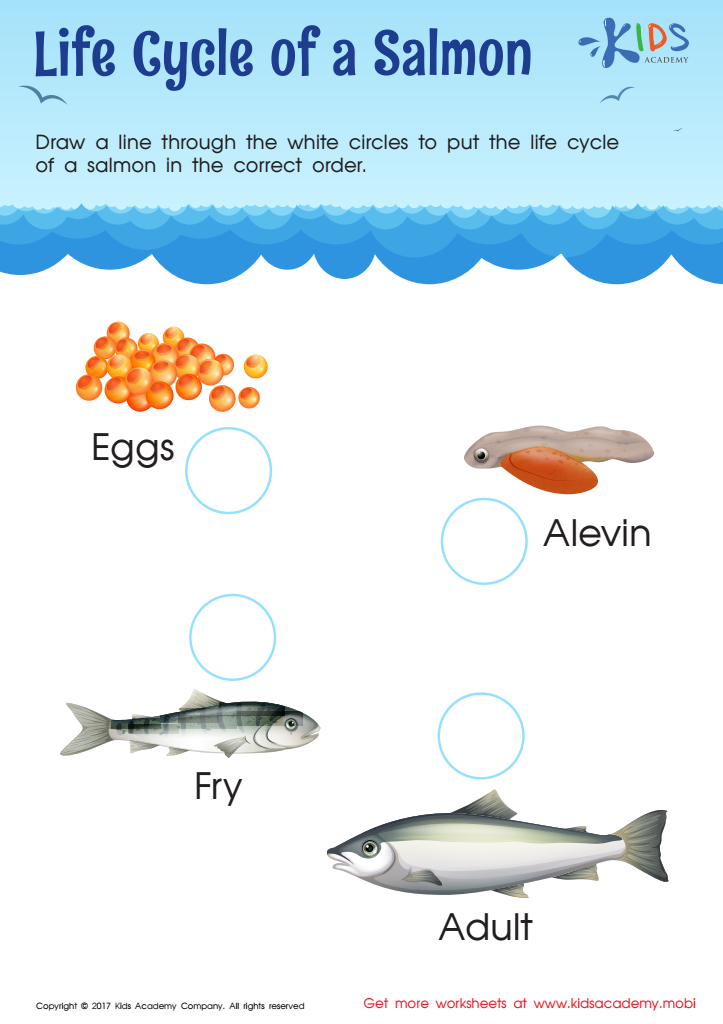
Cycle Of Salmon Worksheet
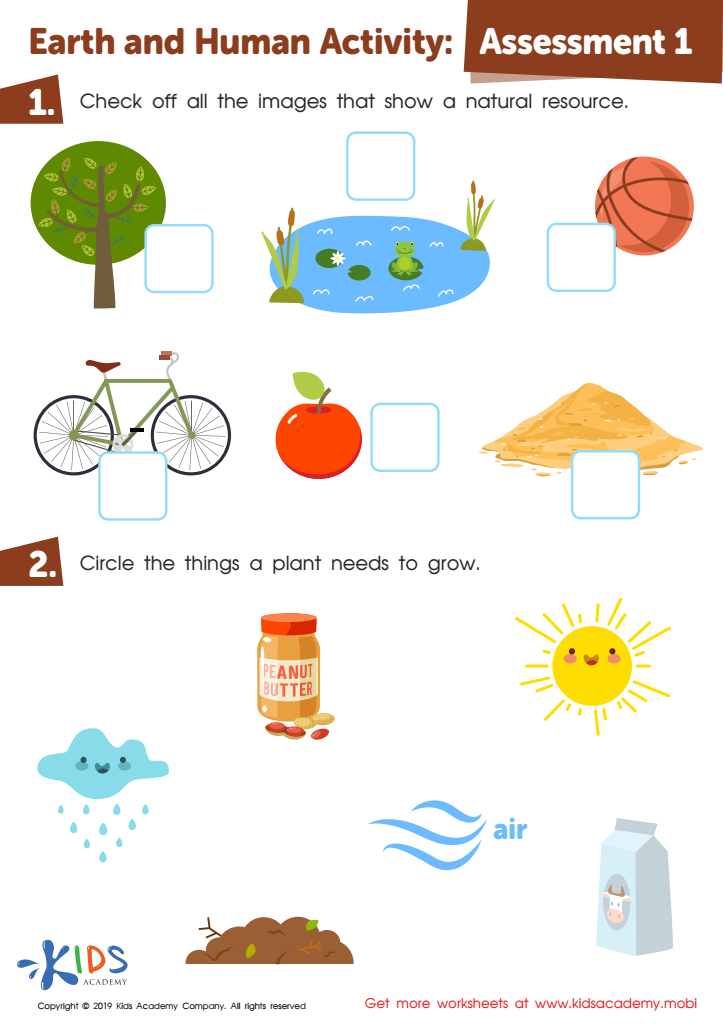
Earth and Human Activity: Assessment 1 Worksheet
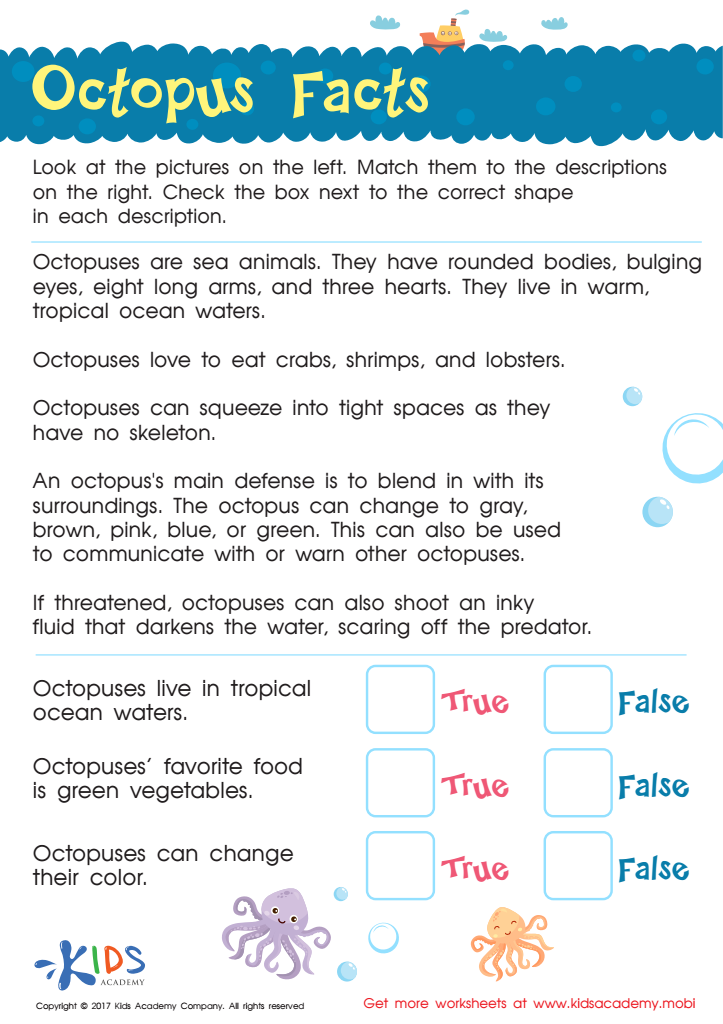
Octopus Facts Worksheet For Kids
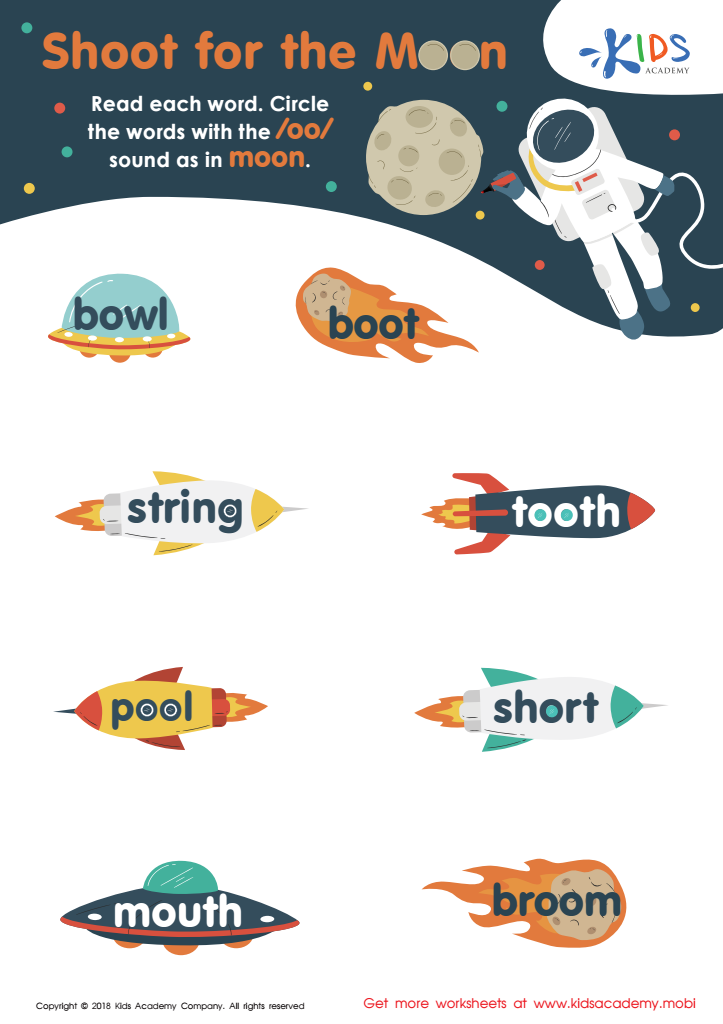
Reading: Shoot for the Moon Worksheet
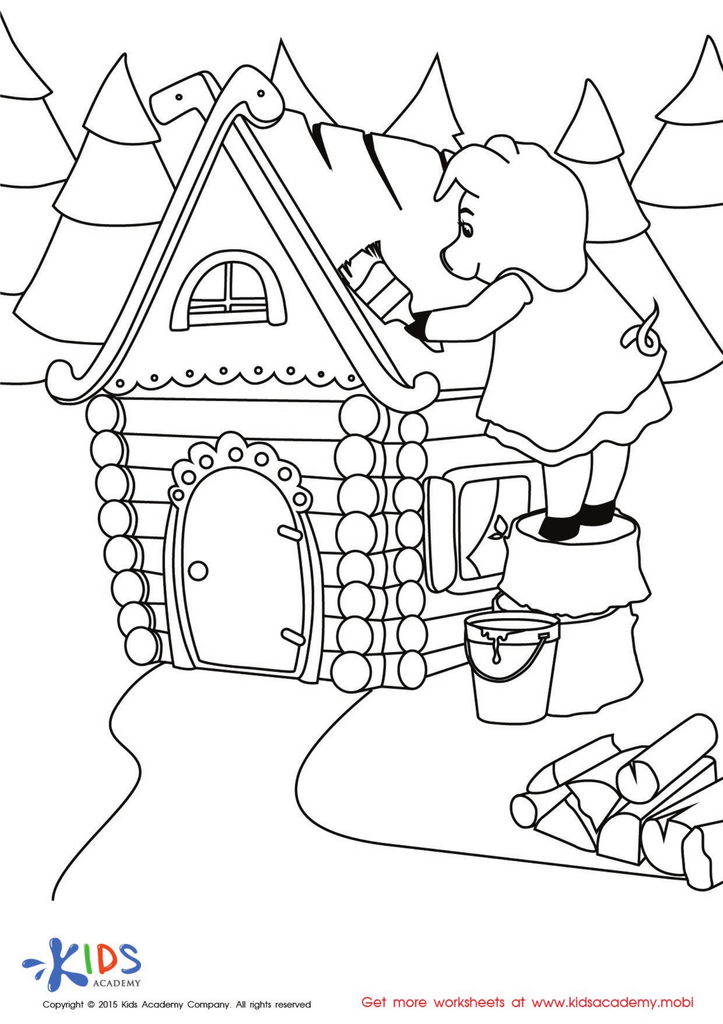
The Three Little Pigs Worksheet
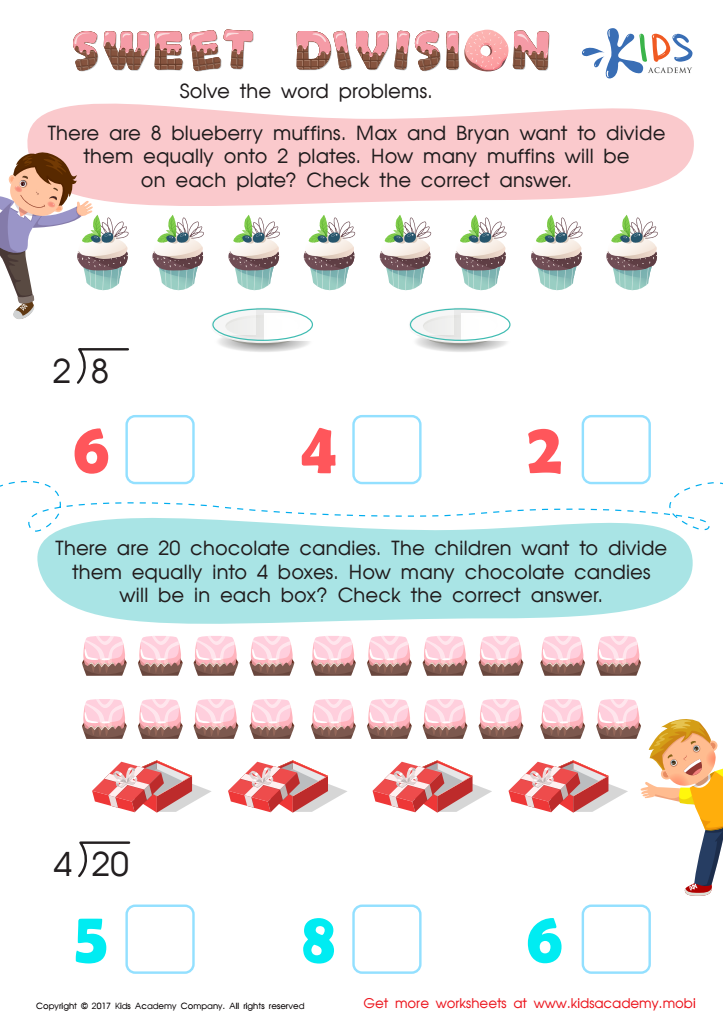
Division Word Problems Worksheet
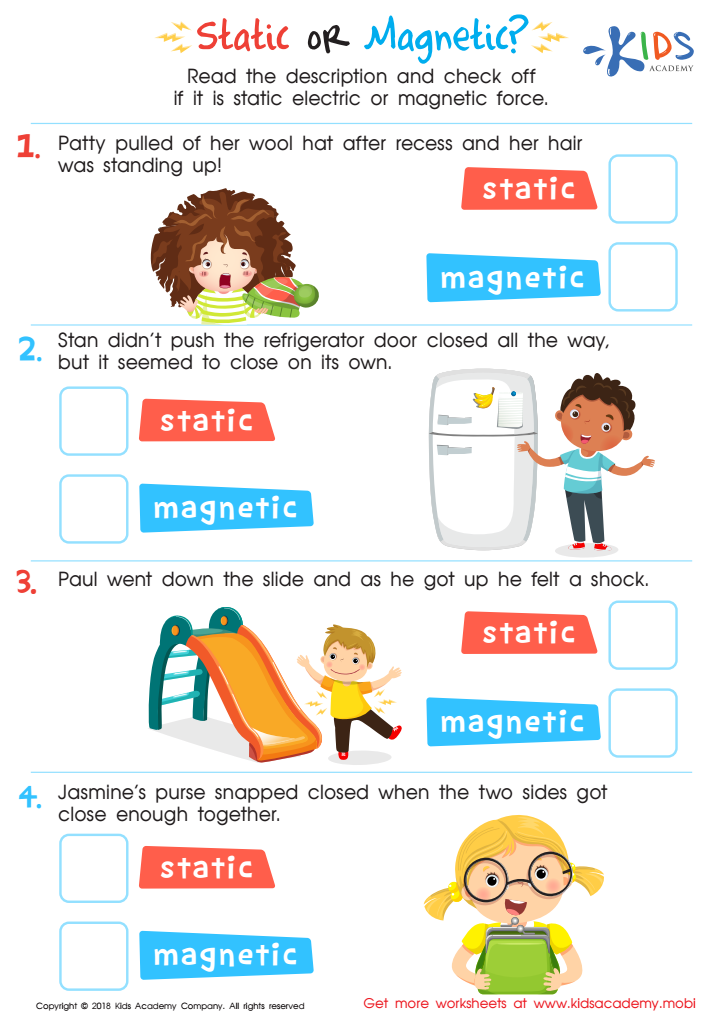
Static or Magnetic Printable Worksheet
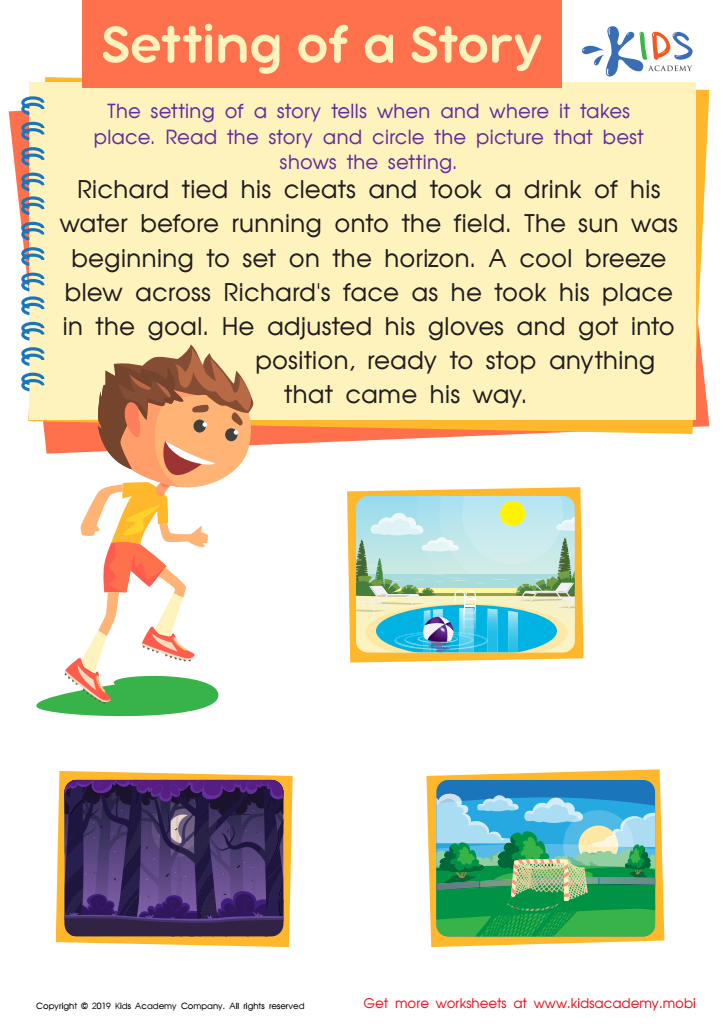
Setting of a Story Worksheet
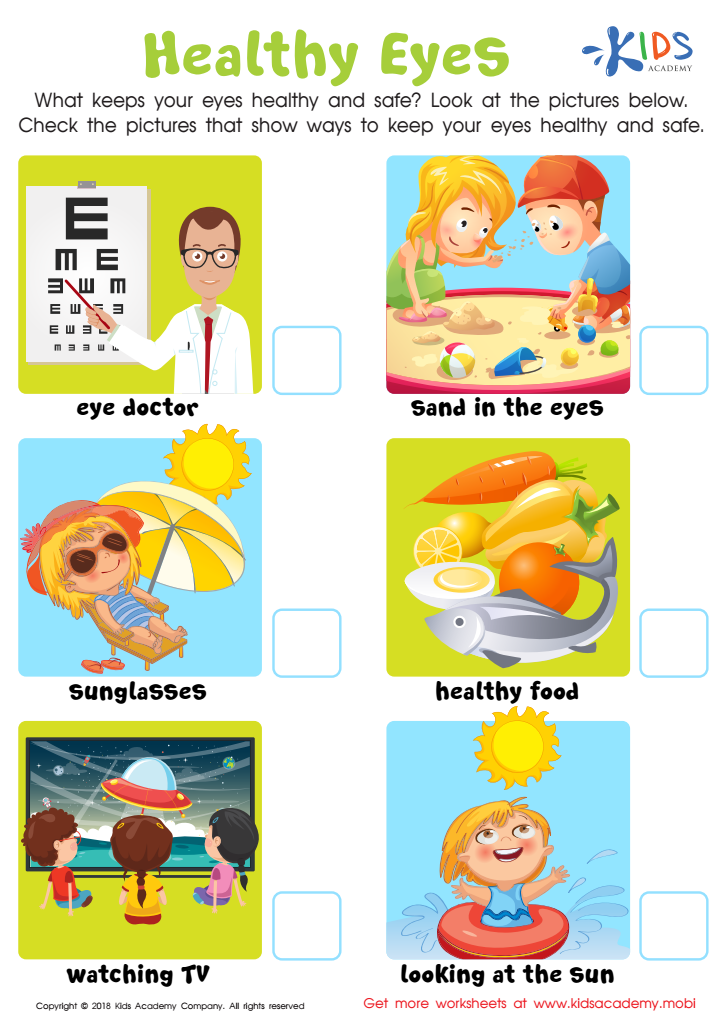
Healthy Eyes Worksheet
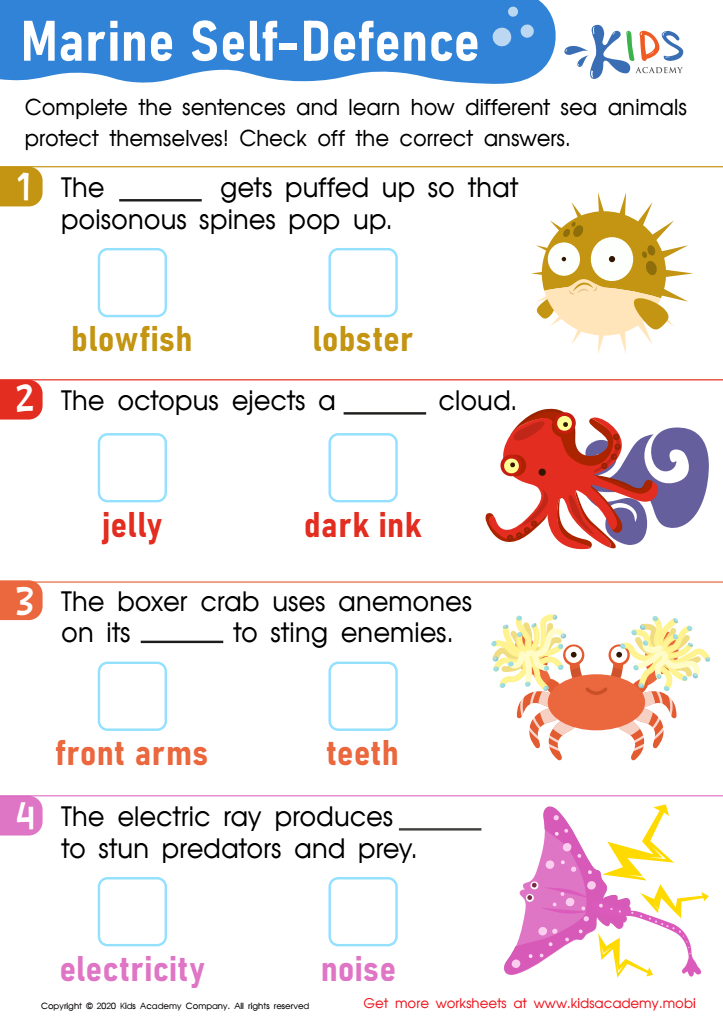
Marine Self-Defence Worksheet
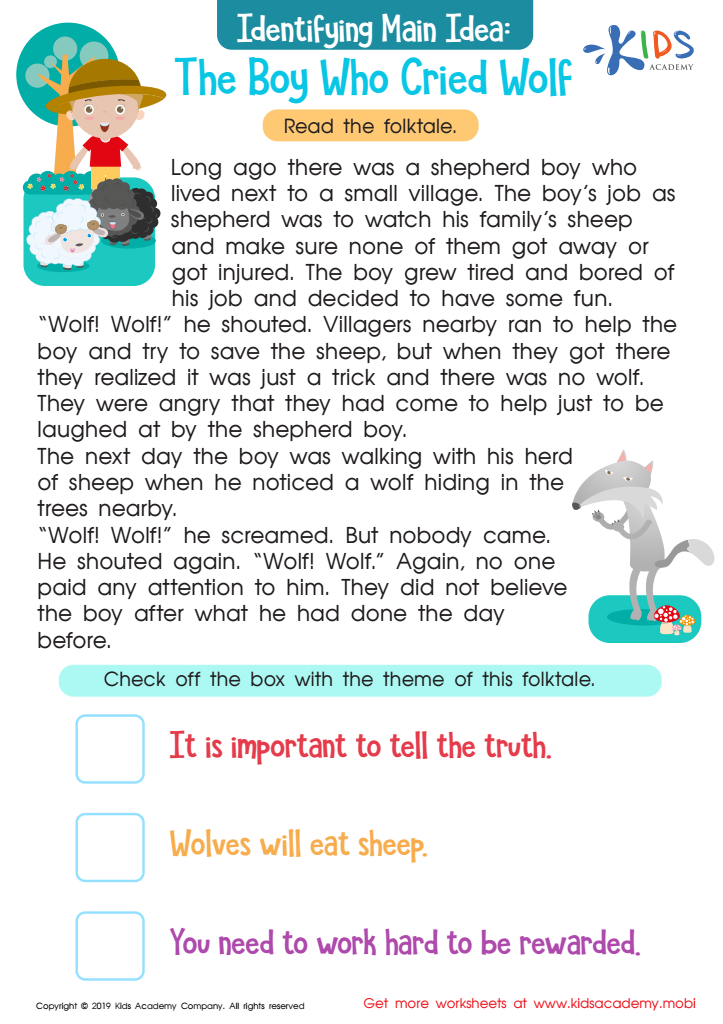
The Boy Who Cried Wolf Part 2 Worksheet
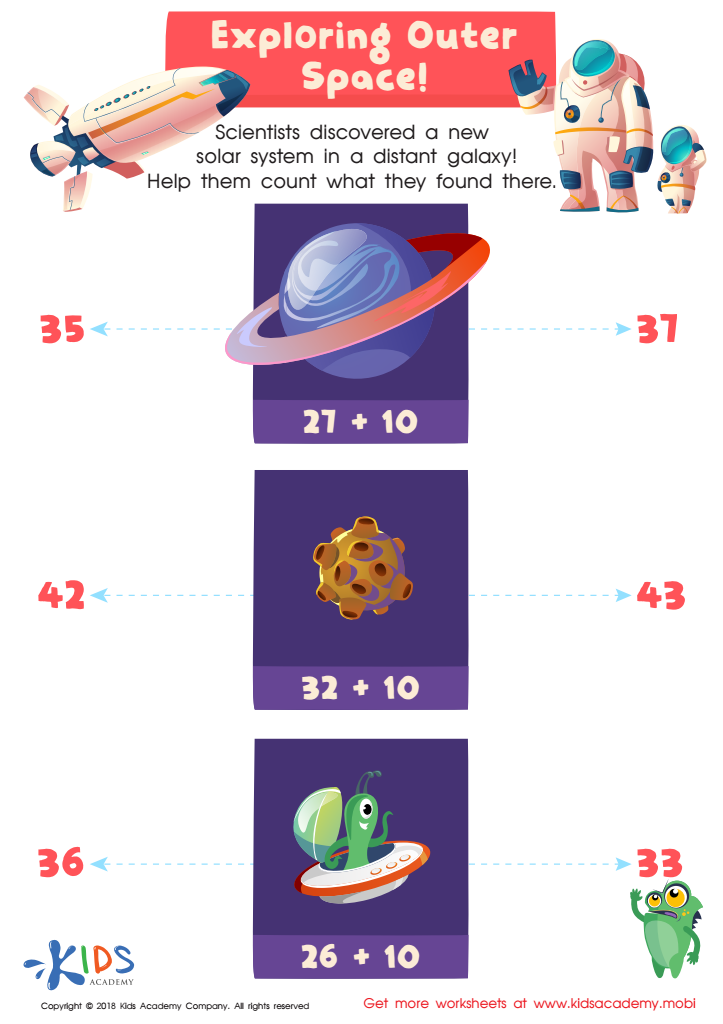
Exploring Outer Space Worksheet
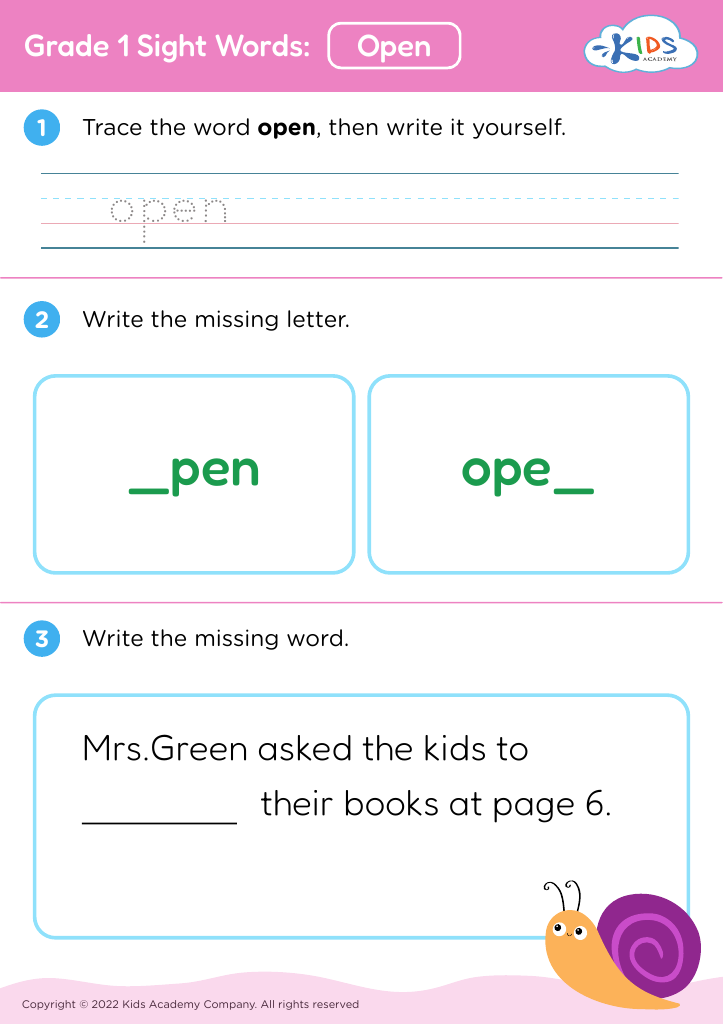
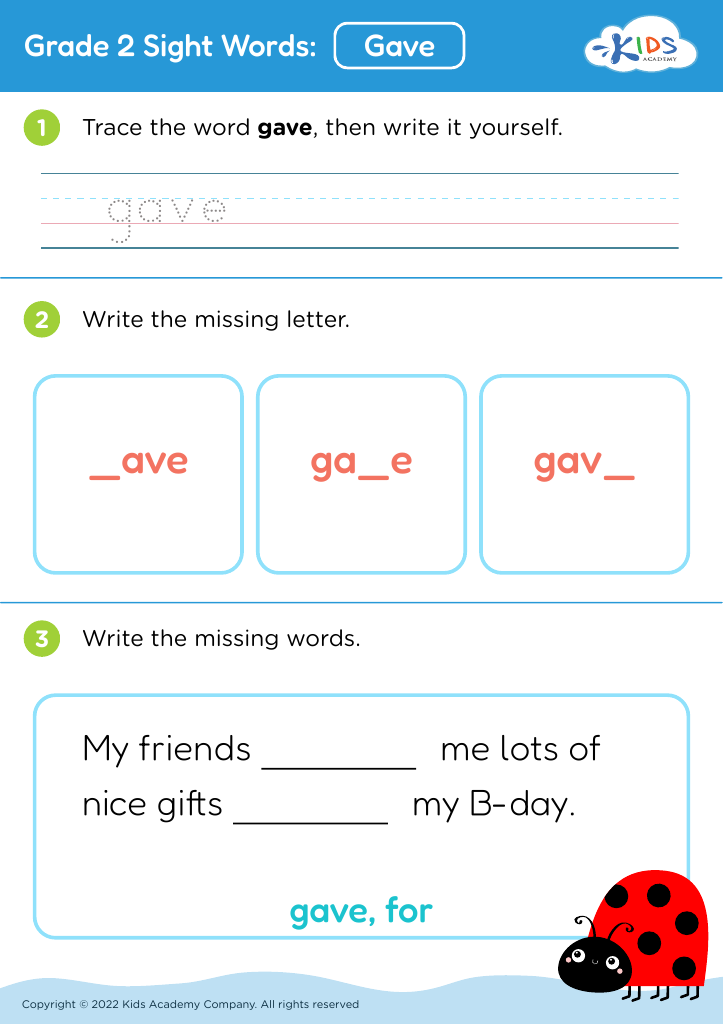








Critical thinking skills are essential for children aged 3-9, forming the foundation for future learning and problem-solving. During these early years, children are naturally curious and eager to explore their surroundings. Fostering critical thinking at this stage encourages them to ask questions, analyze information, and make reasoned decisions—skills that will benefit them throughout their lives.
Parents and teachers play a crucial role in nurturing these skills. Engaging children in open-ended questions and discussions stimulates their minds, encouraging them to express their thoughts and consider different perspectives. Activities such as puzzles, riddles, or simple science experiments help develop analytical skills while promoting creativity and independence.
Moreover, today’s rapidly changing world demands adaptable thinkers who can navigate complex problems. Integrating critical thinking into everyday experiences—such as exploring possibilities, comparing choices, and evaluating outcomes—prepares children for the interpersonal and cognitive challenges they will face as they grow.
Ultimately, by prioritizing critical thinking, parents and educators equip children with the tools they need to become confident, innovative learners who can contribute meaningfully to society, adapt to new situations, and tackle challenges with a solution-oriented mindset. It is a gift that will serve them throughout life.








