Eye-hand coordination Worksheets for Ages 3-9
3 filtered results
-
From - To
Enhance your child's eye-hand coordination with our engaging worksheets designed for ages 3-9. These activities foster essential motor skills through fun and interactive tasks tailored to young learners. From tracing shapes to connecting dots, our printable worksheets are perfect for developing concentration, precision, and coordination. Our carefully crafted exercises ensure that kids remain excited about learning while improving their dexterity. Ideal for home, preschool, or kindergarten settings, these resources help build a strong foundation for future educational success. Download and print our eye-hand coordination worksheets today, and watch your child's confidence and skills soar as they master each activity!
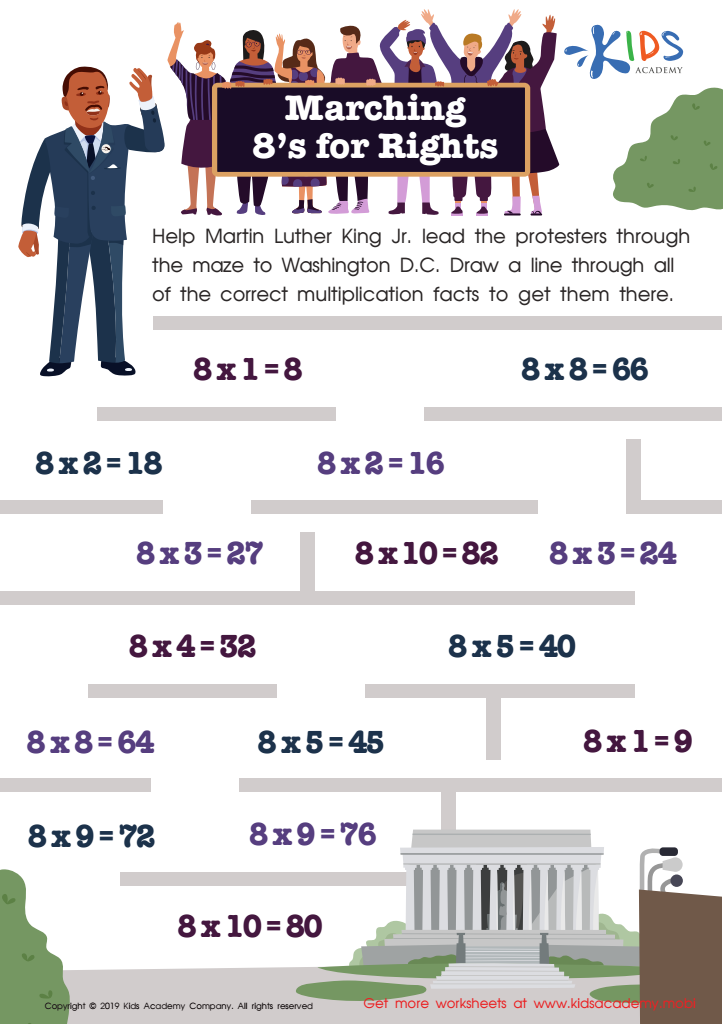
Marching 8’s for Rights Worksheet
 Assign to My Students






Eye-hand coordination is crucial for children's development, particularly between the ages of 3 and 9, as it significantly impacts their learning and daily activities. This skill involves the ability to synchronize visual input with hand movements, which is essential for numerous tasks. Parents and teachers should care about eye-hand coordination for several reasons.
Firstly, strong eye-hand coordination promotes academic success. It enhances children's ability to write, manipulate tools, and engage in fine motor tasks, which are essential for tasks like holding a pencil or cutting with scissors. These skills are fundamental for their progression in school.
Secondly, eye-hand coordination plays a crucial role in physical activities and sports, helping children develop confidence in their abilities and encouraging a positive attitude towards physical fitness. Engaging in sports can lead to improved teamwork and social skills.
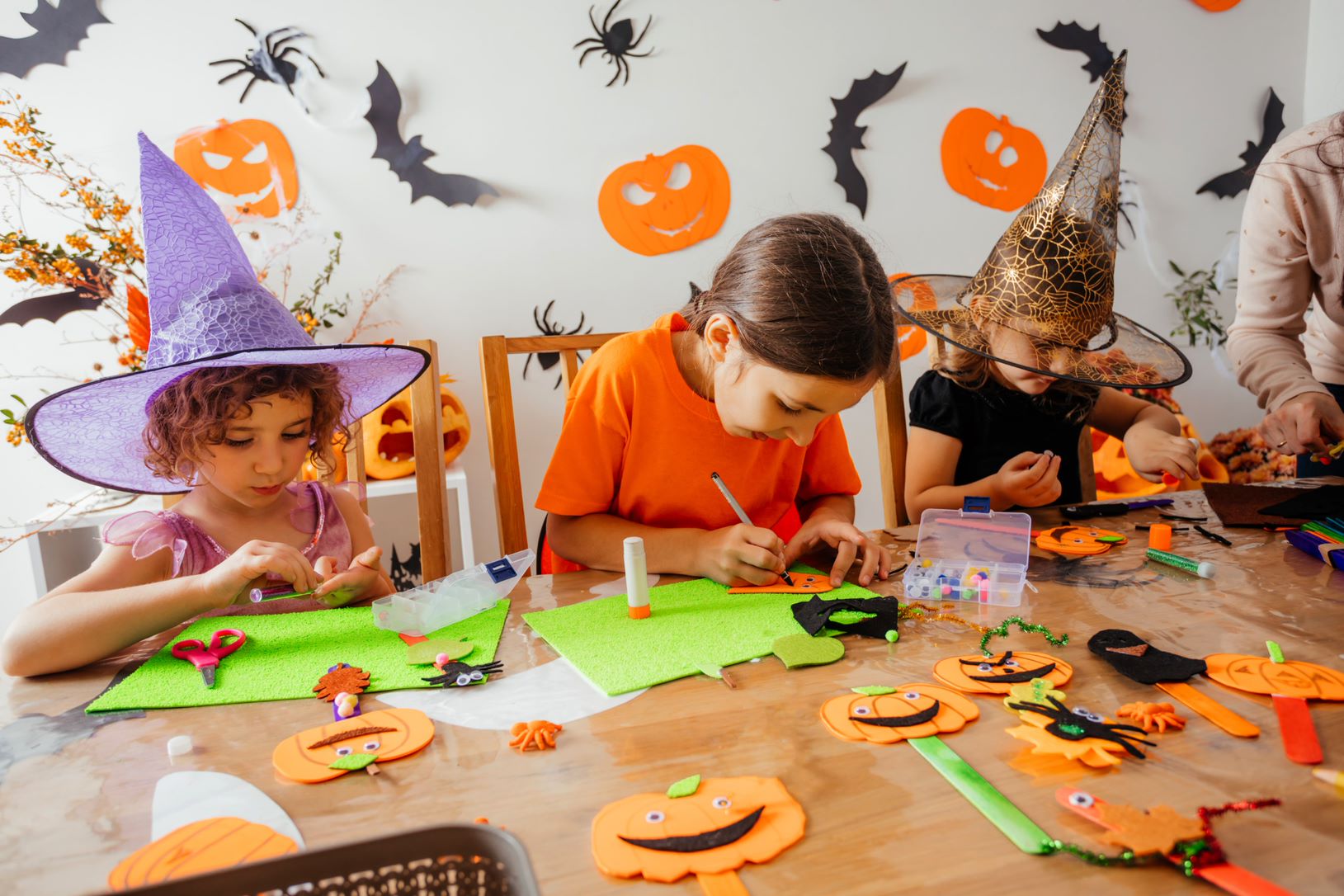
Furthermore, fostering eye-hand coordination can also benefit cognitive development. Activities that promote this skill, such as puzzles, building blocks, and crafts, enhance critical thinking and problem-solving abilities.
Finally, increased eye-hand coordination can bolster children's self-esteem. As they gain proficiency in various tasks, they'll feel more accomplished and motivated to continue learning and exploring new activities. Thus, promoting eye-hand coordination is vital for nurturing well-rounded, successful individuals.








