Fine motor skills (writing) Worksheets for Ages 3-9 - Page 2
46 filtered results
-
From - To

Thanksgiving Holiday Printable
 Assign to My Students
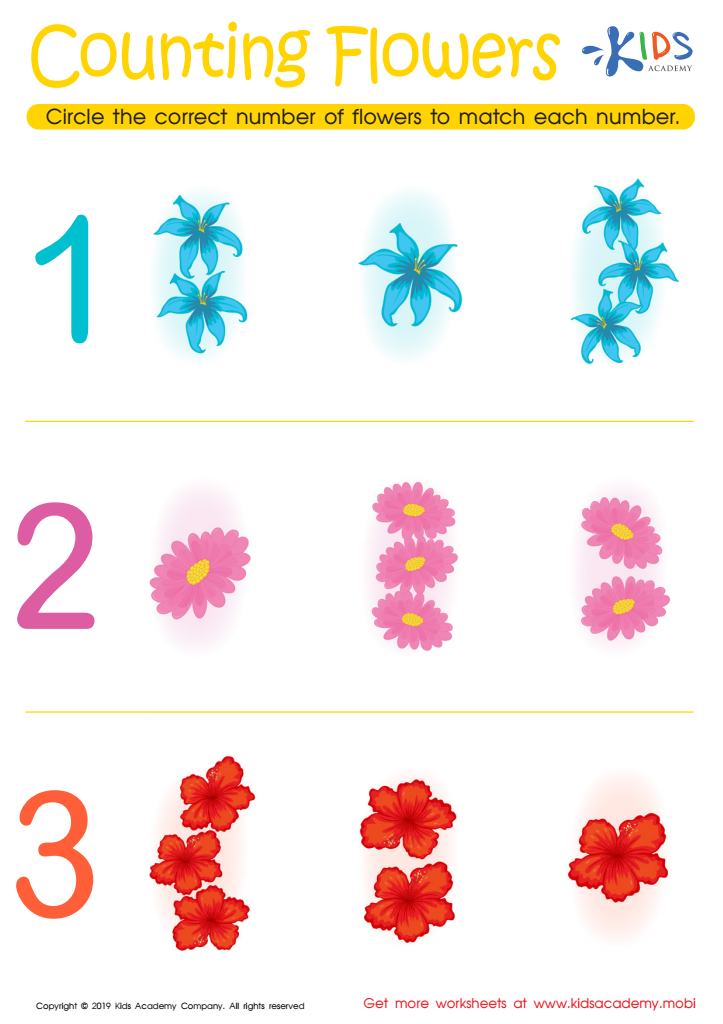
Counting Flowers Worksheet
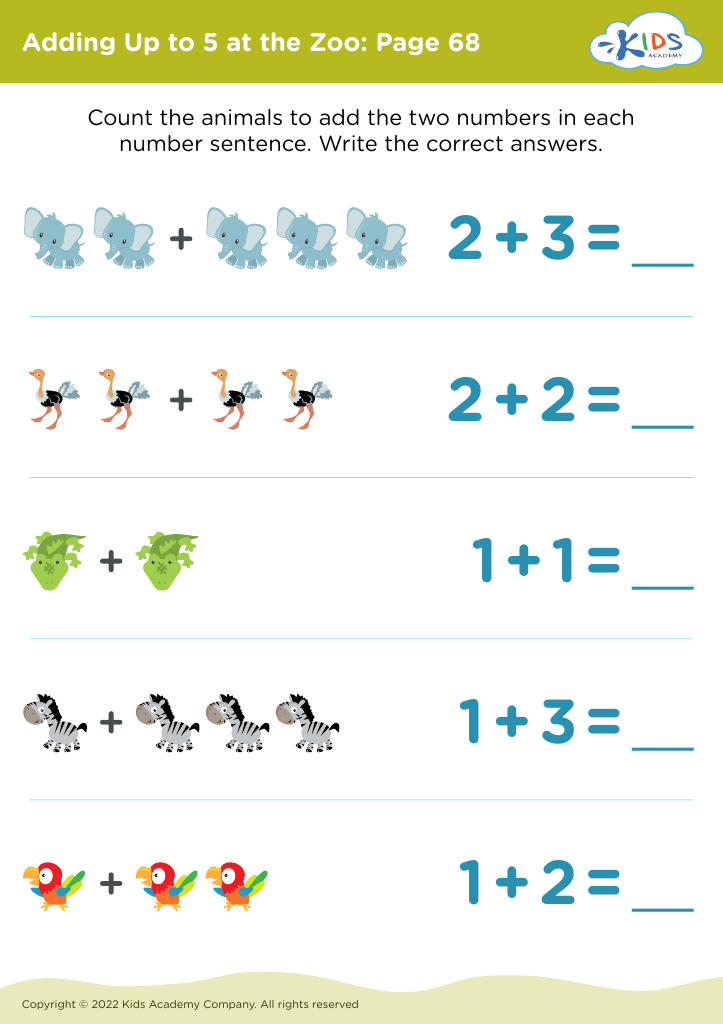
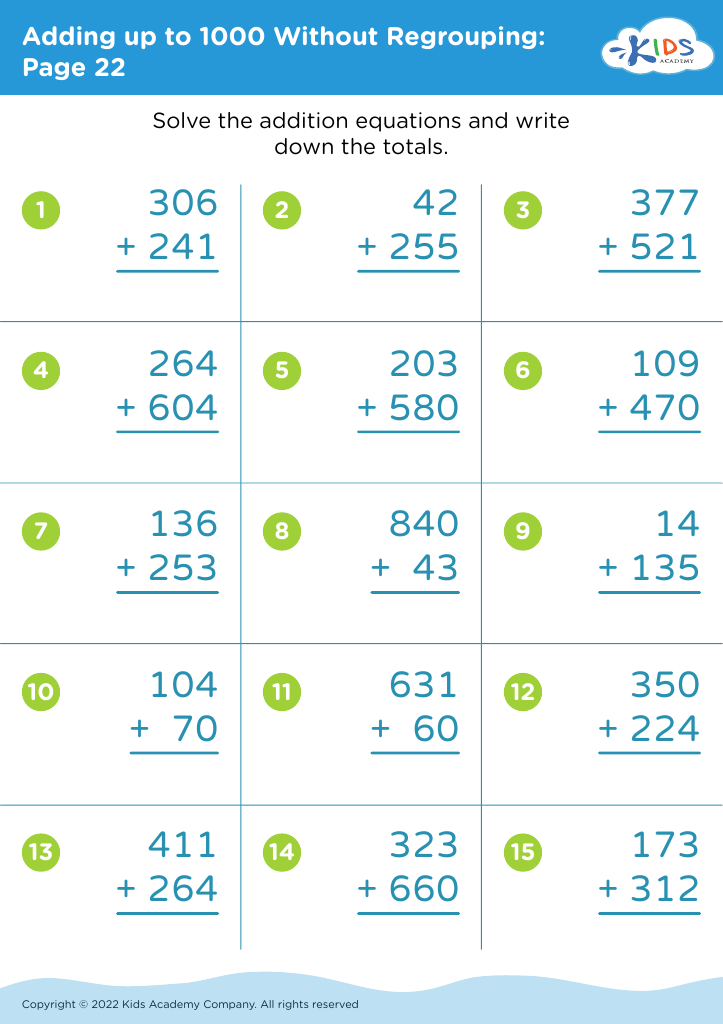
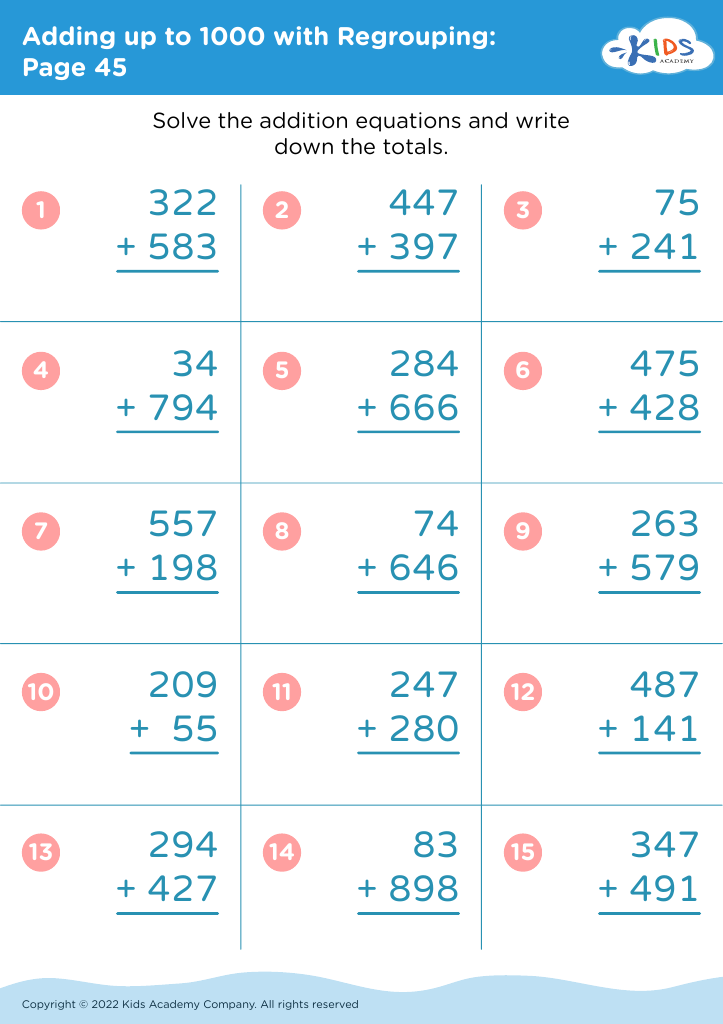
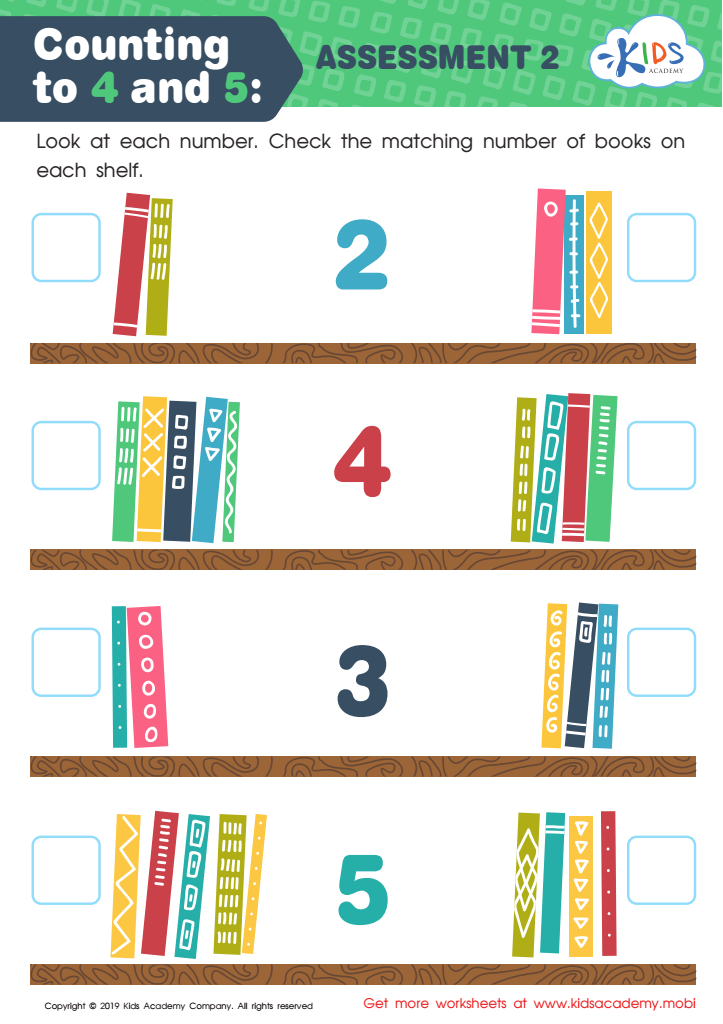
Counting to 4 and 5: Assessment 2 Worksheet
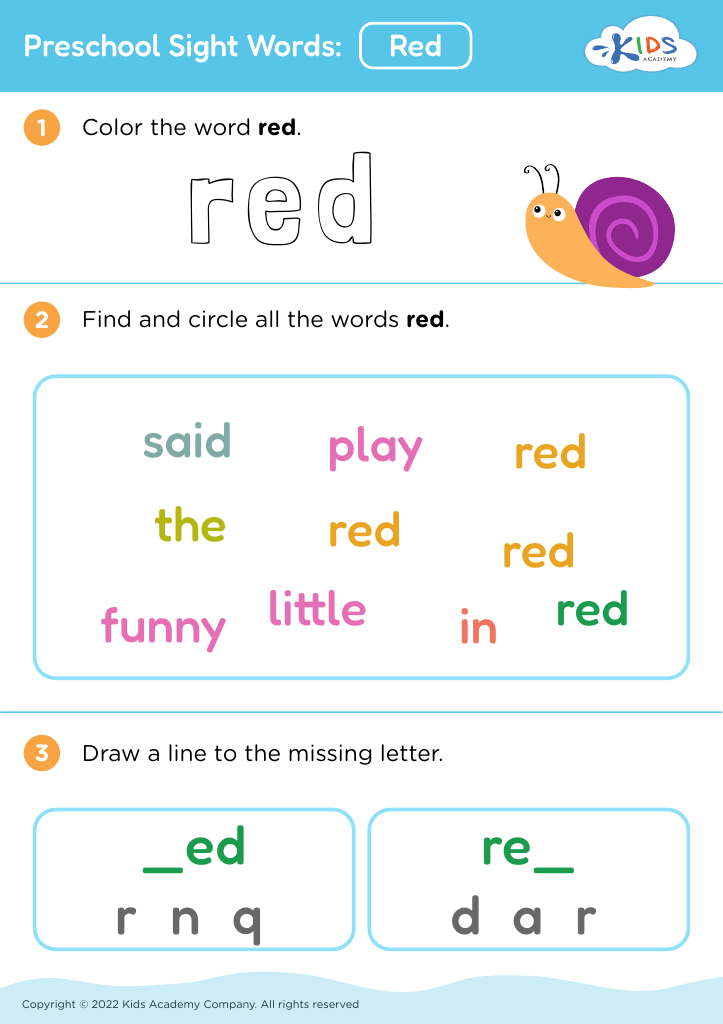








Fine motor skills, especially in writing, are crucial for children aged 3-9 because they lay the foundation for future academic success and daily life competence. At this developmental stage, fine motor activities help strengthen the small muscles in children's hands, crucial for tasks requiring precision like buttoning clothes, zipping jackets, and later more complex skills like tying shoelaces. Writing, in particular, is a pivotal skill that affects a child's ability to communicate through words on paper, boosting their literacy and self-expression.
Strong fine motor skills promote independence and confidence, making children feel adept and capable. Kids proficient in fine motor tasks are more eager to engage in classroom activities, leading to better academic performance. For teachers, classrooms with students possessing refined motor skills are more fluid and conducive to learning, as students are able to complete writing assignments, handle craft materials, and partake effectively in interactive lessons.
For parents, honing a child's fine motor skills impacts more than academics; it touches all aspects of personal growth, from self-care to physical dexterity. Thus, investing time and effort into activities that bolster these skills – like drawing, playing with clay, and practicing letter formation – deeply benefits the child's comprehensive development, forming a well-rounded, capable individual ready for life's next stages.








