Identifying Animals Worksheets for Ages 3-9
10 filtered results
-
From - To
Discover the perfect learning tool with our "Identifying Animals Worksheets for Ages 3-9"! At Kids Academy, we offer a collection of engaging, printable worksheets designed to spark curiosity and enhance learning in young minds. Perfect for preschool to early elementary students, these worksheets provide fun and educational activities that improve recognition and understanding of various animals. Enhance your child's learning experience through coloring, matching, and identifying exercises that build foundational skills while keeping them entertained. Accessible online, our resources support at-home learning and classroom environments, bringing the wonders of the animal kingdom to life. Explore now and inspire young learners!
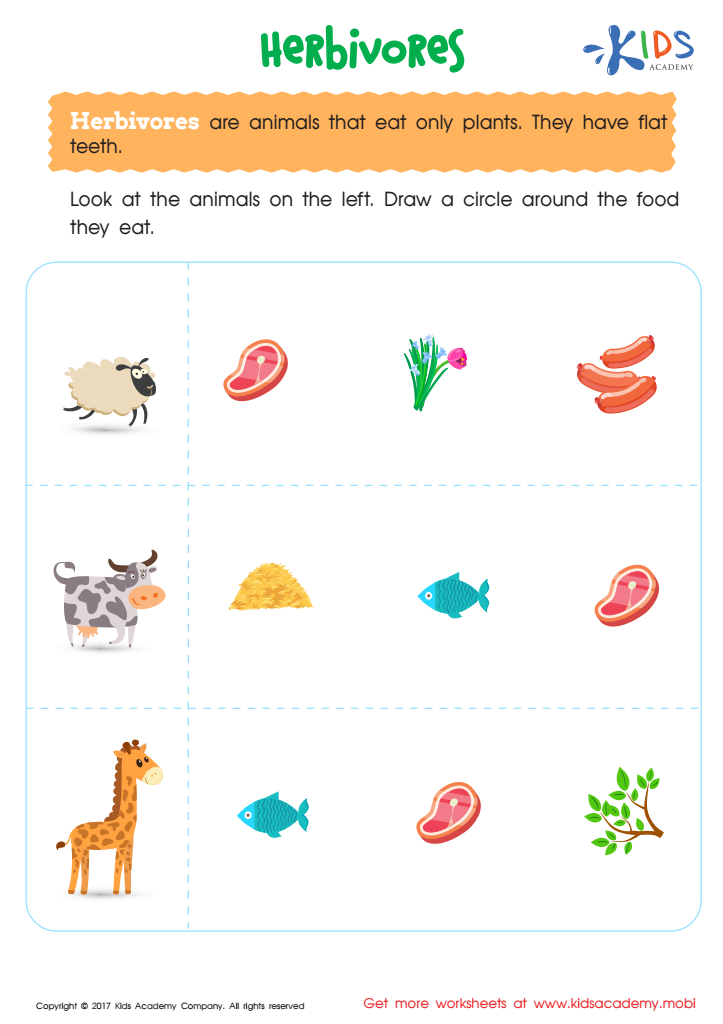
Herbivores Printable
 Assign to My Students
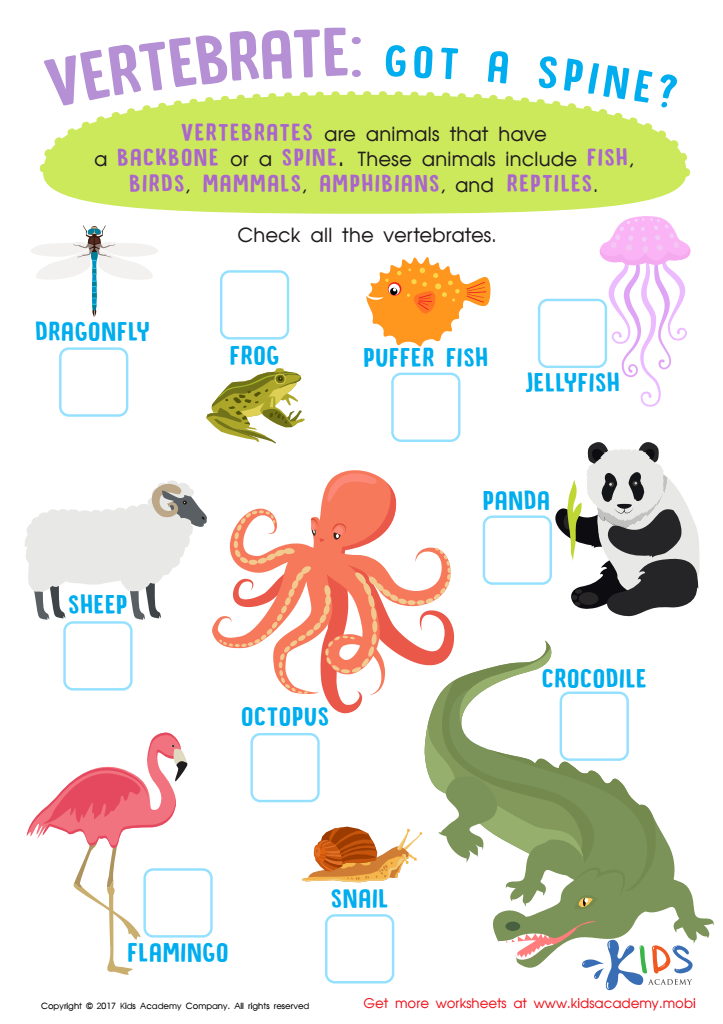
Vertebrates Animals Worksheet for 3rd Grade
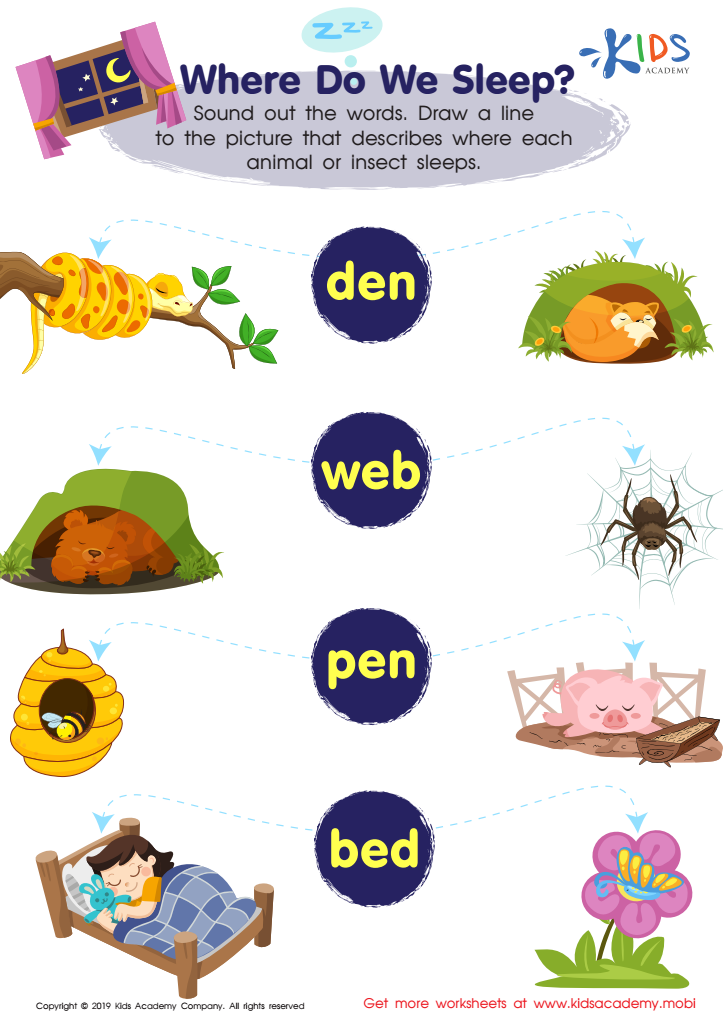
Where Do We Sleep Worksheet
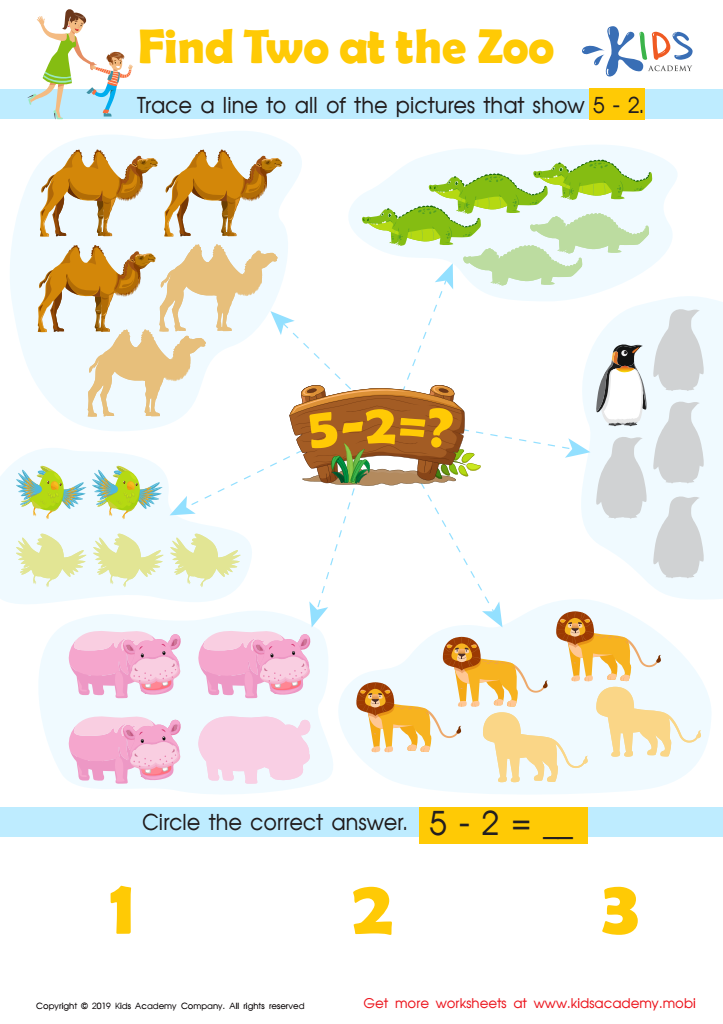
Find Two at the Zoo Worksheet
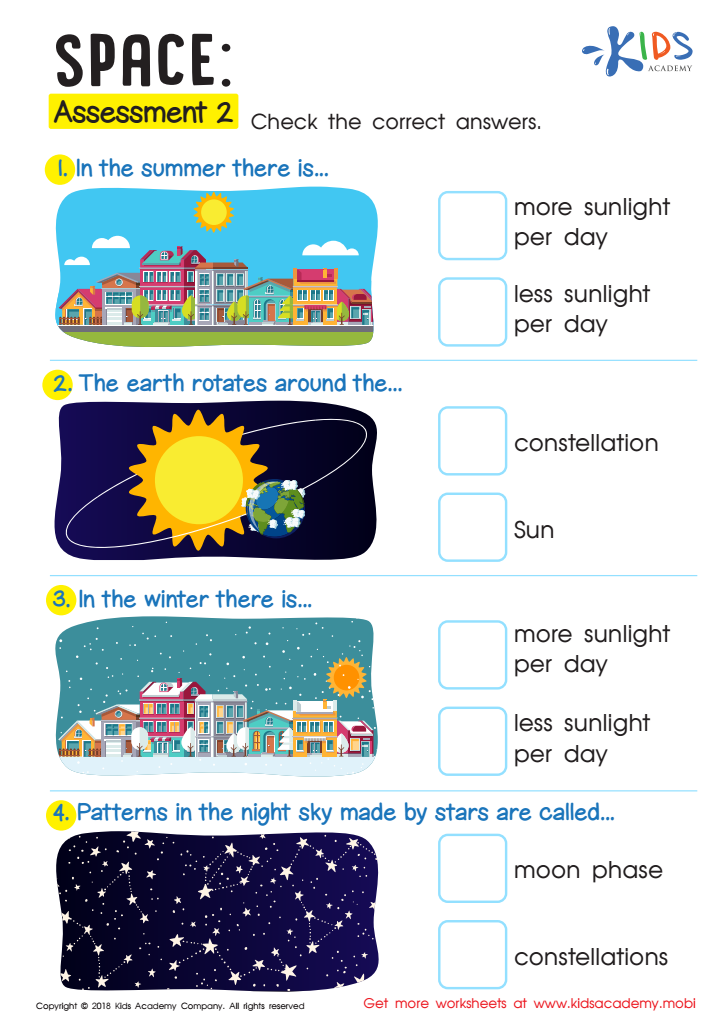
Space: Assessment 2 Worksheet







Identifying animals plays a crucial role in early childhood development for ages 3-9, and both parents and teachers should prioritize this activity. At this young age, children are naturally curious and eager to explore the world around them. Learning to identify different animals fosters critical cognitive skills such as memory, categorization, and language development. When children recognize and name animals, they enhance their vocabulary and build a foundation for effective communication.
Moreover, interacting with animals can instill a sense of empathy and respect for living beings, promoting emotional and social development. Children develop a deeper appreciation for nature, encouraging responsible environmental behaviors in the future. Engaging with animal identification can also stimulate sensory experiences; touching, seeing, and hearing animals provide rich, multi-sensory input that is vital for brain development.
For parents and teachers, this activity offers numerous opportunities for bonding and interactive learning. It can be incorporated into playtime, reading, or outdoor excursions, making education both enjoyable and memorable. Activities like visiting zoos, reading animal-themed books, or watching nature documentaries can create lasting impressions and strengthen relationships through shared experiences.
Ultimately, identifying animals equips children with essential skills and a broader understanding of the world, laying the groundwork for lifelong learning and compassion.








