Discover an engaging collection of "Improve Number Recognition" worksheets designed specifically for children aged 3 to 9. These printable activities promote essential counting and number recognition skills through fun and interactive exercises. Kids will enjoy tracing numbers, identifying and matching them in a variety of colorful formats, ensuring learning is both educational and enjoyable. Each worksheet is tailored to develop your child's understanding of numbers and boost their confidence as they tackle math concepts. Perfect for home or classroom use, our worksheets are an invaluable resource for early childhood education, helping young learners build a strong numerical foundation. Start your math adventure today!
Check out this FREE "Improve number recognition" Trial Lesson for age 3-9!

Short and Long Vowel Sort

Favorites
With answer key
Interactive
  • 3-9
  • Improve number recognition
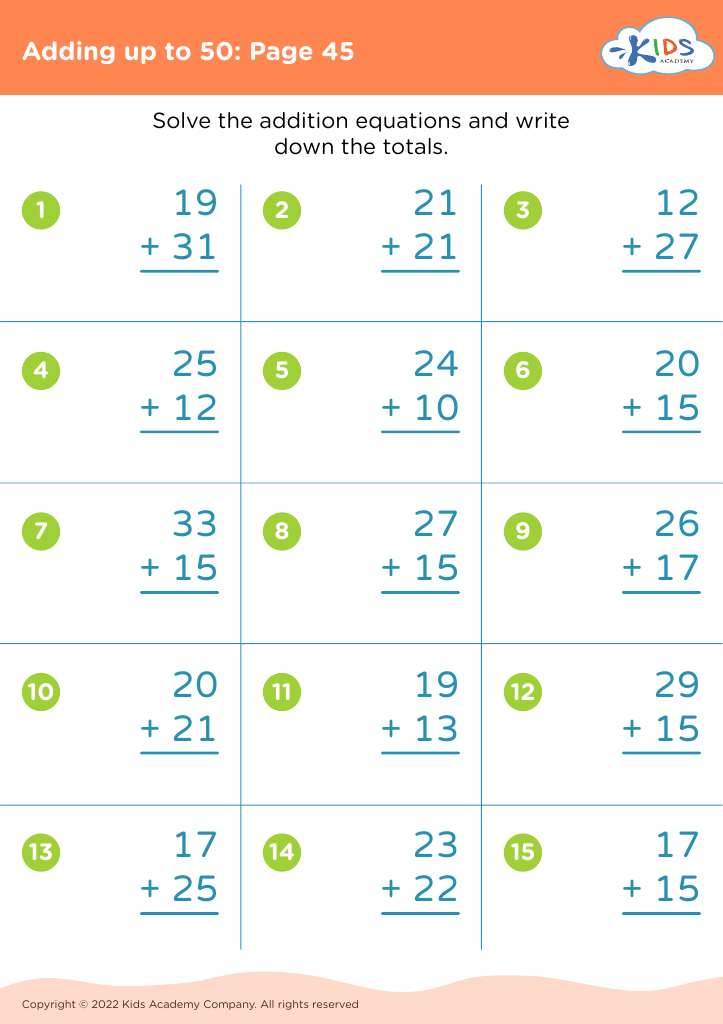
Adding up to 50: Page 45

Adding up to 50: Page 45

Adding up to 50: Page 45
Worksheet
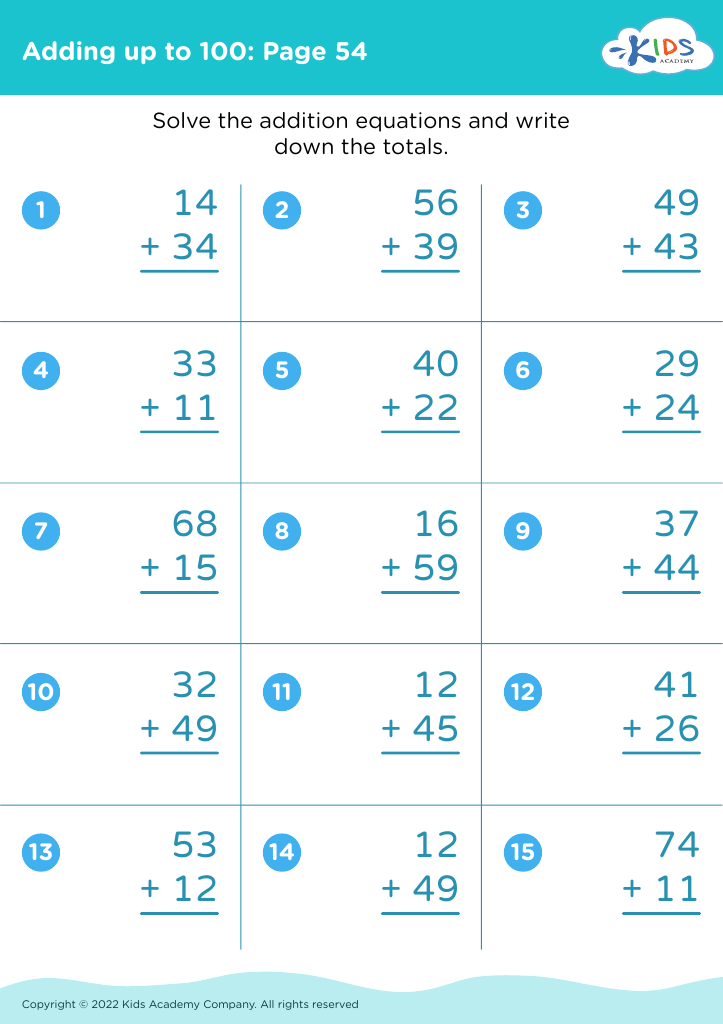
Adding up to 100: Page 54

Adding up to 100: Page 54

Adding up to 100: Page 54
Worksheet
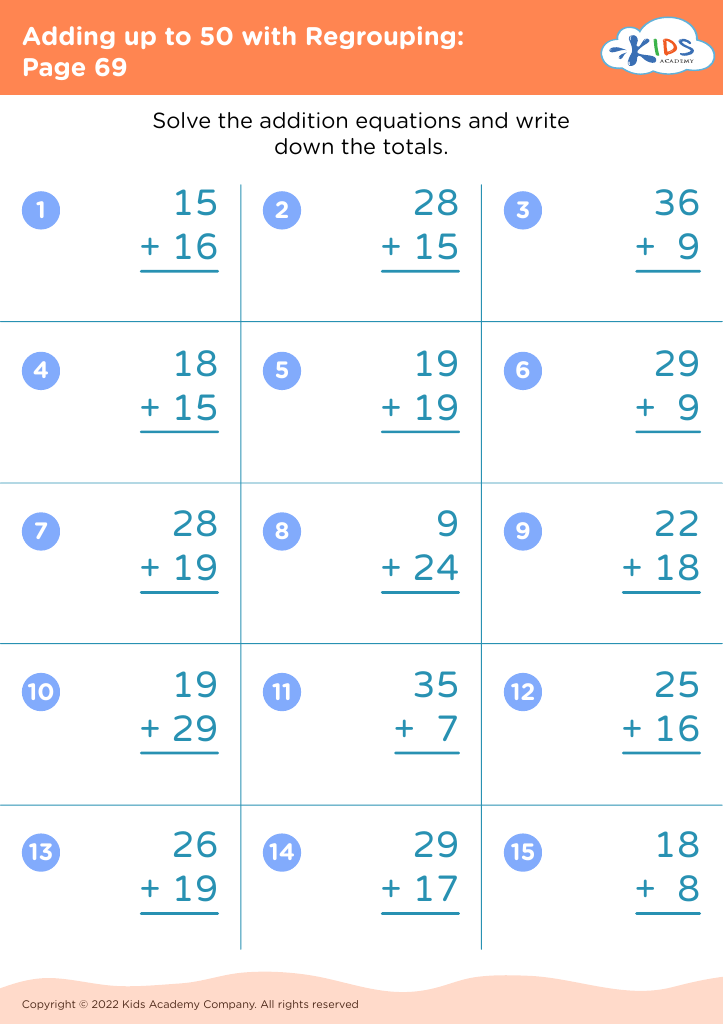
Adding up to 50 with Regrouping: Page 69
Worksheet
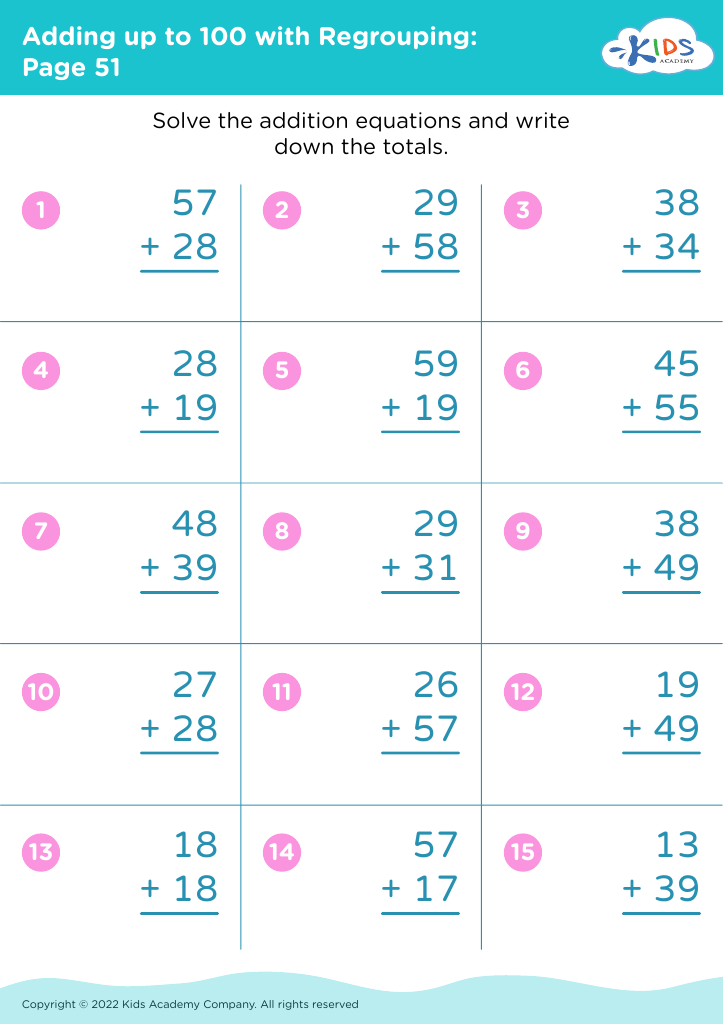
Adding up to 100 with Regrouping: Page 51
Worksheet
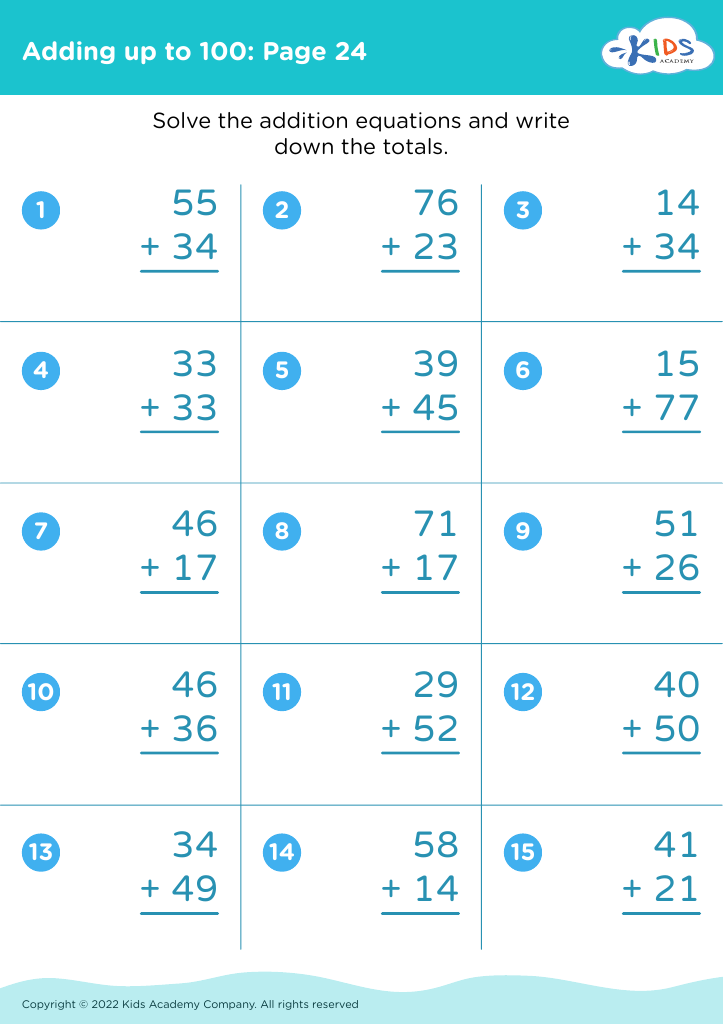
Adding up to 100: Page 24

Adding up to 100: Page 24

Adding up to 100: Page 24
Worksheet
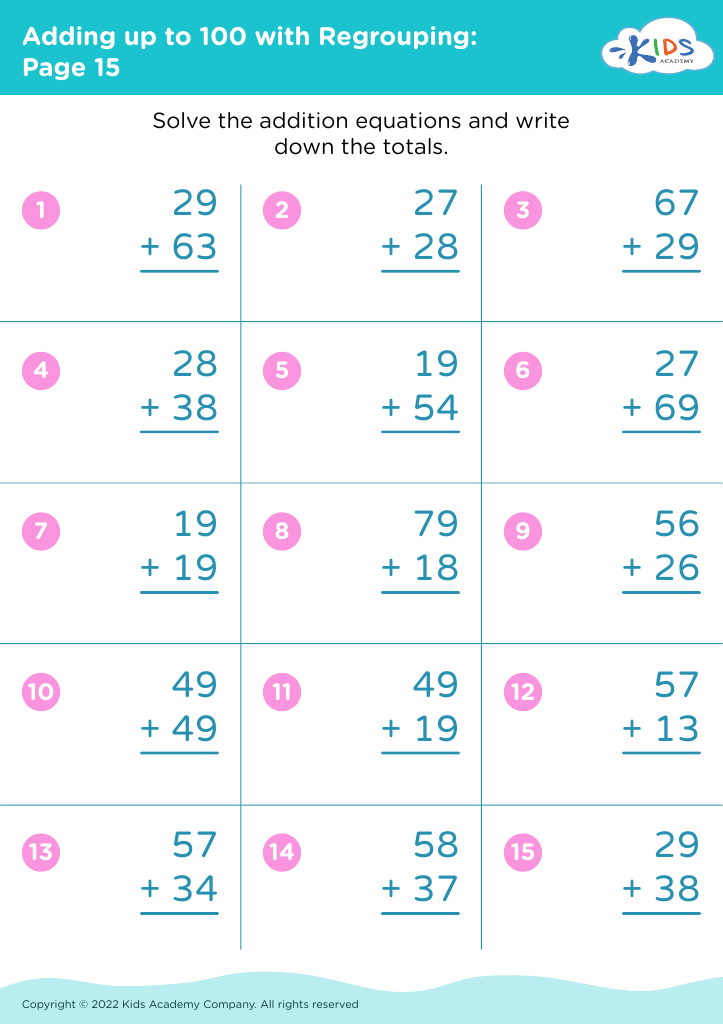
Adding up to 100 with Regrouping: Page 15
Worksheet
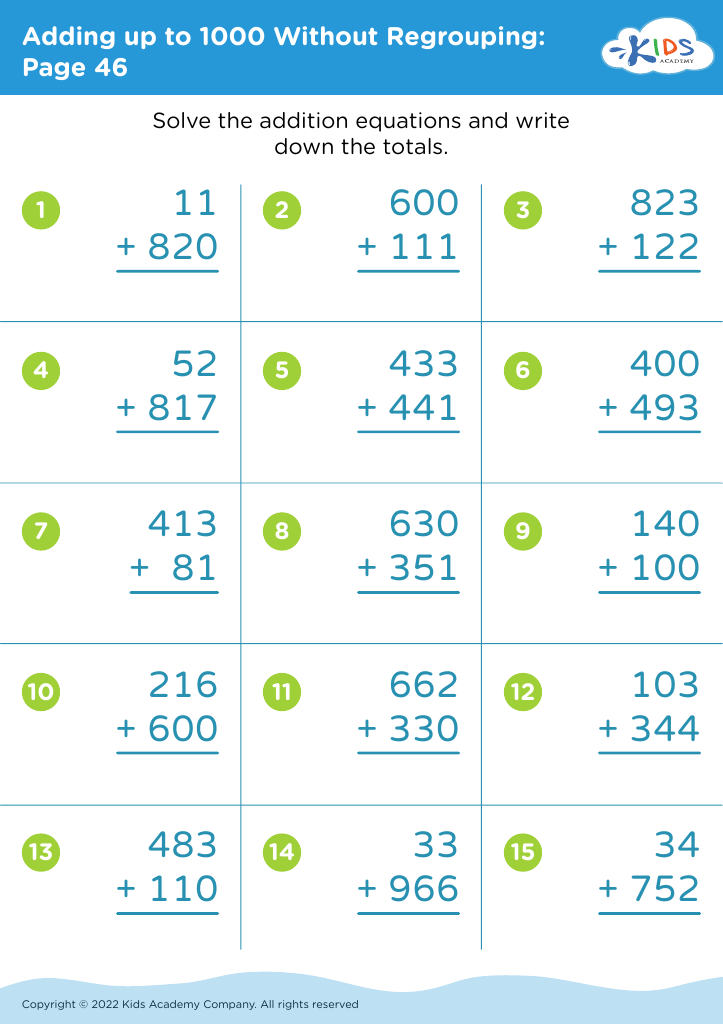
Adding up to 1000 Without Regrouping: Page 46
Worksheet
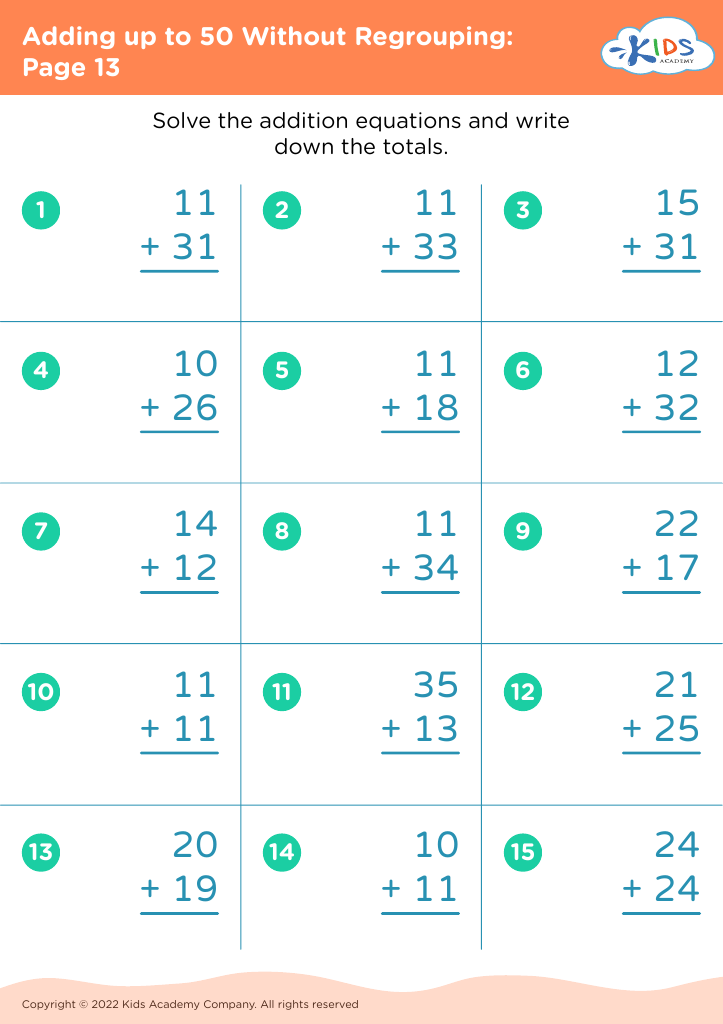
Adding up to 50 Without Regrouping: Page 13
Worksheet
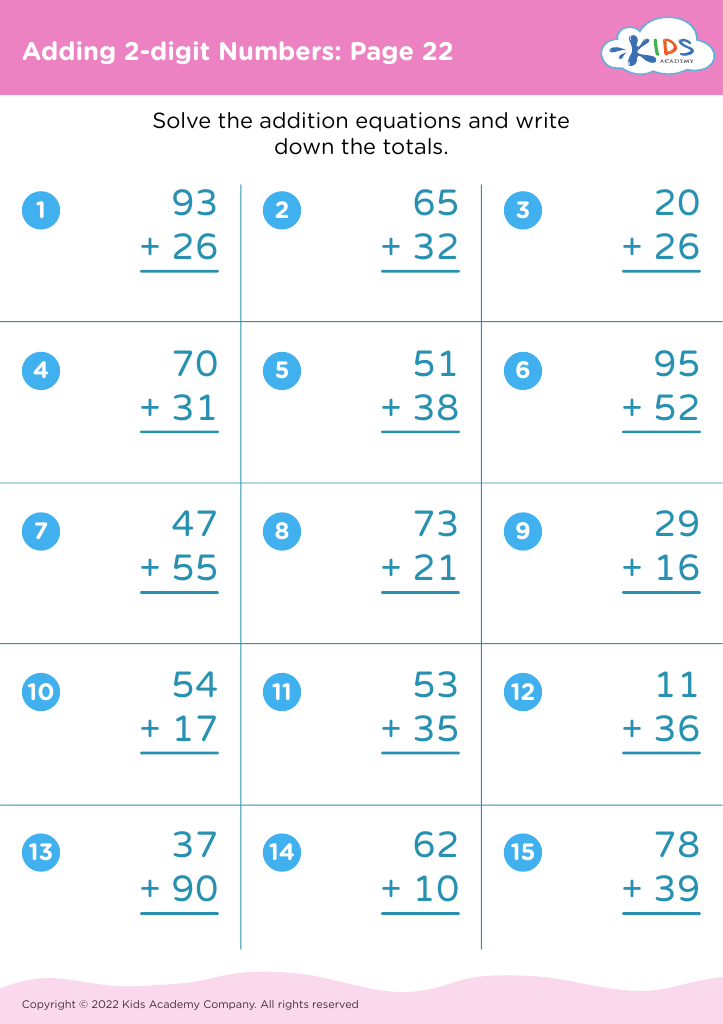
Adding 2-digit Numbers: Page 22

Adding 2-digit Numbers: Page 22

Adding 2-digit Numbers: Page 22
Worksheet
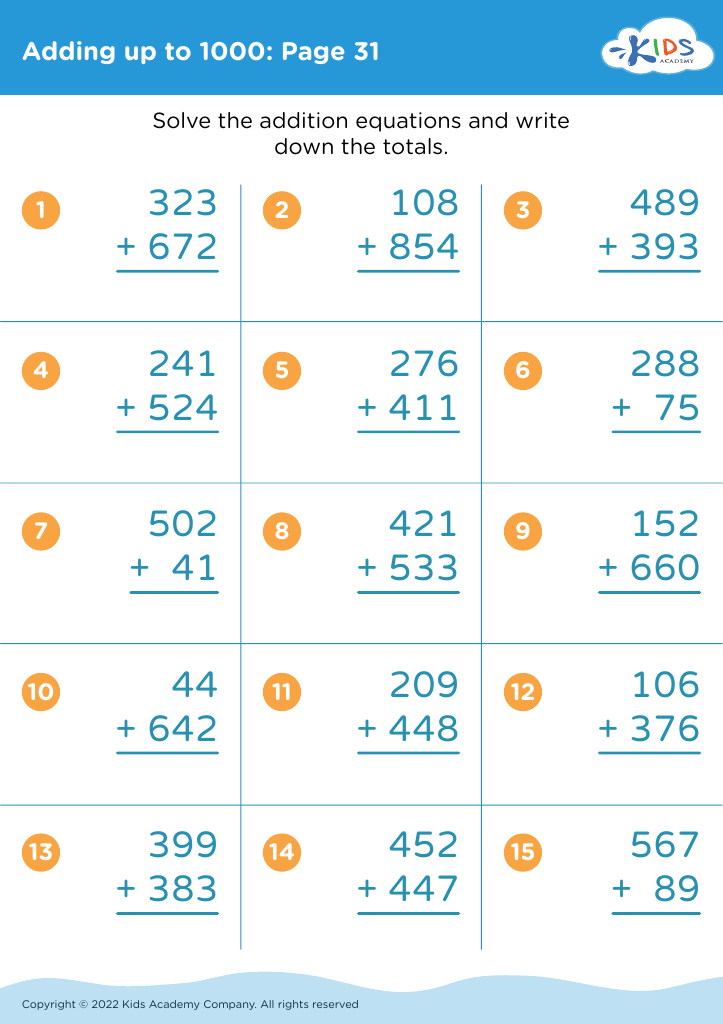
Adding up to 1000: Page 31

Adding up to 1000: Page 31

Adding up to 1000: Page 31
Worksheet
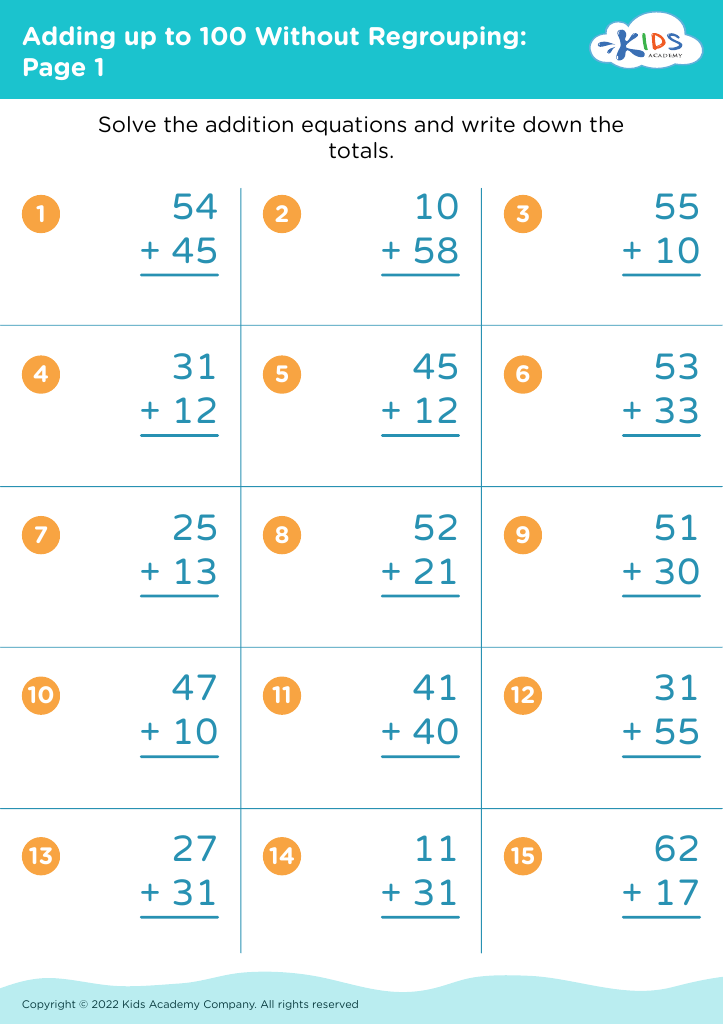
Adding up to 100 Without Regrouping: Page 1
Worksheet
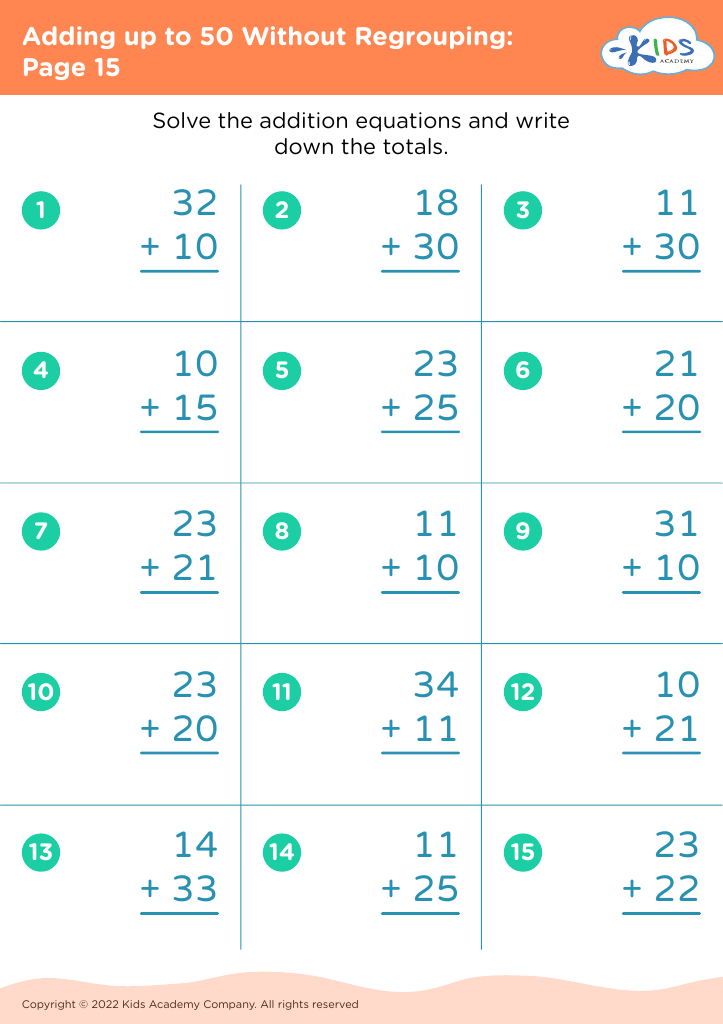
Adding up to 50 Without Regrouping: Page 15
Worksheet
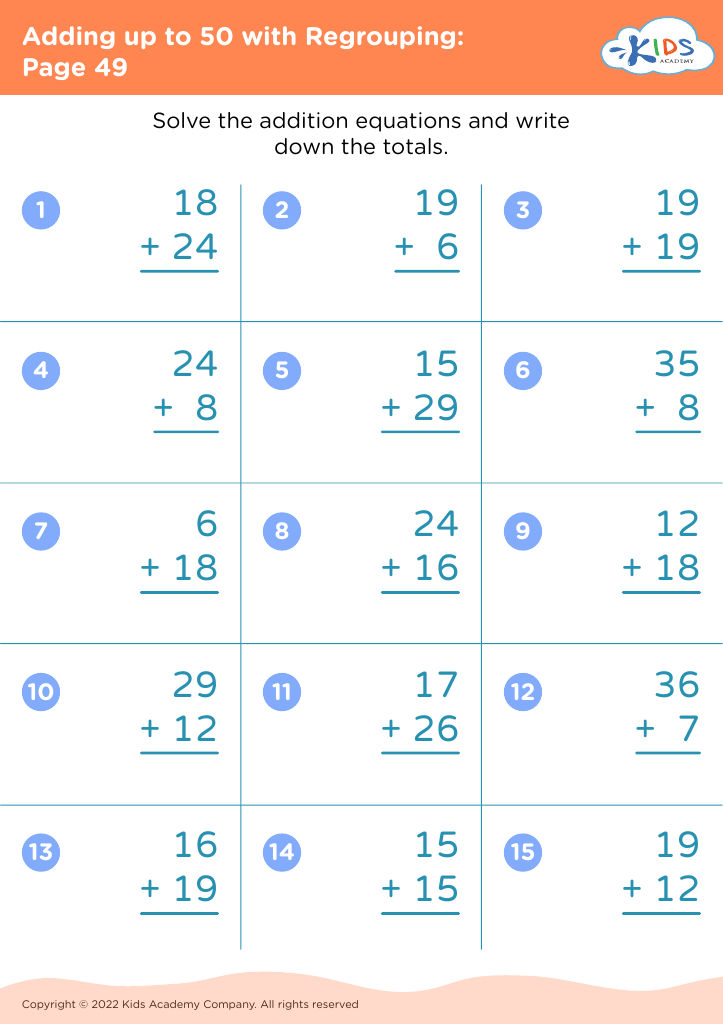
Adding up to 50 with Regrouping: Page 49
Worksheet
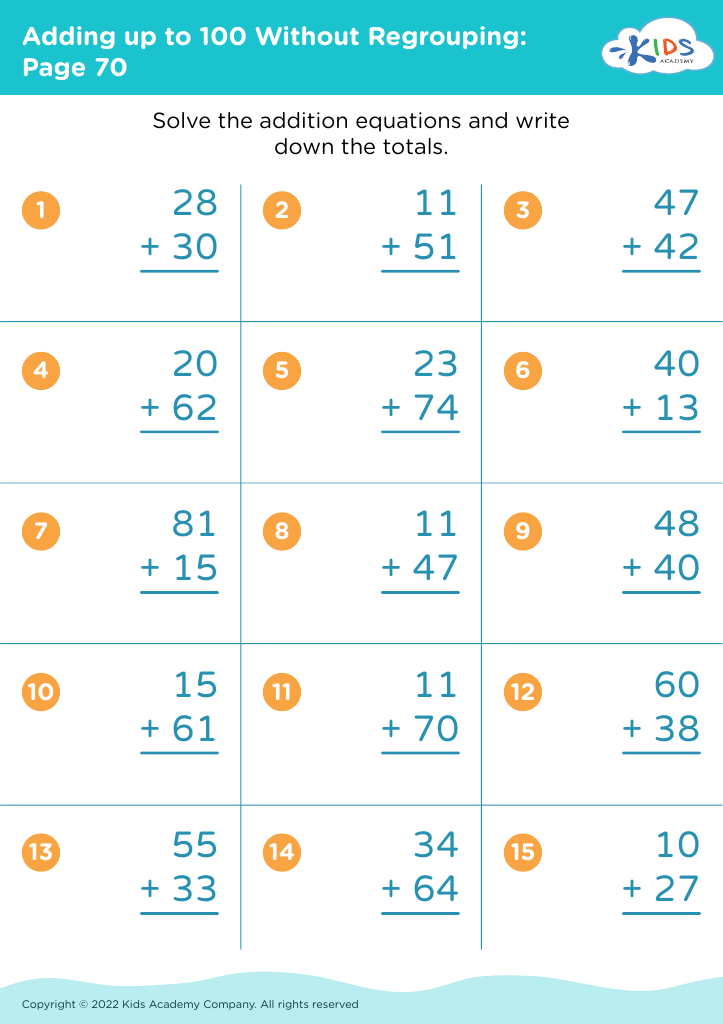
Adding up to 100 Without Regrouping: Page 70
Worksheet
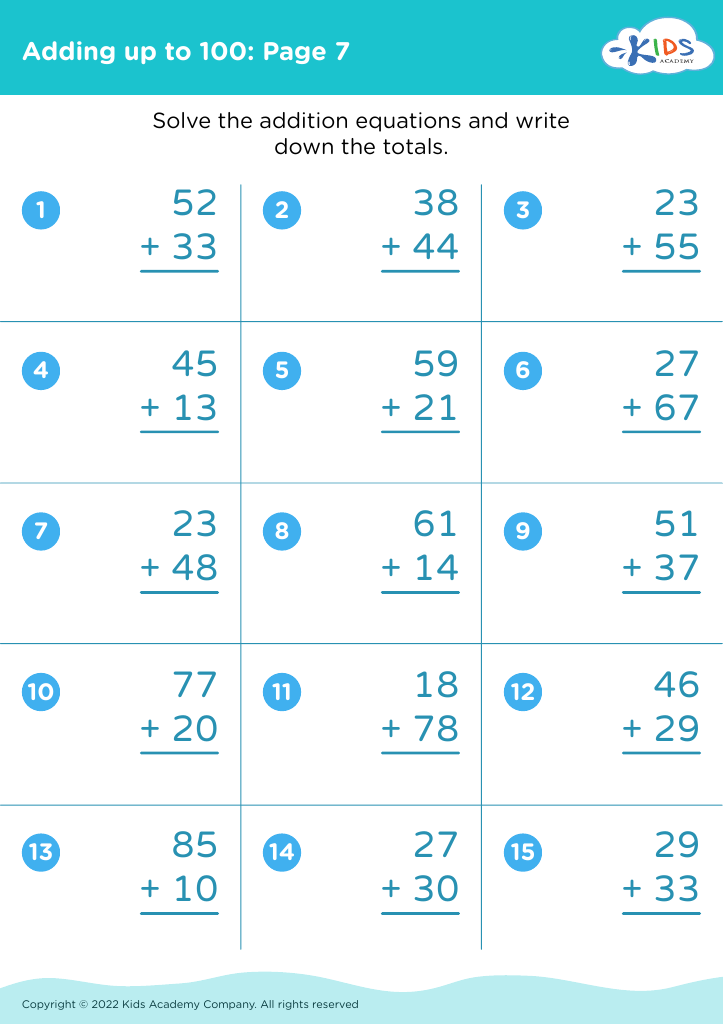
Adding up to 100: Page 7

Adding up to 100: Page 7

Adding up to 100: Page 7
Worksheet
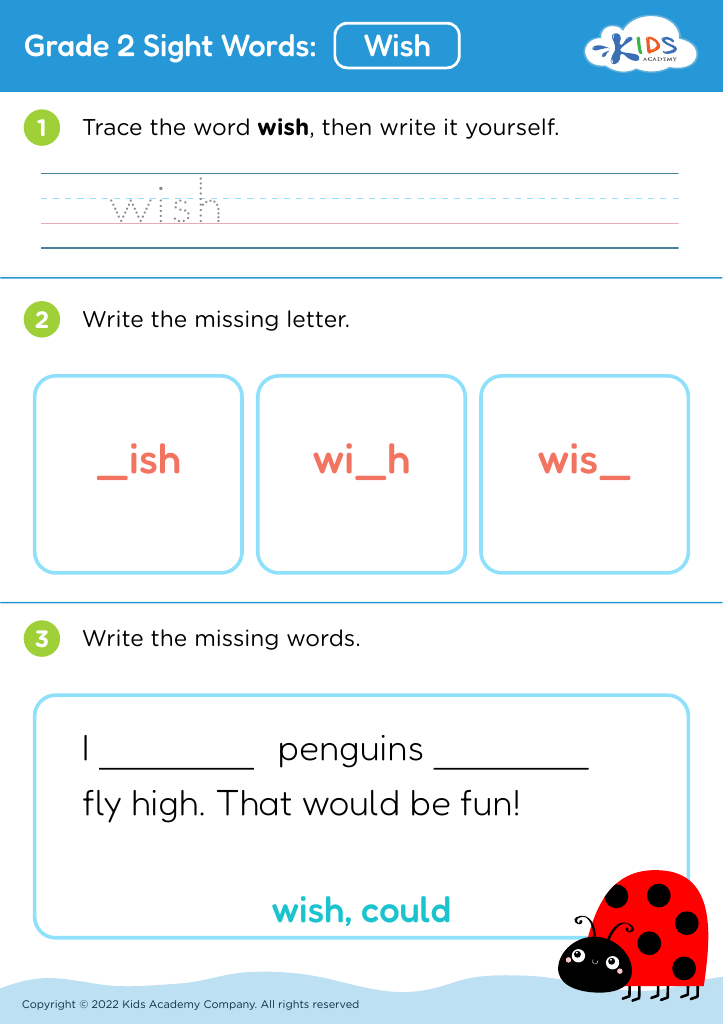
Grade 2 Sight Words: Wish

Grade 2 Sight Words: Wish

Grade 2 Sight Words: Wish
Worksheet
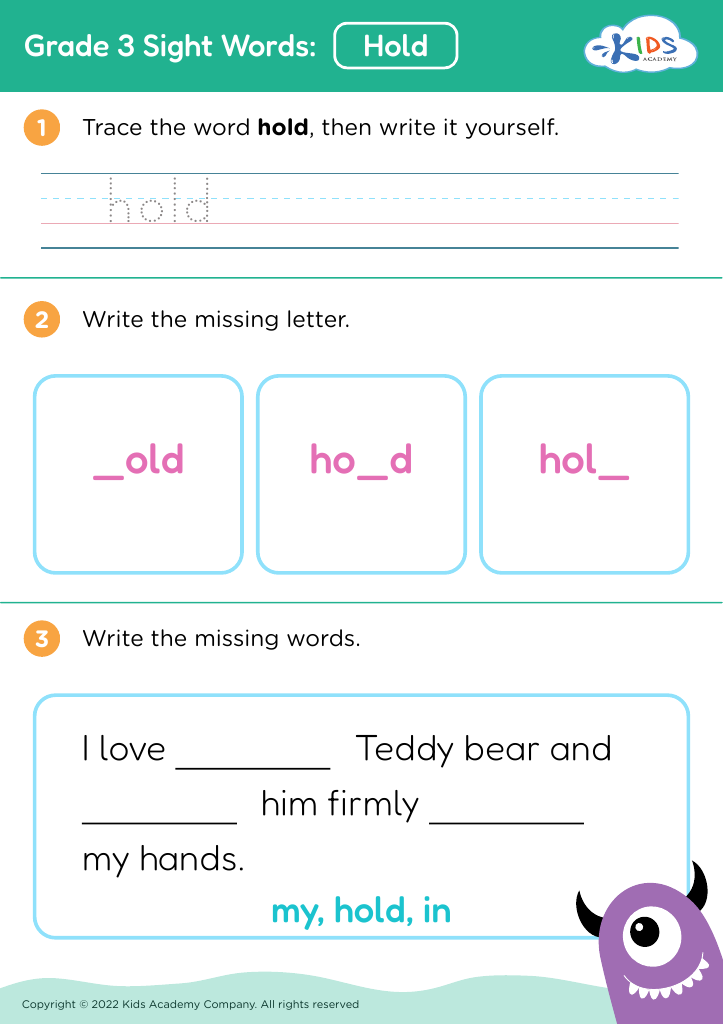
Grade 3 Sight Words: Hold

Grade 3 Sight Words: Hold

Grade 3 Sight Words: Hold
Worksheet


Improving number recognition in children ages 3-9 is essential for several reasons. Firstly, number recognition serves as a foundational skill for early mathematics. Recognizing numbers allows children to understand quantity, basic operations, and later, more complex concepts. Mastery of this skill builds confidence in young learners, as they feel more competent when engaging with math-related tasks.

Additionally, number recognition enhances cognitive development. As children identify numbers, they also develop memory recall and associative skills. This promotes critical thinking and problem-solving capabilities, which are vital in academics and everyday life.

Moreover, number recognition fosters independence and promotes self-confidence. When children confidently recognize numbers, they are better equipped to read and follow instructions, whether it’s in homework or during everyday tasks, thereby nurturing life skills.

Finally, strong numerical skills at an early age set the stage for future academic success. Research indicates that early math skills correlate with later achievements in school. Therefore, parents and teachers should prioritize number recognition to ensure that children develop the numeracy skills needed to thrive in school and beyond. By investing time and resources in this area, we empower children to build a strong mathematical foundation for their futures.