Improves concentration Worksheets for Ages 3-9
8 filtered results
-
From - To
Boost your child's focus and learning readiness with our specially designed "Improves Concentration Worksheets" for ages 3-9. These engaging and age-appropriate activities are tailored to enhance attention span and cognitive skills through fun exercises. Whether it’s puzzles, matching games, or coloring tasks, these worksheets make concentration building enjoyable for young learners. Each printable resource is crafted to nurture critical thinking and improve fine motor skills while keeping children entertained. Perfect for home or classroom use, our worksheets empower early learners to thrive academically. Help your child develop essential concentration skills today with our captivating and effective tools!
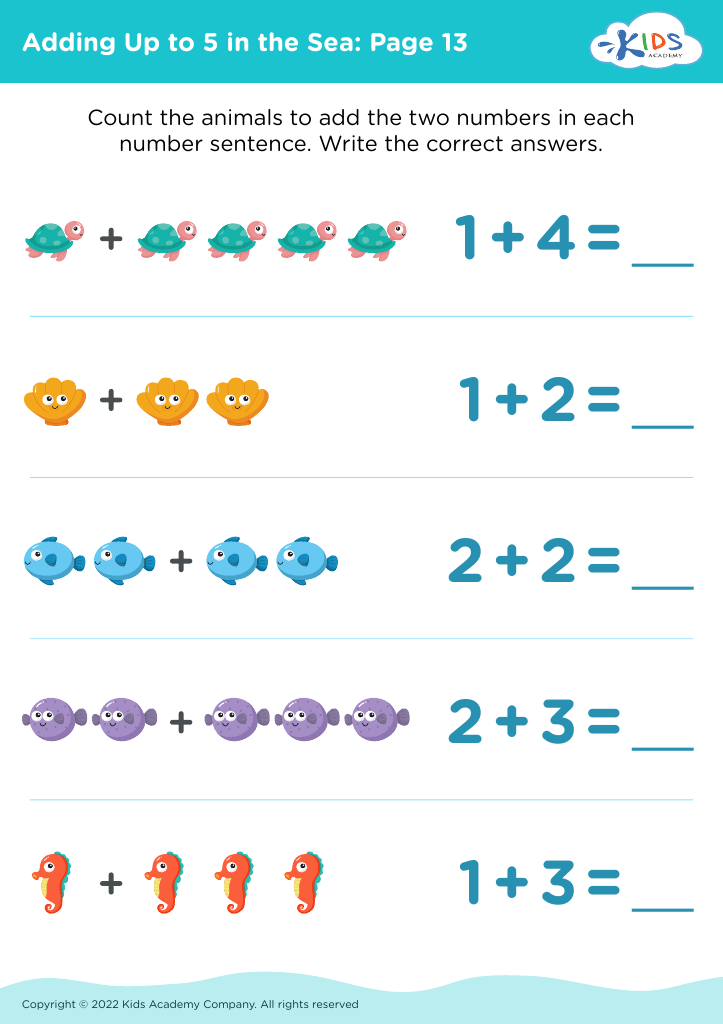
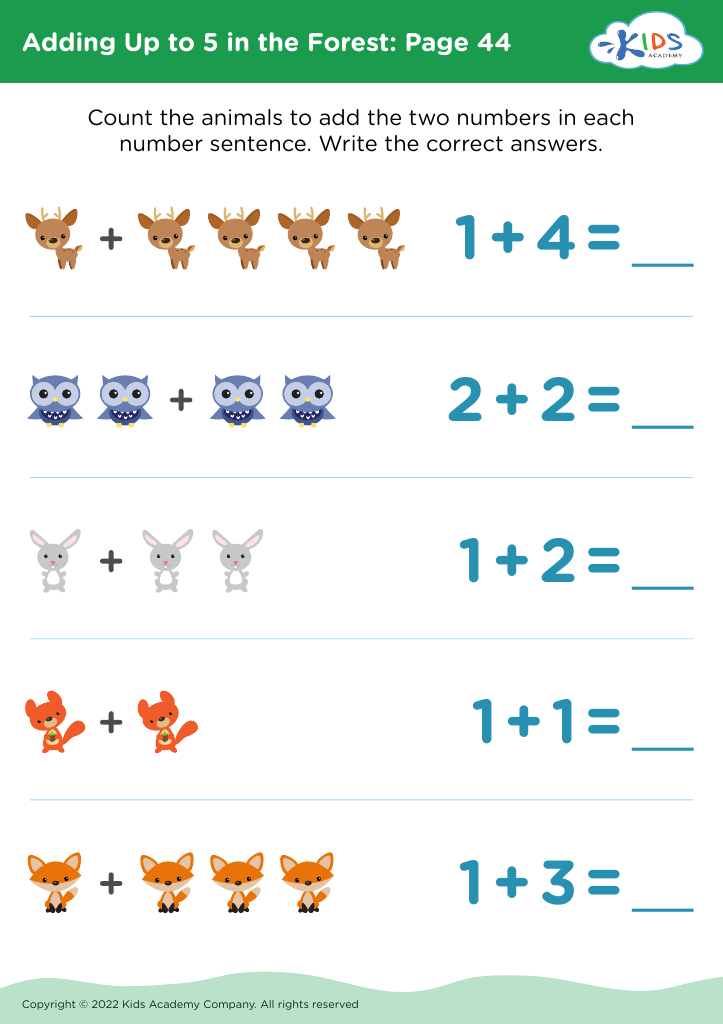
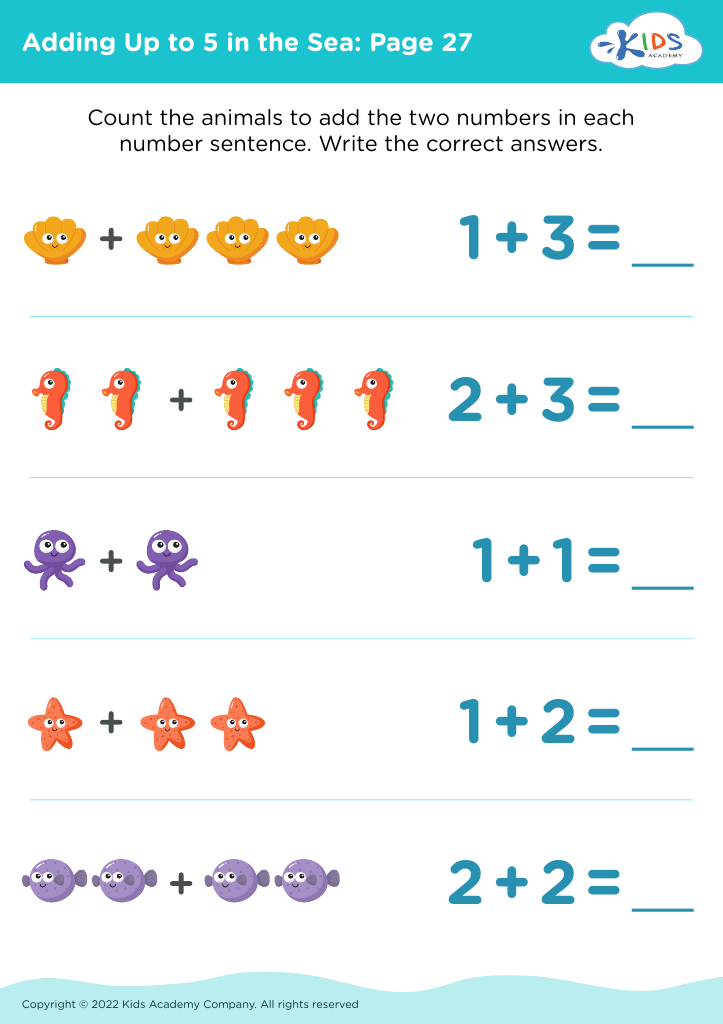
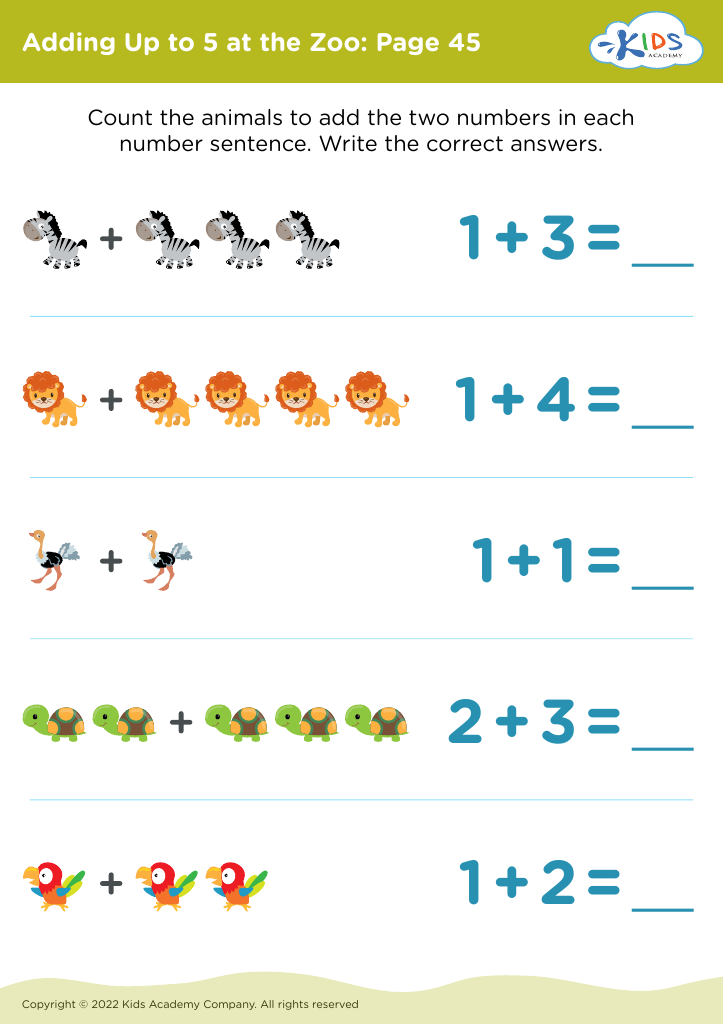
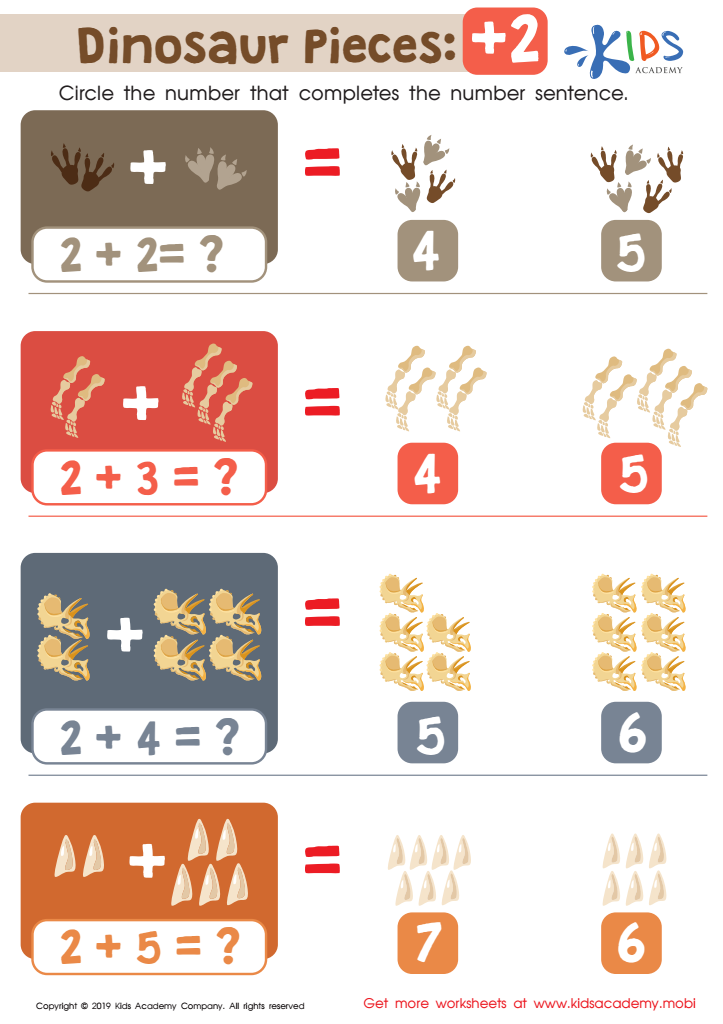
Dinosaur Pieces: +2 Worksheet
 Assign to My Students





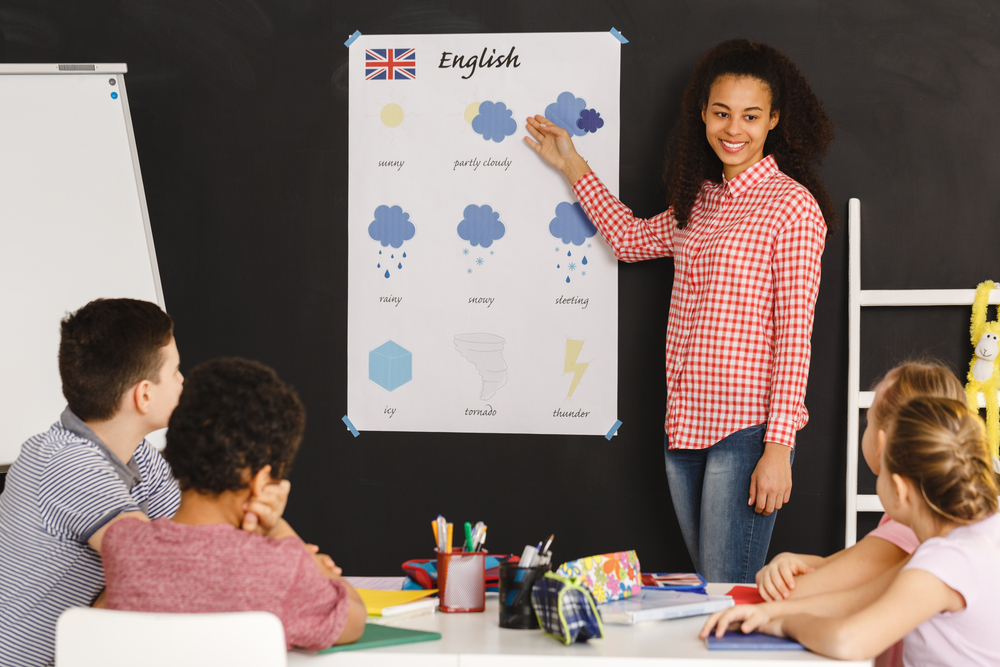
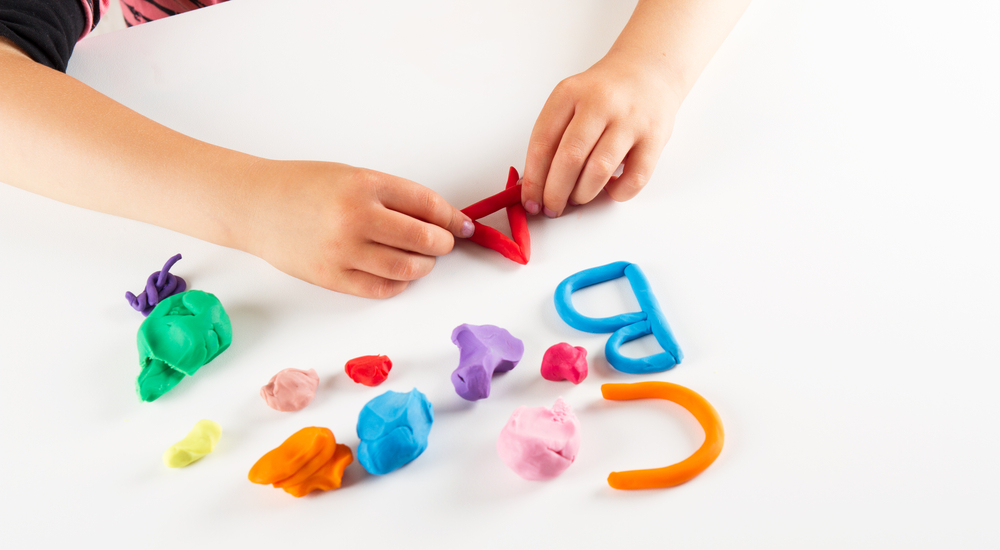

Improving concentration in children aged 3 to 9 is crucial for their cognitive and emotional development. During these formative years, brain pathways are rapidly developing, and the ability to focus significantly impacts learning outcomes. A concentrated child can better absorb information, follow instructions, and complete tasks, fostering a deeper understanding and mastery of subjects.
Moreover, improved concentration helps children develop critical skills like problem-solving and decision-making. It enhances their ability to engage in activities, whether in the classroom or during play, leading to a more enriching experience overall. As they learn to concentrate, children also build self-discipline and patience, traits that contribute to enduring success in various aspects of life.
Additionally, fostering concentration can positively influence behavior, reducing instances of frustration and distractions. For parents and teachers, recognizing the importance of concentration means investing in strategies that encourage mindfulness and focus, which ultimately supports academic achievement and emotional well-being.
Overall, caring about improving concentration in young children helps cultivate a environment of learning and growth, establishing a foundation for future educational experiences and personal development. By prioritizing this skill, parents and teachers are nurturing children who are better equipped for the challenges and demands of an increasingly complex world.








