Improving fine motor skills Worksheets for Ages 3-9
3 filtered results
-
From - To
Nurture your child's fine motor development with our expertly designed worksheets for ages 3-9. At Kids Academy, we offer a variety of activities that make learning fun and engaging while reinforcing essential skills like pencil control, hand-eye coordination, and precision. Our printables cover a range of tasks from tracing and cutting to matching and drawing, ensuring a comprehensive approach to motor skill enhancement. Each worksheet is crafted to align with developmental milestones, providing the perfect blend of challenge and creativity. Support your child's growth and confidence with our tailored resources, fostering excellent foundations for future academic success.
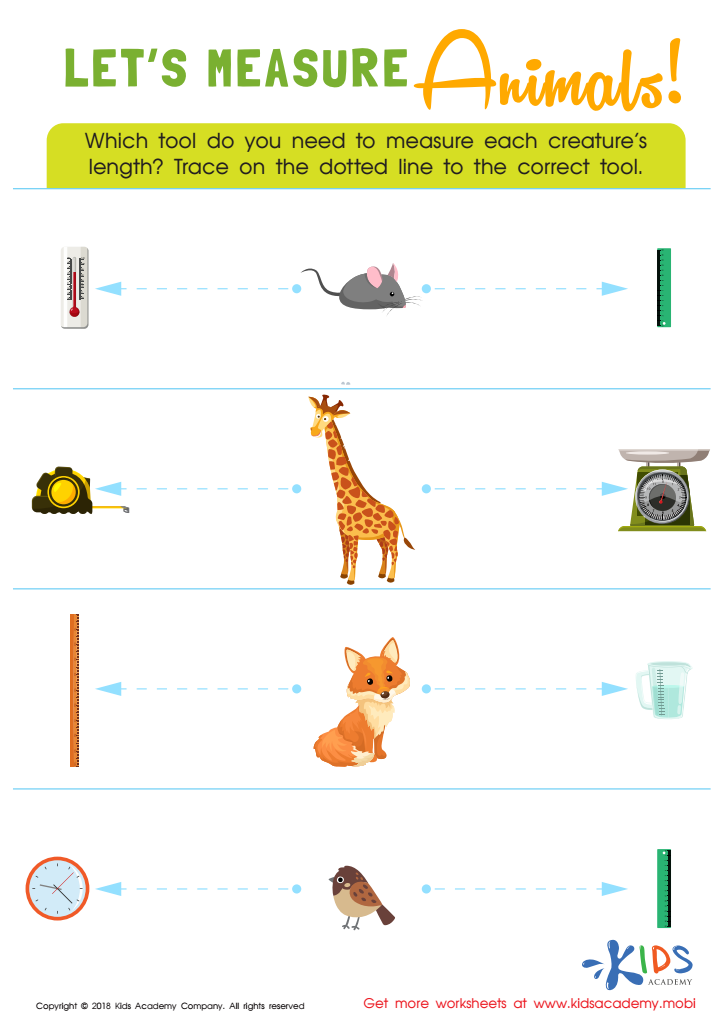
Let's Measure Animals! Worksheet
 Assign to My Students







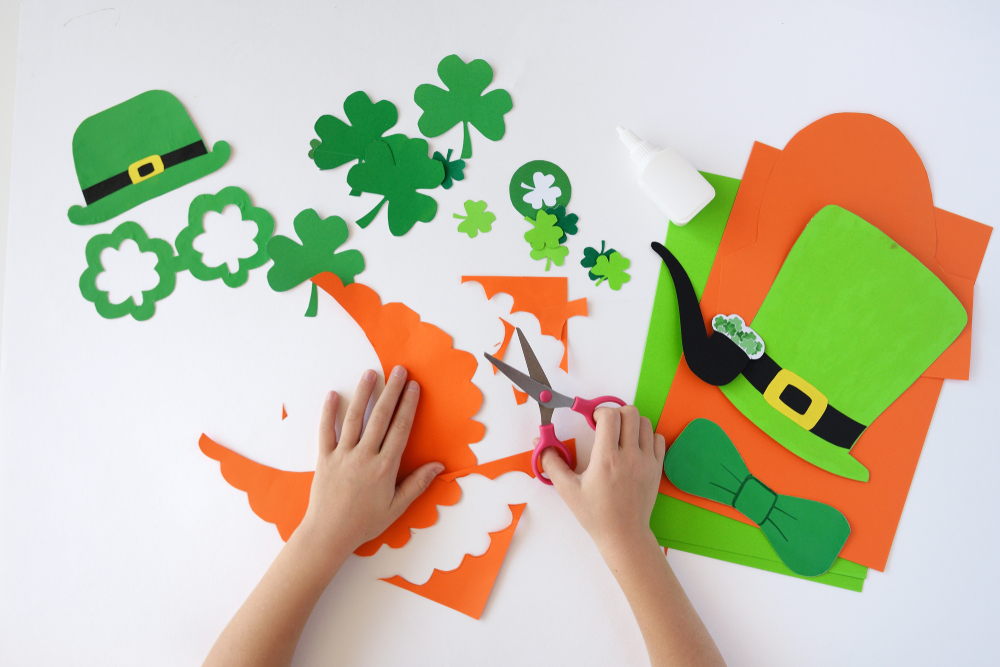
Parents and teachers should prioritize improving fine motor skills in children aged 3-9 because these skills are fundamental for daily activities, academic success, and overall development. Fine motor skills, which involve the coordination of small muscles in the hands and fingers, are essential for performing tasks such as writing, buttoning clothes, and using utensils. When children develop strong fine motor skills, they become more independent and confident in their abilities, fostering a positive self-image.
From an academic standpoint, these skills are crucial. Handwriting is a significant part of early education, and children with well-developed fine motor skills tend to have better handwriting, which can influence their ability to communicate ideas effectively and perform well in school. Art and craft activities, which further enhance creativity and cognitive skills, are also reliant on fine motor proficiency.
Moreover, enhancing fine motor skills supports brain development. Activities like threading beads, cutting with scissors, and playing with building blocks stimulate brain areas associated with problem-solving, spatial awareness, and motor planning.
Therefore, by actively engaging in activities that boost fine motor skills, parents and teachers help lay a solid foundation for children's future learning, physical dexterity, and emotional well-being, enabling them to navigate academic and everyday challenges confidently.








