
Introduction to mathematics Worksheets for Ages 3-9
3 filtered results
Difficulty Level
Grade
Age
-
From - To
Subject
Activity
Standards
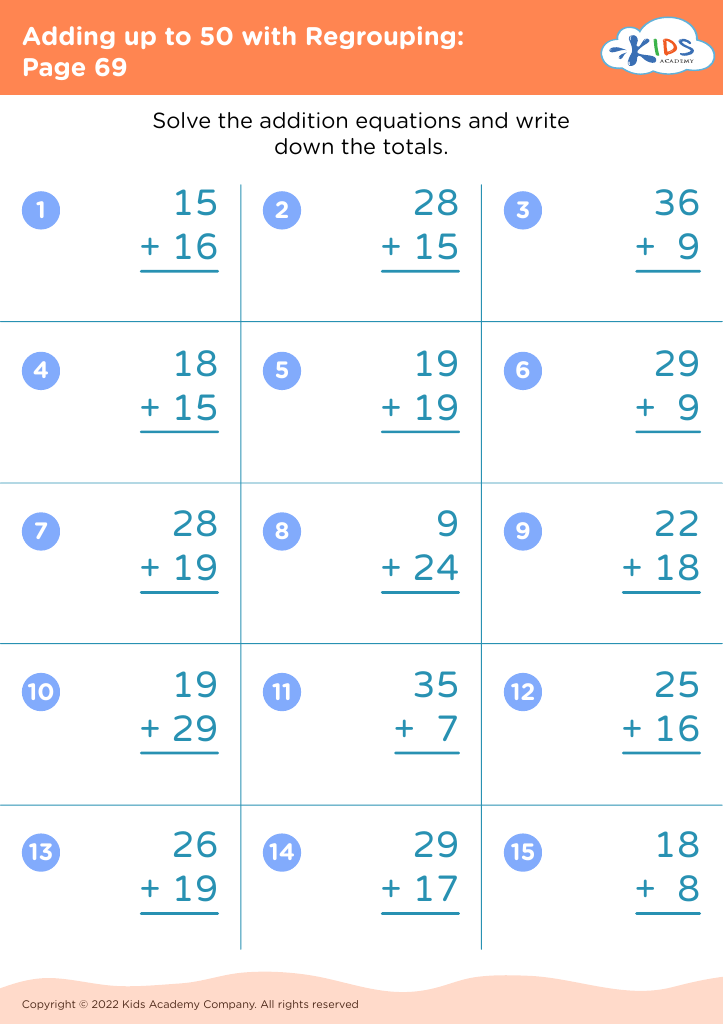
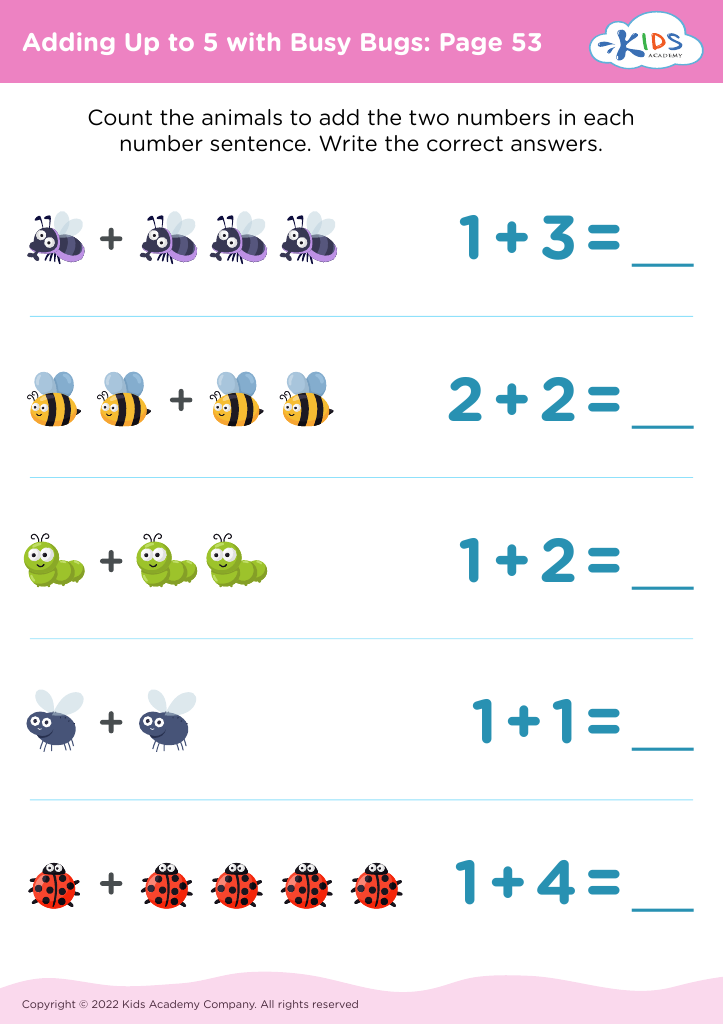
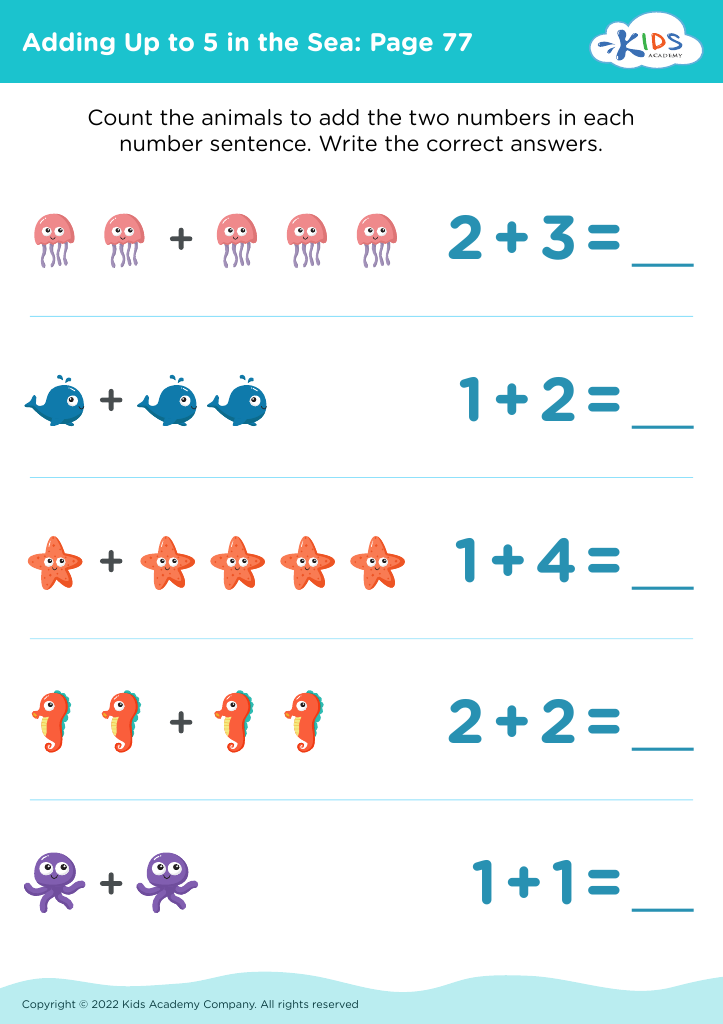
Welcome to our "Introduction to Mathematics Worksheets for Ages 3-9"! Designed to engage young learners, these worksheets introduce essential math concepts in a fun and accessible way. Children's early experiences with math shape their future learning, and our resources cover basic skills such as counting, number recognition, and simple addition and subtraction. Each worksheet aims to build confidence and motivate students through colorful and interactive activities. Whether at home or in the classroom, these materials provide an excellent foundation for a lifelong love of math. Explore our variety of worksheets to help nurture your child’s mathematical skills today!
Favorites
With answer key
Interactive
Join Kids Academy for Free
Who is primarily going to use this learning content?




.jpg)


Introduction to mathematics for children aged 3-9 is crucial for their cognitive and social development. During these formative years, foundational math skills, such as counting, number recognition, and basic operations, begin to take shape. Engaging with math early fosters critical thinking and problem-solving skills, allowing children to connect abstract concepts to their everyday experiences.
Furthermore, early exposure to mathematics promotes confidence and a positive attitude towards learning. Children who experience math in fun, playful ways, such as through games or activities, are more likely to develop a love for the subject and a willingness to tackle challenges as they progress to more complex concepts. This foundational knowledge boosts their academic performance in later grades, as mathematics is often interconnected with skills learned in science, technology, and engineering.
Additionally, parents and teachers play a key role in shaping children’s attitudes about math. Building a strong math foundation not only supports academic success but also prepares children for a future in an increasingly data-driven world. Supporting early math literacy ultimately equips children with essential life skills, making it imperative for parents and teachers to prioritize mathematics in early childhood education.








